

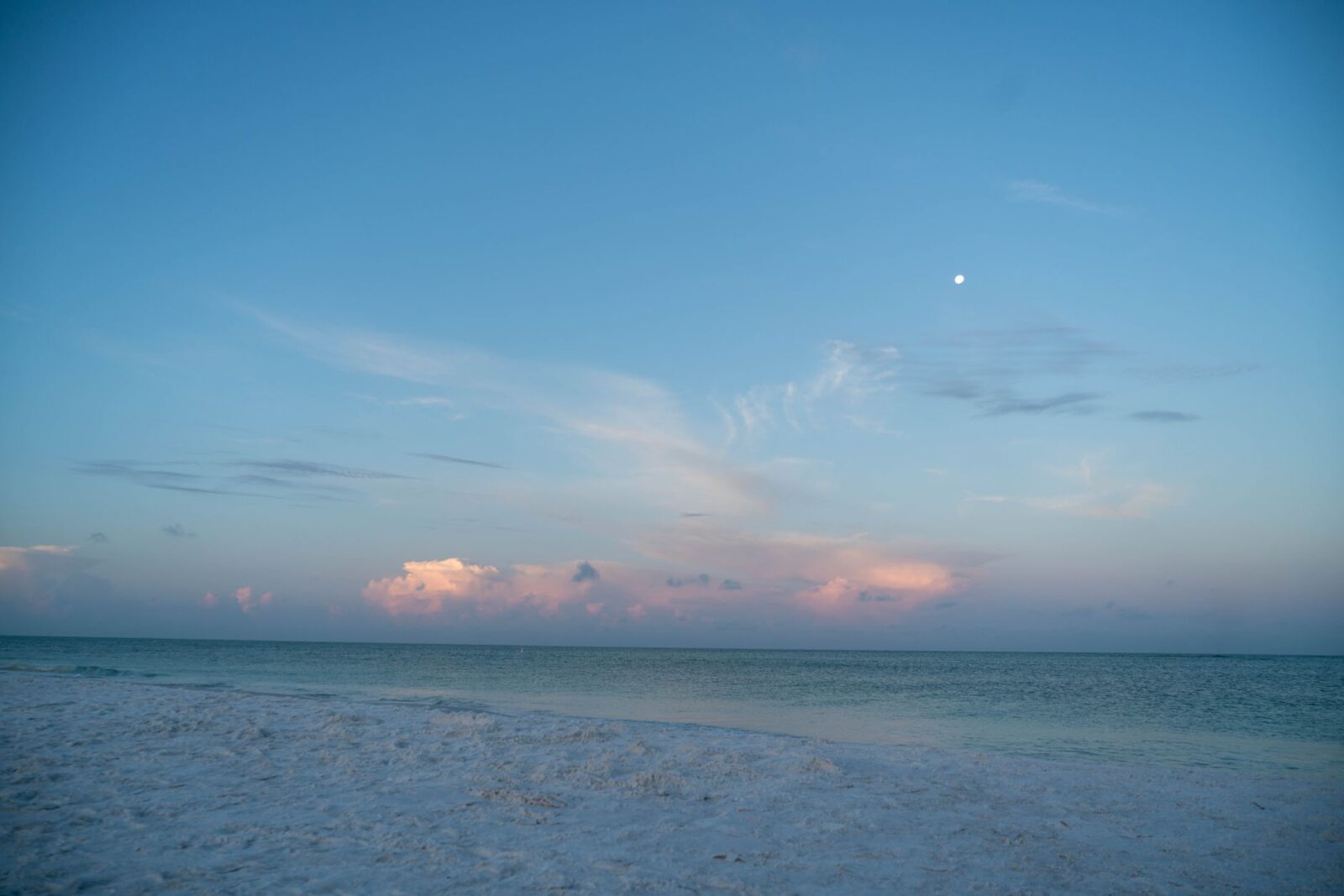
Holden Beach Crowned America’s Calmest Shore
Holden Beach, a slender barrier island tucked between Wilmington and Myrtle Beach in North Carolina, has been named the calmest beach in the United States according to a 2025 study conducted by the social casino platform McLuck. The research examined roughly 250,000 TripAdvisor reviews from 158 beaches nationwide, tracking the frequency of words such as “calm,” “quiet,” and “relax.” Holden Beach emerged on top, with more than 38 percent of its reviews mentioning those tranquil terms. This distinction highlights a stretch of sand where the rhythm of the tide feels noticeably slower than at its busier neighbors.
The accolade arrives at a moment when many travelers are actively seeking destinations that offer respite from overcrowded shorelines and nonstop commercial activity. While Florida’s Gulf Coast and California’s southern beaches continue to draw millions each year, Holden Beach presents an alternative that feels deliberately low‑key. Its recognition underscores a growing appetite for places where the natural environment remains the main attraction rather than a backdrop for amusement parks or high‑rise hotels.
What the Study Measured and Why It Matters
McLuck’s methodology relied on sentiment analysis of publicly available travel reviews, a technique that has become increasingly common in tourism research. By calculating the proportion of reviews that contained specific calm‑related keywords, the study aimed to quantify subjective experiences of peace and quiet. Holden Beach’s score of 38.2 percent surpassed all other contenders, indicating that a substantial share of visitors explicitly noted the beach’s serene atmosphere.
For travelers, this data offers a concrete way to compare destinations beyond anecdotal recommendations. When a location consistently earns high marks for calmness, it suggests that factors such as low visitor density, limited nightlife, and restrained development are working in harmony. The findings can help travelers prioritize spots where they are more likely to find uninterrupted stretches of sand and gentle waves.
A Glimpse into Holden Beach’s Small‑Town Character
Holden Beach is home to just over 500 permanent residents, a figure that reinforces its reputation as a quiet residential community rather than a tourist‑driven resort town. The town’s commercial core is modest, featuring a handful of locally owned cafes, bait shops, and rental offices that cater primarily to vacationers staying in beachfront cottages. Because large‑scale hotels and amusement arcades are largely absent, the shoreline remains open and uninterrupted for long walks or early‑morning yoga sessions.
The town’s layout encourages a slower pace of life. Streets are lined with weathered shingle houses and occasional live oaks draped in Spanish moss, giving the area a distinctly coastal Carolina feel. Local events, such as the weekly farmers’ market held in the town square, draw both residents and visitors, fostering a sense of community that many larger beach destinations struggle to maintain.
How Holden Beach Fits Into Wider U.S. Travel Trends
In recent years, a noticeable shift has emerged among domestic travelers who prioritize wellness, solitude, and authentic local experiences over the traditional beach vacation model. Surveys conducted by travel industry analysts show that nearly 40 percent of U.S. travelers now rate “peace and quiet” as a top factor when selecting a coastal destination, surpassing even nightlife or theme park proximity. Holden Beach’s accolade aligns perfectly with this evolving preference.
Additionally, the rise of remote work has enabled more people to extend stays at quieter locales, turning short weekend getaways into longer work‑cations. Holden Beach’s limited commercial infrastructure means that visitors can often find affordable short‑term rentals equipped with reliable internet, making it feasible to balance productivity with beachside relaxation. This combination of tranquility and practicality is increasingly appealing to digital nomads, retirees, and families alike.
Planning Your Visit: When to Go and What to Expect
The optimal time to experience Holden Beach at its most peaceful is during the shoulder seasons of late April through early June and mid‑September through early October. During these windows, daytime temperatures typically range from the low 70s to mid‑80s Fahrenheit, while evening breezes keep the air comfortable. Visitor numbers drop significantly after Labor Day, allowing for near‑empty stretches of sand even on weekends.
Those arriving by car will find the town accessible via US‑17, with a short drive from the nearest interstate exits. Parking is generally plentiful and free at public beach accesses, though arriving early on summer weekends is advisable to secure a spot close to the shore. Bicycles and golf carts are popular modes of local transport, and many rental shops offer hourly rates for those who prefer to explore the island without a car.

Budget Breakdown: Costs for a Peaceful Getaway
Accommodation costs on Holden Beach remain modest compared with more developed coastal markets. A typical two‑bedroom beachfront cottage rents for between $150 and $220 per night in the off‑season, rising to $250‑$300 per night during peak summer weeks. Travelers seeking even lower rates can opt for inland units or modest motels just off the main road, where nightly rates often fall below $100.
Dining options reflect the town’s low‑key vibe. A casual lunch at a local seafood shack averages $12‑$18 per person, while a dinner at a family‑run grill or pizza spot runs roughly $20‑$30. Grocery stores and convenience markets allow visitors to self‑cater, which can reduce food expenses by 30‑40 percent for those staying in cottages with kitchens. Overall, a frugal five‑night stay for two people, including lodging, meals, and modest recreation, can be budgeted at approximately $800‑$1,000.
Beyond the Sand: Nearby Attractions and Day Trips
While Holden Beach itself offers ample opportunities for relaxation, its location provides easy access to a variety of regional attractions. A short drive north leads to the historic port city of Wilmington, where visitors can explore the USS North Carolina battleship, stroll along the Riverwalk, or tour the vibrant arts district. To the south, the bustling shores of Myrtle Beach lie within an hour’s reach, offering amusement parks, shopping outlets, and a lively nightlife scene for those who occasionally crave more stimulation.
Nature enthusiasts will appreciate the nearby Bald Head Island, accessible by ferry from Southport, which features maritime forests, sea‑turtle nesting sites, and the iconic Old Baldy lighthouse. Kayaking through the marshlands that fringe the Intracoastal Waterway offers close encounters with herons, egrets, and occasional dolphins. For anglers, the surf off Holden Beach yields seasonal catches of pompano, Spanish mackerel, and occasional red drum, making it a favored spot for both novice and experienced fishermen.
FAQ: Your Questions About Holden Beach Answered
Is Holden Beach truly crowd‑free even during peak summer?
While Holden Beach sees more visitors in July and August than in the off‑season, its resident‑only character and limited commercial development keep densities far lower than those of neighboring Myrtle Beach or Virginia Beach. On a typical summer weekend, you can still find quiet sections of sand, especially if you arrive before 9 a.m. or walk a short distance away from the main public accesses.
What types of accommodations are available for families?
Families will find a range of options, from spacious beachfront homes with multiple bedrooms and full kitchens to condominium complexes that offer pools and playgrounds. Many rental properties provide amenities such as cribs, high chairs, and beach toys, and several local agencies specialize in family‑friendly stays. Prices for a three‑bedroom cottage suitable for a family of four generally start around $180 per night in the shoulder season.
Are there any restrictions on alcohol or open fires on the beach?
Holden Beach enforces a ban on glass containers and open fires on the shoreline to protect the environment and ensure safety. Alcohol is permitted in moderation for those of legal drinking age, but containers must be plastic or metal. Beachgoers should also observe the town’s leash law for dogs, which requires pets to be on a leash no longer than six feet while on the sand.
How does Holden Beach compare to other calm beaches on the East Coast?
According to the same McLuck analysis, other beaches that scored highly for calmness include Cape May, New Jersey, and Ocracoke Island, North Carolina. However, Holden Beach’s combination of a permanent population under 600, minimal high‑rise development, and a reputation for friendly local interactions gives it a distinctive edge. Travelers who prioritize a genuine small‑town feel often rank Holden Beach above the alternatives.
Stay informed with the latest travel news, visa updates, and destination guides. Follow HimalayanCrest.com for weekly travel intelligence delivered by our editorial team.