

The Great Migration Beyond the River Crossing Myth
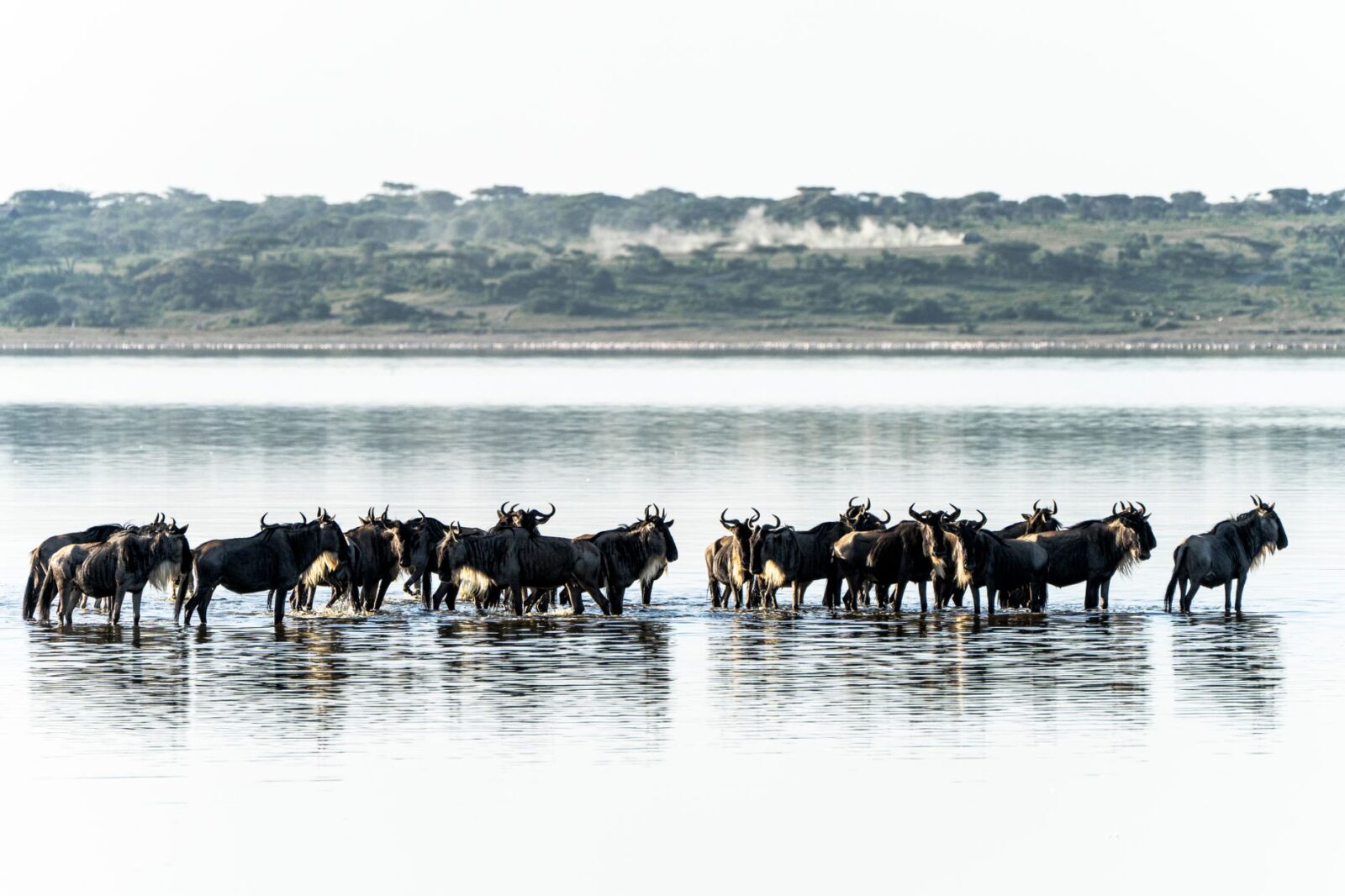
Every year, more than 1.5 million wildebeest, accompanied by hundreds of thousands of zebra and gazelle, move across the Serengeti‑Mara ecosystem in search of fresh grass and water. This continuous loop covers roughly 800 kilometres and follows the rhythm of seasonal rains rather than a fixed calendar date. The spectacle is often reduced in marketing to a single dramatic river crossing, yet the reality is far richer and more varied. Travelers who arrive expecting only one iconic moment may miss the nuanced stories that unfold throughout the year.
Deon De Villiers, founder of the Australian‑based safari specialist Safari Guru, notes that the persistent focus on river crossings creates a mismatch between client expectations and actual experiences. He explains that when advisors understand the full seasonal cycle, they can match the right region to the right traveler and deliver a more personalised safari. This shift in perspective opens opportunities for higher‑value offerings that feel expert‑led and deeply tailored.
The misconception persists partly because media images and social media highlights tend to showcase the Mara River crossing during the peak months of July to October. While those images are striking, they represent only a fraction of the migration’s annual journey. By broadening the narrative, the industry can attract travelers interested in different wildlife behaviours, landscapes, and cultural interactions.
How Rainfall and Grazing Shape the Year‑Round Movement
The primary driver of the Great Migration is the pattern of rainfall across the Serengeti‑Mara region. Short rains in November and December stimulate new grass growth in the southern Serengeti plains, prompting the herds to move southward from the northern woodlands. As the grasses dry, the animals follow the moisture northwest toward the western corridor and eventually into Kenya’s Maasai Mara by mid‑year.
Long rains from March to May rejuvenate the central and western Serengeti, creating lush grazing that supports the herds through the calving period. When the rains cease, the landscape begins to dry again, prompting the northward trek that culminates in the dramatic river crossings of the Grumeti and Mara Rivers. This cyclical movement means that at any given month, the migration is present somewhere in the ecosystem, offering distinct wildlife scenes.
Understanding this climate‑dependent rhythm helps travelers anticipate what they will see based on timing. For example, the southern plains are vibrant with newborn calves during the early months, while the northern reaches showcase predator‑prey drama as the herds gather before crossing. The migration is not a single event but a continuous flow that adapts to environmental cues.
Seasonal Highlights: From Calving to Crossing
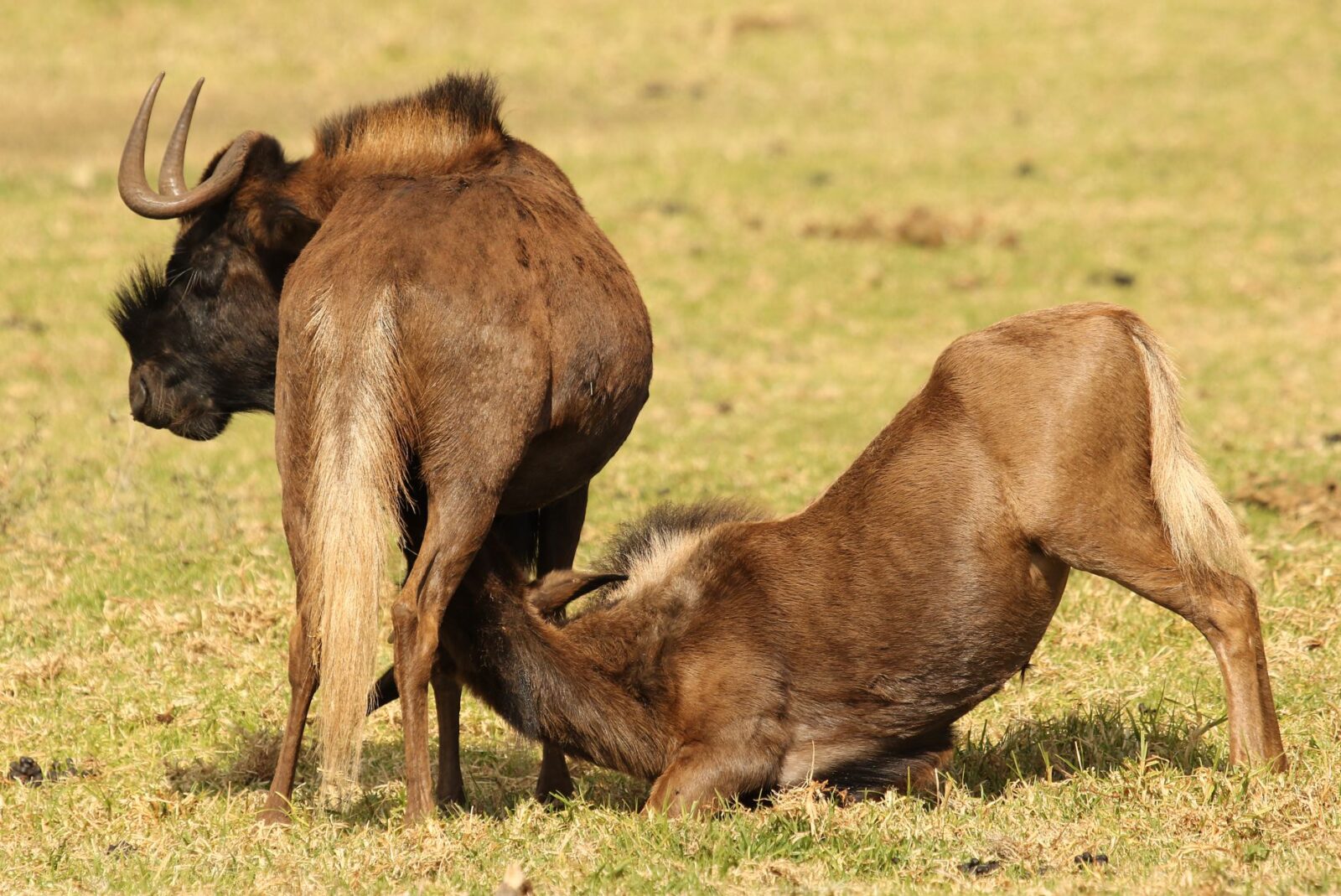
Calving season typically occurs between January and March in the southern Serengeti, where an estimated 500,000 wildebeest calves are born within a few weeks. This period offers exceptional predator activity, as lions, hyenas, and cheetahs take advantage of the vulnerable young. The sweeping herds stretch across endless grasslands, providing photographers with dramatic scenes of life and renewal.
From April to June, the herds move through the central Serengeti and western corridor, where the Grumeti River presents the first major water obstacle. Crossings here are less crowded than those in the Mara but still feature impressive numbers of wildebeest navigating strong currents and lurking crocodiles. The surrounding woodlands offer shade and varied birdlife, adding depth to the safari experience.
The most photographed river crossings happen in the Maasai Mara between July and October, when the herds confront the Mara River’s steep banks and powerful flow. While the visual impact is undeniable, this period also sees the highest visitor density, which can affect the sense of wilderness. Travelers seeking a quieter encounter may opt for the earlier or later phases of the migration.
By November, the herds begin their return southward, completing the loop as the short rains revive the southern plains. This return phase offers renewed grazing opportunities and a chance to witness the ecosystem’s resilience as the cycle prepares to begin again.
Why Travel Advisors Are Rethinking Their Pitch
Safari Guru’s advice to travel advisors centres on education as the strongest sales tool. Rather than presenting the migration as a narrow‑date event, advisors are encouraged to explain that the ‘best’ time depends entirely on what the client most wants to experience. This approach helps manage expectations and reduces disappointment when a client’s travel dates do not align with the peak crossing window.
Advisors who can articulate the seasonal nuances are better positioned to tailor itineraries that combine migration viewing with other attractions, such as cultural visits to Maasai villages, hot‑air balloon rides over the Serengeti, or extensions to nearby parks like Ngorongoro Crater. This customisation increases perceived value and can justify higher price points.
Furthermore, a season‑led narrative opens the market to travelers who might otherwise avoid the migration due to concerns about crowds or high season pricing. By highlighting alternatives such as calving season or the lush green landscapes of the wet season, advisors can attract a broader clientele throughout the year.
Practical Tips for Planning a Season‑Led Safari
First, determine the primary wildlife interest: calving and predator action, river crossings, or general herd movement with scenic landscapes. Match that interest to the corresponding months and region. For calving, aim for January to March in the southern Serengeti; for river crossings, target July to October in the Maasai Mara; for lush scenery and fewer crowds, consider April to June or November.
Second, work with a knowledgeable operator who can adjust daily game drives based on the herds’ real‑time location. Many lodges and camps maintain communication with ranger posts and use satellite updates to predict herd movements. Flexibility in itinerary allows travelers to be where the action is, rather than sticking to a fixed schedule.
Third, consider combining migration viewing with other East African experiences. A typical itinerary might include three days in the Serengeti for migration viewing, two days in the Maasai Mara for cultural interactions, and a visit to the Ngorongoro Crater for its dense wildlife concentrations. This variety enriches the overall journey and provides backup wildlife sightings if migration timing shifts.
Finally, pack appropriately for the season. The wet months (March to May and November) require waterproof gear and sturdy boots for muddy tracks, while the dry season (June to October) calls for sun protection, hats, and lightweight clothing. Layering is essential due to temperature variations between early morning drives and warm afternoons.
Cost Considerations Across the Migration Calendar
Safari pricing in East Africa often follows a high‑low season model tied to tourism demand rather than wildlife movement alone. The peak months of July to October, coinciding with the Mara River crossings, typically command the highest rates, with luxury lodges charging upwards of USD 800 per person per night and mid‑range options around USD 350‑500. These prices reflect both high demand and the operational costs of maintaining camps in remote areas during the dry season.
The shoulder seasons of April to June and November to December usually offer better value, with luxury rates dropping to USD 500‑650 and mid‑range options ranging from USD 250‑350. During these periods, the landscape is greener, visitor numbers are lower, and travelers may enjoy more exclusive wildlife encounters.
The calving months of January to March fall into a mixed category; while still popular due to the unique predator‑prey dynamics, prices are generally slightly lower than the peak crossing period, averaging USD 600‑700 for luxury lodges and USD 300‑400 for mid‑range accommodations. Travelers interested in this phase should book early, as the limited window creates concentrated demand.
Additional costs to factor include park entry fees (Serengeti National Park USD 70 per adult per day, Maasai Mara USD 80), guide fees, and potential hot‑air balloon rides (USD 500‑600 per person). Internal flights between Arusha, Seronera, and Mara airstrips add USD 200‑300 per leg. By aligning travel dates with the desired migration phase, travelers can optimise both experience and budget.
What the 2026 Season Tells Us About Future Trends
Early reports from the 2026 migration season in Kenya’s Maasai Mara indicate steady visitor demand and strong wildlife sightings, despite ongoing concerns about environmental pressures and infrastructure gaps. Operators report a more gradual booking pattern compared with previous years, when last‑minute spikes were common. This shift suggests that travelers are becoming more informed and are planning further ahead, possibly influenced by the season‑led messaging gaining traction in the trade.
Environmental challenges, including fluctuating rainfall patterns and increasing human‑wildlife interface, may alter traditional migration routes over the coming decades. Conservation organisations are monitoring these changes closely, emphasizing the need for adaptive management strategies that protect both the herds and the habitats they depend on.
From a market perspective, the move toward educating clients about the migration’s full cycle aligns with broader global travel trends that favour experiential, personalised, and sustainable tourism. Travelers increasingly seek meaningful connections with destinations rather than checking off a single bucket‑list item. By reframing the Great Migration as a year‑led journey, the industry can meet this demand while supporting longer stays and dispersed economic benefits across the Serengeti‑Mara region.
Frequently Asked Questions
What is the best time to see the Great Migration if I want to avoid crowds?
For fewer visitors, consider the shoulder seasons of April to June or November. During these months, the herds are moving through the central and western Serengeti or returning southward, offering excellent wildlife viewing with lower lodge occupancy and more intimate game drives.
Can I witness a river crossing outside the traditional July‑October window?
While the most dramatic and concentrated crossings occur on the Mara River from July to October, smaller scale crossings of the Grumeti River happen from May to July. These events are less crowded but still provide thrilling wildebeest movements and crocodile encounters.
How does the calving season differ from the river crossing period in terms of wildlife behaviour?
Calving season focuses on newborn wildebeest and intense predator activity, with lions and hyenas frequently hunting the vulnerable young. The atmosphere is one of renewal and high predator success rates. In contrast, river crossing periods emphasise mass movement, water navigation, and the spectacle of herds confronting strong currents, offering a different kind of drama.
Is it possible to combine the Great Migration with other East African highlights in a single trip?
Absolutely. Many operators design itineraries that include Serengeti migration viewing, Maasai Mara cultural visits, Ngorongoro Crater wildlife drives, and even extensions to Mount Kilimanjaro or Zanzibar beaches. This approach maximises the diversity of experiences while keeping travel logistics efficient.
What should I budget for a mid‑range migration safari in 2026?
For a mid‑range safari, expect to pay approximately USD 250‑350 per person per night, which typically includes accommodation, meals, park fees, and guide services. A seven‑night itinerary would therefore cost roughly USD 1,750‑2,450, excluding international flights, visa fees, and optional activities such as balloon rides.
Stay informed with the latest travel news, visa updates, and destination guides. Follow HimalayanCrest.com for weekly travel intelligence delivered by our editorial team.