

The Hopperton Old Station Incident: A Close Call on August 27, 2026
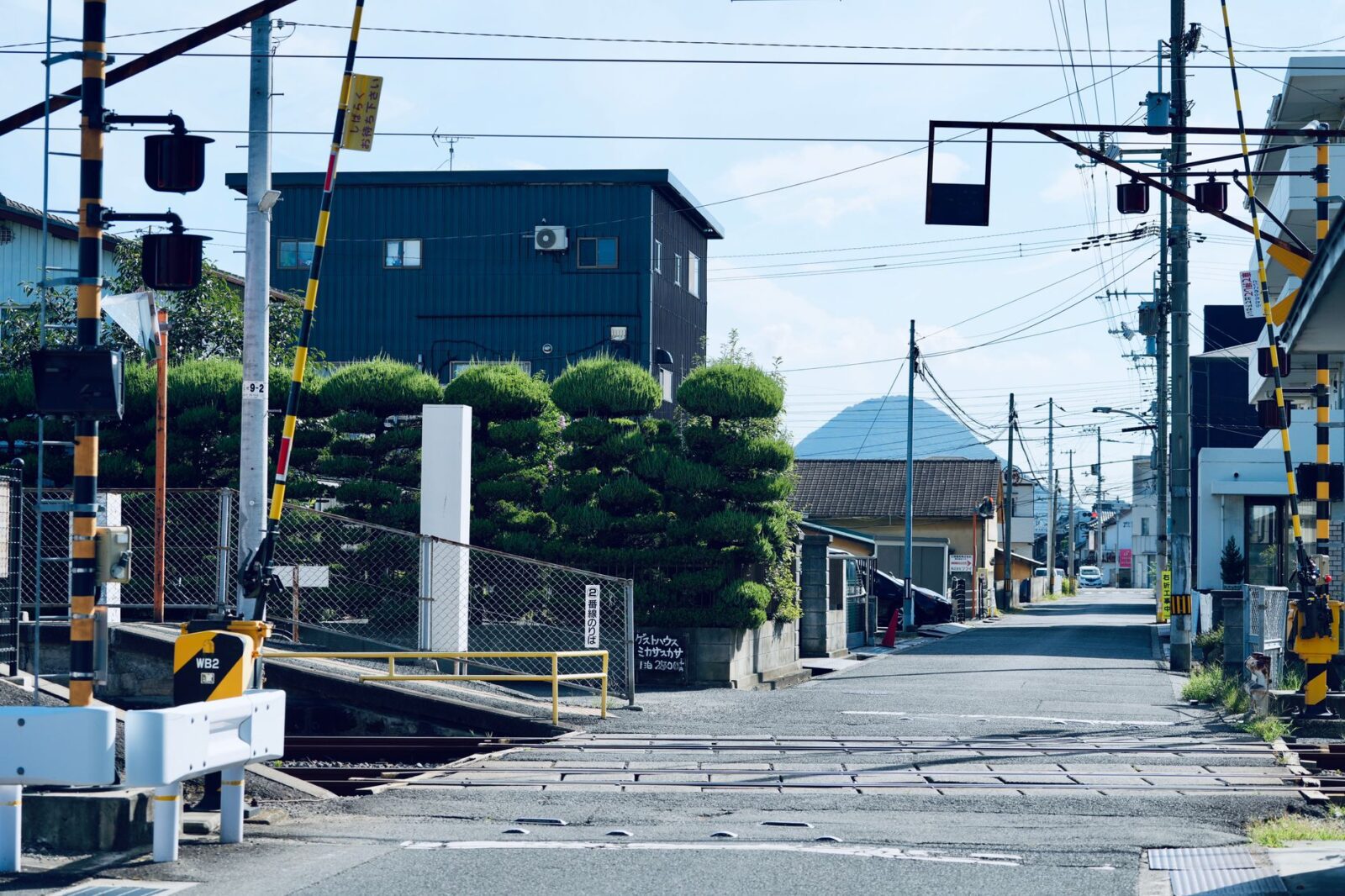
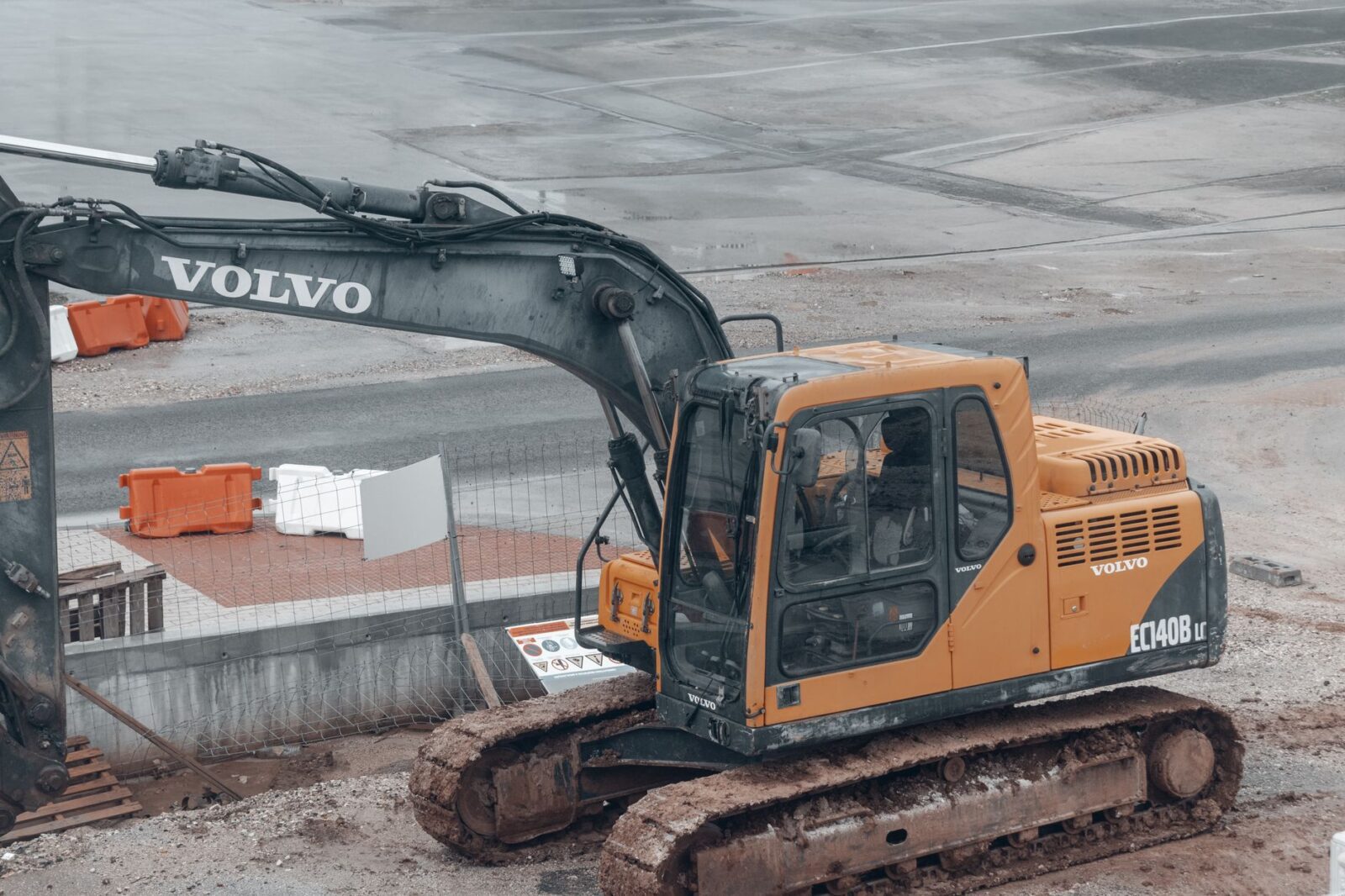
At precisely 08:26 on August 27, 2026, a passenger train narrowly avoided colliding with a telehandler at Hopperton Old Station user worked crossing in North Yorkshire. According to the Rail Accident Investigation Branch (RAIB) report published September 11, 2026, no injuries or damage occurred, but the incident was classified as a serious near miss. The crossing features standard safety equipment: gates and telephones installed on both sides of the tracks, with clear signage instructing vehicle operators to contact the railway signaller and obtain explicit permission before opening gates and proceeding across the rails.
Critically, the RAIB investigation confirmed that the telehandler driver had followed procedure by calling the signaller and receiving authorization to use the crossing moments before the near miss happened. This detail underscores a vital point for travelers: even when safety protocols are observed, human or systemic factors can still create hazardous situations at level crossings. The incident prompted RAIB to announce a forthcoming safety digest analyzing the circumstances, though no immediate regulatory changes were implemented based on this specific event.
How UK Level Crossings Actually Work: Beyond the Gates and Telephones
Hopperton Old Station exemplifies a common but critical type of UK level crossing where active user participation is required for safety. Unlike automated crossings with barrier lights, this “user worked crossing” places direct responsibility on vehicle operators to initiate contact with the signal box. The process involves three non-negotiable steps: stopping before the crossing, using the provided telephone to speak with the signaller, receiving clear verbal permission to cross, and only then operating the gates to traverse the tracks.
This system relies heavily on clear communication and user diligence. Signage at such crossings explicitly states that failure to obtain permission constitutes a violation of railway safety regulations. For travelers unfamiliar with UK rail infrastructure – whether driving rental cars, operating agricultural equipment like the telehandler involved here, or even cycling – understanding this protocol is essential. The RAIB evidence showed the telehandler driver completed the telephone step correctly, suggesting the near miss stemmed from factors beyond basic procedural compliance, such as timing misjudgments or signal box workload.
Global Perspective: How Other Nations Handle Similar Crossing Risks
While the UK emphasizes user-signaller communication at certain crossings, approaches vary significantly worldwide, directly impacting traveler safety. In the United States, where approximately 180,000 miles of track exist according to pedestrian railroad safety data, vehicle-train collisions at level crossings remain a leading cause of rail-related fatalities. Many US crossings rely solely on passive signs or flashing lights without mandatory user-initiated communication, placing different burdens on drivers.
Contrast this with Australia, where stations like Hoppers Crossing in Melbourne feature automated systems common on urban rail networks. The Wikipedia entry notes Hoppers Crossing serves as a ground-level host station on the Werribee line, typically employing boom gates activated by approaching trains – a system minimizing user error but requiring substantial infrastructure investment. These differences mean travelers must adapt their behavior: in the UK, expect to use telephones at specific crossings; in the US, vigilance for warning signals is paramount; in automated systems like Australia’s, compliance with gate signals is key.

Practical Guidance for Travelers Using UK Level Crossings
For anyone navigating UK roads near railways – whether exploring the Yorkshire Dales, commuting in rural East Anglia, or transporting goods as part of work – specific actions can mitigate risks at user worked crossings. First, always locate the telephone box before approaching; it’s typically mounted on a post near the gates with clear signage. Second, prepare essential information: your vehicle type, cargo details if applicable, and intended crossing time. Third, when speaking with the signaller, listen attentively for any conditions or timing restrictions they impose.
Fourth, never assume permission is granted until you receive explicit verbal confirmation – phrases like “proceed when ready” or “cross now” indicate authorization, while vague responses require clarification. Fifth, after crossing, promptly contact the signaller again to report clearance, allowing them to resume normal signal operations. These steps apply equally to tourists driving rental vehicles through scenic regions like the North York Moors and professionals using specialized equipment. Remember: the signaller’s primary duty is train safety, not facilitating your crossing, so patience and precision in communication are vital.
Impact on Travel Confidence and Rail Tourism in Northern England
Incidents like the Hopperton near miss, while not resulting in harm, can subtly influence traveler perceptions of rail-adjacent regions in the UK. North Yorkshire, home to popular destinations such as the historic city of York, the Yorkshire Dales National Park, and coastal Whitby, attracts significant domestic and international tourism reliant on both rail and road transport. Although no visa or entry policy changes stemmed from this safety event, travelers assessing destination safety might consider transport infrastructure reliability as part of their decision-making process.
For investors in UK tourism infrastructure or operators of rural accommodations, such incidents highlight the ongoing need for visible safety investments – whether through improved signage, public awareness campaigns, or gradual upgrades to crossing technology. Digital nomans planning extended stays in Yorkshire’s market towns or retirees considering cottage purchases in the area should note that while level crossing risks exist, they remain statistically rare compared to other travel hazards, and UK railways maintain one of Europe’s best safety records overall.
Comparative Safety Innovations: Lessons from Global Rail Networks
Looking beyond the immediate incident, examining how different countries address level crossing risks offers valuable context for travelers and policymakers alike. The incomplete global level crossing crash database referenced in Wikipedia sources underscores inconsistent reporting worldwide, making direct comparisons challenging. However, available data reveals interesting patterns: Scandinavian nations often combine user communication systems with advanced obstacle detection technology, while Japan’s dense urban networks prioritize full grade separation where feasible.
For the UK specifically, RAIB’s ongoing work – including the safety digest promised for Hopperton Old Station – represents part of a broader strategy. Travelers should note that innovations like radar-based obstacle detectors or smartphone-linked warning systems are being trialed at select crossings internationally. While no such upgrades were indicated for Hopperton in the September 2026 report, awareness of these developments helps travelers understand that crossing safety is an evolving field where regional approaches reflect local traffic patterns, topography, and funding priorities.
What This Means for Your Future UK Travel Plans
Based on the available evidence from the RAIB investigation and global safety data, this specific near miss at Hopperton Old Station does not signal broader changes to UK travel access, visa requirements, or border policies. The incident remains isolated to railway operational safety, with no implications for entry clearance, residency permits, or citizenship pathways. Travelers should continue to consult official UK government sources for visa information, recognizing that transport safety incidents, while important for journey planning, operate within separate administrative domains.
That said, prudent travelers will incorporate level crossing awareness into their pre-trip preparations, especially when planning self-drive itineraries through rural Britain. Checking local council websites for crossing types along your route, saving emergency rail contact numbers, and allocating extra time for potential delays at user worked crossings represent practical steps derived directly from incidents like this one. The ultimate takeaway isn’t altered visa rules, but rather a reminder that safe travel involves understanding and respecting the specific operational environments you’ll encounter – whether navigating city streets or countryside level crossings.
Stay informed with the latest travel news, visa updates, and destination guides. Follow HimalayanCrest.com for weekly travel intelligence delivered by our editorial team.