

Why Newport Is Drawing Travelers Again
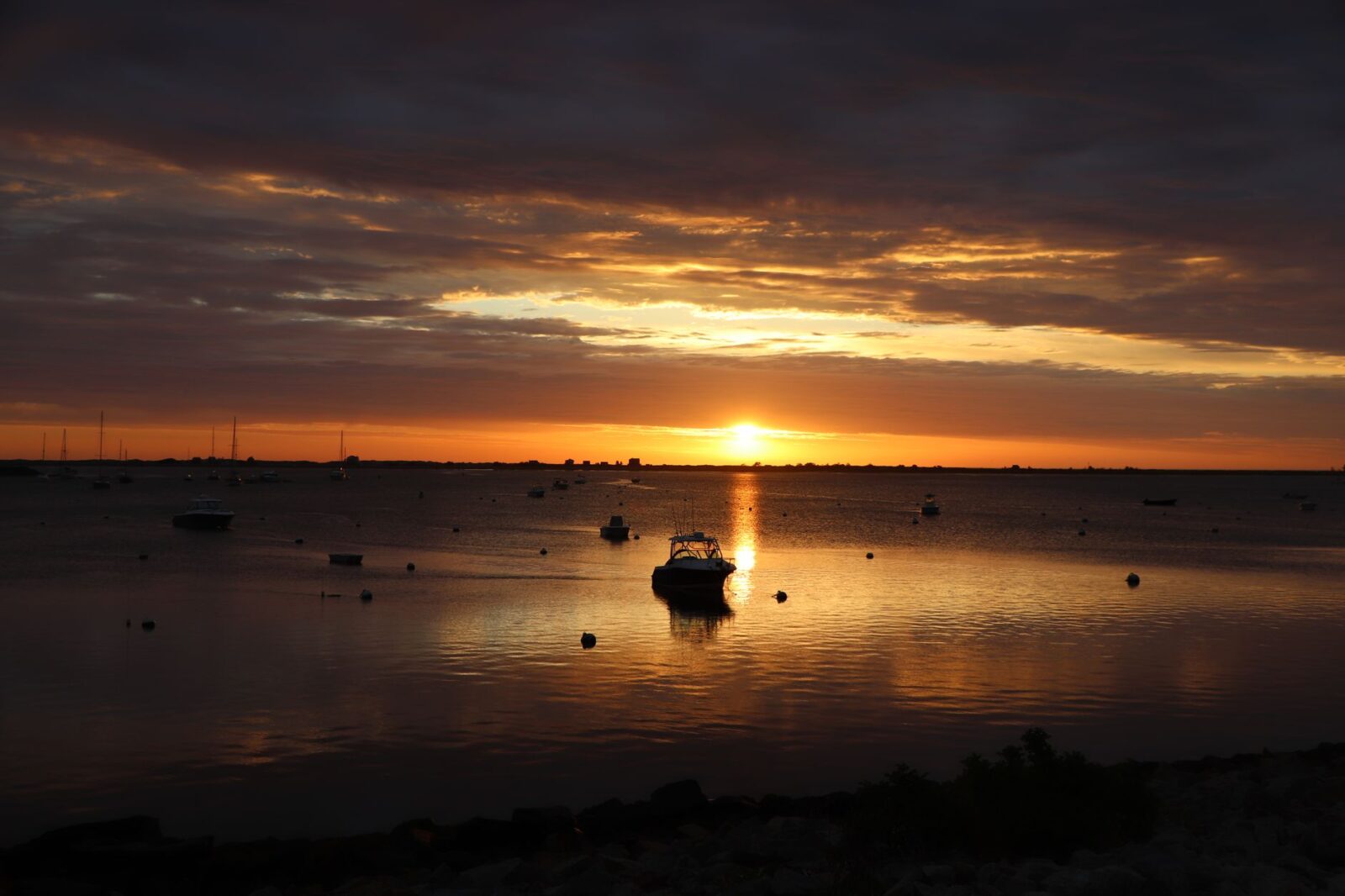
Newport has experienced a surge in interest as travelers seek authentic New England charm combined with luxury experiences. The city’s compact size makes it easy to explore on foot or by bike, while its waterfront setting offers endless views of Narragansett Bay. Recent media attention, from streaming dramas to social media trends, has highlighted the city’s historic mansions and vibrant dining scene. As a result, both domestic and international visitors are booking trips year-round, not just in the traditional summer months.
According to Discover Newport, the city welcomes over three million visitors each year, a number that has grown steadily since 2020. This increase reflects broader trends in domestic travel where travelers favor destinations that offer culture, history, and outdoor recreation within a short drive or train ride from major metros. Newport’s location, just 74 miles south of Boston and 180 miles northeast of New York City, makes it an accessible weekend getaway for millions.
The appeal extends beyond the typical beachgoer. History buffs, food enthusiasts, sailing aficionados, and wellness travelers all find reasons to linger. The city’s ability to balance working wharves with grand architectural estates creates a layered experience that feels both lively and refined. For many, Newport represents a chance to live out an East Coast fantasy without the crowds of larger coastal cities.
A Quick History: From Colonial Port to Gilded Age Playground
Founded in 1639, Newport began as a haven for religious dissenters and quickly became a critical colonial port due to its deep harbor. By the early nineteenth century, wealthy families from New York and Boston started building summer cottages along the waterfront, laying the groundwork for the Gilded Age transformation. The period between 1870 and 1910 saw the construction of opulent mansions such as The Breakers, Marble House, and Rosecliff, many of which remain open to the public today.
These estates were designed by renowned architects like Richard Morris Hunt and served as vacation homes for America’s elite, including the Vanderbilts, Astors, and Belmonts. The mansions were not just private residences; they hosted lavish parties, yacht regattas, and cultural events that defined Newport’s social calendar. Many of the original service buildings have been repurposed into museums, restaurants, and boutique hotels, preserving the city’s architectural legacy.
Today, the historic district covers roughly half of the city and includes over 800 contributing buildings. Walking tours highlight the blend of colonial-era homes, Victorian cottages, and Beaux‑Arts palaces. This rich heritage provides a backdrop that enhances every meal, stay, and activity, making Newport feel like a living museum.
Where to Eat: Seafood, Bistros, and Trendy Cafés
Newport’s dining scene reflects its coastal location and diverse visitor base. Breakfast spots like Cru Cafe serve elevated comfort dishes such as smoked salmon avocado toast on house‑made sourdough, with prices averaging $14 to $18. For those willing to wait in line, The Nitro Bar offers specialty coffee and pastries that have become a favorite among influencers, with latte art and croissants priced around $5 to $7.
Lunch and dinner options range from casual shacks to upscale waterfront restaurants. Easton’s Beach area features clam shacks where a classic New England clam chowder bowl costs about $9 and a lobster roll runs $22 to $26. For a more refined experience, Flora, located inside the Gardiner House hotel, offers seasonal New England fare with entrees ranging from $28 to $38 and a wine list that emphasizes local vineyards.
Recent additions include a growing number of farm‑to‑table bistros and international cafés that cater to younger travelers. Franklin Spa, a longtime local favorite, continues to serve hearty breakfast plates and homemade pies for under $12. Visitors looking for a quick bite can explore Bowen’s Wharf, where food trucks serve fish tacos, lobster grilled cheese, and craft beer for $10 to $15 per item.
According to a 2024 survey by the Rhode Island Hospitality Association, 68% of visitors cite dining as a primary reason for choosing Newport over other New England coastal towns.
Where to Stay: Historic Inns, Boutique Hotels, and Luxury Resorts
Accommodation options in Newport cater to a wide range of budgets and preferences. Budget‑conscious travelers can find well‑rated guesthouses and hostels in the downtown area, with nightly rates starting at $90 for a private room during the off‑season. Mid‑range boutique hotels such as the Hotel Viking offer rooms between $180 and $250 per night, featuring nautical décor and easy access to Thames Street’s shops and restaurants.
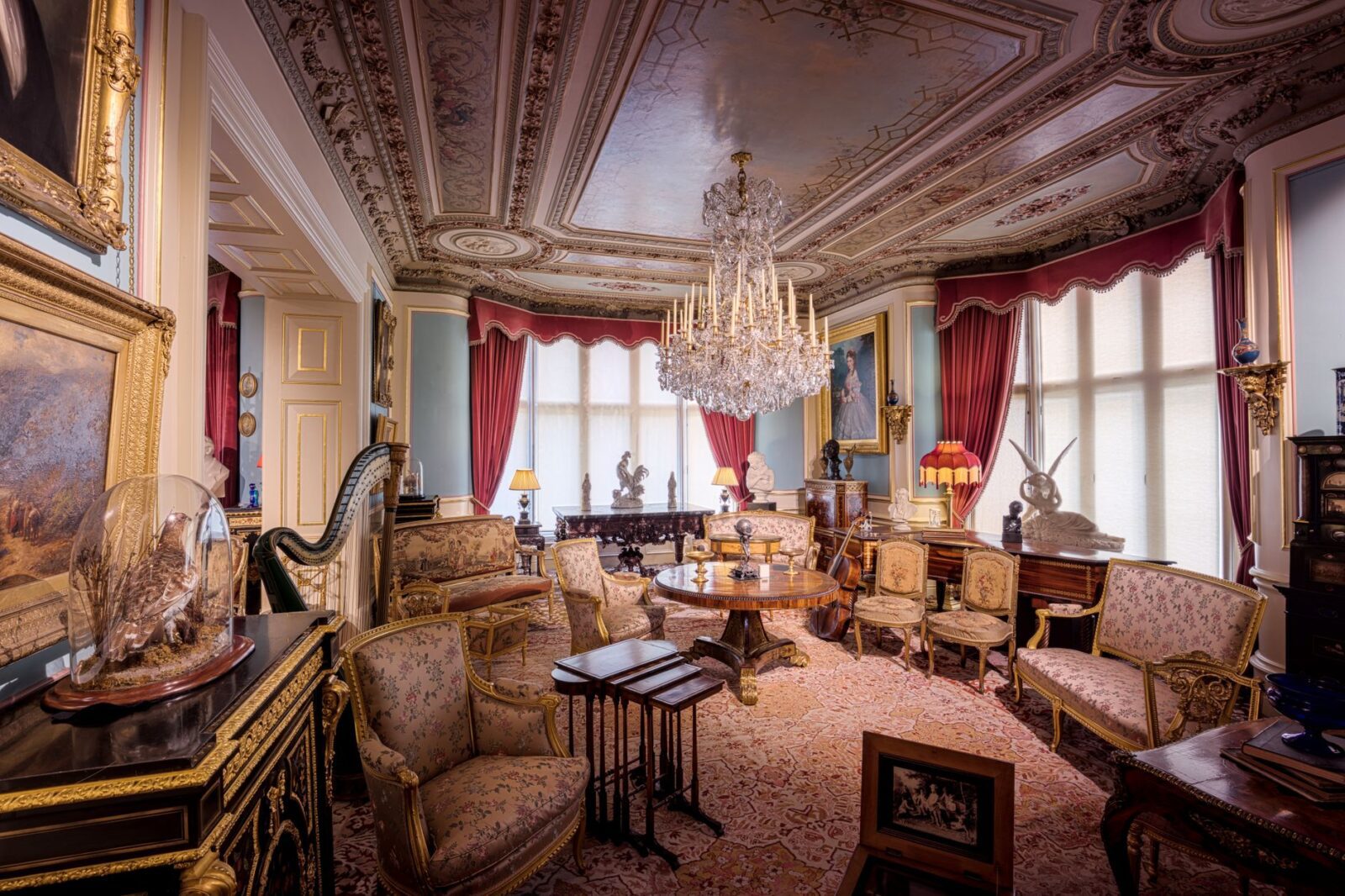
For those seeking a taste of the Gilded Age, several historic mansions have been converted into luxury inns. The Vanderbilt, an Auberge property built by a member of the Vanderbilt family in 1908, provides suites with original woodwork and marble bathrooms, with rates ranging from $350 to $500 per night depending on season. Francis Malbone House, a Georgian‑style mansion dating back to 1760, offers a more intimate setting with rates around $280 to $340 per night.
Waterfront resorts like the Newport Marriott and the Hyatt Regency Newport provide modern amenities, spa services, and direct bay views. These properties typically charge $260 to $340 per night in the shoulder seasons and can exceed $450 during peak summer weeks. Many hotels offer packages that include breakfast, bike rentals, or sailing lessons, adding value for active travelers.
Seasonal pricing varies dramatically. A stay in late October can be 40% cheaper than the same room in July, making fall an attractive time for couples and solo travelers seeking lower crowds and pleasant weather.
What to Do: Cliff Walk, Sailing, and Cultural Sites
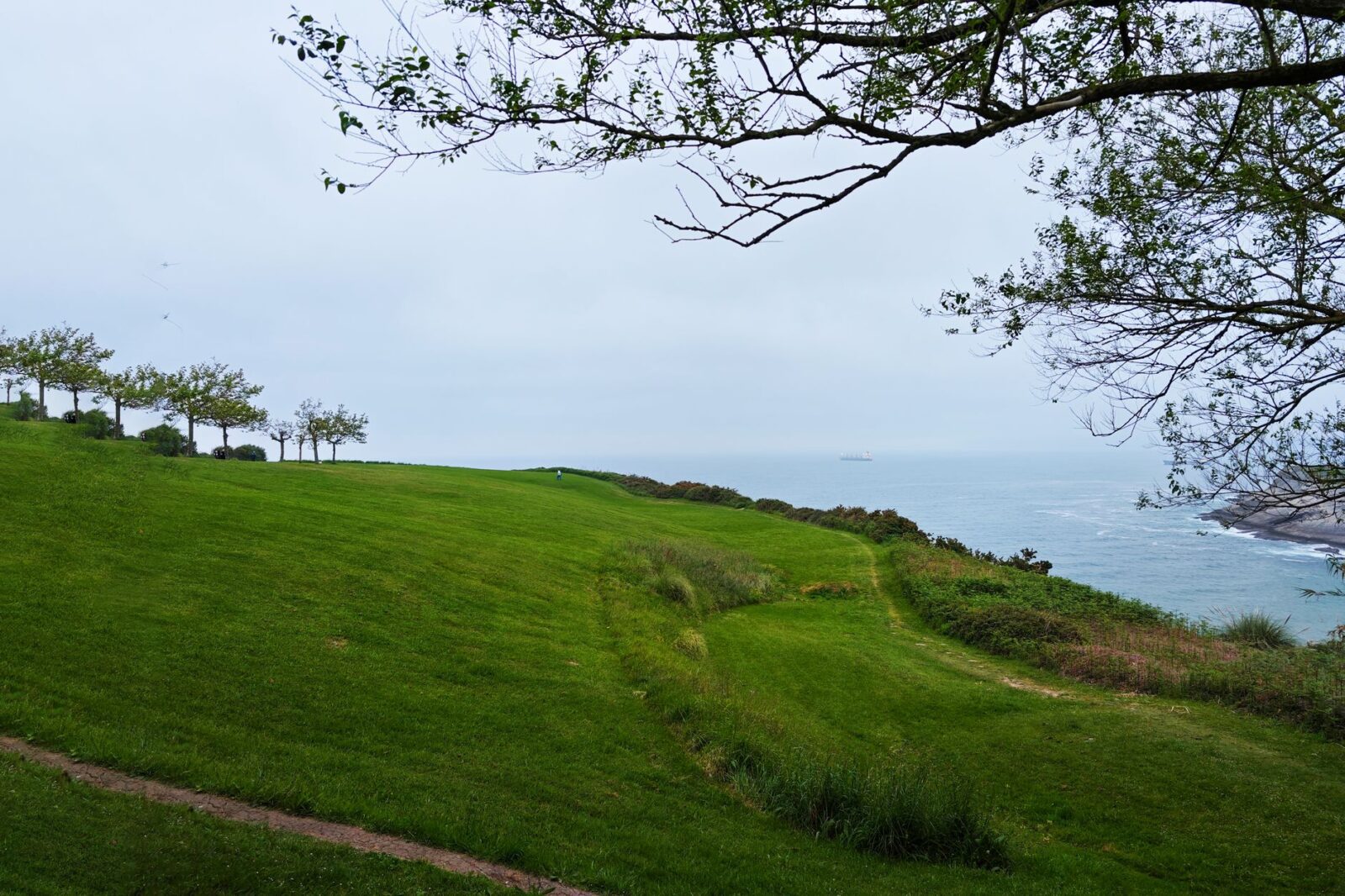
Newport’s signature activity is the Cliff Walk, a 3.5‑mile public trail that winds along the eastern shore of Aquidneck Island, offering panoramic views of the Atlantic Ocean and the backs of the famous mansions. The trail is free to access and takes roughly two to three hours to complete at a leisurely pace. Visitors are advised to wear sturdy shoes, as some sections feature rocky terrain and uneven pavement.
Sailing remains a core part of Newport’s identity. The city hosts numerous regattas throughout the year, including the classic Newport‑Bermuda Race. Several local operators offer sunset cruises on historic schooners, with tickets priced at $65 to $95 per person. For those interested in learning to sail, beginner lessons start at $120 for a two‑hour session, including equipment and instruction.
Cultural attractions include the International Tennis Hall of Fame, housed in the historic Newport Casino, and the Newport Art Museum, which showcases regional artists and rotating exhibitions. Admission fees are modest: $15 for the Tennis Hall of Fame and $12 for the Art Museum, with discounts for students and seniors. The Museum of Newport History, located in the Brick Market, provides a concise overview of the city’s maritime and colonial past for $10.
Outdoor enthusiasts can also explore Brenton Point State Park, where kite flying and picnicking are popular, or rent kayaks to paddle the harbor’s calmer waters. Bike rentals are widely available, with daily rates around $30, allowing visitors to cover more ground while enjoying the scenic ocean breeze.
Seasonal Considerations: When to Visit for Best Value
Newport’s climate follows a typical New England pattern, with warm summers, crisp falls, cold winters, and mild springs. Peak tourist season runs from late June through early September, when average highs reach 78°F (26°C) and hotel occupancy often exceeds 85%. During this period, dining reservations can fill weeks in advance, and prices for accommodations and activities are at their highest.
The shoulder seasons—late April to early June and mid‑September to mid‑October—offer a compelling alternative. Temperatures range from 55°F to 70°F (13°C to 21°C), crowds thin, and hotel rates drop by 25% to 40%. Many restaurants introduce seasonal menus featuring locally harvested seafood, such as soft‑shell clams in spring and squash‑infused dishes in autumn.
Winter visits, while quieter, provide a different charm. Holiday lights adorn the historic district, and several inns offer fireplace‑lit rooms and hot cocoa bars. Average winter highs hover around 38°F (3°C), and snowfall is occasional but not guaranteed. Travelers who enjoy solitude and lower costs can find nightly rates as low as $80 for a boutique hotel room in January.
Overall, the best value for most travelers appears in early October, when the summer crowds have departed, the foliage begins to turn, and the weather remains comfortable for walking the Cliff Walk or dining outdoors.
Practical Tips: Getting Around, Budgeting, and Local Etiquette
Newport’s compact layout makes walking the most pleasant way to explore the downtown waterfront and historic district. The city’s main arteries—Thames Street, Bellevue Avenue, and Memorial Boulevard—are lined with shops, cafés, and historic sites, all within a comfortable walking distance of each other. For longer trips, the Rhode Island Public Transit Authority (RIPTA) operates bus routes that connect Newport to Providence and nearby towns, with a one‑way fare of $2.
Bike sharing programs, such as Newport Bike, offer hourly rates of $5 and daily passes of $20, providing a fun and eco‑friendly way to cover the Cliff Walk and beach areas. Visitors who prefer to drive should note that parking in the historic center can be limited and expensive, with garage rates ranging from $2 to $4 per hour. Many hotels offer valet or self‑parking for a flat daily fee of $25 to $35.
Budgeting for a mid‑range trip: accommodation $200 per night, meals $60 per day, activities $40 per day, and local transport $10 per day yields a rough daily total of $310. Adjustments can be made by choosing guesthouses, eating at casual clam shacks, and focusing on free attractions like the Cliff Walk and public beaches.
Local etiquette emphasizes respect for private property, especially along the Cliff Walk where some sections pass behind mansion grounds. Visitors are asked to stay on the marked path, keep noise levels low, and refrain from picking flowers or disturbing wildlife. Tipping customs follow U.S. norms: 15% to 20% for restaurant service, $1 to $2 per drink at bars, and $5 to $10 per day for housekeeping in hotels.
Looking Ahead: Newport’s Evolving Travel Scene
Newport’s tourism infrastructure continues to adapt to shifting visitor preferences. Recent investments include the expansion of the Newport Convention Center, which aims to attract more business conferences and cultural festivals year‑round. The city has also launched a sustainability initiative focused on reducing single‑use plastics in restaurants and promoting electric vehicle charging stations across public parking areas.
Looking forward, experts predict a rise in “slow travel” experiences, where visitors spend longer stays exploring neighborhoods, taking cooking classes, or participating in community events. The growth of remote work has also led to an increase in extended stays, with some travelers booking monthly rentals in historic cottages to enjoy a seasonal change of scenery.
Overall, Newport’s blend of natural beauty, historic grandeur, and evolving hospitality offerings positions it as a resilient destination that can appeal to both first‑time visitors and repeat travelers. As travel patterns continue to evolve, the city’s ability to balance preservation with innovation will likely keep it a cherished jewel along New England’s coastline for years to come.
Stay informed with the latest travel news, visa updates, and destination guides. Follow HimalayanCrest.com for weekly travel intelligence delivered by our editorial team.