

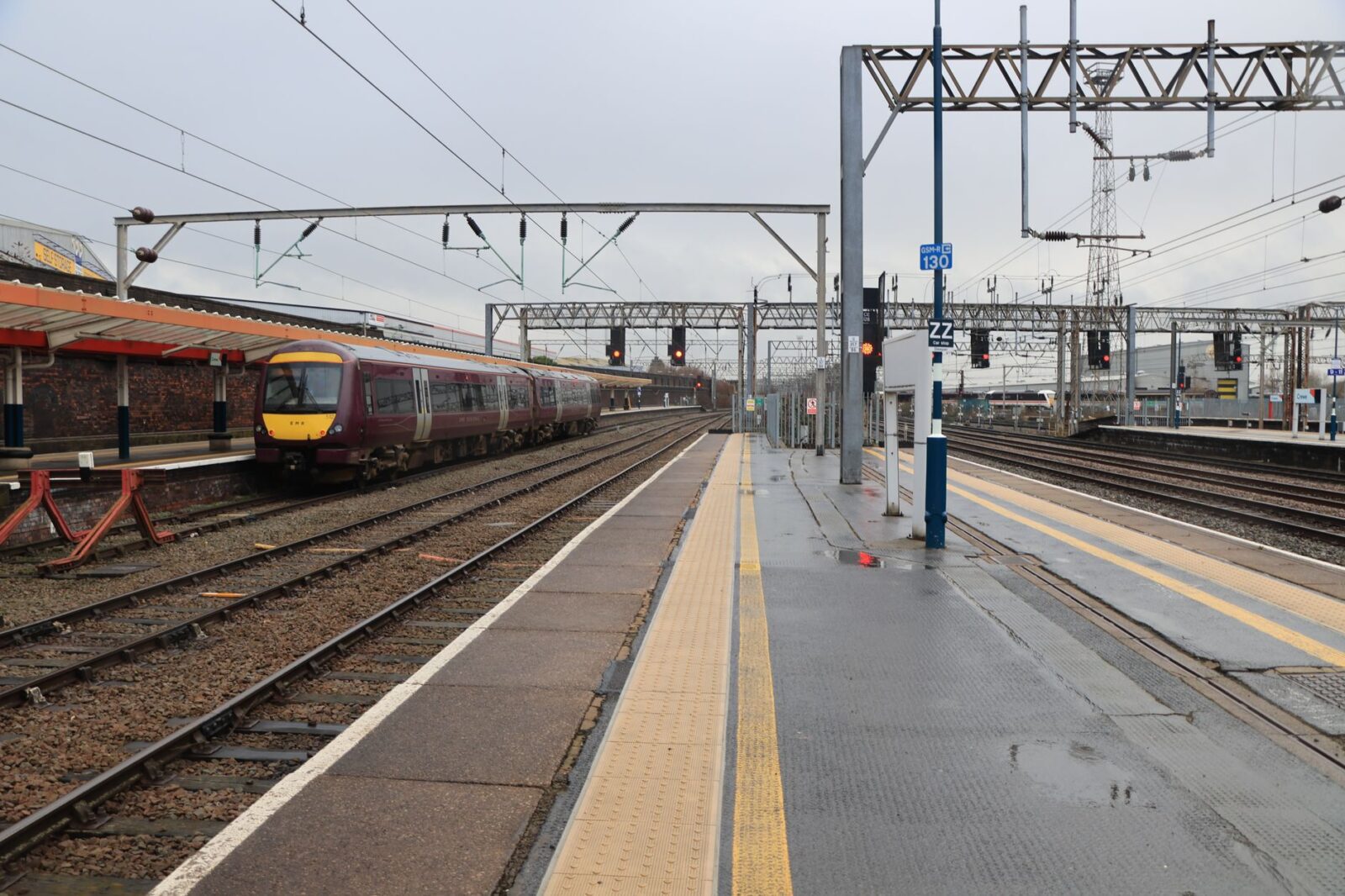
The New Rail Re‑booking Scheme: What Changes on 20 Sept 2026
Starting on Sunday, 20 September 2026, passengers in England whose train service is cancelled will be able to board another operator’s train without paying any additional fare. The measure applies to all valid tickets held before the cancellation and allows travel on a participating service that departs up to two hours before or after the originally scheduled time. This change is being introduced by the Department for Transport as part of a broader effort to put passengers first ahead of the creation of Great British Railways. The policy covers most national rail operators that have signed up to the new agreement, meaning travellers can switch between companies seamlessly.
The reform removes the need for passengers to purchase a replacement ticket or wait for operators to negotiate ticket acceptance on the spot. Previously, a cancelled service often left travellers stranded on platforms, forced to rush for alternative connections or abandon their journeys altogether. By guaranteeing free re‑booking across operators, the government aims to eliminate the financial penalty and uncertainty that have become common when trains are called off.
Why the Change Matters: Ending Passenger Limbo and Extra Costs
According to the Department for Transport, the current system frequently places the financial burden on passengers when a train is cancelled, effectively prioritising shareholder returns over user experience. The new rule directly addresses this imbalance by ensuring that no extra cost is incurred simply because a service fails to run. This shift is expected to reduce the number of missed appointments, meetings, and personal reunions that result from unexpected disruptions.
From Sunday 20 September 2026, passengers whose trains are cancelled will be able to use other services free of charge.
The reform also simplifies the passenger experience at busy stations. Instead of scrambling to find a ticket office or dealing with multiple customer service desks, travellers can simply look for the next available service operated by any participating company and board with their existing ticket. This streamlined process is designed to reduce stress and improve overall confidence in the rail network.
Who Can Benefit: Nationalities, Visa Holders, and Frequent Travellers
The scheme applies to anyone holding a valid rail ticket for a journey within England, regardless of nationality. This includes tourists, short‑term visitors, expatriates residing in the UK on work or study visas, and long‑term residents with indefinite leave to remain. Because the rule is tied to the ticket rather than the passenger’s immigration status, it offers the same protection to a visitor from India on a tourist visa as it does to a British citizen.
For digital nomads who rely on regular train travel between cities such as London, Manchester, and Edinburgh, the change means fewer unexpected expenses when a service is cancelled. Retirees who use rail for leisure trips to coastal towns or heritage sites will also benefit from the certainty that they will not need to purchase a last‑minute replacement ticket. The policy thus supports a wide range of travellers who depend on reliable rail connections for both work and personal reasons.

How to Use the Service: Step‑by‑Step Guide for Stranded Passengers
When a train is cancelled, the first step is to listen for the announcement or check the departure boards for the cancellation notice. Passengers should then retain their original ticket, whether it is a paper copy or a digital version on a mobile device. The next action is to look for any alternative service heading toward the same final destination that is operated by a different company and departs within the two‑hour window before or after the original scheduled time.
If a suitable service is found, passengers can board directly, showing their valid ticket to the conductor or scanning it at the gate if required. No additional payment or voucher is needed. In the unlikely event that no alternative service is available within the window, passengers should seek assistance from station staff, who can provide information on the next possible options or arrange for onward travel under the scheme’s provisions.
It is advisable to check the National Rail Enquiries website or the specific operator’s app for real‑time updates, as these platforms will reflect which services are participating in the free re‑booking arrangement. Keeping a screenshot of the original ticket can also help speed up the verification process if questioned by staff.
Comparing the UK Approach with Other Countries’ Rail Policies
Several jurisdictions already have provisions that allow passengers to continue their journey after a cancellation, though the details vary. In the European Union, Regulation (EC) No 1371/2007 establishes rail passenger rights that include the right to reroute or receive a refund when a service is cancelled or significantly delayed. However, the implementation often requires passengers to claim compensation after the fact rather than enabling immediate free re‑booking on another operator’s service.
Japan’s rail system, known for its high punctuality, offers delay certificates that can be used to excuse lateness at work or school, but it does not generally permit free travel on a competing operator when a service is cancelled. Instead, passengers are usually accommodated on the same company’s alternative routes. The UK’s new rule stands out by explicitly allowing cross‑operator travel at no extra cost, a feature that aims to reduce the fragmentation caused by multiple private franchises.
In Canada, VIA Rail provides a re‑booking option on the same service class when a train is cancelled, but passengers must usually pay any fare difference if they choose a different route or class. The UK model therefore offers a more passenger‑centric approach by removing fare barriers entirely, at least for journeys that can be completed within the specified time window.
Impact on Business Travellers, Digital Nomads, and Retirees
Business travellers who schedule meetings across cities often rely on tight rail timetables. A cancelled train can lead to missed conferences, delayed negotiations, and additional accommodation costs. With the ability to switch to another operator’s service without paying extra, professionals can maintain their itineraries and avoid the financial penalties associated with last‑minute ticket purchases.
Digital nomads, who may be based in a co‑working space in Birmingham but need to attend a client workshop in Leeds, gain similar flexibility. The scheme reduces the risk of unexpected expenses that could disrupt a nomadic lifestyle built around predictable travel budgets. For retirees who use rail passes for leisure tours of the Lake District or the Yorkshire Dales, the policy offers peace of mind that a sudden cancellation will not force them to abandon a day out or incur unexpected costs.
Overall, the measure enhances the reliability perception of the UK rail network, which can influence decisions about where to live, work, or invest. Improved passenger experience may make UK cities more attractive to international talent and long‑term residents.
What Investors and Citizenship‑Seekers Should Know
Investors looking at the UK’s infrastructure sector may view the new passenger‑focused policy as a sign of shifting priorities within the rail industry. The move toward greater public control, embodied in the forthcoming Great British Railways entity, signals a potential stabilization of service standards that could affect the valuation of rail‑related assets, including rolling stock operators and station management companies.
For individuals pursuing residency or citizenship through investment routes, the quality of public services—including transportation—can be a factor in assessing overall livability. A rail network that minimizes disruption and extra costs contributes to a more favorable environment for expatriates and their families. While the scheme does not directly alter visa requirements, it improves the day‑to‑day experience of those already residing in the UK under various immigration categories.
Prospective applicants should still consult the official UK Visas and Immigration website for the latest information on visa categories, investment thresholds, and residency pathways. The rail passenger improvement, however, adds a positive dimension to the broader picture of living and working in the United Kingdom.
Frequently Asked Questions
- Does the free re‑booking apply to international rail services such as Eurostar?
The scheme covers domestic English rail services operated by participating operators. International services like Eurostar are subject to their own terms and conditions, so passengers should check the specific carrier’s policy for cancellations. - What if my ticket is a season pass or a railcard discount?
Valid season passes, railcards, and other discount tickets are included as long as they are active at the time of the cancellation. The free re‑booking does not affect the discount status; you simply use the same entitlement on the alternative service. - Is there a limit on how many times I can use the free re‑booking in a day?
There is no stated limit on the number of times a passenger can exercise the right per day. Each cancelled journey triggers the entitlement to board another operator’s service without extra charge, subject to the two‑hour window rule. - Do I need to inform the original operator before switching?
No prior notification is required. As long as you hold a valid ticket for the cancelled service, you may board any participating alternative service that meets the time window criteria. - Where can I find the most up‑to‑date list of participating operators?
The Department for Transport maintains a live list on its website, and National Rail Enquiries also displays which services are covered under the scheme. Checking these sources before travel ensures you have the latest information.
Stay informed with the latest travel news, visa updates, and destination guides. Follow HimalayanCrest.com for weekly travel intelligence delivered by our editorial team.