


The Hidden Gem of Rote: Why This Remote Island Is Gaining Attention
Far from the bustling crowds of Bali, the island of Rote lies off the western tip of Timor in Indonesia’s eastern archipelago. Its location closer to Darwin than to Jakarta has kept it off the mainstream radar for decades. Australian surfers first discovered its long, clean waves roughly forty years ago, drawn by a rare combination of wind, swell, and seabed shape that creates world‑class breaks. The island’s tropical climate, white‑sand beaches, dense coconut palm fringes, and lingering sunsets add to its allure, while a steady trade wind in the dry season helps keep mosquitoes at bay. Because reaching Rote requires a multi‑leg journey, the island has remained relatively untouched, preserving its laid‑back, island‑time rhythm.
This isolation is now shifting as the first top‑end resort, Nihi Rote and Hospitality Academy, prepares to welcome guests. The property sits on Bo’a Beach, directly facing one of the most coveted surf breaks on the planet. While the resort is still completing final phases, early visitors can already experience its thoughtfully designed villas, beach club, and a pioneering hospitality training program for local Timorese youth. The opening marks a new chapter for Rote, blending high‑end comfort with deep respect for the island’s natural and cultural heritage.
From Surfer’s Secret to Luxury Retreat: The Rise of Nihi Rote
Nihi Rote is the sister property to Nihi Sumba, another luxury destination located a few hundred miles to the west. Both resorts share a philosophy of low‑impact, high‑touch hospitality that emphasizes local materials and community involvement. When the resort reaches full operation in October 2026, it will offer twenty‑one thatched villas, each equipped with a private swimming pool. The interiors feature lontar palm weaving and ikat textiles, showcasing traditional craftsmanship while providing modern comfort.
Beyond the villas, the resort will include three swimming pools, a spa, a pump track for mountain‑bike enthusiasts, and a golf simulator for those who wish to practice their swing indoors. Plans are also underway to develop and sell multimillion‑dollar residences adjacent to the main property, targeting buyers seeking a second home in a pristine surf environment. The beach club, named Nammo, sits front and center of Bo’a break, offering a poolside restaurant and watersports instructors who guide guests to the best waves depending on tide and swell.
Current operations already allow guests to stay in a subset of completed villas and to enjoy the beach club’s facilities. The resort’s soft opening has begun to attract surfers seeking solitude as well as travelers interested in cultural immersion. This phased approach lets the team refine service standards while ensuring that construction does not disrupt the surrounding ecosystem.
Inside the Villas: Design, Amenities, and the Hospitality Academy Experience
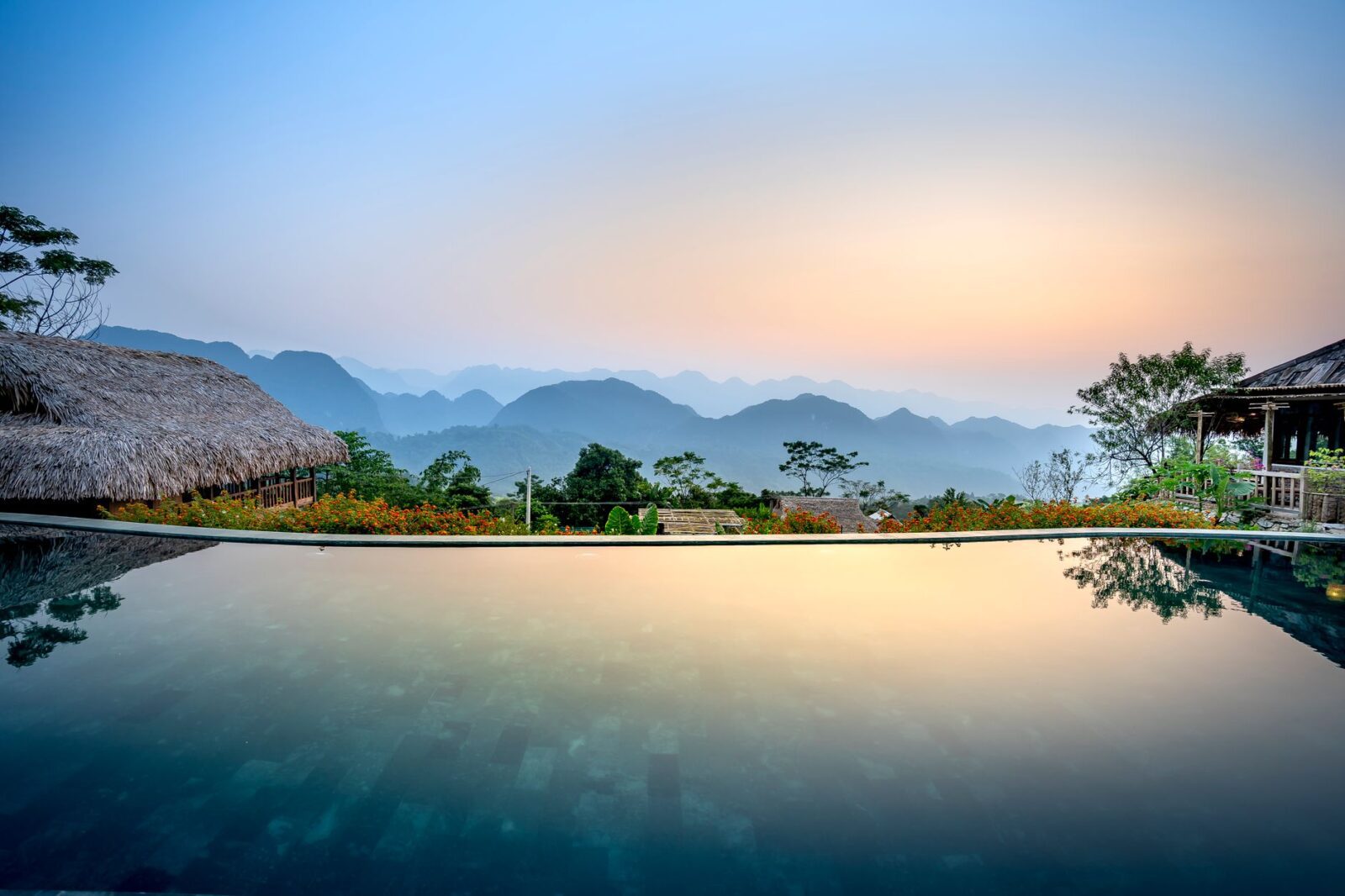
Each villa at Nihi Rote is a low‑rise, thatched structure designed to blend with the coastal landscape. The use of lontar palm for roofing and walls provides natural insulation, while ikat fabrics adorn cushions, bedspreads, and decorative panels. Private plunge pools invite guests to cool off after a morning surf session, and outdoor showers rinse away saltwater before stepping back into the villa.
The Hospitality Academy is a core component of the resort’s mission. Timorese trainees undergo a comprehensive program that covers front‑office operations, food and beverage service, housekeeping, and cultural storytelling. During evening gatherings around a fire pit, students share the origins of dishes such as coconut rice with lemongrass, rendang beef stew, and grilled fish served with sambal. They also demonstrate the sasando, a traditional string instrument made from bamboo, and discuss the challenges many face learning to swim despite growing up surrounded by ocean.
These interactions give guests a rare window into everyday life on Rote, fostering mutual respect and understanding. The academy’s curriculum emphasizes English language skills, environmental stewardship, and the preservation of local traditions, creating a pipeline of skilled workers who can contribute to the island’s growing tourism sector without eroding its identity.
Surf, Sand, and Sustainability: What Makes Rote Unique
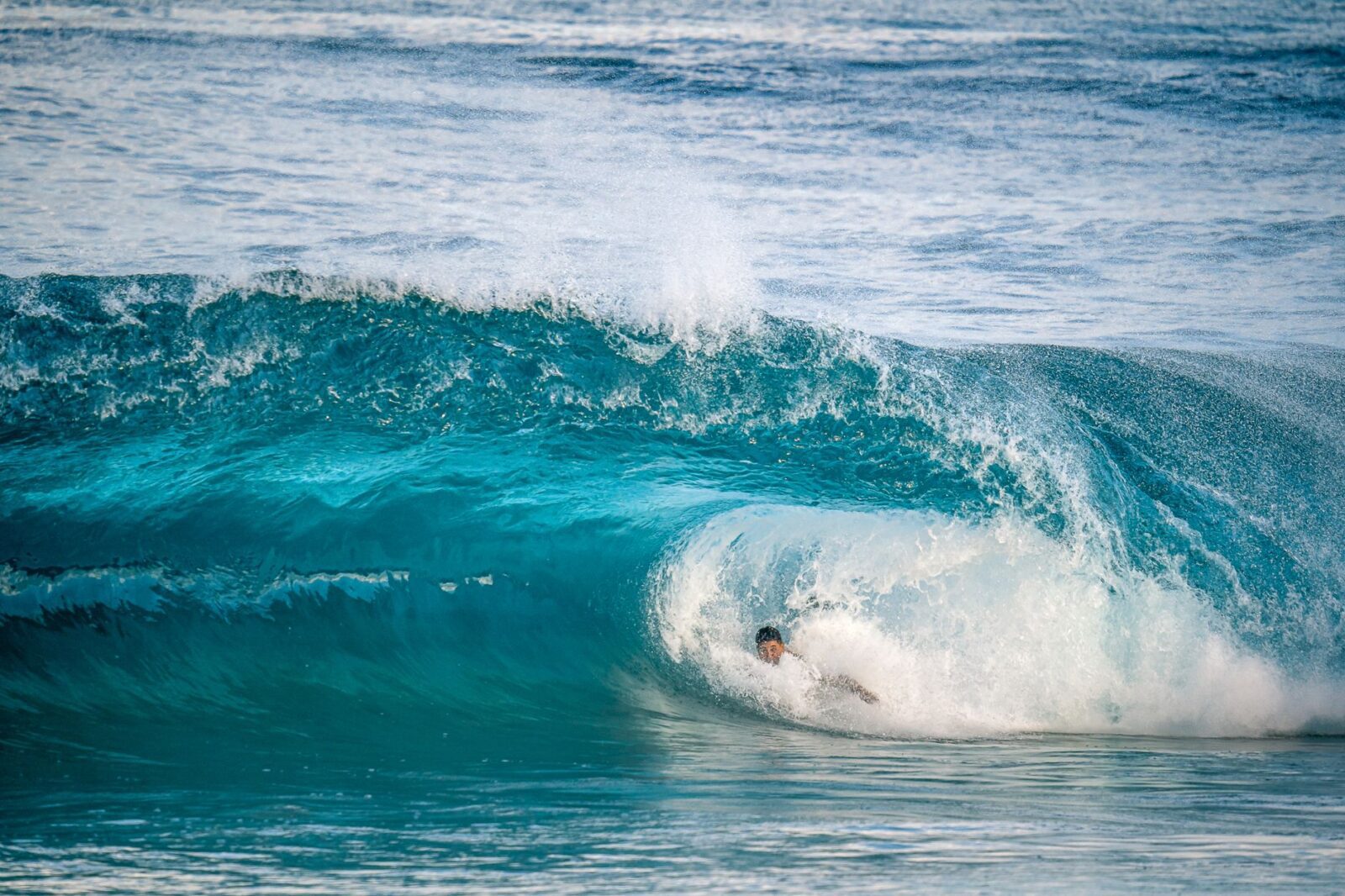
Rote’s surf reputation stems from its exposure to consistent swells generated in the Indian Ocean, which wrap around the island’s southern coastline to produce long, peeling waves. Bo’a break, the flagship spot fronting the resort, offers a mix of left and right sections that can handle varying tide conditions. The steady offshore trade wind during the months of May to October not only clears the air of insects but also creates clean wave faces, making it ideal for both intermediate and advanced surfers.
Environmental considerations are woven into the resort’s operations. Wastewater is treated on‑site before safe reuse for irrigation, and solar panels supply a portion of the electricity demand. The resort collaborates with local fisheries to source seafood responsibly, and organic gardens supply herbs and vegetables for the restaurant. By limiting vehicle traffic and encouraging bicycles or electric carts, Nihi Rote aims to keep its carbon footprint low while preserving the tranquility that draws visitors.
The island’s culture remains vibrant despite increasing tourism. Traditional ceremonies, weaving cooperatives, and marine conservation groups continue to thrive, often partnering with the resort to showcase their work. Visitors are invited to participate in beach clean‑ups, tree‑planting initiatives, and workshops on lontar palm craft, ensuring that their stay contributes positively to the community.
Planning Your Journey: How to Get There, When to Go, and What It Costs
Reaching Rote requires careful planning. The most common route involves flying into Kupang, the capital of West Timor, via Jakarta or Bali. From Kupang, travelers take a domestic flight to Ba’a, the small airport on Rote island, which operates several times a week. Alternatively, adventurous visitors can opt for a ferry from Timor Leste or a chartered boat from West Timor, though these options are less predictable and depend on weather conditions.
The best time to visit for surf is during the dry season, from May to October, when the trade wind is steady and swells are reliable. For those more interested in cultural experiences and calmer seas, the shoulder months of April and November offer pleasant temperatures with fewer crowds. Average daytime temperatures hover between twenty‑seven and thirty‑one degrees Celsius year‑round, with humidity moderated by the ocean breeze.
Costs vary depending on accommodation level and season. As of the soft opening, villa rates start at approximately three hundred fifty US dollars per night for a garden‑view unit, rising to six hundred fifty US dollars for ocean‑front villas with private pools. Meals at the Nammo beach club are priced around fifteen to twenty‑five US dollars per dish, while a full‑board package that includes breakfast, lunch, and dinner averages about ninety US dollars per person per day. Spa treatments begin at eighty US dollars for a sixty‑minute massage, and surf lessons with certified instructors are roughly fifty US dollars per hour.
Travelers should budget for additional expenses such as airport transfers, domestic flights (approximately one hundred twenty US dollars round‑trip from Kupang to Ba’a), and travel insurance that covers medical evacuation—a prudent choice given the island’s remote location. Booking directly through the resort’s website often yields the best rates and provides access to special packages that combine surf lessons, cultural tours, and wellness sessions.
Broader Trends: Luxury Travel Meets Community Empowerment in Eastern Indonesia
Nihi Rote exemplifies a growing trend in which high‑end hospitality brands invest in remote destinations while prioritizing local empowerment. Across Indonesia, similar models are emerging in places like Lombok’s southern coast, the Flores islands, and the Raja Ampat archipelago, where resorts partner with vocational training centers to provide employment opportunities for residents. This approach addresses a long‑standing criticism of luxury tourism—that it often encloses wealth within gated compounds without benefiting surrounding communities.
Data from the Indonesian Ministry of Tourism shows that foreign visitor arrivals to eastern Indonesia grew by eighteen percent in 2025, driven largely by interest in surf, diving, and cultural tourism. The sector now contributes roughly twelve percent of the region’s gross domestic product, up from nine percent five years ago. By integrating a hospitality academy into its core offering, Nihi Rote aims to ensure that a significant portion of its revenue stays within the local economy through wages, procurement of goods and services, and community development projects.
Experts note that travelers today increasingly seek experiences that combine comfort with authenticity. A 2024 survey by the Global Sustainable Tourism Council found that sixty‑two percent of respondents were willing to pay a premium for stays that demonstrated clear social and environmental benefits. Nihi Rote’s blend of luxury accommodations, world‑class surf, and a training program for Timorese youth positions it to capture this demand while setting a benchmark for responsible development in the region.
What’s Next: Future Developments and What Travelers Should Watch For
Looking ahead, Nihi Rote has outlined several phases of expansion that will unfold over the next three to five years. The resort plans to complete the remaining villas and amenities by the end of 2026, followed by the launch of the multimillion‑dollar residence program in early 2027. These residences will be offered as freehold properties, targeting affluent buyers who desire a private surf retreat with access to resort services such as the spa, beach club, and concierge.
In addition to physical growth, the resort is exploring partnerships with marine research organizations to monitor coral health around Bo’a break. Proposed initiatives include coral nursery projects, guest‑participated reef surveys, and educational programs that teach visitors about the importance of protecting marine ecosystems. Such efforts could enhance the island’s appeal to eco‑conscious travelers and potentially attract funding from international conservation grants.
From a market perspective, industry analysts predict that the luxury surf segment will continue to expand, particularly as travelers seek destinations that offer both wave quality and cultural depth. Nihi Rote’s early success may inspire other brands to consider similar investments in underexplored parts of Indonesia, such as the islands of Savu, Sumba, and the eastern reaches of the Lesser Sunda chain. For travelers, this means more options for high‑quality, low‑density surf experiences in the coming years.
FAQ: Your Questions About Nihi Rote and Hospitality Academy Answered
What is the best way to book a stay at Nihi Rote?
The most reliable method is to reserve directly through the resort’s official website. This ensures access to the latest rates, availability of villa types, and any promotional packages that include meals, surf lessons, or spa treatments. Third‑party platforms may list the property, but they sometimes show outdated inventory or miss special offers.
Do I need to be an experienced surfer to enjoy the waves at Bo’a break?
Bo’a break offers sections suitable for a range of skill levels. The inner, more sheltered part of the bay provides gentler waves ideal for beginners and longboarders, while the outer reef delivers faster, more challenging sections for shortboard riders. The resort’s watersports instructors can assess your ability and guide you to the appropriate spot based on the day’s conditions.
Is the Hospitality Academy open to visitors who wish to observe or participate?
Yes. The resort regularly invites guests to attend evening cultural gatherings where trainees perform traditional music, dance, and storytelling. Occasionally, short workshops on lontar palm weaving or sasando playing are offered to visitors who express interest. These sessions are scheduled in advance and can be arranged through the guest relations desk.
What health and safety considerations should I keep in mind when traveling to Rote?
Given the island’s remote location, travelers should bring a basic medical kit, any prescription medications, and consider purchasing travel insurance that covers medical evacuation. Dengue fever and malaria are present in the region, though the steady trade wind reduces mosquito activity; using repellent and sleeping under nets is advisable. Medical facilities on Rote are limited, so serious conditions may require evacuation to Kupang or Bali.
Are there any cultural etiquette tips I should know before visiting?
Visitors are encouraged to dress modestly when away from the beach, especially when visiting villages or attending community events. Removing shoes before entering homes is customary. When participating in or observing traditional ceremonies, it is respectful to ask permission before taking photographs and to follow the guidance of local hosts. Learning a few basic greetings in the local Bahasa Rote dialect, such as “Halo” for hello and “Terima kasih” for thank you, is appreciated by residents.
Conclusion: Embrace the Quiet, Share the Story
Nihi Rote and Hospitality Academy represent more than just a new luxury resort; they signal a shift toward tourism that values solitude, sustainability, and shared prosperity. For surfers, the promise of uncrowded waves on a pristine coastline remains the primary draw. For culture enthusiasts, the chance to engage with Timorese youth, taste authentic cuisine, and witness traditional crafts offers a depth rarely found in more developed destinations. As the resort moves toward full operation in October 2026 and beyond, it will continue to refine its balance between high‑end comfort and genuine community impact.
If you are seeking a place where the ocean’s rhythm dictates the pace of the day, where the sun sets over coconut‑fringed shores, and where your visit contributes to the growth of local talent, consider adding Rote to your travel itinerary. Share your experiences, respect the island’s tranquility, and help ensure that this hidden gem remains a source of inspiration for travelers who value both adventure and responsibility.
Stay informed with the latest travel news, visa updates, and destination guides. Follow HimalayanCrest.com for weekly travel intelligence delivered by our editorial team.