

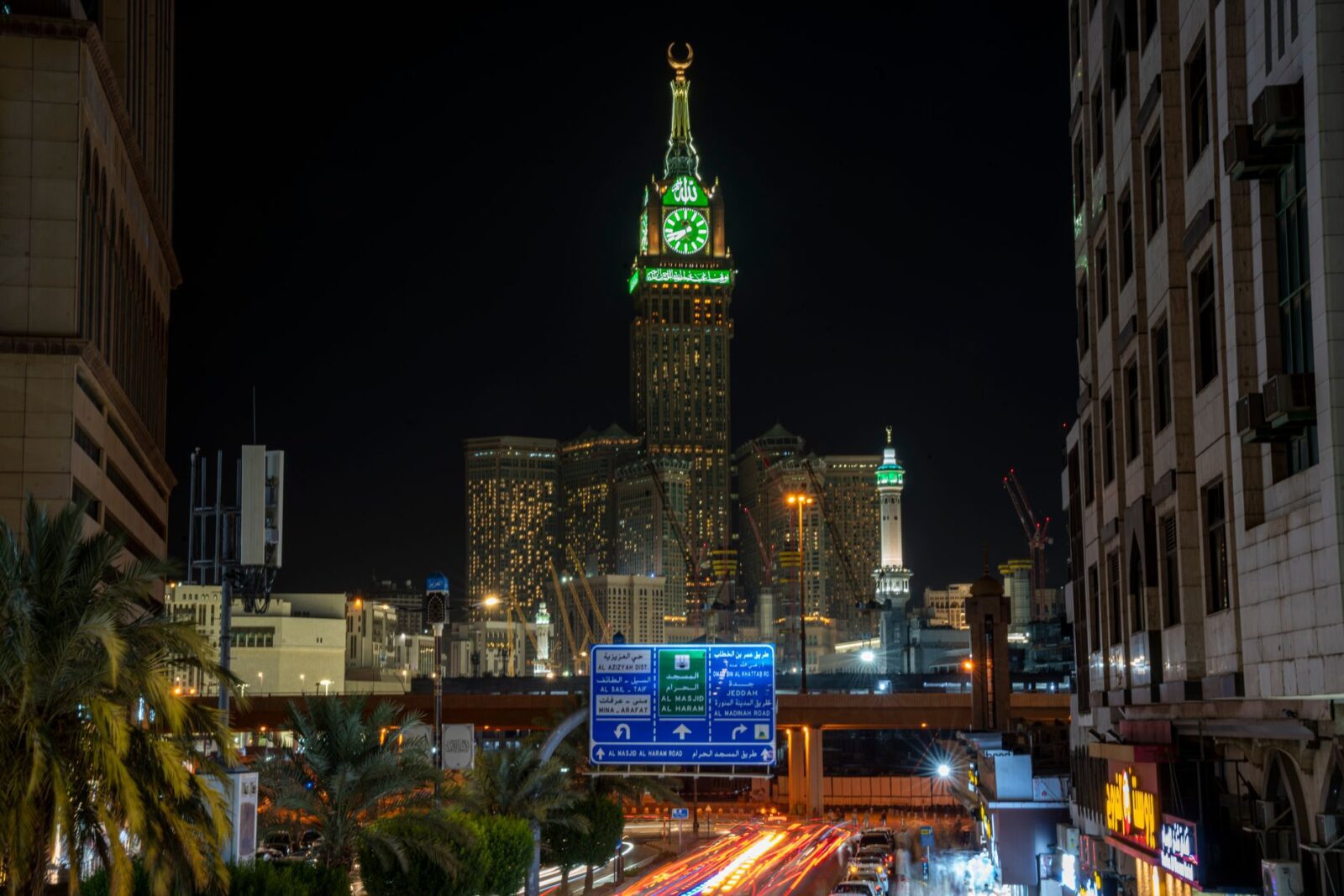
Hilton’s Luxury Saturation in Saudi Arabia
Hilton has spent years building a portfolio of luxury properties across the kingdom. Brands such as Conrad, Waldorf Astoria, Hilton, Curio Collection and DoubleTree are now so numerous that the company’s EMEA president described them as “coming out of our ears.” This reflects a deliberate strategy that filled the high‑end segment of Saudi Arabia’s hospitality market.
The luxury boom was driven by massive government investment in tourism as part of Vision 2030. New developments rose in Riyadh, Jeddah and the emerging Red Sea projects. By 2025, the upper tier of the market had reached a point where further luxury additions would yield diminishing returns.
Our research shows that the saturation point has been reached, prompting Hilton to look for the next growth avenue. The focus is now shifting toward brands that serve a broader base of travelers while still delivering consistent quality.
The Shift to Mid‑Market: Why Now?
Simon Vincent, Hilton’s president for Europe, Middle East and Africa, explained that the company sees the upper end of the market as largely established. He emphasized that the next wave of demand will come from mid‑market offerings and franchise models.
This pivot aligns with a broader industry trend where hotel chains move from flagship luxury to accessible brands once a destination’s high‑end infrastructure matures. In Saudi Arabia, the timing coincides with a post‑conflict recovery period that is reviving travel confidence.
By targeting the mid‑market, Hilton aims to capture business travelers, leisure tourists and pilgrims who seek reliable accommodation without the premium price tag of luxury properties. The move also allows the company to scale quickly through franchising, reducing capital expenditure.
Lessons from Turkey: A Proven Playbook
Hilton points to its experience in Turkey as proof that the mid‑market strategy works. The first Hilton Istanbul Bosphorus opened in 1955, and today the country hosts more than 100 Hilton‑branded hotels.
The bulk of that growth came from brands such as Hilton Garden Inn and Hampton Inn & Suites, which were placed in provincial towns and secondary cities. These properties often become the best‑in‑class lodging options in their locales.
Vincent noted that the Turkish model demonstrates how a strong luxury foundation can be leveraged to roll out mid‑scale brands efficiently. The same approach is now being replicated in Saudi Arabia, with an emphasis on secondary markets.
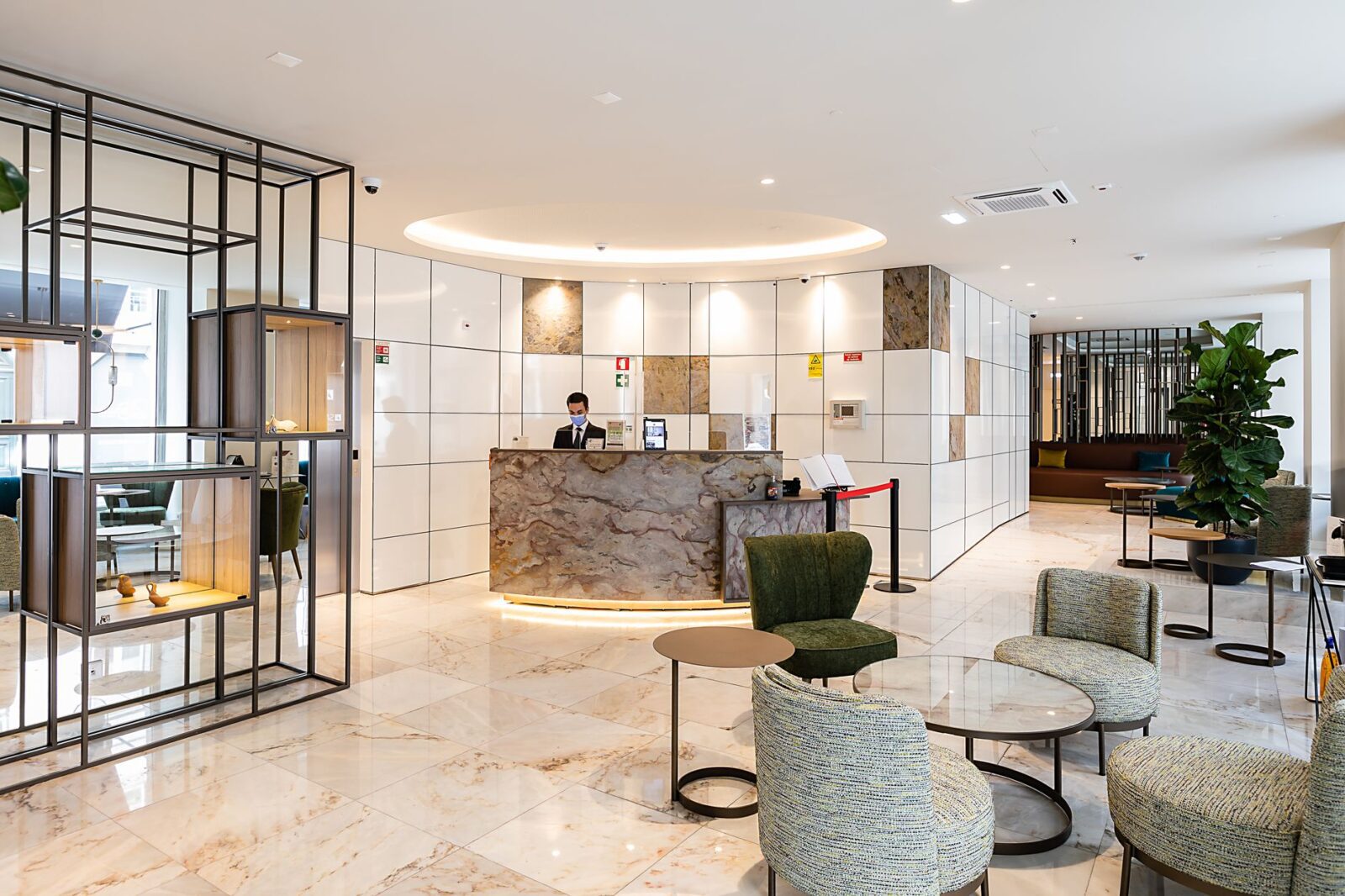
Pipeline Details: 85 New Hotels Planned
Hilton’s current pipeline for Saudi Arabia includes 85 hotels under development. This figure represents more than half of the company’s total Middle East expansion plan.
The majority of these upcoming properties are slated to be mid‑market brands, including Hilton Garden Inn, Hampton Inn & Suites and potentially the newly launched Tru by Hilton. Franchise agreements will dominate the rollout, allowing local partners to invest while Hilton provides brand standards and operational support.
In contrast, the United Arab Emirates remains Hilton’s largest operating market in the region, with 36 hotels currently trading and a further 13 in development. Saudi Arabia’s pipeline therefore signals a strategic shift of focus toward the kingdom.
Impact of Regional Conflict and Recovery
Recent geopolitical tensions, particularly the Iran‑related conflict, caused a notable downturn in Middle East hospitality revenues. Reports indicate that Hilton’s regional revenue fell by approximately 30% during the height of the disruption.
Despite the setback, the company observed a rapid rebound as hostilities eased. The post‑war recovery has renewed interest in travel to Saudi Arabia, especially for religious tourism, business conferences and leisure visits to new entertainment destinations.
Hilton’s aggressive expansion plan is being launched amid this resurgence, betting that the pent‑up demand will translate into steady occupancy for its mid‑market properties.

What This Means for Travelers: Price Points and Options
For travelers, the shift toward mid‑market brands translates into more predictable pricing and a wider geographic spread of options. A typical Hilton Garden Inn room in a secondary Saudi city currently averages between $80 and $120 per night, compared with $250+ for a Conrad or Waldorf Astoria in Riyadh or Jeddah.
Travelers can expect consistent amenities such as complimentary breakfast, fitness centers and reliable Wi‑Fi across these brands. The franchise model also means that many new hotels will be locally managed, potentially offering a stronger sense of place.
Budget‑conscious visitors planning Umrah, business trips or leisure tours to sites like Al‑Ula or the Red Sea coast will find more accessible lodging choices without sacrificing the assurance of a global brand.
Expert Outlook: Future Trends in Middle East Hospitality
Industry analysts anticipate that the mid‑market focus will stimulate secondary‑city development, encouraging investment in infrastructure such as transport links and leisure facilities. This could disperse tourism benefits beyond the traditional gateways of Riyadh and Jeddah.
Furthermore, the emphasis on franchising may accelerate the entry of local entrepreneurs into the hospitality sector, fostering job creation and skill development. As the market matures, Hilton may eventually reintroduce luxury brands in niche locations, but the near‑term priority remains scale and accessibility.
Looking ahead to 2027 and beyond, the success of this strategy will likely be measured by occupancy rates in the mid‑segment, average daily revenue per available room (RevPAR) growth and guest satisfaction scores across the new properties.
Frequently Asked Questions
What mid‑market brands is Hilton prioritizing for Saudi Arabia?
Hilton is emphasizing Hilton Garden Inn, Hampton Inn & Suites and the Tru by Hilton brand for its Saudi pipeline. These brands offer standardized quality at price points attractive to both business and leisure travelers.
How many hotels does Hilton currently operate in the United Arab Emirates?
According to the latest data, Hilton has 36 hotels trading in the UAE, with an additional 13 properties under development. The UAE remains the company’s largest operating market in the Middle East.
What impact did the recent regional conflict have on Hilton’s Middle East revenue?
Hilton’s regional revenue declined by roughly 30% during the peak of the Iran‑related wartime disruption. The downturn reflected reduced travel demand across the Gulf.
Are the new Saudi hotels going to be managed or franchised?
The majority of the 85 planned hotels will operate under franchise agreements. This model allows local investors to develop and manage the properties while Hilton provides brand standards, reservation systems and quality oversight.
Will luxury Hilton brands continue to expand in Saudi Arabia?
While the luxury segment is considered largely established, Hilton may still pursue selective luxury projects in high‑visibility areas. However, the immediate strategic focus is on scaling mid‑market offerings to capture broader market demand.
Stay informed with the latest travel news, visa updates, and destination guides. Follow HimalayanCrest.com for weekly travel intelligence delivered by our editorial team.