

Introduction: Why Miami’s Hotel Scene Matters in 2026
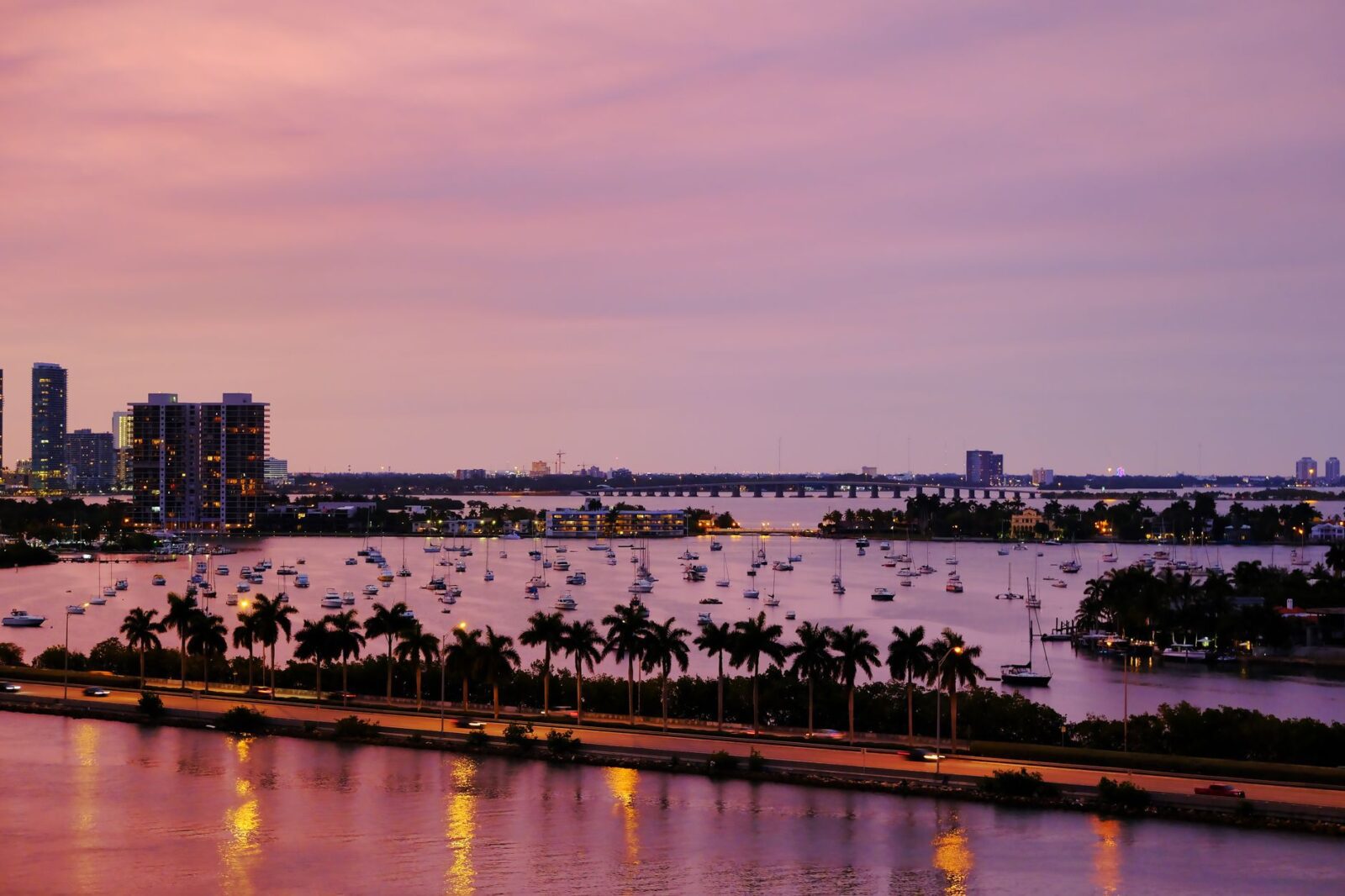
Miami continues to redefine itself as a global destination where culture, design, and beach life intersect. In 2026 the city’s hotel inventory offers a broader spectrum than ever before, ranging from historic Art Deco renovations to ultra‑modern towers that overlook Biscayne Bay. This diversity means travelers can find a property that matches their interests, whether they seek nightlife, family‑friendly amenities, or a quiet retreat.
The evolution of Miami’s lodging reflects broader shifts in global travel, where guests prioritize experiential stays, sustainability, and local authenticity. Hoteliers have responded by integrating art installations, farm‑to‑table dining, and wellness programs into their properties. As a result, the average length of stay in Miami has risen, and repeat visitation rates have increased among both domestic and international travelers.
For anyone planning a trip in 2026, understanding the current hotel landscape helps allocate budget effectively and choose a base that enhances the overall experience. The following sections break down the top options by neighborhood, price point, and traveler type, drawing on the latest openings, renovations, and guest feedback.
The Evolution: From Art Deco to High‑Design Sanctuaries
Miami’s hotel story began with the pastel‑colored Art Deco buildings that line Ocean Drive, many of which have been meticulously restored while preserving their original façades. Today, these historic structures often house boutique hotels that blend vintage charm with contemporary comforts, such as upgraded bedding, smart‑room technology, and rooftop lounges.
Beyond the iconic strip, a new wave of design‑focused properties has emerged in neighborhoods like Wynwood and the Design District. These hotels commission local artists to create site‑specific murals, sculptures, and interactive installations, turning lobbies and corridors into galleries. Guests frequently cite the immersive art experience as a deciding factor when booking.
Sustainability has also become a key differentiator. Several hotels have achieved LEED certification, implemented water‑saving fixtures, and sourced food from regional farms. Industry analysts note that eco‑conscious travelers are willing to pay a premium of roughly 10‑15% for properties that demonstrate verifiable green practices.
Beachfront Luxury: Key Biscayne and Surfside Picks
Key Biscayne remains a haven for those seeking spacious beaches and a more relaxed pace. The area’s flagship resorts offer direct access to calm waters, expansive pools, and private cabanas. Recent renovations have added wellness centers, kids’ clubs, and curated dining concepts that highlight Latin‑American flavors.
Just north, Surfside has seen a surge of boutique openings that cater to couples and small groups. Properties here emphasize intimacy, with fewer rooms, personalized concierge service, and direct beach access via private pathways. Nightly rates in Surfside typically start around $280 for a standard room and can exceed $600 for suites with ocean views.
According to STR data, the average daily rate for luxury beachfront hotels in Miami‑Dade County reached $342 in the first quarter of 2026, reflecting steady demand from both leisure and business travelers.
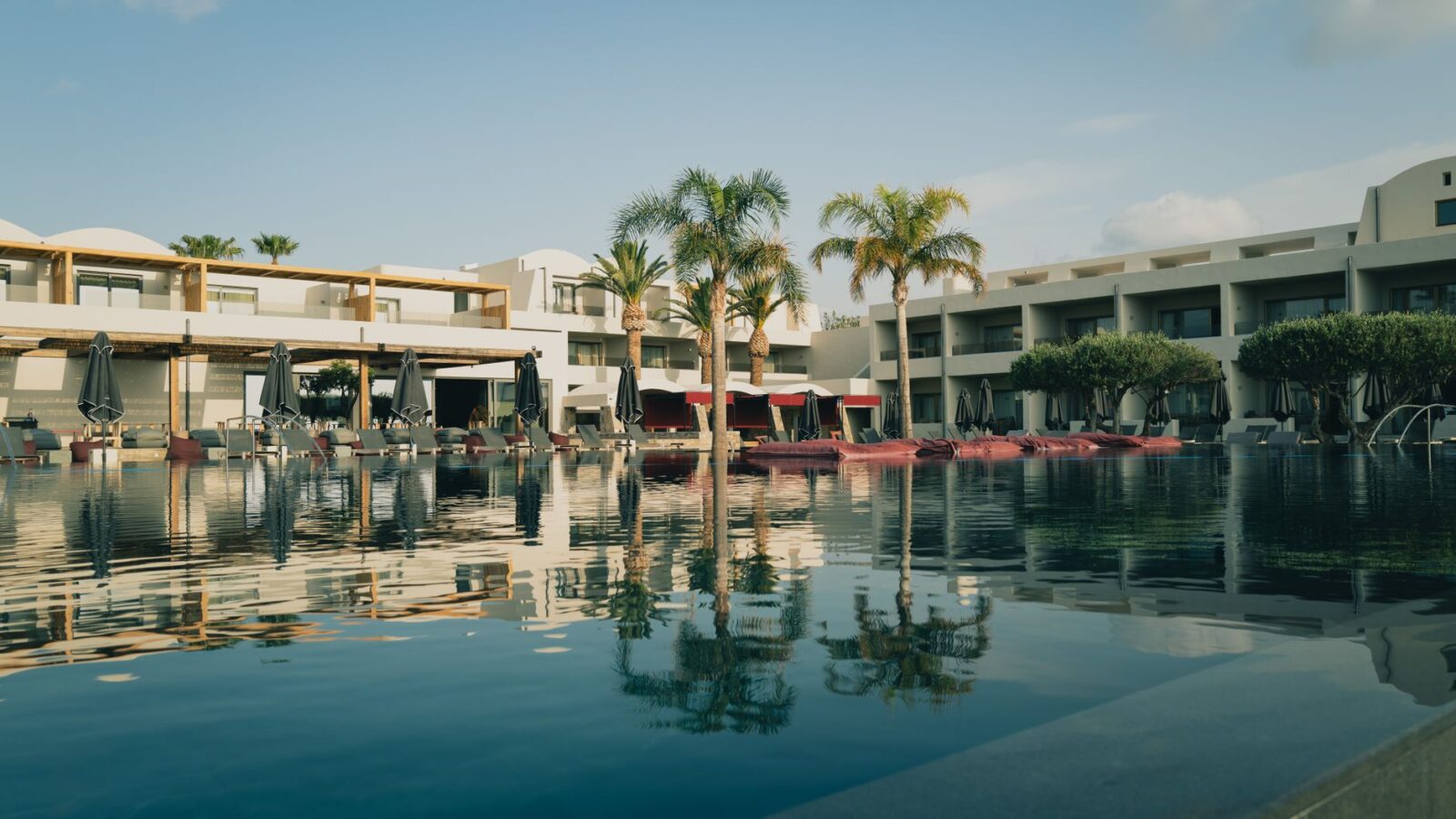
The Four Seasons Hotel at The Surf Club exemplifies this blend of historic grandeur and modern luxury. After a meticulous restoration of the 1930s Surf Club building, the hotel now features a spa, multiple dining venues, and a beachfront pool complex that welcomes both adults and children. Guests frequently praise the seamless service and the sense of stepping into a bygone era of glamour.
Urban Chic: Brickell and Downtown Hotels
Brickell, often described as Miami’s financial district, has transformed into a lifestyle hub where skyscrapers house hotels, restaurants, and cultural venues. The area’s high‑rise properties offer panoramic views of Biscayne Bay, state‑of‑the‑art fitness centers, and easy access to the Metromover. Business travelers appreciate the proximity to major corporate offices and conference centers.
Downtown Miami, meanwhile, has seen a resurgence of interest thanks to riverfront developments and the revitalization of the Arts & Entertainment District. Hotels here often occupy repurposed warehouses or historic buildings, providing industrial‑chic aesthetics combined with modern amenities. Many offer complimentary bicycles for exploring the nearby Museum Park and Pérez Art Museum Miami.
For travelers who value convenience, staying in Brickell or Downtown reduces transit time to both Miami International Airport and the Port of Miami, making it ideal for cruise embarkations or quick business trips. Average nightly rates in these districts range from $180 for a standard king room to $350 for a premium suite with bay views.
Trendy Districts: Wynwood and Design District Boutiques
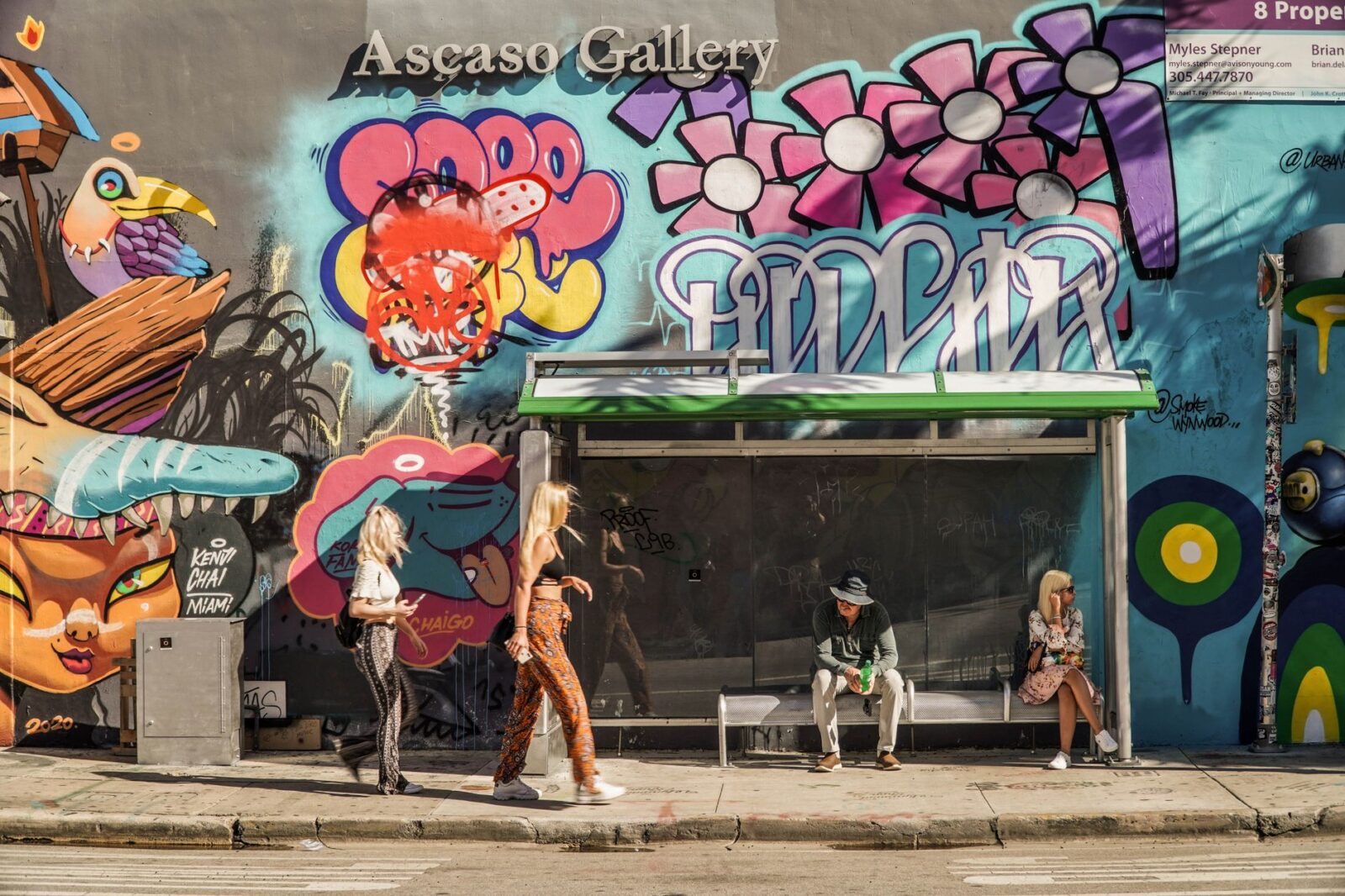
Wynwood’s reputation as an open‑air canvas continues to draw creative travelers. Hotels in this neighborhood frequently feature rotating exhibitions, artist‑in‑residence programs, and walls that serve as ever‑changing backdrops for social media photos. The vibe is youthful, energetic, and deeply connected to the local street‑art scene.
The Design District, just a short walk away, offers a more refined take on creativity. Here, hotels partner with luxury fashion houses and interior designers to curate spaces that feel like upscale showrooms. Guests can expect bespoke furnishings, curated mini‑bars, and access to exclusive shopping pre‑views.
Both areas benefit from a walkable layout, with galleries, cafés, and boutique shops within a few blocks. This reduces the need for rental cars and encourages exploration on foot or via the city’s growing network of electric scooters. Nightly rates in Wynwood typically start at $150, while Design District properties often begin around $220 due to their upscale positioning.
Family‑Friendly and Budget Options
Travelers with children will find a range of hotels that prioritize space, safety, and kid‑centric programming. Loews Miami Beach Hotel, for example, offers a dedicated kids’ club, shallow‑pool areas, and suites with connecting rooms. Properties in Miami Beach’s mid‑section often provide complimentary beach gear, such as umbrellas and chairs, simplifying a day on the sand.
Budget‑conscious visitors are not left behind. Numerous well‑rated hotels and hostels offer clean, comfortable rooms for under $120 per night, especially during the shoulder seasons of late spring and early fall. Many of these properties are located a short walk or quick rideshare away from major attractions, allowing guests to save on transportation costs.
Tip: Booking a refundable rate and monitoring price drops through hotel apps can yield savings of 15‑25% compared to the initial published rate. Flexibility with travel dates, particularly avoiding major holidays like Spring Break and Thanksgiving, often results in the best value.
Practical Tips: Booking, Timing, and Cost Trends
When planning a Miami trip in 2026, consider the city’s seasonal patterns. The high season runs from December through April, coinciding with pleasant weather and numerous cultural events. During this period, occupancy rates regularly exceed 80%, and prices peak. The low season, from May to November, brings higher humidity and the chance of afternoon thunderstorms, but also significantly lower rates and fewer crowds.
Travelers should also keep an eye on major conventions and sports events, which can cause sudden spikes in demand. The Miami Open tennis tournament, Art Basel Miami Beach, and various boat shows attract thousands of visitors, often filling hotels weeks in advance. Setting price alerts on booking platforms helps capture rates before they rise.
For those interested in sustainability, look for certifications such as LEED, Green Key, or Florida Green Lodging Program. Many hotels now publish detailed environmental reports on their websites, allowing guests to verify claims about energy use, waste reduction, and community engagement.
Frequently Asked Questions
- What is the average cost of a hotel night in Miami in 2026?
Average nightly rates vary widely by district and hotel tier. In luxury beachfront properties, expect to pay between $300 and $550 per night. Mid‑range hotels in Miami Beach, Brickell, or Downtown typically range from $180 to $280. Budget options, including well‑rated hostels and select limited‑service hotels, can be found for $90 to $130 per night, especially when booked in advance or during the low season.
- Which neighborhoods are best for first‑time visitors?
First‑time travelers often enjoy staying in South Beach for its iconic Art Deco architecture, vibrant nightlife, and easy beach access. Areas like Mid‑Beach and Surfside offer a slightly quieter atmosphere while still being within a short walk or rideshare of the main attractions. For those interested in culture and design, Wynwood and the Design District provide immersive art experiences and trendy dining options.
- Are there any new hotel openings worth noting in 2026?
Yes, several notable openings have reshaped the market. The Delano Miami Beach reopened after a six‑year closure and a $100 million renovation, restoring its legendary Rose Bar and introducing spacious Poolside Bungalows. Additionally, a new luxury tower in Brickell opened with a rooftop infinity pool and a curated art program featuring works by Latin‑American contemporary artists. In Wynwood, a boutique hotel launched with an artist‑in‑residence program that changes its lobby mural every quarter.
- How far in advance should I book to secure the best rates?
For travel during the high season (December–April), booking three to four months ahead generally yields the best selection and competitive rates. For low‑season travel (May–November), booking one to two months in advance is often sufficient, though last‑minute deals can appear if occupancy remains low. Monitoring price trends and using flexible date searches can uncover additional savings.
- What amenities should I look for if traveling with kids?
Family‑friendly hotels typically offer kids’ clubs, shallow‑pool areas, babysitting services, and rooms with connecting doors or sofa beds. Properties that provide complimentary beach gear, such as umbrellas and chairs, simplify a day on the sand. Dining options with children’s menus and early dinner times also add convenience for parents traveling with younger children.
Conclusion: Crafting Your Ideal Miami Stay
Miami’s hotel landscape in 2026 offers something for every type of traveler, from the ultra‑luxurious beachfront resort to the bold, art‑filled boutique tucked into Wynwood’s colorful streets. By matching your priorities — whether they are beach access, cultural immersion, convenience, or budget — with the strengths of each neighborhood, you can create a stay that feels both personal and memorable.
As the city continues to innovate with sustainable practices, immersive art, and wellness‑focused programming, the value of a Miami night extends beyond a simple place to sleep. It becomes part of the journey itself, inviting guests to explore, relax, and return with stories that linger long after the checkout.
We encourage you to share your own Miami hotel experiences in the comments below and let fellow travelers know which properties surprised you. Your insights help keep this guide current and useful for everyone planning a trip to this dynamic coastal city.
Stay informed with the latest travel news, visa updates, and destination guides. Follow HimalayanCrest.com for weekly travel intelligence delivered by our editorial team.