

Honduras Independence Day 2026: A Milestone Celebration
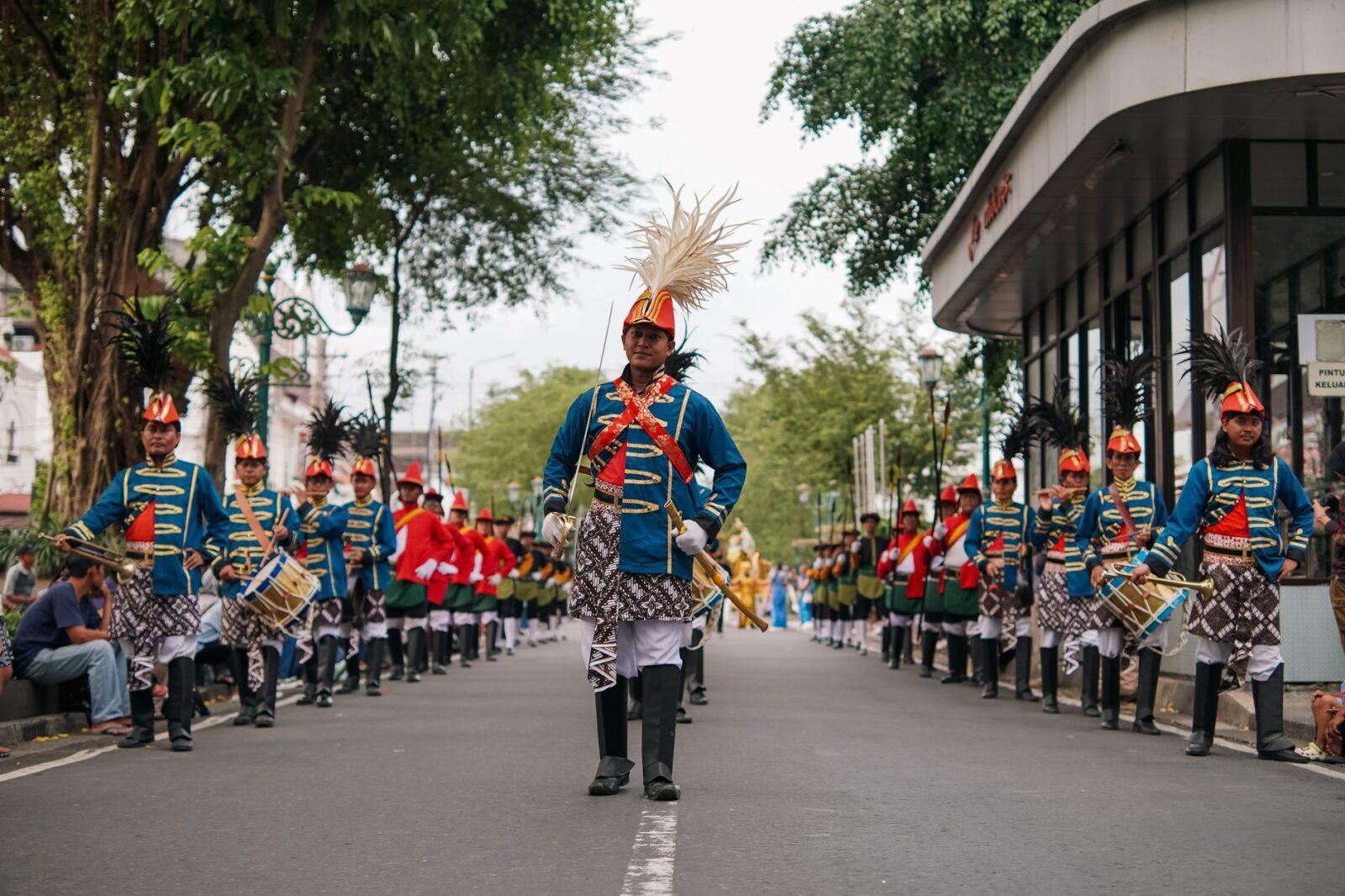
On 15 September 2026 Honduras will observe its 205th anniversary of independence from Spain, a date that also marks the shared Independence Day of Guatemala, El Salvador, Nicaragua and Costa Rica. The festivities are expected to fill streets with marching bands, traditional dance troupes and the iconic palillonas who twirl batons in synchronized routines. According to the civic calendar published by RedHonduras, the day will also feature the National Ticuco Festival, a cultural showcase that highlights gastronomy, handicrafts and folk music from the country’s diverse regions.
The celebration comes at a time of heightened political attention. Nasry Asfura, declared winner of the 2025 presidential election, took office on 27 January 2026 after a review of roughly 14.5% of electoral tally sheets that showed inconsistencies. Despite allegations of fraud from opposition candidates, the inauguration proceeded and the administration has since emphasized economic recovery and infrastructural projects. This context shapes how international visitors perceive the country during the holiday period.
“Roughly 14.5% of the electoral tally sheets contained inconsistencies and required a review.”
The Royal Message: What King Charles III’s Greeting Signals for Bilateral Ties
On 17 September 2026, two days after the Independence Day festivities, King Charles III sent a formal message to President Asfura and the people of Honduras. The note, issued from the British Embassy in Guatemala City (which also covers Honduran affairs), highlighted the “enduring friendship” between the United Kingdom and Honduras and expressed hope for continued cooperation on climate change and natural‑world preservation. Such diplomatic gestures often precede discussions on facilitation measures such as visa‑on‑arrival pilots or streamlined residency permits for citizens of friendly nations.
The King’s emphasis on environmental collaboration aligns with Honduras’s own national strategy to protect the Mesoamerican Barrier Reef and the Río Plátano Biosphere Reserve. For travelers interested in eco‑tourism or research visas, the message may indicate a willingness to simplify procedures for short‑term scientific visits. While no new visa rule was announced alongside the message, the tone suggests that bilateral talks could yield practical benefits in the coming months.
Current Visa Landscape for Honduras: What Travelers Need to Know
As of September 2026, Honduras maintains a relatively open visa policy for tourism. Citizens of the United States, Canada, the United Kingdom, all European Union member states, Japan, South Korea and most Latin American countries may enter without a visa for stays of up to 90 days. This visa‑free privilege applies to tourism, business visits and short‑term family visits, provided the traveler holds a passport valid for at least six months beyond the intended departure date.
For nationals not covered by the visa‑free list, a tourist visa must be obtained in advance from a Honduran consulate or embassy. The application typically requires a completed form, a passport‑size photograph, proof of onward travel, and evidence of sufficient funds (often quoted as USD 50 per day). Processing times vary but generally range from five to ten business days. Fees, when applicable, are published on the official Directorate General of Immigration website and differ by nationality.
Importantly, the visa‑free allowance does not grant the right to work. Travelers seeking employment, long‑term study or investment must apply for the appropriate residency permit before engaging in those activities. Overstaying the permitted period can result in fines, deportation, or a ban on future entry, so careful planning is essential.
How Independence Day Festivities May Affect Entry and Stay
During major national holidays, Honduran immigration offices often experience higher volumes of both arriving and departing travelers. In previous years, the Independence Day period has seen temporary extensions of visa‑free stays for tourists already in the country, allowing them to join the celebrations without fear of overstay penalties. While no official announcement has been made for 2026, seasoned travelers recommend checking the latest notices on the immigration portal a few days before travel.
Additionally, land border crossings with Guatemala, El Salvador and Nicaragua can become congested as regional tourists converge on Honduras for the parades. Travelers planning to enter by bus or car should consider arriving early in the morning or using alternative crossing points to avoid delays. Airports such as Toncontín in Tegucigalpa and Ramón Villeda Morales in San Pedro Sula typically maintain regular flight schedules, but extra security checks may be implemented around the holiday.
Impact on Different Traveler Categories: Tourists, Digital Nomads, Investors, Retirees
Tourists benefit most from the existing visa‑free regime, especially those from North America and Europe who can enjoy the parades, visit the Copán ruins, or relax on the Bay Islands without prior paperwork. The festive atmosphere often leads to higher demand for accommodations, so booking hotels or hostels at least two weeks in advance is advisable.
Digital nomads who wish to stay longer than 90 days must pursue a temporary residency permit, which can be based on proof of remote income or a contract with a foreign employer. Honduras does not yet offer a dedicated “digital nomad visa,” but the general residency categories (such as the rentista or pensionado programs) can accommodate remote workers if they meet the financial thresholds.
Investors interested in real estate, tourism ventures or renewable energy projects may apply for an investor residency permit. This pathway usually requires a minimum investment amount (often cited as USD 50,000 in approved sectors) and a clean criminal record. The Independence Day celebrations can serve as a networking opportunity, with many business forums and trade fairs scheduled alongside the parades.
Retirees frequently opt for the pensionado program, which grants residency to individuals receiving a guaranteed monthly pension of at least USD 1,000. The program also offers import tax exemptions for household goods. The holiday period does not alter eligibility criteria, but the increased presence of consular staff in major cities can make appointment scheduling easier during the weeks surrounding September 15.
Practical Steps: Checking Entry Requirements Before You Go
First, verify your nationality’s visa status on the official Honduran Directorate General of Immigration website (https://www.migration.hn). The site provides a searchable list of visa‑exempt countries and details any recent policy updates.
Second, ensure your passport meets the validity requirement: at least six months remaining from your planned date of departure from Honduras. If your passport is nearing expiration, renew it well before booking travel.
Third, gather supporting documents that may be requested at the port of entry, even if you are visa‑free. These include a return or onward ticket, proof of accommodation (hotel reservation or invitation letter), and evidence of sufficient funds (bank statement or credit card limit). Having these ready can speed up the immigration interview.
Fourth, if you intend to stay beyond the tourist limit or engage in work, study, or investment, contact the nearest Honduran consulate to start the appropriate residency application. Begin this process at least four to six weeks before your intended travel date to allow for processing.
Finally, monitor any holiday‑specific advisories released a few days before September 15. The immigration authority sometimes issues short‑term notices about extended stays or special service hours at border posts.
Comparing Honduras’ Approach with Neighboring Central American Nations
Honduras shares its Independence Day with four other Central American states, yet each country manages visa policy differently for foreign visitors. Guatemala, for example, offers visa‑free entry for up to 90 days to a similar list of nationalities but also runs a “Guatemala Visa Waiver Program” that allows certain citizens to obtain an electronic travel authorization online.
El Salvador recently introduced a tourist card system for visitors from select countries, requiring a small fee payable upon arrival. Nicaragua maintains a more restrictive stance, mandating visas for many nationalities that enjoy visa‑free access to Honduras. Costa Rica, while also visa‑free for many, enforces a stricter proof‑of‑funds requirement and often asks for a detailed itinerary.
These variations mean that travelers planning a multi‑country Central American itinerary should verify the entry rules for each stop. The shared Independence Day creates a convenient window for regional tourism, but the administrative landscape remains patchwork, making advance research essential.
Looking Ahead: Potential Visa Developments Post‑Celebration
The diplomatic tone set by King Charles III’s message, combined with Honduras’s focus on climate cooperation, could open discussions about mobility agreements that facilitate short‑term research visas for scientists studying biodiversity. Similarly, the United Kingdom’s ongoing review of its post‑Brexit visa regime might explore reciprocal arrangements with Honduras that benefit business travelers and students.
Domestically, the administration has signaled interest in expanding the pensionado and investor programs to attract long‑term foreign residents who contribute to local economies. Any changes to these programs would likely be announced through official gazettes and reflected on the immigration website well before they take effect.
For now, the most reliable advice for anyone considering a trip to Honduras around Independence Day 2026 is to rely on the current, clearly published rules, prepare the necessary documentation, and stay alert for any holiday‑specific notices issued a few days before September 15.
Frequently Asked Questions
Do I need a visa to visit Honduras for the Independence Day celebrations if I am a U.S. citizen?
No. U.S. citizens enjoy visa‑free entry for tourism stays of up to 90 days. As long as your passport is valid for at least six months beyond your planned departure date, you can travel to Honduras for the parades and festivities without obtaining a visa in advance.
Can I extend my stay beyond 90 days if I am already in Honduras during the holiday period?
Extensions are possible but must be requested through the Directorate General of Immigration before your authorized period expires. During major holidays, the office sometimes announces temporary flexibility, but you should not assume an automatic extension. Submit an extension application with justification (such as medical treatment or unforeseen travel disruption) and be prepared to provide supporting evidence.
What documents should I carry at the border even if I am visa‑free?
Even visa‑free travelers should have a return or onward ticket, proof of accommodation (hotel booking or invitation letter), and evidence of sufficient funds (generally interpreted as USD 50 per day of stay). Immigration officers may ask to see these items to verify that you intend to leave the country within the allowed timeframe.
Are there any special visa‑on‑arrival options for investors attending business forums during Independence Day?
Honduras does not currently offer a visa‑on‑arrival specifically for investors. Investor residency must be arranged in advance through a consulate, requiring proof of the intended investment amount and a clean criminal record. Business visitors attending short‑term conferences can usually enter under the standard tourist visa‑free rule, provided they do not engage in paid work.
How does Honduras’ visa policy compare to that of its Central American neighbors for European travelers?
For citizens of the European Union, Honduras, Guatemala, El Salvador and Costa Rica all allow visa‑free stays of up to 90 days. Nicaragua, however, requires a visa for most EU nationals. The main differences lie in ancillary requirements: Honduras and Guatemala ask for proof of onward travel, while Costa Rica often requests a detailed itinerary and higher proof‑of‑funds thresholds.
Stay informed with the latest travel news, visa updates, and destination guides. Follow HimalayanCrest.com for weekly travel intelligence delivered by our editorial team.