

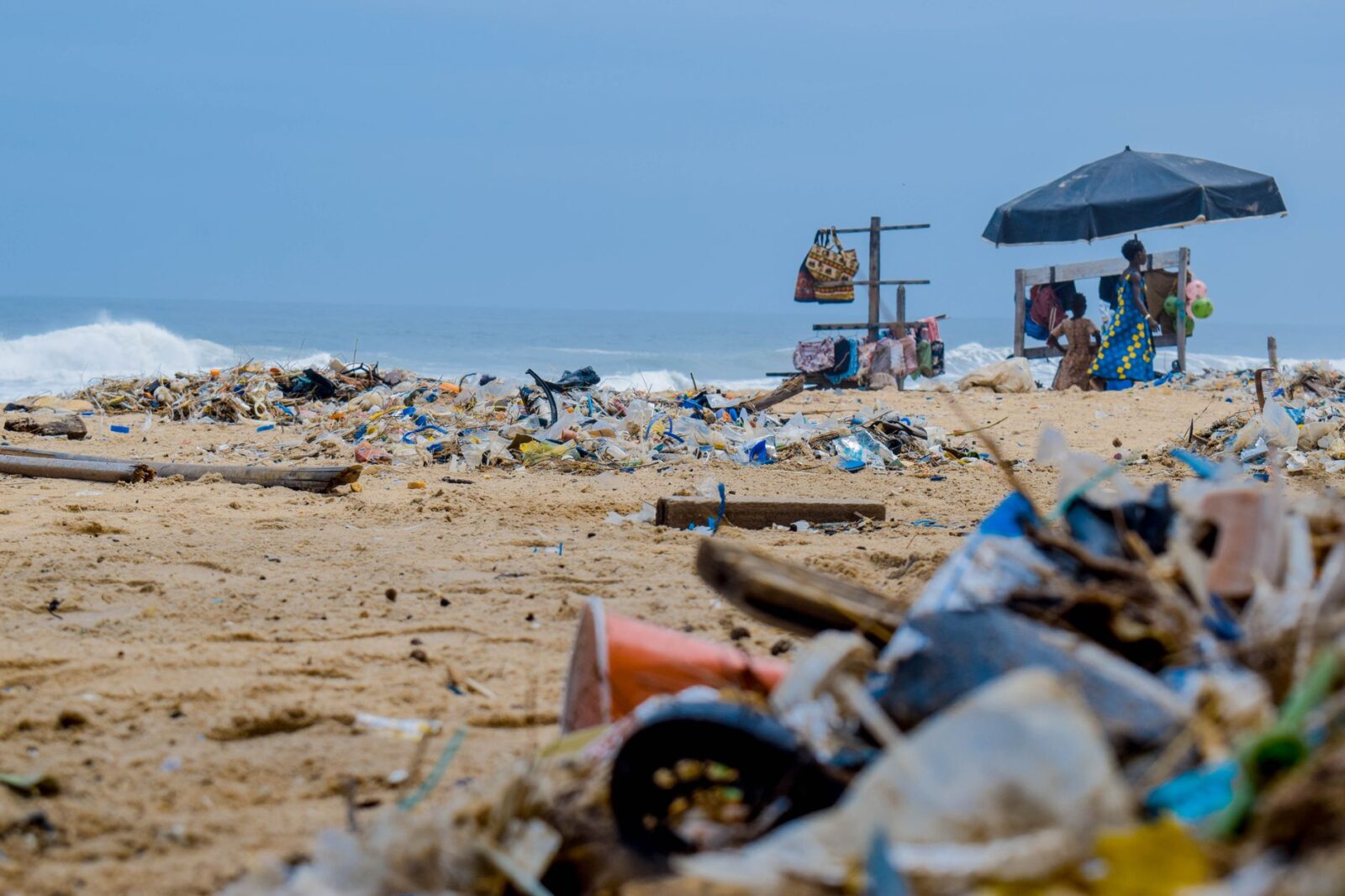
The Surprising Gap Between Beach Etiquette and Reality
Every summer millions of Americans head to the coast for sun, surf and sand. Most tell researchers they practice good beach etiquette, yet the same surveys reveal a stark contrast between what people say and what they actually do. This disconnect creates hidden problems that affect marine life, fellow beachgoers and the overall experience. Understanding the gap helps travelers make better choices wherever they go.
Our research shows that the mismatch is not just about a few isolated incidents; it reflects a broader pattern of behavior that persists despite public awareness campaigns. Seasoned travelers report that noticing these habits can change the way you view a destination, turning a relaxing day into a lesson in environmental stewardship. Recognizing the issue is the first step toward fixing it.
The good news is that awareness is growing, and simple adjustments can make a big difference. By looking at the data behind the habits, we can identify which actions are most common and which carry the greatest consequences. This knowledge empowers visitors to enjoy the beach while protecting it for future generations.
What the Survey Actually Found
A 2025 survey conducted by Beach.com questioned 1,000 adults about their beach behavior. The results showed that 93 percent of respondents claimed they follow proper etiquette, yet 92 percent admitted to at least one bad habit. This near‑universal confession highlights how widespread the issue really is.
The Top Three Shameless Behaviors
The study identified three actions that topped the list of most shameless beach behaviors: taking sand or shells, peeing in the water, and consuming alcohol. While each may seem minor on its own, together they create a cumulative impact that scientists and local officials are increasingly concerned about.
Specifically, 70.1 percent of participants admitted to urinating in the ocean, a figure that represents the highest self‑reported offense. Nearly half, 48.6 percent, said they drink alcohol while on the sand, and 38.6 percent confessed to taking shells home as souvenirs. These numbers provide a clear picture of where education and outreach could be most effective.
The Grossest Habit: Peeing in the Water
Peeing in the sea might feel harmless because the ocean is vast, but the survey shows it is the most commonly admitted bad habit. Many beachgoers rationalize it as a quick convenience, especially when restrooms are far away or lines are long. The act is often done without thinking about the microscopic effects it can have.
Why People Do It and What It Means
Experts note that the warm temperature and the feeling of weightlessness in water can lower inhibitions, making the act seem less offensive. However, urine introduces nitrogen and phosphorus into the marine environment, which can contribute to algal blooms in sensitive areas. In enclosed bays or near coral reefs, even small additions can disrupt delicate balances.
From a practical standpoint, avoiding this habit is as simple as planning ahead. Travelers can locate restroom facilities before settling in, use portable urination devices designed for outdoor use, or simply hold it until a proper bathroom is available. The effort is minimal compared to the potential ecological benefit.
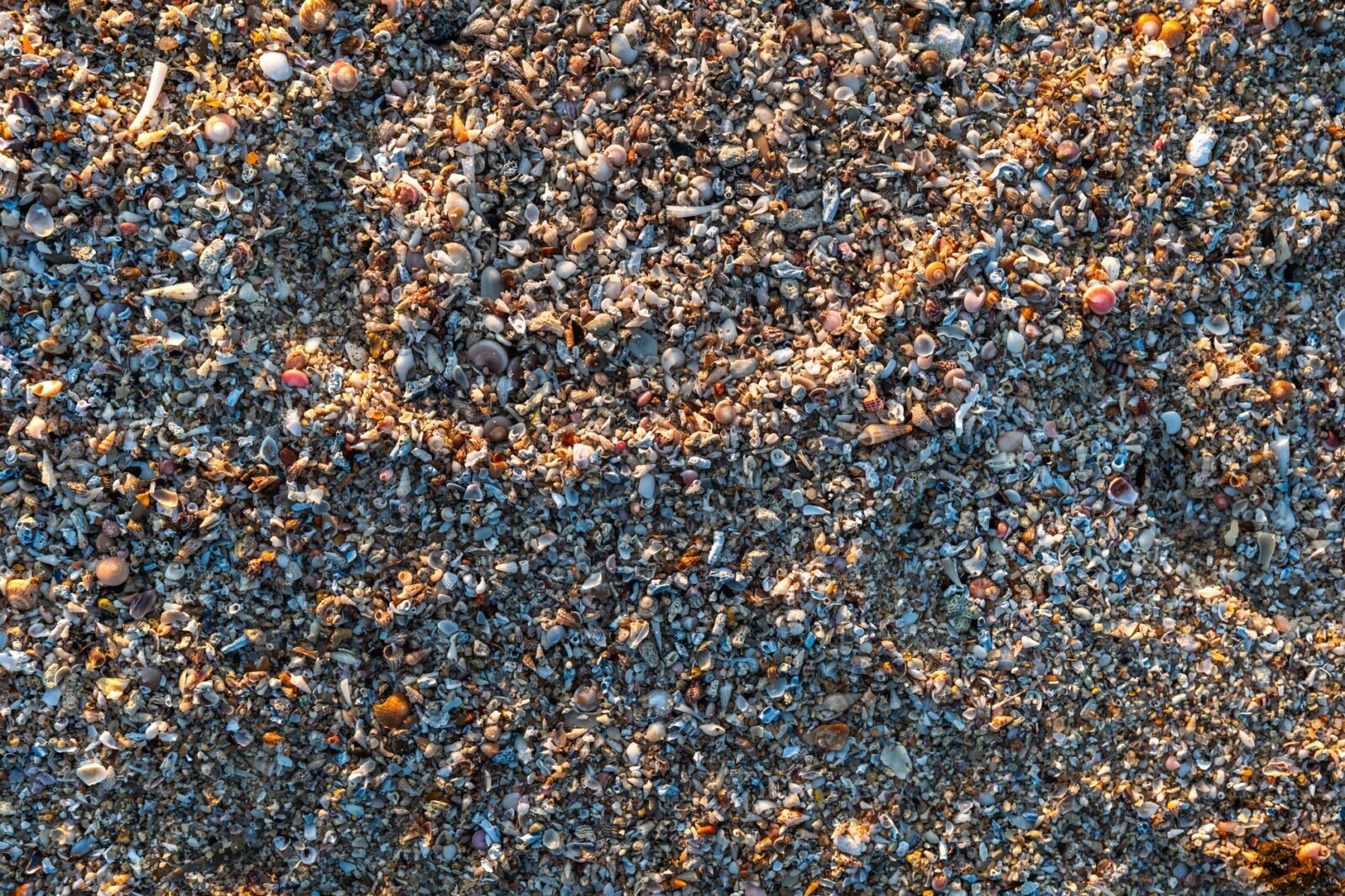
Shell Collecting: A Souvenir with Hidden Costs
Collecting shells seems like a innocent way to remember a trip, yet the data shows more than a third of Americans admit to taking them home. What many do not realize is that each shell removed plays a role in the beach’s ecosystem. Shells provide habitat, stabilize sediment and contribute to calcium carbonate cycles that support countless organisms.
Ecological Impact of Shell Removal
A 2014 study cited in the research found that tourist‑driven shell removal leads to measurable habitat changes, including increased beach erosion and declines in diversity of organisms that depend on shells for shelter. Over time, popular beaches can lose their natural resilience, making them more vulnerable to storms and sea‑level rise.
Travelers who want a keepsake can consider alternatives such as photographs, sketches or purchasing locally made crafts that do not deplete natural resources. Supporting local artisans often provides a more meaningful connection to the place visited while leaving the shoreline intact.
Alcohol on the Sand: Fun or Folly?
Nearly half of survey respondents said they consume alcohol while at the beach, making it the second most common bad habit. While a drink can enhance relaxation, alcohol also impairs judgment, increases the risk of accidents and contributes to litter when containers are left behind.
Safety and Cleanliness Concerns
Beach safety officials report that alcohol‑related incidents, such as drowning or falls, rise during peak summer months. In addition, discarded bottles and cans add to the visual pollution and can harm wildlife that mistakes them for food. The combination of impaired coordination and hazardous environments creates a preventable safety issue.
To enjoy a drink responsibly, visitors can bring reusable containers, designate a sober friend to watch over the group, and ensure all waste is packed out. Many coastal towns now offer recycling stations near popular access points, making it easier to keep the shore clean.

Other Quiet Offenses That Add Up
Beyond the headline habits, the survey and complementary studies point to several lesser‑known behaviors that still affect beach quality. Leaving cigarette butts, failing to wash hands before eating, and swimming with open wounds are all cited as common hygiene mistakes that can spread illness and degrade the environment.
Cigarette Butts, Hand Hygiene and Open Wounds
Cigarette butts are the most frequently littered item on beaches worldwide; they contain toxic chemicals that leach into sand and water. Not washing hands before handling food can transfer bacteria from sand to mouth, increasing the chance of gastrointestinal illness. Swimming with cuts or open wounds raises the risk of infection, especially in warm marine environments where bacteria thrive.
Addressing these issues is straightforward: carry a small portable ashtray, use hand sanitizer or wipes before meals, and keep wounds covered with waterproof bandages. Simple preparations go a long way toward protecting both personal health and the beach ecosystem.
How the United States Compares to Global Beach Culture
While the survey focuses on American habits, similar patterns appear in other parts of the world, though cultural attitudes vary. In many European countries, public restrooms are more readily available along coastal paths, reducing the temptation to relieve oneself in the sea. In parts of Southeast Asia, community‑led beach cleanups are a regular part of tourism infrastructure.
Learning From International Examples
For example, beaches in Spain often feature clearly marked recycling bins and regular patrols that discourage littering. In Japan, visitors are expected to take all trash home, a practice that keeps shorelines remarkably clean. Observing these norms can inspire travelers to adopt better habits wherever they go.
Understanding that beach etiquette is a global conversation helps shift the mindset from “it’s just my small action” to “we are all stewards of a shared resource.” This perspective encourages more mindful behavior and supports local efforts to maintain pristine coastlines.
Practical Tips for a Cleaner, Cheaper Beach Day
Enjoying the beach responsibly does not require expensive gear or major lifestyle changes. A few low‑cost adjustments can significantly reduce your impact while keeping the day fun and affordable. The following suggestions are based on what seasoned travelers and environmental experts recommend.
Low‑Cost Strategies for Better Beach Etiquette
- Bring a reusable water bottle and snack container to avoid single‑use plastics.
- Pack a small bag for trash and recyclables; dispose of them in proper bins before leaving.
- Use a beach towel or mat that shakes out easily, preventing sand from being carried away.
- Apply sunscreen at least 15 minutes before entering the water to minimize wash‑off.
- If you must urinate, walk to the nearest facility or use a discreet, biodegradable urination bag designed for outdoor use.
These actions cost little more than a few minutes of preparation but pay off in cleaner beaches and healthier marine life. By sharing these tips with friends and family, travelers can amplify the positive effect and help shift the culture toward greater respect for shorelines.
Frequently Asked Questions
What percentage of Americans admit to peeing in the ocean?
According to the 2025 Beach.com survey, 70.1 percent of respondents admitted to urinating in the water. This figure represents the highest self‑reported bad habit among those surveyed.
Why is taking shells from the beach harmful?
Shells provide habitat for small organisms, help stabilize sand and contribute to the natural calcium carbonate cycle. Removing them can lead to increased erosion, lower biodiversity and weaker beach resilience against storms.
Are there any fines for leaving cigarette butts on the beach?
Many coastal municipalities impose fines for littering, including cigarette butts. Penalties vary by location but can range from $50 to several hundred dollars, depending on local ordinances.
How can I enjoy a drink at the beach without contributing to litter?
Bring a reusable cup or bottle, pour your drink into it, and keep the container with you until you find a recycling or trash station. Some beaches now offer refill stations for water and soft drinks, reducing the need for disposable packaging.
Is it safe to swim with a small cut or wound?
Swimming with an open wound increases the risk of infection, as bacteria in warm water can enter the bloodstream. It is best to keep the wound covered with a waterproof bandage or avoid swimming until it has healed.
Stay informed with the latest travel news, visa updates, and destination guides. Follow HimalayanCrest.com for weekly travel intelligence delivered by our editorial team.