

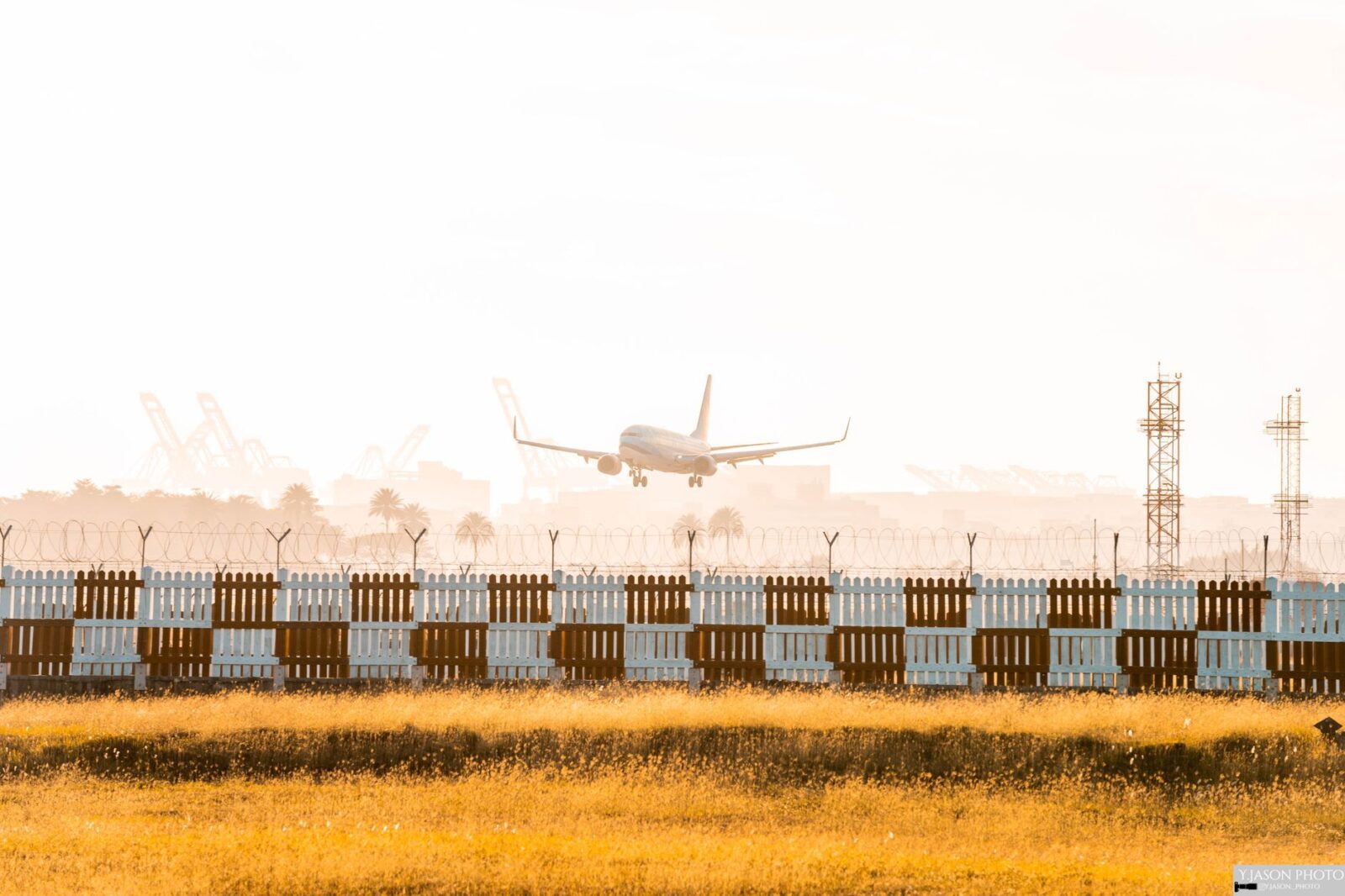
When the Skies Over the Gulf Turn Turbulent
On August 24, 2026, travelers across the Middle East woke up to a stark reality: the region’s aviation network was under severe strain. Official tallies showed 882 flight delays and 70 cancellations rippling through major hubs from Dubai to Riyadh. The numbers represent more than inconvenience; they signal a fragile system where weather, security, and operational pressures converge. For anyone with a connecting flight or a planned vacation, the disruption serves as a reminder to build flexibility into travel plans.
The Numbers Behind the Disruption
The latest data from airport authorities paints a detailed picture of where the pressure is greatest. Dubai International Airport recorded the highest share of delays with 177 delayed flights and just two cancellations. Abu Dhabi International followed with 137 delays and a single cancellation, while Sharjah International reported 49 delays and seven cancellations. Across the Gulf, Saudi Arabia’s airports contributed significantly, with Riyadh’s King Khalid International logging over 120 delays and Jeddah’s King Abdulaziz International adding another 90. In North Africa, Cairo International experienced 85 delays and four cancellations, reflecting the region-wide nature of the problem.
882 delays and 70 cancellations across Middle Eastern airports on August 24, 2026
These figures are not isolated spikes; they fit into a pattern observed over the past month. Earlier reports showed weekly totals exceeding 1,000 delays and 100 cancellations as storms, technical issues, and geopolitical tensions intersected. The cumulative effect has left airlines scrambling to rebook passengers and maintain schedule integrity. For the average traveler, each delay adds an average of 90 minutes of waiting time, while cancellations often mean overnight stays and reissued tickets.
Which Airports Took the Hardest Hit
Dubai’s status as the world’s busiest international hub amplifies the impact of any disruption. With more than 80 million passengers passing through its terminals each year, a delay in aircraft rotation can cascade onto connecting flights bound for Asia, Europe, and Africa. Abu Dhabi, while handling fewer overall movements, remains a critical gateway for long‑haul carriers and luxury tourism. Sharjah, though smaller, serves a dense network of regional routes and low‑cost carriers, making its seven cancellations particularly noticeable for budget travelers.
In Saudi Arabia, Riyadh’s airport acts as the primary hub for domestic and pilgrimage traffic, especially during the Hajj season preparations. Jeddah’s gateway supports both religious tourism and commercial cargo, so delays there affect both passengers and supply chains. Cairo International, Egypt’s main entry point, links North Africa to the Gulf and Europe, meaning its disruptions reverberate across Mediterranean itineraries. Together, these airports form a tightly knit network where a problem in one location quickly spreads to others.
Root Causes: Weather, Security, and Airspace Restrictions
Meteorological reports from late August highlighted an unusual surge in summer thunderstorms over the Arabian Peninsula. Strong downdrafts and reduced visibility forced air traffic controllers to increase separation between aircraft, slowing departure and arrival rates. At Dubai, visibility dropped below the required minima for several hours, prompting ground stops that backed up departure queues.
Beyond weather, regional security concerns have tightened airspace usage. Following the breakdown of a June ceasefire, missile and drone activity has been reported over parts of the Gulf, prompting the European Union Aviation Safety Agency (EASA) to renew its conflict‑zone advisory. The advisory urges airlines to avoid airspace over the UAE, Bahrain, Kuwait, Oman, and Qatar until August 31, 2026. Consequently, carriers have filed flight plans that detour around the restricted zones, adding flight time and increasing fuel consumption.
Operational pressures also play a role. Airlines have been adjusting schedules to accommodate increased summer demand, leading to tighter aircraft rotations. When a flight arrives late, the subsequent turnaround—cleaning, refueling, and boarding—has less buffer time, making it more likely that the next departure will be delayed. The combination of these factors creates a feedback loop where each delay raises the probability of another.
How Travelers Are Being Affected
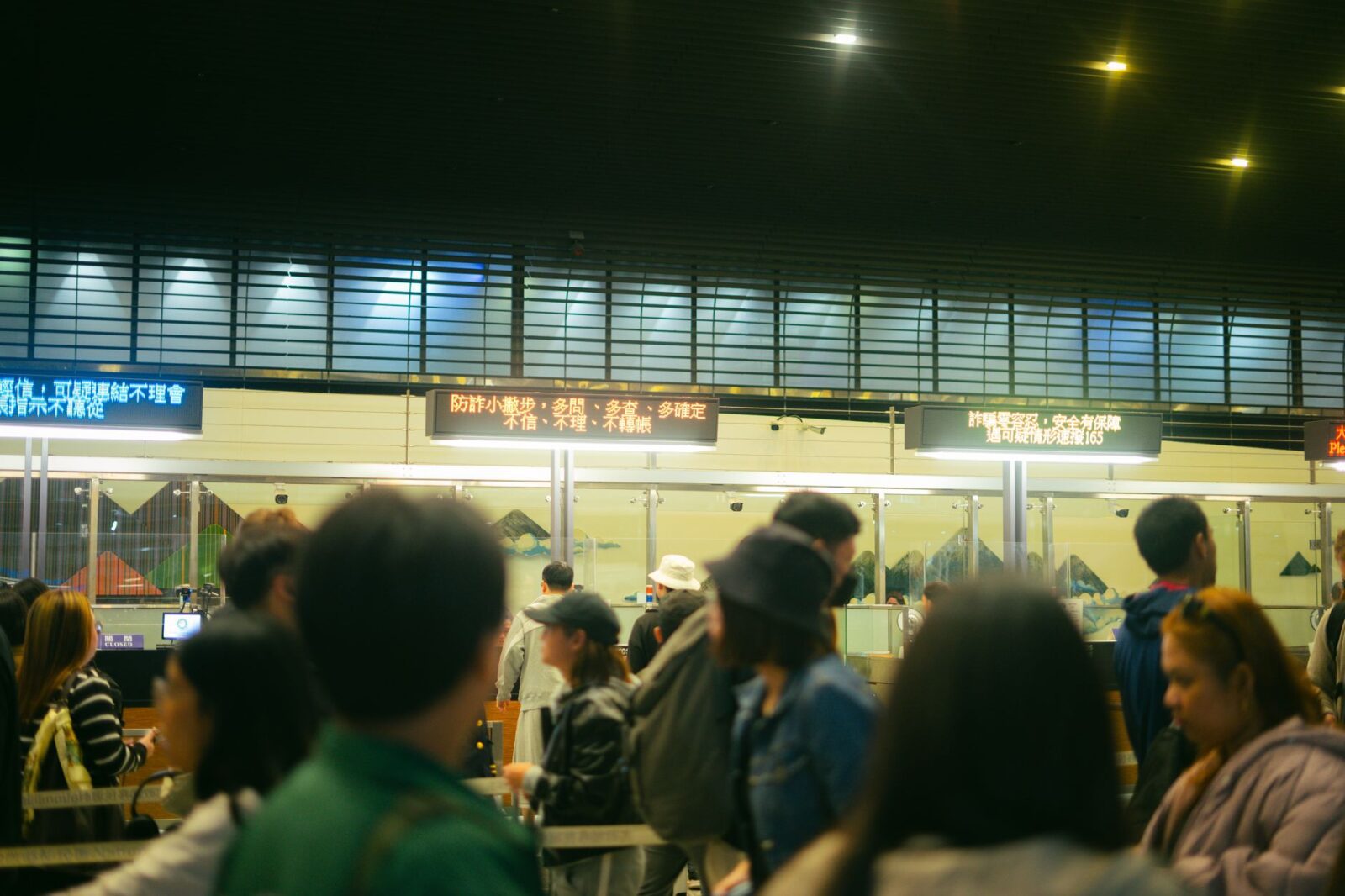
Passengers have described long lines at information desks, sudden gate changes, and the scramble to find accommodation when flights are canceled. Families with young children report extra stress as they navigate uncertain wait times, while business travelers miss meetings and face potential financial penalties. For those on tight itineraries—such as connecting flights to Southeast Asia or European cruises—the ripple effect can mean missing a whole leg of the journey.
Travel insurance claims have risen noticeably, with many policies covering delays beyond six hours and cancellations due to “airspace restrictions” or “adverse weather.” However, not all plans automatically include compensation for missed connections caused by cascading delays, leaving some travelers out of pocket. Airport authorities have responded by setting up temporary assistance desks, offering meal vouchers, and coordinating with hotels for discounted rates.
What Airlines and Authorities Are Doing
Carriers operating in the region have activated their contingency teams. Emirates, Qatar Airways, Etihad, and Saudia have increased staff at customer service centers and expanded their rebooking options through mobile apps and websites. Many airlines are offering free date changes or rerouting via alternative hubs such as Istanbul or Doha when the original path is affected.
Airport operators have implemented ground‑holding procedures to prevent further congestion on taxiways and runways. At Dubai International, the airport authority has coordinated with air traffic control to prioritize arrivals that have already begun descent, reducing airborne holding patterns. Additionally, authorities have issued regular advisories urging passengers to check flight status before leaving for the airport and to allow extra time for security and check‑in procedures.
Regulatory bodies are monitoring the situation closely. The General Civil Aviation Authority of the UAE has released a statement confirming that all airports remain operational and that safety standards are not compromised. They continue to work with airlines to optimize slot allocation and mitigate the impact of weather‑related delays.
Practical Tips for Travelers Planning Upcoming Trips
Given the current volatility, a few proactive steps can save time, money, and stress. First, always verify your flight’s status within 24 hours of departure using the airline’s official app or website; third‑party aggregators may not reflect real‑time changes. Second, consider purchasing travel insurance that explicitly covers missed connections, delays over six hours, and cancellations due to weather or airspace restrictions. Third, when booking, select fares that allow free changes or at least low‑cost rebooking options; the extra flexibility often outweighs a slightly higher base fare.
Fourth, pack essential items in your carry‑on—medications, a change of clothes, chargers, and snacks—so you are comfortable if you face an unexpected overnight stay. Fifth, if you are traveling during peak summer months, build a buffer of at least four hours between connecting flights, especially when your itinerary involves a Middle Eastern hub. Finally, follow the official social media channels of the airports you will use; they often post timely updates about runway closures, gate changes, and available assistance services.
- Check flight status via airline app 24 hours before departure
- Buy insurance covering weather‑related delays and airspace restrictions
- Choose flexible tickets with low change fees
- Pack a carry‑on comfort kit
- Allow extra connection time (minimum 4 hours) at Gulf hubs
- Monitor airport social media for real‑time advisories
Looking Ahead: Forecast and Advice for Future Trips
Meteorological models suggest that the pattern of isolated thunderstorms over the Gulf may persist through early September, though the intensity is expected to gradually decrease as the season shifts. Security advisories from EASA remain in place until the end of August, with a possible extension depending on regional developments. Airlines are already adjusting their summer schedules, adding spare aircraft to their fleets to absorb potential delays.
For travelers planning trips later in the year, the outlook improves. Historical data shows that October and November typically experience fewer weather‑related disruptions, and the conflict‑zone advisory is likely to lapse if tensions de‑escalate. Nevertheless, maintaining flexible booking habits and staying informed through official channels remain best practices for any journey that touches the Middle East.
In the meantime, the current disruption offers a valuable lesson: even the world’s most connected aviation hubs are vulnerable to overlapping challenges. By anticipating delays, protecting your investment with appropriate insurance, and building slack into your itinerary, you can navigate the skies with greater confidence—no matter how turbulent the moment may appear.
Frequently Asked Questions
What caused the spike in delays and cancellations on August 24, 2026?
The spike resulted from a combination of intense summer thunderstorms that reduced visibility and forced increased aircraft separation, ongoing regional security concerns that led EASA to renew a conflict‑zone advisory for Gulf airspace, and operational pressures from tight airline schedules that left little buffer for late arrivals.
Which airports experienced the most delays?
Dubai International Airport topped the list with 177 delayed flights, followed by Abu Dhabi International with 137 delays, and Sharjah International with 49 delays. Significant delays were also reported at Riyadh’s King Khalid International, Jeddah’s King Abdulaziz International, and Cairo International.
Are travelers entitled to compensation for these delays?
Compensation depends on the airline’s policy and the specific cause of the delay. Many carriers offer meal vouchers, hotel discounts, or free rebooking for delays beyond a certain length, especially when the disruption is due to weather or airspace restrictions. Travelers should check their ticket’s terms and conditions and consider filing a claim through their travel insurance if the policy covers such events.
How can I minimize the impact of similar disruptions on future trips?
Monitor flight status through the airline’s official channels, purchase insurance that explicitly covers weather‑related delays and airspace restrictions, choose flexible fare options, pack essential items in your carry‑on, and allow at least four hours between connecting flights when traveling through Gulf hubs.
Will the EASA conflict‑zone advisory affect flights after August 31, 2026?
The advisory is currently set to expire on August 31, 2026. If regional security conditions improve, it is unlikely to be extended. However, travelers should stay updated via official airline and aviation authority announcements, as the situation can change rapidly.
Stay informed with the latest travel news, visa updates, and destination guides. Follow HimalayanCrest.com for weekly travel intelligence delivered by our editorial team.