

The Premium Shift: Airlines Bet Big on Cabin Reconfiguration
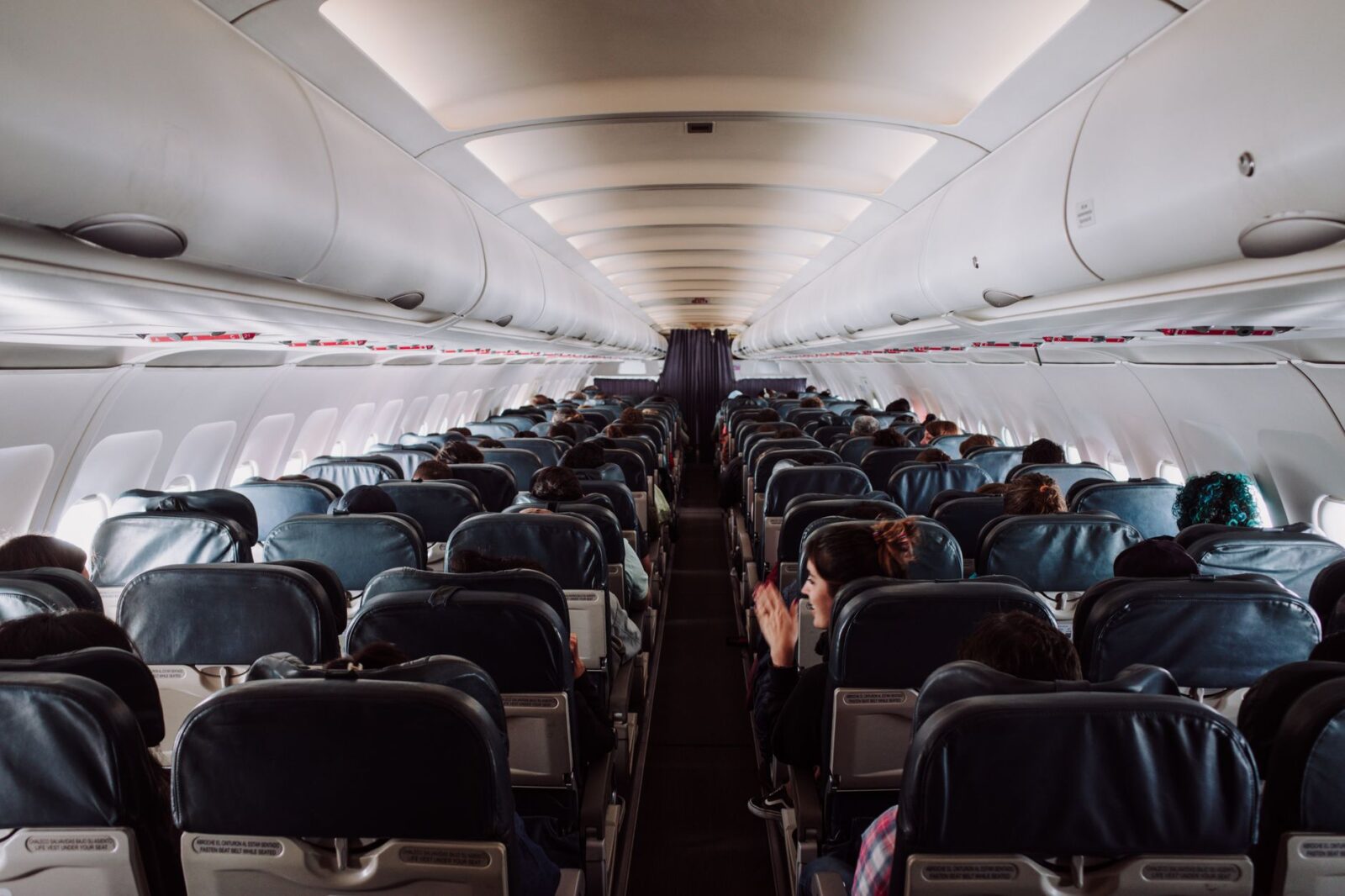
At the Skift Global Forum in September 2026, Virgin Atlantic CEO Corneel Koster unveiled a bold cabin redesign for the airline’s Boeing 787 Dreamliners. The reconfiguration cuts economy class seats from 192 to 127 while adding more premium cabins across the fleet. Koster described the move not as a gamble but as a long‑term investment rooted in what he called “insatiable” demand for higher‑fare travel. This shift reflects a broader industry trend where carriers are reallocating space from budget seats to business and premium economy sections to capture higher margins.
The decision follows years of operating with what Koster termed an “underweight” premium offering. By increasing premium seat density, Virgin Atlantic aims to align capacity with the strongest revenue streams emerging from transatlantic corridors. The airline’s approach mirrors moves by other major carriers that are similarly reshaping narrow‑body and wide‑body aircraft to favor premium cabins. For travelers, this means fewer economy seats on popular routes and a growing availability of lie‑flat seats and enhanced service options.
Why Premium Demand Looks Structural: Data from Virgin Atlantic
Koster backed the premium push with concrete performance figures that suggest the trend is not a fleeting post‑pandemic bounce. UK‑to‑US passenger demand rose 7 percent year over year, while corporate travel bookings climbed 11 percent in the same period. Cargo revenue showed an even stronger surge, increasing 36 percent compared with the prior twelve months. These numbers indicate that both passenger and freight sides of the transatlantic market are expanding faster than overall capacity growth.
“We have been underweight in premium cabin capacity for years,” Koster said, emphasizing that the airline is now correcting a long‑standing mismatch.
The premium cabin expansion is therefore presented as a response to sustained, structural shifts in traveler behavior rather than a temporary spike. Analysts note that the combination of higher corporate spend, resilient leisure demand, and strong air cargo fundamentals creates a multi‑year runway for premium‑focused fleet planning.
Partnerships as Agility Tools: The Delta‑Virgin Atlantic Model
Beyond aircraft reconfiguration, Koster highlighted the strategic alliance with Delta Air Lines as a masterclass in staying agile without sacrificing brand identity. The partnership grants Virgin Atlantic access to Delta’s extensive network, scheduling coordination, and shared lounge access while allowing the airline to retain its distinctive British tone, design language, and challenger spirit. Koster remarked that the relationship has made Virgin Atlantic “probably more Virgin than ever” because it amplifies the airline’s unique strengths rather than diluting them.
For other travel brands considering similar tie‑ups, the CEO offered a simple litmus test: does the partnership amplify your core identity or dilute it? When the answer leans toward amplification, the alliance can provide scale, route breadth, and operational resilience while preserving the qualities that attract loyal customers. This approach enables smaller carriers to punch above their weight in a volatile market.
The Human Touch in an AI‑Driven Era
Artificial intelligence is reshaping everything from booking chatbots to dynamic pricing engines, yet Koster warned against over‑automation where the human element matters most. Virgin Atlantic’s customer‑facing concierge, powered by AI, handles routine queries faster than a human agent and carries a proper Virgin Atlantic British tone of voice. However, the airline has drawn a clear line: it will not “cut humans out of the loop where it matters most to our customers.”
He added that as digital experiences become more powerful, travelers will increasingly crave real, tangible experiences — flying to other countries, connecting with different cultures, and reconnecting with nature. The thesis underlying many premium investments is that digital saturation fuels a desire for physical, immersive travel. In other words, the more time people spend scrolling through screens, the more they seek the authenticity of a stamp in their passport.
Sustainable Fuel Mandates and the Cost‑Without‑Value Trap
Environmental regulation is another layer of uncertainty shaping airline strategy. The United Kingdom’s mandate for sustainable aviation fuel (SAF) is set to rise steadily over the coming years, but Koster warned that supply remains critically short. “The fuel is just not available,” he said, noting that without sufficient SAF, airlines face a cost‑without‑value scenario where passengers pay higher ticket prices without receiving the promised environmental benefits.
This mismatch between policy ambition and fuel availability creates a financial burden that could be passed on to travelers in the form of higher fares or added surcharges. Airlines may also be forced to purchase expensive carbon offsets to meet compliance, further increasing operating costs. For travelers, the takeaway is to monitor how SAF developments influence ticket pricing, especially on long‑haul routes where fuel costs represent a large share of expenses.

Building an Agile Traveler’s Toolkit: Lessons from Supply‑Chain Thinking
The principles of an agile supply chain — flexibility, fast response, and responsiveness to shifting conditions — translate directly to personal travel planning. Just as companies adjust inventory and logistics in real time, travelers can adopt a mindset that emphasizes rapid rebooking, alternative routing, and willingness to change destinations based on emerging data. Key practices include monitoring load factors, watching for fare drops after major events, and leveraging airline partnerships that offer greater rerouting options.
Experts recommend setting up fare alerts for multiple nearby airports, considering open‑jaw itineraries that allow entry and exit through different cities, and maintaining a modest buffer in travel budgets for last‑minute changes. By treating a trip as a dynamic project rather than a fixed itinerary, travelers can better absorb shocks such as sudden strikes, weather disruptions, or sudden shifts in demand that affect availability and price.
Practical Tips for Travelers: Adjusting Budgets and Expectations
With airlines moving premium cabins forward and economy shrinking, the cost of flying is likely to evolve in two directions. Premium fares may see moderate increases as airlines capitalize on stronger demand, while economy fares could become more volatile due to reduced seat inventory. Travelers should therefore:
- Book premium cabins early when seeking business or premium economy, as inventory will tighten.
- Consider mixing cabin classes — flying premium on long‑haul legs and economy on shorter segments — to optimize cost and comfort.
- Check partnership benefits; flying with a Virgin Atlantic‑Delta ticket may grant access to Delta’s broader network and lounge access.
- Factor in potential SAF‑related surcharges when budgeting for transatlantic flights in 2027 and beyond.
- Stay informed about AI‑driven service changes; while bots may handle simple queries, complex issues will still require human agents.
Applying these adjustments can help travelers maintain flexibility and avoid unpleasant surprises as the market continues to rebalance.
FAQ: Your Burning Questions About Agile Travel in 2026
Will premium cabin growth make economy travel unaffordable?
Premium cabin expansion does not automatically render economy travel unaffordable, but it does reduce the number of economy seats on high‑demand routes. This scarcity can push economy fares upward during peak periods, especially on transatlantic flights where Virgin Atlantic and its partners are shifting capacity. However, airlines still rely on volume from price‑sensitive travelers, so economy fares will remain competitive on less‑traveled routes and during off‑peak windows. Savvy travelers can mitigate cost by flying mid‑week, using fare‑prediction tools, and considering alternative airports that retain larger economy inventories.
How can I tell if a travel partnership will improve my trip?
Evaluate a partnership by asking whether it expands your access to destinations, improves connection convenience, or adds tangible benefits like lounge access or baggage allowances without forcing you to sacrifice the brand qualities you value. For example, the Virgin Atlantic‑Delta alliance gives Virgin passengers entry to Delta’s extensive US hub network while preserving Virgin’s distinctive service style. If the partnership merely adds complexity or forces a brand shift you dislike, it may not be worth the trade‑off.
Should I worry about sustainable aviation fuel surcharges on my next booking?
SAF mandates are increasing, but the fuel itself remains scarce, which creates a risk of cost‑without‑value scenarios. Some airlines have begun to test voluntary SAF contribution options at booking, while others may embed compliance costs into base fares. Keep an eye on the fare breakdown when you book; if you see a line item labeled “SAF surcharge” or “environmental fee,” it reflects the airline’s effort to meet regulatory requirements. Budgeting an extra 5‑10 percent for long‑haul flights can provide a cushion until supply catches up with demand.
How does AI affect customer service when things go wrong?
AI excels at handling routine tasks such as booking changes, seat selection, and providing flight status updates. However, when disruptions involve missed connections, lost baggage, or complex refunds, airlines typically route the issue to a human agent who can exercise discretion and empathy. Virgin Atlantic’s policy, as stated by Koster, is to keep humans in the loop for moments that matter most to customers. Travelers should therefore use AI tools for quick inquiries but be prepared to speak with a representative for any situation that requires nuanced judgment.
What is the simplest way to stay agile when planning a trip?
The simplest agile habit is to build a “plan B” into every reservation. This means selecting refundable or changeable fares when possible, noting alternative flights on the same route, and keeping a small emergency fund — roughly 10‑15 percent of the total trip budget — for unexpected expenses. Additionally, enable fare alerts for both your preferred airport and nearby alternatives, and follow airline social media channels for real‑time updates on strikes, weather, or sudden demand shifts. By treating your itinerary as a living document rather than a fixed contract, you can respond quickly to whatever the market throws your way.
Conclusion: Embracing Change as a Travel Constant
The travel industry’s current pivot toward premium capacity, strategic partnerships, and cautious AI adoption illustrates a broader truth: agility is no longer optional for either companies or individuals. As airlines reshape cabins to match structural demand shifts and navigate fuel policy uncertainties, travelers who adopt flexible booking habits, monitor partnership benefits, and budget for emerging costs will find themselves better positioned to enjoy the journeys they love. We invite you to share your own agile travel tips in the comments below and to spread this insight to fellow explorers navigating an unpredictable world.
Stay informed with the latest travel news, visa updates, and destination guides. Follow HimalayanCrest.com for weekly travel intelligence delivered by our editorial team.