

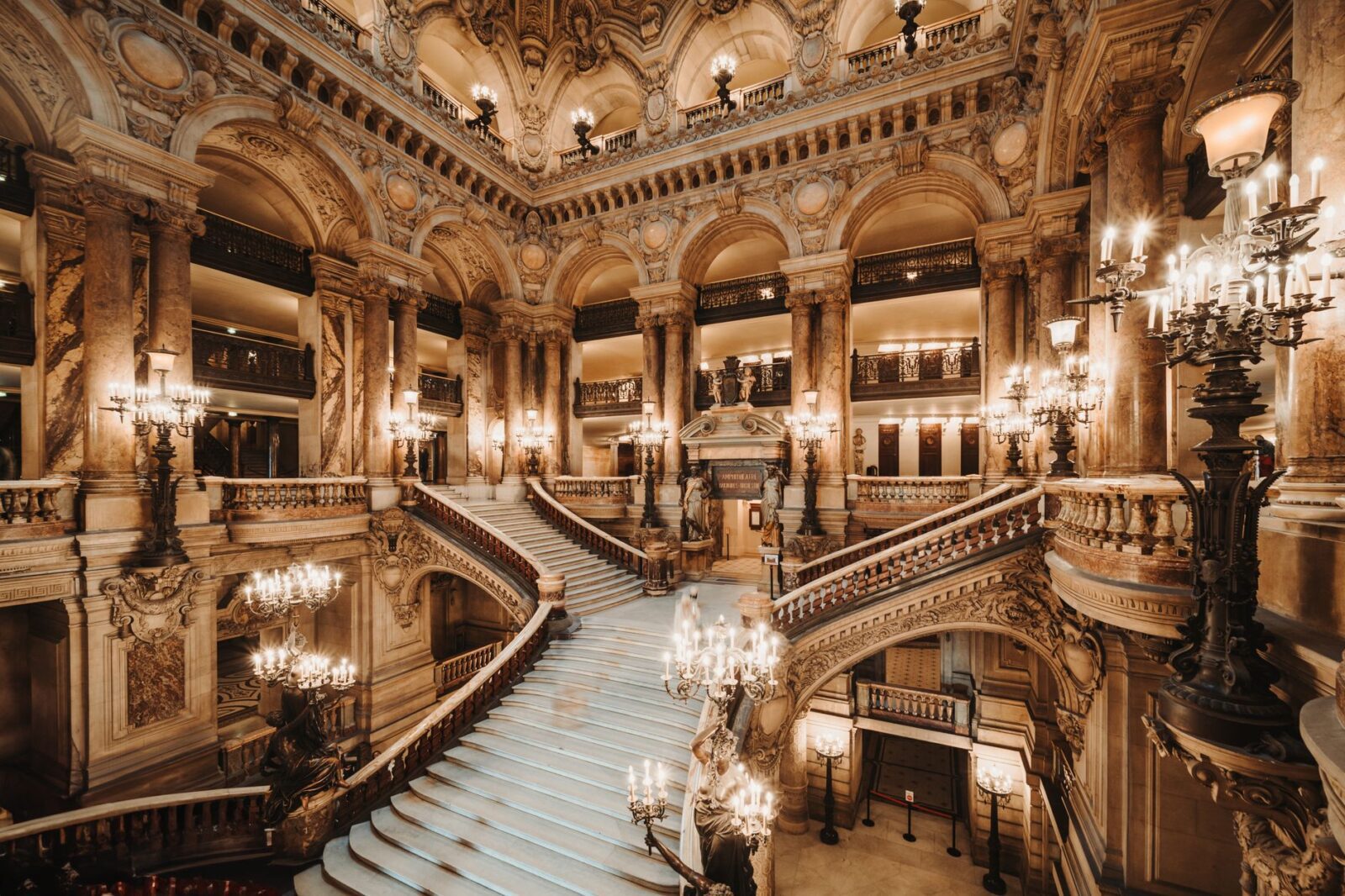
Why Paris Hotels Are Trending in 2026
Paris continues to capture the imagination of travelers worldwide, and 2026 has brought a fresh wave of hotel openings that blend historic charm with contemporary design. The city’s reputation for art, cuisine, and fashion makes accommodation choice a key part of the travel experience. Recent data shows that between 2025 and 2026, fifty new or renovated hotels opened across Paris, offering everything from budget‑friendly rooms to palatial suites. This surge means visitors now have more options than ever to match their style, budget, and itinerary. Whether you are planning a romantic weekend, a family vacation, or a solo cultural deep‑dive, the right hotel can elevate your stay from ordinary to unforgettable.
The timing is especially relevant because major events such as Paris Fashion Week in spring and the autumn Nuit Blanche art festival draw international crowds. Hotel prices tend to rise during these periods, but the increased supply also creates competitive rates for early bookers. Understanding the current landscape helps travelers secure the best value while enjoying the city’s iconic sights. In the sections that follow, we break down the most compelling categories of hotels, highlight standout properties, and share practical tips for booking and exploring Paris.
The Rise of Boutique Hotels and New Openings (2025‑2026)
Boutique hotels have become a defining trend in Paris, emphasizing intimate scale, distinctive design, and personalized service. Unlike larger chains, these properties often occupy historic buildings transformed with modern interiors that reflect the character of their neighborhoods. Our research indicates that of the fifty new openings between 2025 and 2026, twenty‑six are four‑star establishments, many of which fall into the boutique category. These hotels typically range from 20 to 60 rooms, allowing staff to remember guests’ names and preferences.
One example of a recent boutique opening is a renovated 18th‑century townhouse in the Le Marais district that opened in early 2026. It offers rooms starting at approximately $180 per night, featuring exposed stone walls, custom furniture, and a small courtyard garden. Another notable addition is a design‑focused hotel near the Canal Saint‑Martin, launched mid‑2025, with rates around $220 per night and a rooftop bar that overlooks the waterway. These properties appeal to travelers who want a sense of place and a curated experience rather than a generic brand stay.
The increase in boutique supply also benefits budget‑conscious visitors. Several three‑star boutique hotels opened in 2025‑2026, offering stylish rooms for under $150 per night. These are often located in lively neighborhoods such as Oberkampf and Belleville, where local cafés, markets, and music venues provide an authentic Parisian vibe. By choosing a boutique hotel, travelers can enjoy design‑forward accommodations while supporting independent operators.
Luxury Legends: Established Five‑Star Palaces
Paris is home to some of the world’s most renowned luxury hotels, many of which have welcomed royalty, celebrities, and dignitaries for over a century. Properties such as the Mandarin Oriental, Le Meurice, the Ritz Paris, Four Seasons Hotel George V, and Shangri‑La Hotel continue to set the standard for opulence and service. In 2026, these palaces maintain nightly rates that typically start around $600 for a classic room and can exceed $2,000 for suites with private terraces or Eiffel Tower views.
The Mandarin Oriental, located near Place Vendôme, combines classic French service with contemporary elegance. Its spa, inspired by Asian traditions, and its Michelin‑starred restaurant attract guests seeking both relaxation and gastronomic excellence. Le Meurice, situated opposite the Tuileries Garden, boasts a historic interior designed by Philippe Starck and a renowned pastry shop helmed by a celebrated chef. The Ritz Paris, after its meticulous renovation, offers a legendary Bar Hemingway and a lavish spa that includes a swimming pool beneath a glass dome.
For travelers celebrating a special occasion, many of these hotels offer curated packages that include champagne welcome, private city tours, or spa treatments. Booking directly through the hotel’s website often yields added benefits such as complimentary breakfast or room upgrades, especially for stays of three nights or more. While the price point is high, the level of detail, historic ambiance, and personalized attention justify the investment for those seeking an iconic Parisian experience.
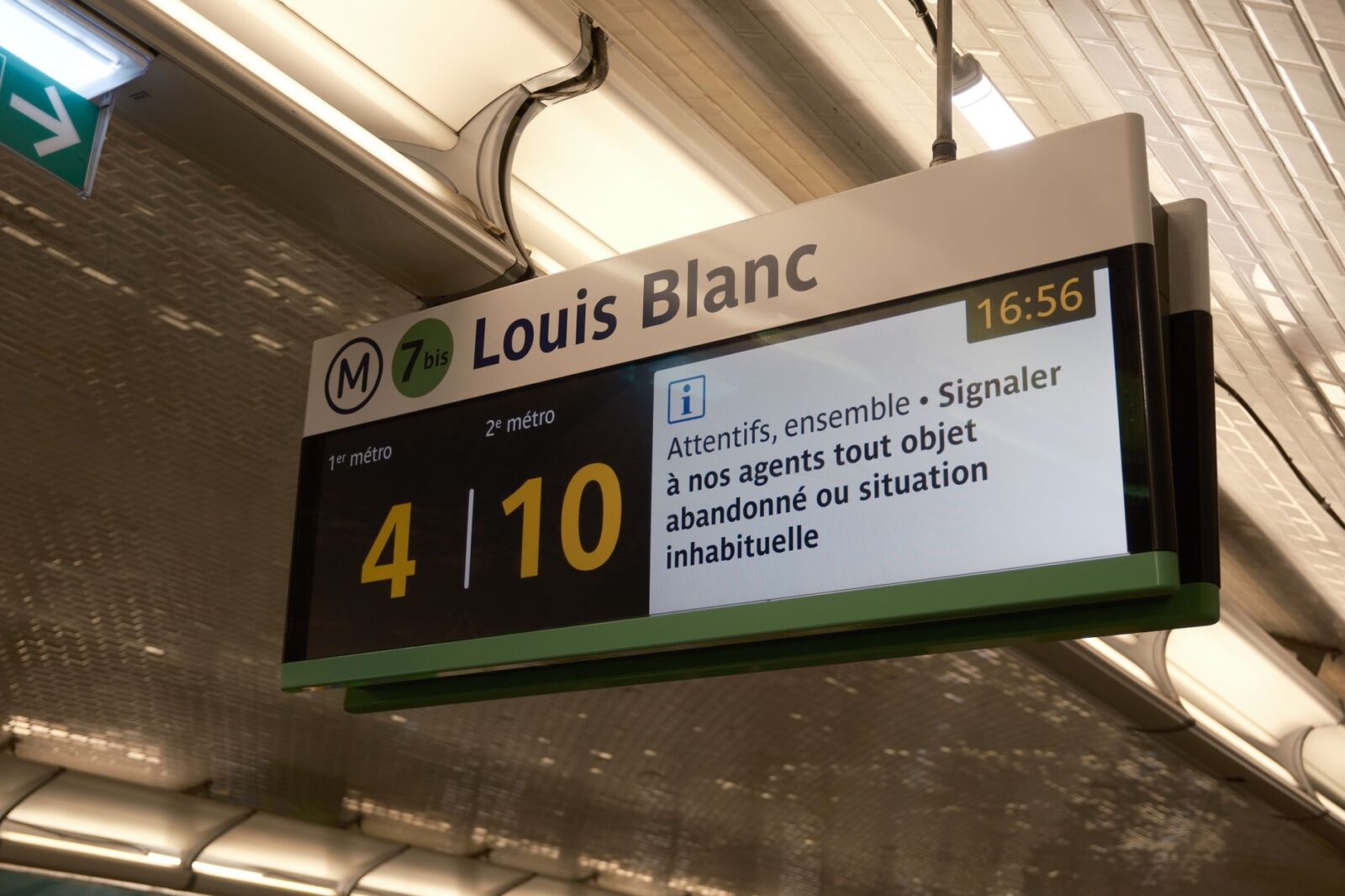
Best Neighborhoods for First‑Time Visitors
Choosing the right neighborhood can dramatically affect how easily you explore Paris’s major attractions. For first‑time travelers, areas that combine central location, good metro connections, and a pleasant atmosphere are ideal. Le Marais, located in the 3rd and 4th arrondissements, remains a top recommendation. Its cobblestone streets are lined with boutiques, galleries, and historic sites such as the Musée Picasso and the Place des Vosges. The neighborhood is also within walking distance of Notre‑Dame Cathedral, the Louvre, and the Châtelet metro hub, which serves multiple lines.
Saint‑Germain‑des‑Prés, on the Left Bank, offers a literary and artistic legacy, with famous cafés like Café de Flore and Les Deux Magots. This area provides easy access to the Musée d’Orsay, the Luxembourg Gardens, and the Seine riverbanks. Hotels here range from charming three‑star options to luxurious five‑star establishments, with nightly rates typically between $180 and $350 depending on season and property type.
The Latin Quarter, home to the Sorbonne University, brings a youthful energy and a wealth of bookshops, cafés, and historic landmarks such as the Panthéon. It is particularly well‑served by the RER B line, making day trips to Versailles or Charles de Gaulle Airport convenient. Budget travelers often find attractive rates in this district, with several well‑reviewed three‑star hotels offering rooms from $130 per night, especially when booked several months in advance.
Budget‑Friendly Stays Without Sacrificing Style
Travelers watching their expenses can still enjoy comfortable and stylish accommodations in Paris. Recent openings and renovated properties have pushed the lower end of the market toward better design and amenities. Several three‑star hotels opened in 2025‑2026 now offer rooms starting at $122 per night, as reported by major booking platforms. These properties often feature modern furnishings, en‑suite bathrooms with rain showers, and complimentary Wi‑Fi.
One such hotel is located in the southwest corner of Le Marais, just steps from Notre‑Dame and the Louvre. It provides a Junior Suite that can accommodate up to five guests, making it a practical choice for families or small groups. Rates for this suite begin around $150 per night in the shoulder season (April‑May and September‑October). Another budget‑friendly option sits near the Gare de Lyon, offering easy train connections for day trips to the Loire Valley or Provence. Its rooms, averaging $130 per night, include a small work area and a tea‑coffee maker.
Hostels have also evolved, with many now providing private rooms that function like boutique hotels. These hybrid properties often occupy renovated historic buildings and include communal kitchens, lounges, and organized city walks. Prices for a private double room in a well‑rated hostel in the Belleville area start at approximately $110 per night, offering excellent value for solo travelers or couples who enjoy social atmospheres.
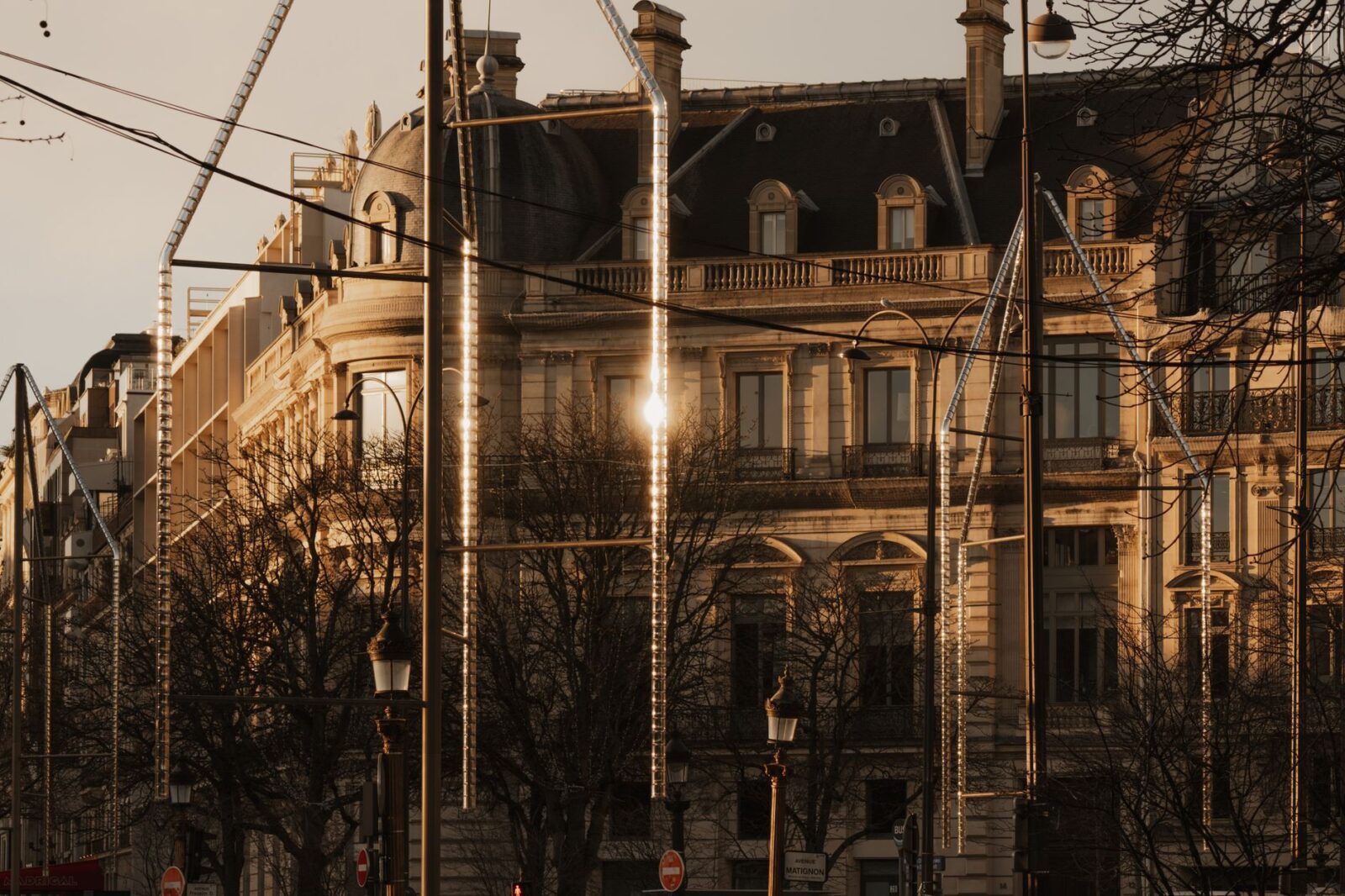
Insider Tips: Booking Strategies, Metro Access, and Seasonal Pricing
Securing the best rate in Paris requires a combination of timing, flexibility, and knowledge of local patterns. Hotel prices fluctuate significantly based on the calendar, with peak periods driven by fashion weeks, major exhibitions, and holiday seasons. The most expensive months tend to be June (Paris Fashion Week men’s), September (Paris Fashion Week women’s), and December (holiday markets). Conversely, late January through February, aside from Valentine’s Day, and early August often see lower occupancy and more competitive rates.
Booking three to four months in advance generally yields the best balance of availability and price for mid‑range and luxury hotels. For boutique properties, which may have fewer rooms, reserving as early as six months ahead can guarantee your preferred room type. Last‑minute deals do appear, especially during slower weeks, but they are less reliable for high‑demand dates. Utilizing price‑alert features on booking platforms and checking the hotel’s direct website for exclusive promotions can uncover savings of 10‑20 percent.
Metro access is a crucial factor when selecting a hotel. Staying within a 10‑minute walk of a Metro station reduces transit time and fatigue. Lines 1, 4, 7, and 8 cross the city center and connect to major attractions such as the Louvre, Champs‑Élysées, and Bastille. If you plan frequent day trips to Versailles or Disneyland Paris, consider a hotel near an RER station (e.g., Saint‑Michel‑Notre‑Dame for RER C or Gare du Nord for RER B). Many hotels now offer complimentary bike‑sharing passes or partnerships with scooter services, providing additional flexibility for short trips.
Alternatives: If You Love X, You’ll Also Enjoy Y
Travelers often have a preferred style of accommodation, but exploring alternatives can uncover hidden gems that match their tastes in new ways. If you love the personalized vibe of boutique hotels, consider a serviced apartment or aparthotel in the same neighborhood. These units combine hotel‑like services such as daily housekeeping and concierge with the space and self‑catering facilities of an apartment. In Le Marais, a well‑reviewed aparthotel offers one‑bedroom suites with kitchenettes starting at $170 per night, ideal for longer stays or travelers who prefer to prepare some meals.
If you are drawn to the grandeur of five‑star palaces but find the nightly rate prohibitive, look for historic four‑star hotels that occupy former mansions or private clubs. Properties such as the Hotel Napoléon, located near the Arc de Triomphe, offer elegant interiors, fine dining, and attentive service at rates typically ranging from $300 to $450 per night. They provide a luxurious feel without the ultra‑premium price tag of the top tier.
For those who enjoy the social atmosphere of hostels but desire more privacy, many modern hostels now offer “private dorm” options—rooms with two to four beds that are locked and serviced like hotel rooms. These are particularly popular in the Oberkampf and Belleville districts, where nightly rates for a private double room start around $115, yet guests still benefit from communal events, rooftop terraces, and local tips from staff.
Planning Checklist and Entry Requirements
A smooth Paris trip begins with careful preparation. Below is a step‑by‑step checklist tailored to hotel booking and travel logistics for visitors in 2026.
- Verify passport validity: Ensure your passport is valid for at least three months beyond your planned departure date from the Schengen Area.
- Check visa requirements: Citizens of the United States, Canada, Australia, Japan, South Korea, and many other nations enjoy visa‑free short stays (up to 90 days) in France. As of 2026, travelers from these countries must obtain an ETIAS (European Travel Information and Authorization System) authorization online before departure. The application costs approximately $7 and is usually approved within minutes.
- Determine your budget: Decide on a nightly hotel budget range (e.g., $120‑$180 for budget, $180‑$350 for mid‑range, $350+ for luxury). Use this range to filter search results on booking platforms.
- Select neighborhoods: Prioritize areas based on attractions you plan to visit, metro connectivity, and atmosphere. Make a shortlist of two to three neighborhoods.
- Research hotels: Read recent guest reviews (focus on comments from the past six months) to gauge current service quality. Look for mentions of cleanliness, Wi‑Fi reliability, and staff helpfulness.
- Book early: For travel during peak seasons (spring fashion weeks, autumn events, holiday period), aim to reserve at least three to four months ahead. For off‑peak travel, six to eight weeks may suffice.
- Confirm cancellation policies: Choose rates with flexible cancellation if your plans are uncertain, especially given potential changes in travel advisories.
- Prepare for arrival: Download the official RATP app for real‑time Metro schedules and consider purchasing a Navigo Easy pass for unlimited travel within zones 1‑2.
- Pack appropriately: Bring a versatile wardrobe for layered clothing, comfortable walking shoes, a universal power adapter (France uses Type C and E, 230V), and any necessary medications.
Following this checklist helps avoid common pitfalls and ensures that your accommodation choice enhances rather than hinders your Paris experience.
Frequently Asked Questions
What is the average cost of a hotel room in Paris in 2026?
Hotel prices in Paris vary widely by category, location, and season. As of September 2026, the average nightly rate for a standard three‑star hotel in a central neighborhood such as Le Marais or the Latin Quarter is approximately $180. Boutique four‑star properties typically range from $220 to $300 per night, while luxury five‑star hotels start around $600 and can exceed $2,000 for suites with premium views. Budget travelers can find well‑rated three‑star options or private hostel rooms for $120‑$150 per night, especially when booked several months in advance.
Do I need a visa to visit Paris as a tourist?
Visa requirements depend on your nationality. Citizens of the United States, Canada, the United Kingdom, Australia, Japan, South Korea, and many European Union countries do not need a visa for short tourist stays of up to 90 days within the Schengen Area. However, as of 2026, all visa‑exempt travelers must obtain an ETIAS authorization before departure. The ETIAS application is completed online, costs about $7, and is usually approved within minutes. Travelers from countries that require a visa should apply for a short‑stay Schengen visa at the French consulate or visa‑application center in their home country, providing proof of accommodation, travel insurance, and sufficient funds.
Which metro lines are most convenient for reaching major tourist sites?
Paris’s Metro system is extensive, but certain lines serve the highest concentration of attractions. Line 1 runs east‑west through the city center, stopping at major landmarks such as the Louvre (Palais Royal‑Musée du Louvre station), Champs‑Élysées (George V), and Bastille. Line 4 crosses north‑south, connecting the Gare du Nord station (Eurostar and Thalys) to Montparnasse and accessing Saint‑Sulpice and Odeon. Line 7 serves the Opéra, Palais Garnier, and the Louvre (Pyramide station via a short walk). Line 8 links the Balard area to the Madeleine and Strasbourg‑Saint‑Denis, providing easy access to department stores and the Grands Boulevards. For day trips to Versailles, take the RER C line from stations such as Saint‑Michel‑Notre‑Dame or Champ de Mars‑Tour Eiffel.
Are there any new hotels opening in Paris that I should consider for 2026?
Yes, the period between 2025 and 2026 saw fifty new or renovated hotel openings in Paris. Among these, eleven are five‑star establishments, twenty‑six are four‑star, and thirteen are three‑star. Notable recent additions include a boutique hotel in a renovated 18th‑century townhouse in Le Marais, opening early 2026 with rooms from about $180 per night, and a design‑focused property near the Canal Saint‑Martin launched mid‑2025, offering rates around $220 per night with a rooftop bar. For luxury seekers, a new five‑star hotel opened near the Champs‑Élysées in late 2025, featuring a spa with a hydrotherapy pool and suites with Eiffel Tower views, starting at approximately $750 per night. Checking the opening dates and reading recent guest feedback can help you select a property that matches your style and budget.
How far in advance should I book my hotel for the best price?
For optimal pricing and availability, aim to book your Paris hotel three to four months before your intended arrival date if you are traveling during shoulder seasons (April‑June or September‑October). For peak periods such as Paris Fashion Weeks (June and September) or the holiday market season (late November through December), booking six months ahead is advisable to secure preferred room types and rates. Last‑minute deals can appear during slower weeks (late January‑early February or mid‑August), but they are less reliable for high‑demand dates. Utilizing price‑alert tools and checking the hotel’s direct website for exclusive promotions can often yield savings of 10‑20 percent compared to standard online travel agency rates.
Stay informed with the latest travel news, visa updates, and destination guides. Follow HimalayanCrest.com for weekly travel intelligence delivered by our editorial team.