


Overview: 2026 Visa Policy Shifts – A Global Snapshot
Throughout 2026, governments across continents have announced adjustments to visa regimes that affect tourists, students, workers, and long‑term stay seekers. These changes range from tighter family accompaniment rules for student visas in Australia to a United States court decision that preserves existing pathways for skilled workers. Seventeen European states have also begun coordinating procedures for the return of irregular migrants, while Japan reported a noticeable decline in skilled talent arrivals after revising its points‑based system. For Indian passport holders, nine countries revised entry procedures, introducing new e‑visa requirements, altered visa‑on‑arrival rules, or adjusted fees.
The cumulative effect of these updates is felt by various traveler profiles. Families planning to accompany students abroad must now explore alternative arrangements, while professionals relying on employer‑sponsored visas should verify that their petitions still meet current criteria. Investors eyeing residency‑by‑investment programs need to confirm whether minimum capital thresholds have shifted, and digital nomads should check whether long‑term stay visas remain available in their preferred destinations. Retirees seeking seasonal visas in Asia or Latin America may encounter revised income‑proof requirements, and those on a path to citizenship should review any changes to residency‑duration calculations.
Staying informed through official channels is the most reliable way to avoid surprises at the border. The following sections break down each major development, explain who is affected, and provide concrete steps travelers can take today to remain compliant.
Australia’s New Restrictions on Student Dependents
Effective September 1, 2026, the Australian Department of Home Affairs announced that holders of student visas (subclass 500) may no longer bring immediate family members as dependents unless they meet a newly introduced financial threshold. The policy change applies to all nationalities, with Indian students representing one of the largest groups affected due to India’s consistent position as a top source country for Australian enrolments.
The government cited pressures on housing and social services as the rationale, stating that the measure aims to ensure that international students can focus on their studies without placing undue demand on local resources. Under the revised rules, a student must demonstrate access to at least AUD 25,000 per year for each accompanying family member, in addition to the existing tuition and living‑cost requirements.
Prospective students should therefore verify their financial capacity early, consider applying for a separate guardian visa if eligible, or explore study destinations with more flexible family policies. For the most current information, visit the Australian Department of Home Affairs student visa page: https://immi.homeaffairs.gov.au/visas/studying-in-australia.
United States: Court Ruling Protects Existing Work Visa Pathways
In August 2026, a federal district court blocked the implementation of a Trump‑era rule that would have raised the prevailing wage threshold for H‑1B specialty occupations and narrowed the definition of “specialty occupation” itself. The ruling preserves the status quo for H‑1B, L‑1 intracompany transferee, O‑1 extraordinary ability, and certain E‑3 Australian professional visas, at least pending any further appeals.
Had the rule taken effect, employers would have needed to offer salaries significantly above the current market rates to qualify, potentially disqualifying many entry‑level tech and engineering roles. The decision thus provides relief to companies that rely on foreign talent for projects ranging from software development to biomedical research, and it maintains predictability for workers planning multi‑year stays in the United States.
Applicants and employers should continue to file petitions using the existing Form I‑129 and supporting documentation, while monitoring the USCIS website for any updates. Official guidance can be found at: https://www.uscis.gov/working-in-the-united-states/temporary-workers.
Europe’s Coordinated Approach to Returns and Readmission
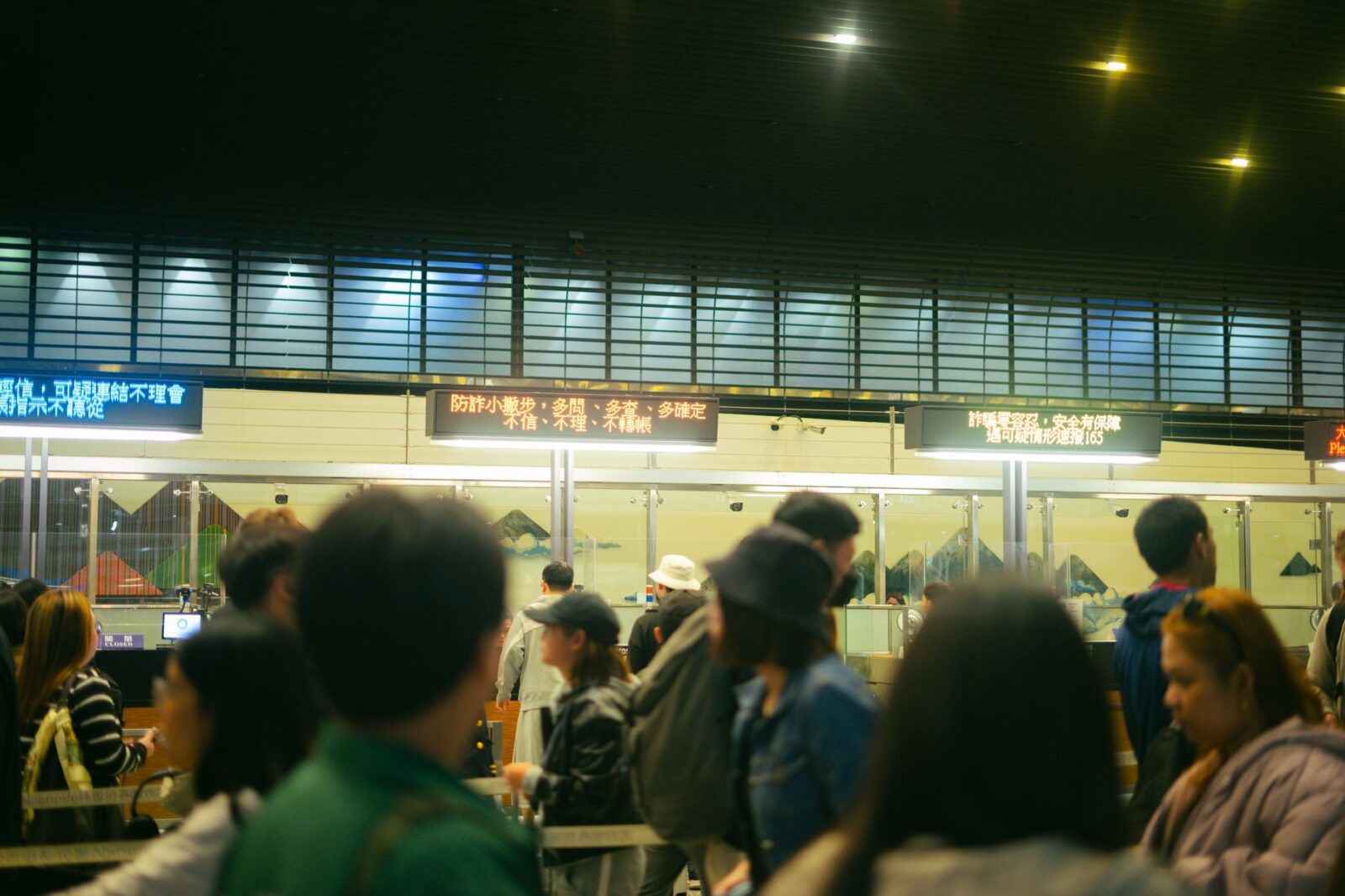
In September 2026, representatives from seventeen European Union and Schengen-associated countries convened in Brussels to discuss a unified framework for the return of individuals who lack legal right to stay. The meeting resulted in a joint statement committing to faster processing of readmission requests, standardized documentation, and increased use of voluntary return programs where appropriate.
The initiative primarily impacts asylum seekers whose claims have been rejected, individuals who have overstayed short‑stay visas, and those apprehended for irregular entry. By aligning procedures, participating states aim to reduce disparities that previously allowed migrants to move freely between countries after a rejection in one jurisdiction.
Travelers holding valid visas or residence permits should not experience direct changes, but those with pending asylum applications or expired permits are advised to seek legal counsel and keep abreast of national implementation timelines. The European Commission’s migration portal provides updates: https://ec.europa.eu/home-affairs/what-we-do/policies/european-agenda-migration_en.
Japan’s Skilled Talent Visa Adjustments and Impact
Japan’s Ministry of Justice reported in July 2026 that arrivals under the Highly Skilled Professional (HSP) visa program fell by an estimated 20‑40 % compared with the previous year, following a revision of the points‑based assessment criteria. The updates increased the minimum salary threshold for eligibility and reduced points awarded for Japanese language proficiency and certain academic credentials.
The change was intended to attract a more narrowly defined pool of top‑earning specialists, particularly in advanced manufacturing and research and development. Consequently, many Indian IT engineers and mid‑level professionals who previously qualified under the HSP scheme now find themselves below the cutoff, prompting some to explore alternative routes such as the Engineer/Specialist in Humanities/International Services visa or to consider opportunities in other Asian hubs.
Applicants should recalculate their points using the latest worksheet available on the Immigration Services Agency of Japan website and consider consulting with an immigration specialist if their score falls short. Official details are provided here: https://www.moj.go.jp/isa/content/001309505.pdf (PDF).

Visa Updates for Indian Travelers: Nine Countries Revise Rules
Early 2026 saw a wave of announcements from nine sovereign states that modified visa or entry procedures specifically for Indian passport holders. While each country tailored its changes to domestic priorities, common themes included the introduction of mandatory pre‑travel electronic authorizations, adjustments to visa‑on‑arrival eligibility, and the implementation or revision of associated processing fees.
Qatar launched a new tourist e‑visa system that requires Indian travelers to obtain approval online before departure, accompanied by a non‑refundable processing fee of QAR 100 (approximately USD 27). Laos temporarily suspended visa‑on‑arrival for Indian tourists, directing them to apply for an e‑visa through the Lao Ministry of Foreign Affairs website. Iran introduced an online tourist e‑visa portal, eliminating the need for in‑person consular visits but retaining a service charge of EUR 30.
The remaining six countries in the group — identified through official gazettes and embassy notices — made comparable adjustments: some shortened the permissible stay duration under visa‑free arrangements, others raised the minimum bank‑balance proof for tourist visas, and a few introduced biometric data collection at points of entry. Travelers should verify the exact requirements for each destination by consulting the respective embassy or consular website well in advance of travel.
Practical Steps for Affected Travelers: What to Do Now
First, verify that your passport has at least six months of validity beyond your intended return date, as many countries enforce this rule strictly for visa issuance and entry. Second, visit the official immigration or foreign affairs portal of the destination country to confirm the current visa category, required documentation, fees, and processing times. Third, gather supporting documents such as proof of accommodation, return or onward travel tickets, financial statements, and any invitation letters well before your planned departure date.
Consider obtaining travel insurance that covers visa‑related contingencies, such as trip cancellation if a visa is denied after non‑refundable bookings have been made. Keep digital and physical copies of all submitted forms, receipts, and correspondence with consular offices, as these can be invaluable if you need to appeal a decision or re‑apply. Finally, monitor reputable news sources and official government announcements for any last‑minute changes, especially during peak travel seasons.
Quick checklist:
- Check passport validity (minimum 6 months)
- Consult destination’s official visa page
- Prepare financial proof (bank statements, sponsorship letters)
- Book refundable accommodation where possible
- Save copies of application forms and payment receipts
- Sign up for embassy email alerts or SMS notifications
Frequently Asked Questions (FAQ)
Which countries changed visa rules for Indian travelers in 2026?
According to official updates from embassies and government gazettes, nine countries revised their entry procedures for Indian passport holders in 2026. The confirmed nations include Qatar, Laos, and Iran, along with six additional states that introduced e‑visa requirements, altered visa‑on‑arrival terms, or adjusted associated fees. Travelers should verify the latest details on each country’s embassy website before making travel plans.
How does the Australian student dependent ban affect my family plans?
Effective September 1, 2026, Indian students holding an Australian subclass 500 visa can no longer bring spouses or children as dependents unless they prove access to at least AUD 25,000 per year per family member in addition to standard tuition and living‑cost funds. If you cannot meet this threshold, you may need to apply for a separate guardian visa, consider study destinations with more lenient family policies, or postpone accompanying travel until after graduation.
What should I do if my US work visa petition is affected by recent policy changes?
The August 2026 court ruling blocked the Trump‑era rule that would have raised wage thresholds and narrowed specialty‑occupation definitions for H‑1B and similar visas. As a result, the existing eligibility criteria remain in place. Continue to file petitions using the current Form I‑129 and supporting evidence, and refer to the USCIS temporary workers page for any future updates: https://www.uscis.gov/working-in-the-united-states/temporary-workers.
Are there any new opportunities for digital nomads amid these visa shifts?
While some countries tightened long‑term stay rules, others launched or expanded digital‑nomad visas in 2026. Examples include Portugal’s D7 remote‑worker scheme, Croatia’s digital nomad residence permit, and Malaysia’s DE Rantau program. These visas typically require proof of remote employment or freelance income, health insurance, and a clean criminal record. Check the specific income thresholds and application procedures on the respective immigration portals.
Where can I find the most reliable, up‑to‑date visa information?
The most authoritative sources are the official immigration or foreign affairs ministries of the destination country. For quick reference, consider the following links: Australian Department of Home Affairs (https://immi.homeaffairs.gov.au/), U.S. Department of State Bureau of Consular Affairs (https://travel.state.gov/content/travel/en/us-visas.html), European Commission Migration and Home Affairs (https://ec.europa.eu/home-affairs/home_en), Japan Immigration Services Agency (https://www.moj.go.jp/isa/index.html), and the Ministry of Foreign Affairs of Qatar (https://www.mofa.gov.qa/en/Pages/default.aspx). Always verify details directly before finalizing travel arrangements.
Stay informed with the latest travel news, visa updates, and destination guides. Follow HimalayanCrest.com for weekly travel intelligence delivered by our editorial team.