

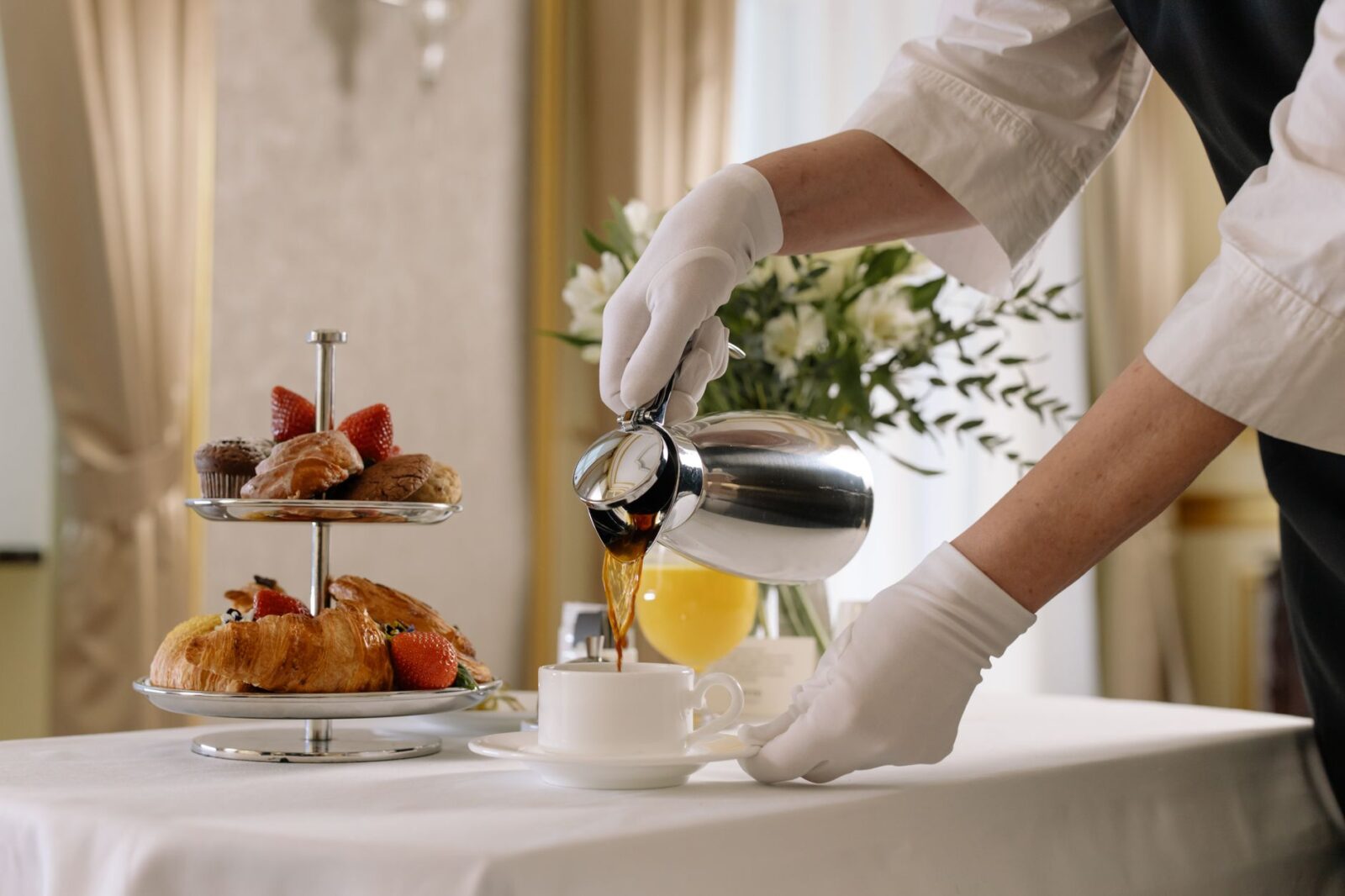
Why Airlines Are Prioritizing Menu Upgrades Over New Seats
Airlines face long lead times when they try to introduce brand‑new cabins. Designing, certifying and installing a fresh business or first‑class seat can take three to five years and often requires hundreds of millions of dollars in investment. These projects also involve complex regulatory approvals and supply‑chain coordination that can stretch timelines even further. As a result, many carriers find themselves unable to refresh their premium product as quickly as market demands.
Because of those delays, carriers are looking for faster ways to make their premium product feel fresh. Updating an inflight menu can be completed in a matter of months, allowing airlines to react quickly to shifting passenger tastes and competitive pressure. A revised menu does not require aircraft downtime or costly seat‑replacement programs. This agility makes food and beverage one of the most flexible levers for differentiating a premium cabin in a crowded marketplace.
New cabins are expensive, complicated, and slow to arrive.
The Celebrity Chef Trend Taking Off in Premium Cabins
Partnering with celebrated chefs has become a popular shortcut for airlines that want to signal luxury without waiting for new seats. By lending their name and recipes, chefs bring instant credibility and a story that resonates with affluent travelers. These collaborations also generate media buzz that can amplify an airline’s brand image far beyond the aircraft cabin.
The approach is not entirely novel; some carriers have experimented with chef‑designed meals for decades. What has changed is the scale and frequency of such deals, as airlines treat them as a core component of their premium‑cabin refresh strategy. Executives now view a signature dish as a tangible way to justify higher fares and improve loyalty among high‑yield passengers.
How Singapore Airlines’ Book the Cook Set the Stage
Singapore Airlines launched its Book the Cook program in 1998, allowing premium‑cabin passengers to pre‑select meals crafted by an International Culinary Panel. The panel includes chefs from Asia, Europe and the Americas, ensuring a diverse range of flavors that reflect the airline’s global network. Over the years, the program has expanded to cover more than 150 destinations and offers dozens of menu choices each season.
This long‑standing initiative demonstrated that a well‑curated dining experience can become a flagship feature of a premium product, even when the physical cabin remains unchanged. Other airlines have taken note, adopting similar pre‑order models or expanding their own culinary panels to compete on gastronomy rather than solely on seat design.
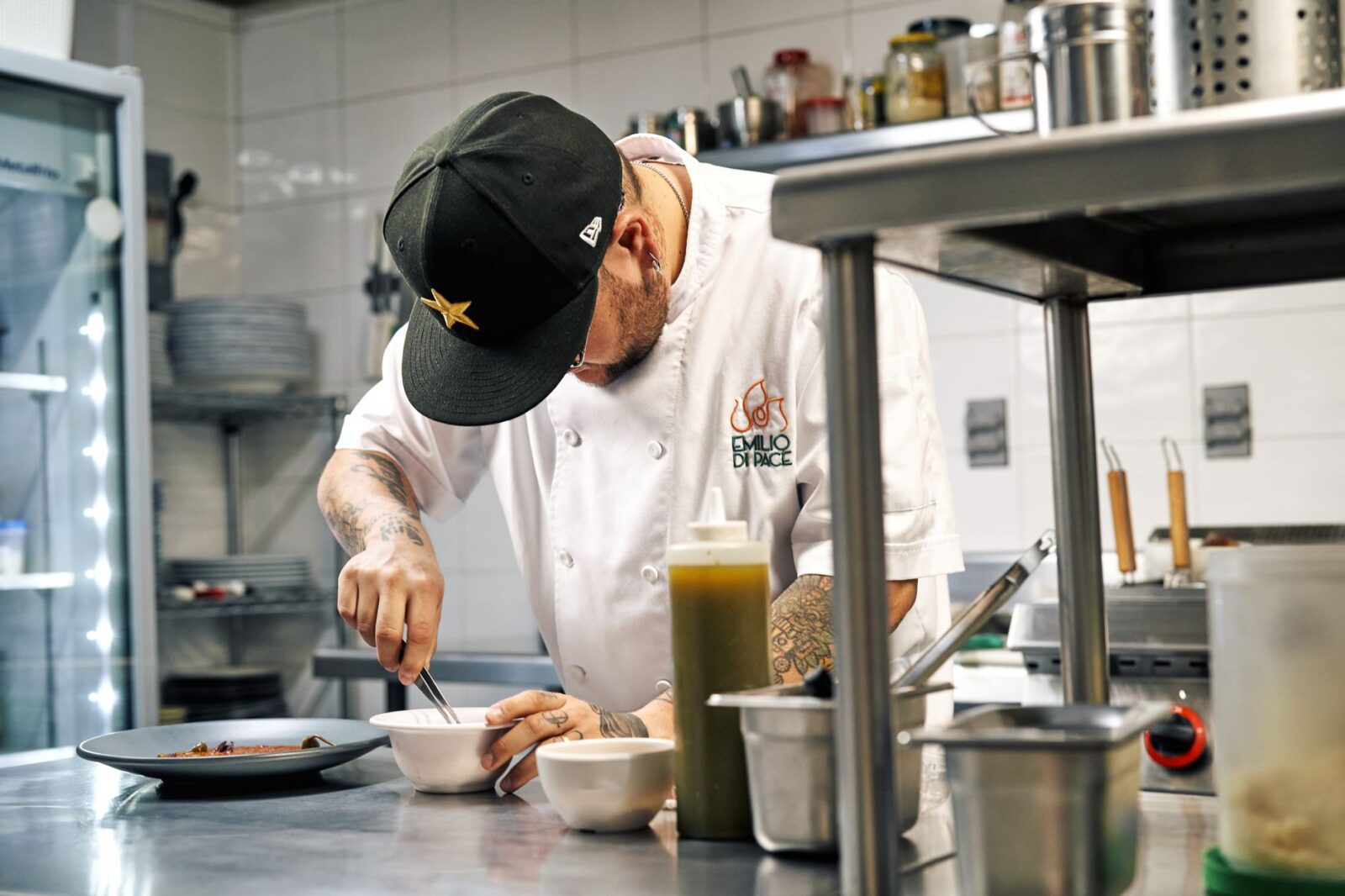
United Airlines’ New Partnership with a Michelin‑Starred Chef
In October 2026 United Airlines announced a collaboration with David Barzelay, the chef behind San Francisco’s two‑Michelin‑starred Lazy Bear and the French‑inspired JouJou. Barzelay will design a series of exclusive dishes for United’s Polaris business class, focusing on seasonal ingredients and modern American techniques. The first set of meals is slated to appear on select transpacific routes beginning in early 2027.
United’s decision highlights how carriers are tapping into established culinary reputations to elevate the perceived value of their premium offering. By featuring a chef with Michelin recognition, the airline aims to attract travelers who associate fine dining with luxury and are willing to pay a premium for that experience.
Delta’s Simultaneous Cabin Refresh and Menu Enhancements
While many airlines lean on menu upgrades alone, Delta Air Lines is pursuing a parallel path. The carrier announced that its Delta One suites will receive new seats on its largest Airbus A350 aircraft, with installations scheduled to start in mid‑2027. At the same time, Delta is overhauling the dining component of Delta One, introducing updated plates, glassware and a refreshed menu developed with input from its internal culinary team.
This combined approach shows that airlines are not abandoning seat improvements altogether; instead, they are using menu changes as an interim solution that can be deployed while longer‑term cabin projects move through certification and production. Passengers on Delta One flights will therefore experience both a newer seat and an upgraded meal service within a relatively short window.
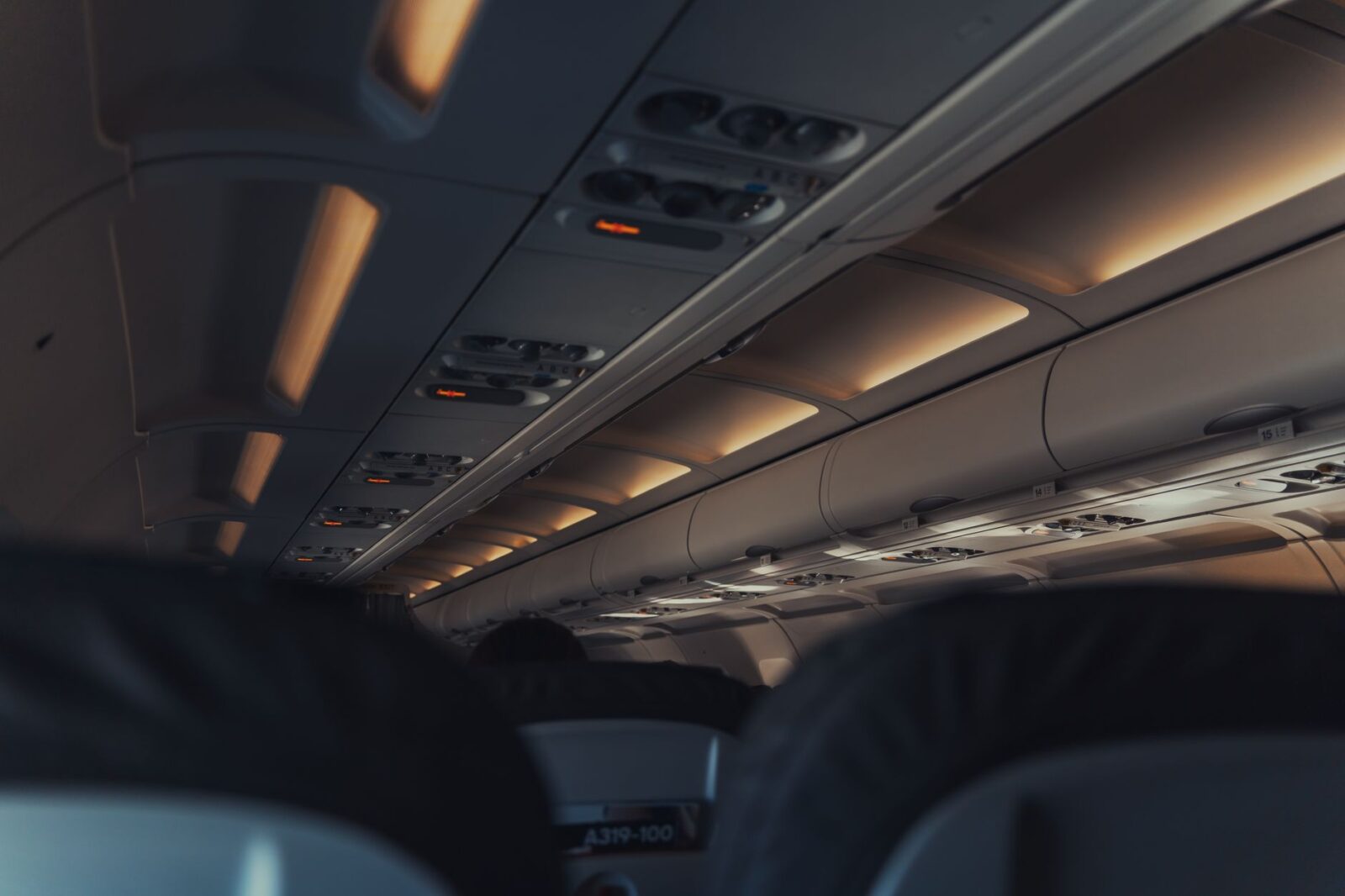
What This Means for Travelers’ Inflight Experience
For passengers, the shift toward chef‑driven menus translates into more varied and higher‑quality meal options, especially in business and first class. Travelers can expect to see dishes that emphasize local provenance, creative plating and dietary‑specific alternatives such as vegan, gluten‑free or low‑sodium selections. Airlines are also expanding beverage pairings, offering curated wine lists and craft cocktails that complement the food.
Beyond the plate, the focus on food can improve overall satisfaction scores, which in turn influences loyalty program engagement and future booking decisions. Travelers who value gastronomy may begin to factor an airline’s culinary reputation into their choice of carrier, particularly on long‑haul routes where the meal occupies a significant portion of the flight time.
Cost Implications: How Menu Upgrades Affect Ticket Prices
Introducing a celebrity‑chef menu does not come free, but the expense is modest compared with a full cabin redesign. Airlines typically allocate a few hundred thousand dollars per aircraft type for recipe development, testing and staff training. These costs are often absorbed into the existing operating budget or passed on through a slight increase in fare classes that target premium passengers.
For the average traveler, the impact on ticket price is usually minimal—perhaps a few dollars extra on a long‑haul business‑class fare. However, the perceived value increase can be substantial, allowing airlines to justify higher fares without raising base prices dramatically. Budget‑conscious flyers who stick to economy class will notice little to no change, as most menu innovations remain confined to premium cabins.
Looking Ahead: The Future of Airline Dining Innovation
Industry analysts predict that chef partnerships will become a standard tool in the airline premium‑cabin toolkit, much like lounge access or amenity kits. As food‑service technology advances—think induction ovens, improved chilling systems and better waste management—carriers will be able to execute more complex recipes at altitude. This could open the door to restaurant‑style tasting menus or interactive dining experiences on select flights.
At the same time, airlines will continue to invest in genuine seat upgrades when market conditions and manufacturer schedules allow. The menu‑first strategy is best viewed as a complementary tactic that keeps the product feeling fresh while the longer‑term cabin projects move through their lengthy development cycles. Travelers who keep an eye on both seat announcements and menu releases will get the clearest picture of how an airline is evolving its premium offering.
Frequently Asked Questions
How long does it typically take to launch a new airline menu compared with a new seat?
A new menu can be designed, tested and rolled out in three to six months, depending on the number of dishes and the need for special equipment. In contrast, developing and certifying a new business or first‑class seat often takes three to five years, with additional time required for fleet‑wide installation.
Do menu upgrades affect economy‑class passengers?
Most chef‑led initiatives are confined to business and first class, where airlines seek to differentiate their highest‑yield product. Economy passengers usually see the standard menu, although some carriers occasionally introduce limited‑time specials that trickle back to the main cabin.
Are the meals actually prepared by the celebrity chef onboard?
The chefs create the recipes and oversee testing, but the meals are prepared by the airline’s catering partners using the chef’s specifications. The chef may visit the kitchen for training sessions, but day‑to‑day cooking is handled by professional flight‑catering teams.
Will I need to pre‑order these special dishes?
Many airlines, following Singapore Airlines’ model, offer a pre‑order system for premium‑cabin meals that feature chef collaborations. Passengers receive an email invitation a few days before departure to select their preferred dish; otherwise, a standard menu is served.
How can I find out if my upcoming flight includes a chef‑designed menu?
Check the airline’s website or mobile app under the “Manage Booking” or “Meal Preferences” section after you have booked a premium‑cabin ticket. Airlines also announce new culinary partnerships in press releases and on their social‑media channels, so following those accounts can give you advance notice.
Stay informed with the latest travel news, visa updates, and destination guides. Follow HimalayanCrest.com for weekly travel intelligence delivered by our editorial team.