

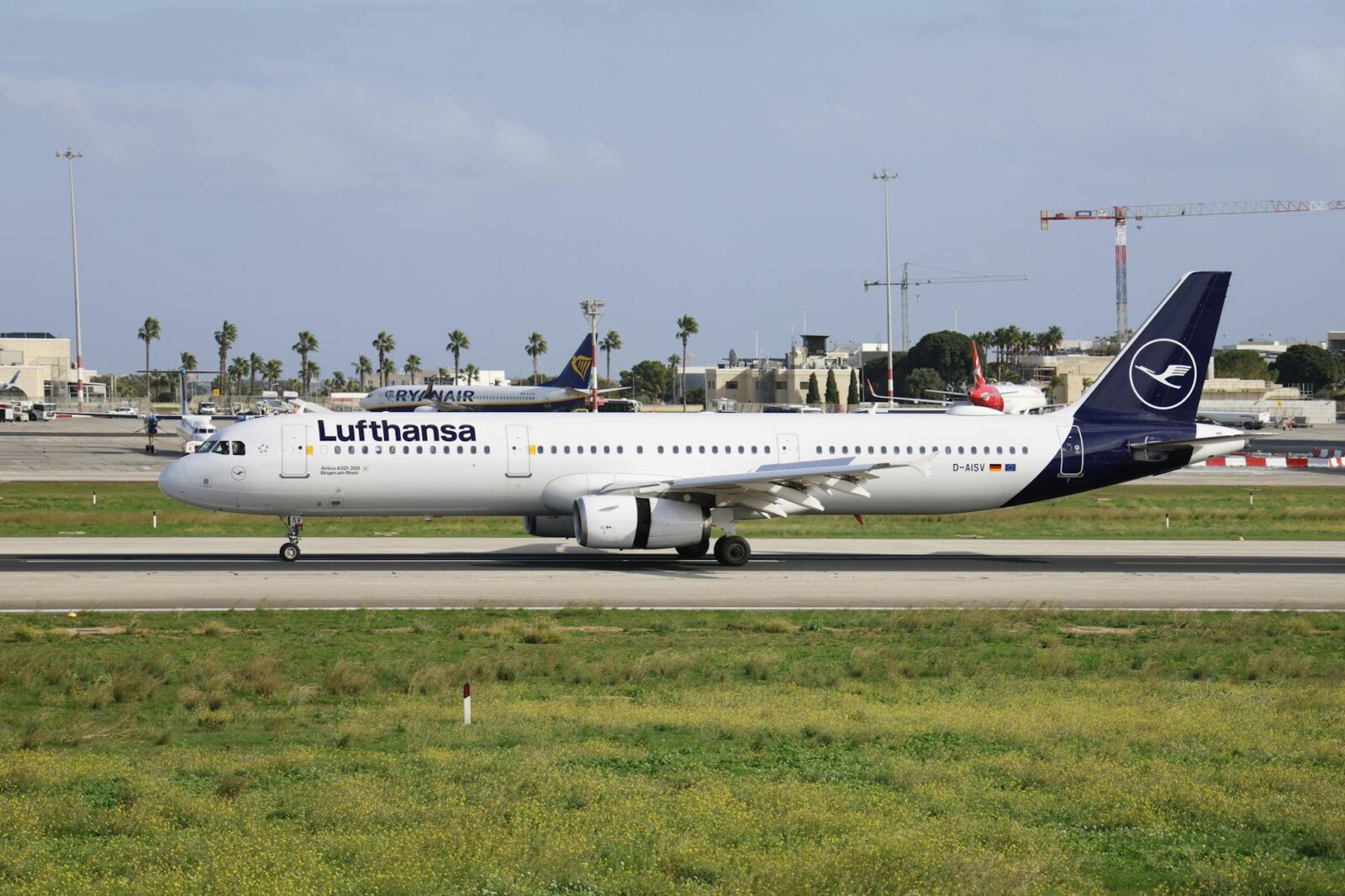
Lufthansa Revives History with Twin Takeoffs from Berlin
Imagine two gleaming jets lifting off in perfect sync, tracing paths carved by rickety biplanes a century ago—this is no dream, but Lufthansa’s bold plan for Easter Monday, April 6, 2026. Exactly 100 years after Deutsche Luft Hansa’s inaugural flights from Berlin-Tempelhof to Zurich and Cologne, the airline will reenact those routes using modern marvels: a Boeing 787-9 Dreamliner (D-ABPU) to Zurich and an Airbus A350-900 (D-AIXL) to Cologne. Both planes sport a striking blue livery with a white XXL crane, symbolizing the carrier’s enduring spirit. This isn’t just nostalgia; it’s a vibrant nod to aviation’s roots that could spark travel buzz across Europe, drawing plane spotters, families, and history buffs to airports from Berlin to the Swiss Alps.
The ceremony kicks off at Berlin Brandenburg Airport (BER) with over 600 guests—employees, partners, influencers, and journalists—gathering for a grand event. The flights, dubbed LH1926 to Zurich (via waypoints Halle, Erfurt, Stuttgart) and LH2026 to Cologne (via Magdeburg), depart simultaneously at 3:00 p.m., mirroring the 1926 parallel launches. Unlike the originals—a Fokker Grulich F II to Zurich with a newlywed couple and a Dornier Komet III to Cologne with one passenger—these will carry over 400 Lufthansa Group employees and partners, plus media. Tickets sold out in days, fueling excitement among aviation fans planning watch parties in Zurich and Cologne.
For travelers, this milestone underscores Lufthansa’s grip on Europe’s skies, blending heritage with high-tech efficiency. As global aviation rebounds post-pandemic, such events remind us how airlines like Lufthansa pioneered routes that now form the backbone of daily travel.
Flashback to 1926: The Dawn of German Skies
On April 6, 1926, at 7:25 a.m., Deutsche Luft Hansa launched from Berlin-Tempelhof, marking Germany’s entry into commercial aviation. The Zurich flight covered about 880 km with stops, while Cologne’s was shorter at around 550 km, both feats on fragile aircraft without modern navigation. These weren’t joyrides; they carried mail, passengers, and hope for a fledgling industry born from post-WWI innovation. Fast-forward to today, and Lufthansa—evolving from Luft Hansa—operates a fleet of over 300 aircraft serving 200+ destinations.
The original planes chugged at speeds under 200 km/h, contrasting sharply with the Dreamliner’s 900+ km/h cruise. Yet the routes endure: Berlin-Zurich is now a staple with dozens of daily flights, and Berlin-Cologne thrives on short-haul demand. This reenactment honors that legacy while showcasing aircraft efficiency— the A350 and 787 boast 20-25% better fuel burn than predecessors, aligning with green aviation pushes. Travelers from Asia to Africa flying Lufthansa hubs will feel this pride through branded experiences worldwide.
Our research at HimalayanCrest.com reveals how such anniversaries boost airline loyalty. Seasoned travelers report these events often lead to themed promotions, making it a prime moment to book Europe legs.
Planes Meet Crowds: What to Expect at BER and Beyond
Berlin Brandenburg Airport transforms into a centenary stage on April 6, with spectator terraces packed for the 3:00 p.m. dual takeoff. Aviation enthusiasts from across Europe—and even the Middle East via Dubai connections—plan to flock here, cameras ready for the blue-liveried giants. In Zurich and Cologne, arrival fanfare awaits, potentially including local welcomes echoing 1926’s modest landings.
To join the buzz without boarding (tickets gone), head to BER’s visitor deck early—free entry, but arrive by noon for spots. Families in Germany can turn it into an Easter outing: pack picnics, spot the crane logos from afar. For those in Switzerland or western Germany, airport viewing areas offer prime arrival views around 4:30-5:00 p.m., depending on winds. Pro tip: Check live flight trackers like Flightradar24 for real-time paths over historic waypoints—no stopovers, but flyovers nod to the past.
Safety first—crowds mean security lines, so travelers with regular Easter Monday flights from BER should add 2 extra hours buffer. This event highlights BER’s role as Lufthansa’s growing eastern hub, easing Frankfurt overload for routes to Asia and North America.
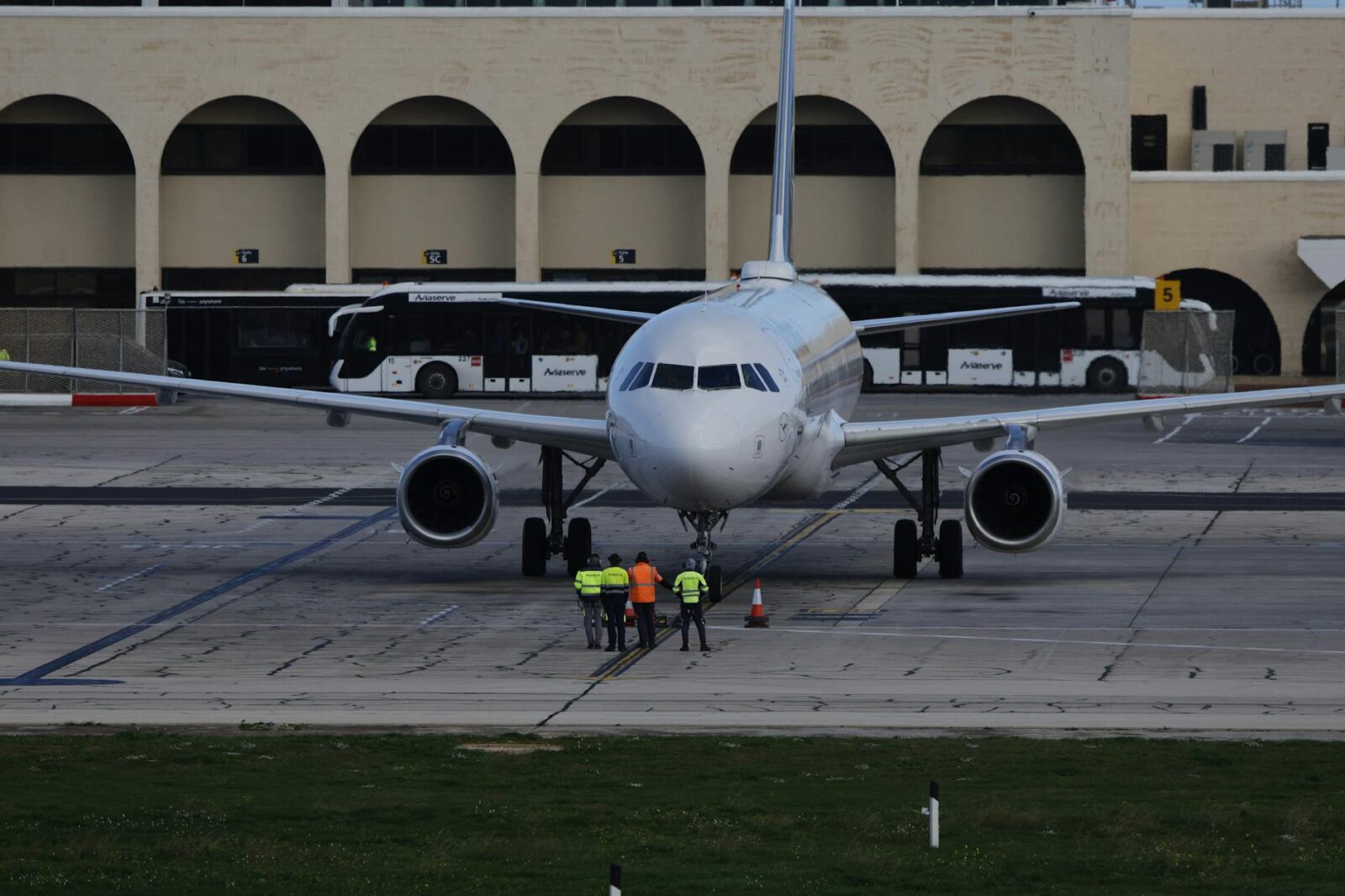
Lufthansa’s Century in the Global Travel Boom
Lufthansa’s story mirrors aviation’s arc: from 1926’s two flights to a group hauling 140 million passengers yearly pre-pandemic, now rebounding strong. Amid global trends like sustainable fuels and supersonic revivals, this centenary fits perfectly—celebrating endurance while eyeing net-zero by 2050. Compare to Emirates’ rapid rise or Air India’s revival; Lufthansa’s heritage gives it emotional edge in loyalty programs like Miles & More, popular with Filipinos routing to Europe or Nigerians via Frankfurt.
Europe’s skies heat up with Ryanair’s low-cost surge and Swiss’ precision, yet Lufthansa dominates premiums—18% market share in long-haul from Germany. Post-COVID, demand spikes for Berlin routes: Zurich up 15% yearly for business, Cologne for leisure. This event could amplify that, tying into broader trends like experiential travel where history sells seats. From Himalayan trekkers flying to Delhi hubs onward, Lufthansa’s network touches every continent.
Looking east-west, it parallels Qantas’ 100-year Aussie flights or LATAM’s South American pushes—airlines leveraging anniversaries to claim cultural space amid geopolitical shifts like EU green deals.
Book Smart: Travel Tips Around the Centenary
Can’t snag special flight tickets? No sweat—Lufthansa often rolls out promo fares post-events. Watch for Berlin-Zurich from $99 one-way or Cologne roundtrips under $150 USD in economy, especially off-peak. Use this as a hook for spring Europe trips: Combine with Easter markets in Cologne (think Kölsch beer tastings) or Zurich’s chocolate festivals.
- Spot from Ground: BER terrace (free), Zurich Kloten viewing park, Cologne Bonn runway ends—bring binoculars.
- Family Day Out: Pair with Berlin’s Tiergarten picnic or Rhine cruises from Cologne; costs $20-50 USD/person.
- Business Travelers: Book connecting flights via BER for Asia/Middle East legs; add-ons like lounge access $60 USD.
- Budget Hack: Train alternatives—Berlin-Zurich ICE trains $80 USD, scenic via Alps.
For global nomads from UAE or Philippines, layer this into Star Alliance itineraries—earn double miles on Lufthansa legs now through summer. Always verify via lufthansa.com for real-time deals.
Cost Breakdown: Flying History Without Breaking Bank
Special flights? Invite-only, zero public cost—but ripple effects matter. Regular Berlin-Zurich economy starts at $120 USD roundtrip in April, spiking 20% on event day due to demand; book now via app for locks. Cologne fares hover $90 USD, but add $30-50 USD for centenary surcharges or sold-out slots.
Budget travelers: Opt mid-week post-Easter for dips—15-25% savings. Families factor $400-600 USD for four on short-haul, including bags ($50 USD extra). Premium economy? $250+ USD one-way, worth it for legroom on these 1-1.5 hour hops. From India, Delhi-Berlin via Lufthansa $800 USD roundtrip; bundle for Alps extensions.
Tickets for special flights sold out within days, signaling high demand for historic routes.
Adjust budgets: Allocate 10% extra for Europe Easter peaks. Tools like Google Flights show Lufthansa’s edge over budget carriers for reliability—crucial for UAE expats or South Koreans connecting home.
What’s Next: Lufthansa’s Post-Centenary Push
Expect more 2026 fireworks: Retro liveries on regular routes, pop-up exhibits at FRA/MUC, maybe even passenger contests for heritage flights. Analysts predict network growth—new Berlin long-hauls to Bangkok or Boston, echoing A380 revivals. Sustainability angles: These efficient jets preview hydrogen tests by 2030, cutting emissions for global routes.
For travelers, this cements Lufthansa as heritage powerhouse amid rivals like Delta’s transatlantic bids. Watch for Miles & More bonuses—double points on Germany-Switzerland till June. Future: Expanded BER as Asia gateway, benefiting Filipinos or Indonesians en route to Europe. Our experts foresee 5-10% fare hikes short-term from hype, then stabilization.
Globally, it inspires: Think ANA’s Japan centenaries or SAA’s African revamps—history fuels loyalty in crowded skies.
FAQ: Your Lufthansa Centenary Questions Answered
Can I still book the special flights? No, tickets sold out in days to employees, partners, influencers, and media. Check lufthansa.com for similar promo flights post-event.
Where to watch the takeoffs? Best at BER’s public viewing terrace—free, arrive early. Zurich and Cologne airports have spots too; use Flightradar24 for live tracking over waypoints like Halle and Magdeburg. Expect crowds, so plan 2-hour buffers for your own travel.
How do 1926 flights compare to 2026? Originals used biplanes with stops, tiny passenger loads (1-4 people). Modern ones: Non-stop, 300+ capacity, speeds 5x faster, special crane livery. Routes honor history but leverage today’s tech.
Will this affect regular fares or schedules? Possible short spikes—Berlin-Zurich up 10-20% on April 6. Book early for savings; Lufthansa adds capacity amid high demand. No major disruptions reported.
Any tie-ins for international travelers? Yes—Star Alliance perks apply. From hubs like Delhi or Dubai, connect seamlessly; expect themed onboard content all year.
Stay informed with the latest travel news, visa updates, and destination guides. Follow HimalayanCrest.com for weekly travel intelligence delivered by our editorial team.