


The Bermuda Triangle: A Region of Unexplained Disappearances
The Bermuda Triangle, a region in the western part of the North Atlantic Ocean, has been shrouded in mystery for decades. This area, bounded by the points of Miami, Florida; San Juan, Puerto Rico; and Bermuda, has been the site of numerous unexplained disappearances of ships, planes, and people. Theories have ranged from magnetic anomalies and methane gas bubbles to extraterrestrial activity and the lost city of Atlantis.
One of the most enduring stories about the Bermuda Triangle is the disappearance of Flight 19, a group of five U.S. Navy TBM Avenger torpedo bombers that vanished on December 5, 1945, while on a training mission. Despite extensive searches, no wreckage or bodies were ever found. This incident has been widely attributed to the Bermuda Triangle, although some researchers have questioned the accuracy of this claim.
According to Larry Kusche, author of The Bermuda Triangle Mystery: Solved, many claims of mysterious disappearances in the Bermuda Triangle can be explained by natural phenomena, human error, or exaggeration. However, this has not stopped the public’s fascination with the area, and it remains one of the most popular topics in maritime folklore.
Giant Structure Deep Beneath the Bermuda Triangle
In recent years, scientists have discovered a giant structure deep beneath the Bermuda Triangle. This finding has sparked renewed interest in the area, with some speculating that it could be related to the unexplained disappearances. However, experts caution that more research is needed to fully understand the significance of this discovery.
The structure, which is estimated to be over 1,000 feet long and 500 feet wide, is believed to be a natural formation, possibly a underwater mountain or ridge. While it is unclear what role, if any, this structure plays in the Bermuda Triangle’s mysterious reputation, it is an intriguing example of the area’s unique geology.
As researchers continue to study the Bermuda Triangle, they are also exploring other natural phenomena that could contribute to the area’s reputation. These include rogue waves, which are unusually large and powerful waves that can appear without warning, and methane hydrates, which are deposits of frozen methane that can release gas bubbles, potentially affecting navigation and communication equipment.
Rogue Waves: A Possible Explanation for Disappearances
Rogue waves, also known as freak waves, are a rare but potentially deadly phenomenon that can occur in the Bermuda Triangle. These waves are typically much larger than normal waves and can appear without warning, making them a significant threat to ships and aircraft.
According to research by the National Oceanic and Atmospheric Administration (NOAA), rogue waves are more common in areas with strong ocean currents and storms, such as the Bermuda Triangle. While they are not a guaranteed explanation for all disappearances in the area, they are a plausible factor that could contribute to the region’s reputation.
In addition to rogue waves, other natural phenomena, such as hurricanes and storms, can also pose a significant threat to travelers in the Bermuda Triangle. These storms can bring strong winds, heavy rainfall, and rough seas, making it difficult for ships and aircraft to navigate the area safely.
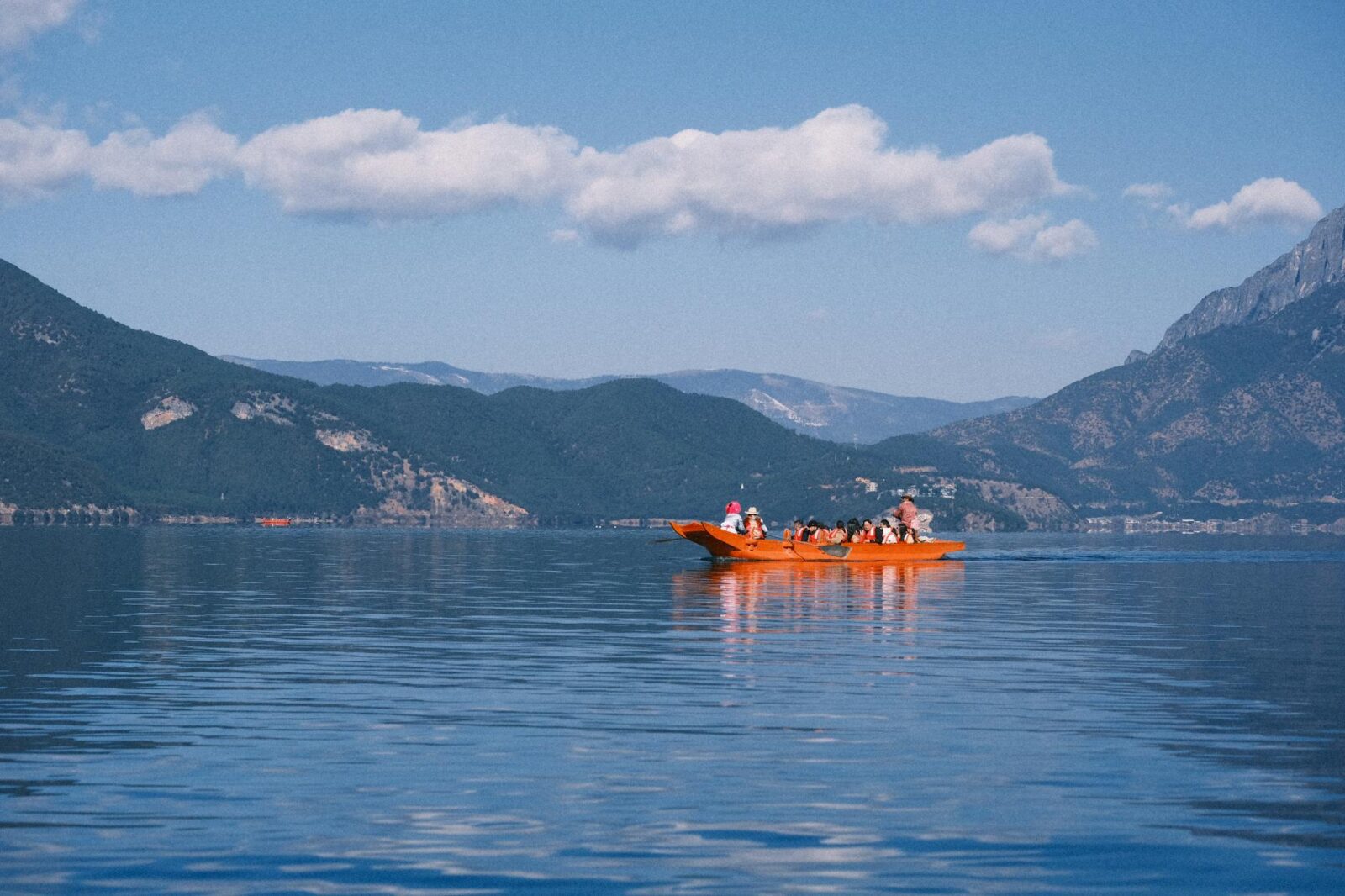
Methane Hydrates: A Potential Hazard for Navigation
Methane hydrates are deposits of frozen methane that can be found on the seafloor in the Bermuda Triangle. These deposits can release gas bubbles, which can potentially affect navigation and communication equipment, making it difficult for ships and aircraft to stay on course.
While the exact role of methane hydrates in the Bermuda Triangle’s mysterious reputation is still unclear, researchers believe that they could be a contributing factor to some of the unexplained disappearances. Studies have shown that methane hydrates can release large amounts of gas, which can cause ships to lose buoyancy and sink, or create holes in the seafloor that can trap vessels.
As scientists continue to study the Bermuda Triangle, they are also exploring other potential hazards, such as geomagnetic anomalies, which can affect compass readings and disrupt navigation equipment. While these phenomena are not unique to the Bermuda Triangle, they can contribute to the area’s reputation for being a challenging and unpredictable place to travel.
Geomagnetic Anomalies: A Possible Explanation for Disorientations
Geomagnetic anomalies are areas where the Earth’s magnetic field is stronger or weaker than normal. In the Bermuda Triangle, these anomalies can cause compass readings to be inaccurate, making it difficult for ships and aircraft to navigate the area.
According to research by the U.S. Geological Survey (USGS), the Bermuda Triangle is home to several geomagnetic anomalies, which can affect navigation equipment and disrupt communication systems. While these anomalies are not a guaranteed explanation for all disappearances in the area, they are a plausible factor that could contribute to the region’s reputation.
In addition to geomagnetic anomalies, other natural phenomena, such as currents and tides, can also pose a significant threat to travelers in the Bermuda Triangle. These currents and tides can be strong and unpredictable, making it difficult for ships and aircraft to stay on course and avoid hazards.

Currents and Tides: A Challenge for Navigation
The Bermuda Triangle is known for its strong and unpredictable currents and tides. These can make it difficult for ships and aircraft to navigate the area, especially for those who are not familiar with the region.
According to research by the National Oceanic and Atmospheric Administration (NOAA), the Bermuda Triangle is home to several strong currents, including the Gulf Stream, which can reach speeds of up to 5 miles per hour. These currents can be challenging to navigate, especially for small vessels or those with limited experience.
As scientists continue to study the Bermuda Triangle, they are also exploring other potential challenges, such as human error and equipment failure, which can contribute to accidents and disappearances in the area. While these factors are not unique to the Bermuda Triangle, they can play a significant role in the region’s reputation for being a hazardous place to travel.
Human Error and Equipment Failure: A Significant Factor
Human error and equipment failure are significant factors that can contribute to accidents and disappearances in the Bermuda Triangle. These can include mistakes made by pilots or sailors, such as navigating through the wrong channel or failing to follow safety protocols.
According to research by the National Transportation Safety Board (NTSB), human error is a leading cause of accidents in the aviation and maritime industries. In the Bermuda Triangle, this can be exacerbated by the region’s unique challenges, such as strong currents and unpredictable weather.
As travelers plan their trips to the Bermuda Triangle, it is essential to be aware of the potential hazards and take necessary precautions to stay safe. This includes checking the weather forecast before embarking on a journey, following safety protocols, and being prepared for emergencies.
Practical Tips for Travelers
For those planning to travel to the Bermuda Triangle, there are several practical tips that can help ensure a safe and enjoyable journey. These include researching the area and being aware of the potential hazards, checking the weather forecast before embarking on a journey, and following safety protocols such as wearing life jackets and carrying emergency equipment.
In addition to these precautions, travelers should also be aware of the local laws and regulations that apply to the area. This includes obtaining necessary permits and following guidelines for responsible tourism.
By taking these precautions and being aware of the potential hazards, travelers can minimize their risk and have a safe and enjoyable journey to the Bermuda Triangle.
FAQs
Q: What is the Bermuda Triangle?
A: The Bermuda Triangle is a region in the western part of the North Atlantic Ocean where a number of aircraft and ships are said to have disappeared under mysterious circumstances.
Q: What are some of the theories behind the Bermuda Triangle’s mysterious reputation?
A: Theories range from magnetic anomalies and methane gas bubbles to extraterrestrial activity and the lost city of Atlantis.
Q: Is the Bermuda Triangle a dangerous place to travel?
A: While the Bermuda Triangle has a reputation for being a hazardous place to travel, the reality is that the number of incidents in the area is not significantly higher than in other similarly trafficked areas.
Q: What can travelers do to stay safe in the Bermuda Triangle?
A: Travelers can minimize their risk by researching the area, checking the weather forecast, following safety protocols, and being prepared for emergencies.
Q: Are there any local laws or regulations that travelers should be aware of?
A: Yes, travelers should be aware of local laws and regulations, including obtaining necessary permits and following guidelines for responsible tourism.
Stay informed with the latest travel news, visa updates, and destination guides. Follow HimalayanCrest.com for weekly travel intelligence delivered by our editorial team.