

The Allure of the Rocky Shoals Spider Lilies
Imagine paddling gently down a serene river, the early morning mist rising above the water, when suddenly you are surrounded by a sea of white blooms dancing in the gentle current. This isn’t a scene from a fairytale; it’s the breathtaking reality on the Catawba River in South Carolina, home to the largest population of Rocky Shoals Spider Lilies in the world.
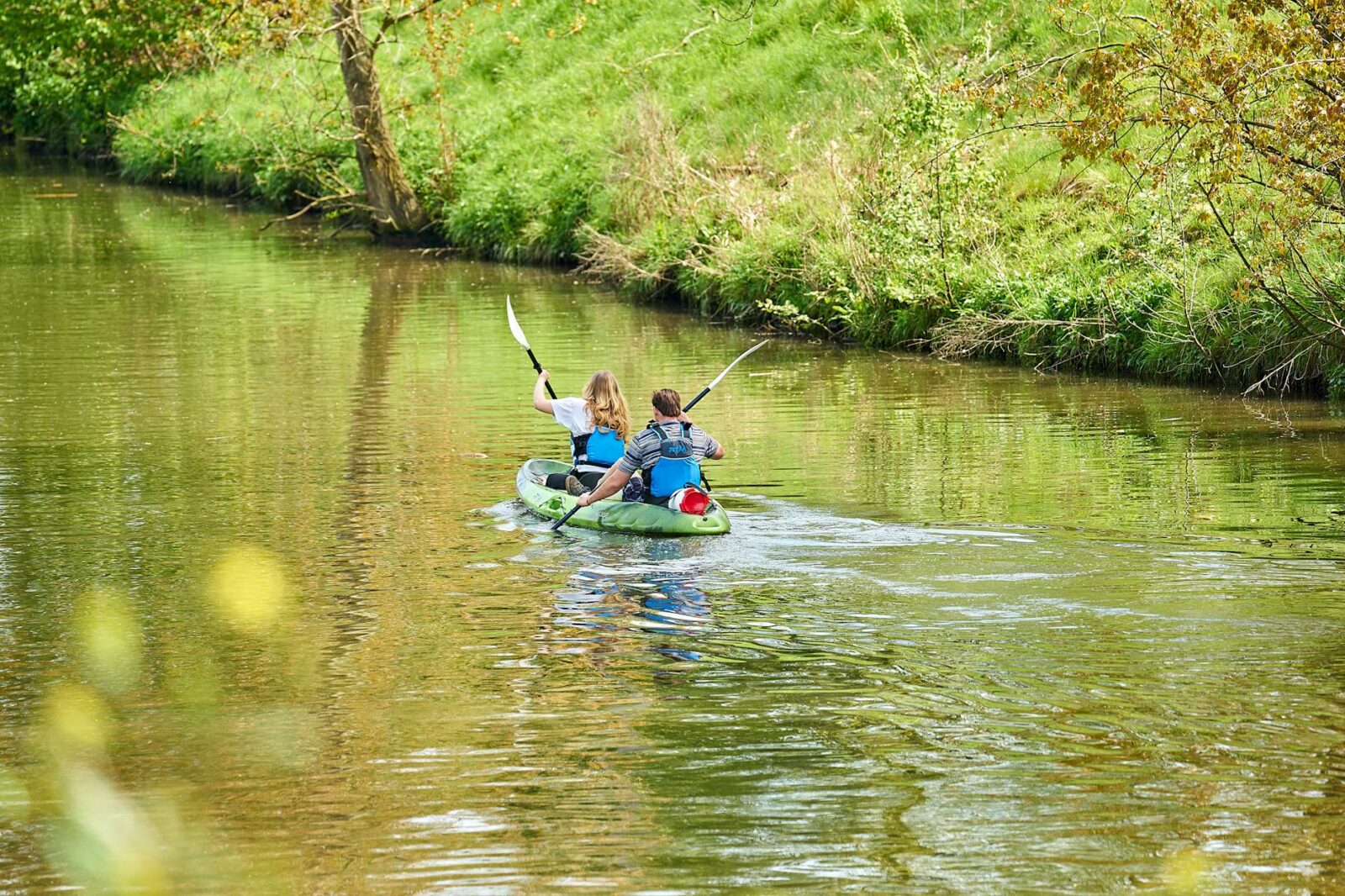
These rare wildflowers create a spectacle that draws nature enthusiasts and travelers from across the globe. Found only in the Southeastern United States, specifically in Alabama, Georgia, and South Carolina, these lilies bloom for a fleeting window between May and mid-June. The best way to witness this natural wonder? By kayak, where you can glide through the heart of their habitat.
Understanding the Unique Habitat
The Rocky Shoals Spider Lilies thrive in a unique ecosystem where rocky shoals meet rapidly flowing waters. This specific environment is not just rare but also critical for the lilies’ survival. Their presence in such a harsh habitat is a testament to nature’s resilience and adaptability. According to South Carolina State Parks, these lilies are not just rare; they represent an important part of the local biodiversity.
This environment can be both a challenge and a blessing for the lilies. While the rocky, fast-moving waters deter many potential threats, they also limit the regions where these plants can thrive, making their blooms even more precious and sought after by plant lovers and environmentalists alike.
A Global Trend: Experiencing Nature by Water
The idea of experiencing nature’s wonders by water is not unique to the Catawba River. Globally, there is a growing trend towards eco-friendly travel that emphasizes low-impact, immersive experiences. From the bioluminescent bays of Puerto Rico to the mangrove swamps of Southeast Asia, travelers are increasingly opting for kayak and canoe tours as a way to connect with nature without leaving a heavy footprint.
This shift towards sustainable tourism is not only beneficial for the environment but also offers travelers a more intimate and rewarding experience. By choosing to explore by kayak, visitors to the Catawba River can enjoy the tranquility of the setting while minimizing disturbance to the delicate ecosystem.

Planning Your Visit: Practical Tips
If you’re planning to witness the Rocky Shoals Spider Lilies in bloom, timing is everything. With their bloom period lasting only from May to mid-June, it’s crucial to plan your visit accordingly. Kayak tours are available through various local operators, and booking in advance is highly recommended given the short blooming window and the increasing popularity of this natural event.
- Gear Up: Wear lightweight, quick-drying clothing and bring a waterproof bag for your essentials.
- Safety First: Always wear a life vest, and consider a guided tour if you’re unfamiliar with kayaking or the river.
- Respect Nature: Remember to leave no trace. Respect the natural environment by not picking flowers or disturbing wildlife.
What to Expect in the Coming Years
As awareness of these rare wildflowers grows, so too does the interest in visiting the Catawba River. This increased attention has both positive and negative implications. On one hand, it provides opportunities for local communities to benefit from ecotourism, but it also raises concerns about environmental impact and sustainability.
Conservation efforts are crucial to ensure that the Rocky Shoals Spider Lilies continue to thrive. Initiatives to protect their habitat and educate visitors are essential components of a sustainable tourism model that benefits both the environment and the economy.

Budget Considerations for Travelers
Visiting the Rocky Shoals Spider Lilies can be a budget-friendly adventure if planned properly. Kayak rentals typically range from $30 to $50 USD, with guided tours costing a bit more, around $60 to $100 USD per person. Accommodation options vary from budget-friendly campgrounds to more upscale lodges and bed-and-breakfasts, with prices ranging from $50 to $200 USD per night depending on the level of comfort and proximity to the river.
Transportation to the area can also be an expense to consider. The nearest major airport is Charlotte Douglas International Airport, approximately a one-hour drive from the river, making car rental a practical choice for most travelers.
Frequently Asked Questions
When is the best time to see the Rocky Shoals Spider Lilies?
The Rocky Shoals Spider Lilies bloom between May and mid-June. Visiting during this period ensures you see the flowers at their peak.
How long does a typical kayak tour last?
Most kayak tours on the Catawba River last between two to three hours, allowing ample time to enjoy the scenery and the lilies.
Do I need prior kayaking experience to join a tour?
No prior experience is necessary. Many tours cater to beginners and provide all necessary equipment and instructions.
Are there any restrictions or permits required?
There are no special permits required for kayaking on the river, but it’s advisable to book tours in advance due to high demand during the bloom season.
What other attractions are nearby?
The area offers a variety of outdoor activities, including hiking trails, bird watching, and the opportunity to explore local history at nearby museums and cultural sites.
Stay informed with the latest travel news, visa updates, and destination guides. Follow HimalayanCrest.com for weekly travel intelligence delivered by our editorial team.