

A New Dawn for Hungary: Political Shifts and Tourism Impacts
Imagine a nation poised at the crossroads of history, where a seismic political shift promises to reshape its future. Hungary, a country steeped in tradition and beauty, has just experienced a political upheaval that is set to reverberate across Europe and beyond. With the ousting of Viktor Orbán, Hungary is stepping into a new era under the leadership of the pro-European Tisza party, led by Péter Magyar. This change not only signals a shift in Hungary’s political landscape but also heralds potential transformations in its tourism industry.
The End of an Era: Orbán’s 16-Year Rule Concludes
On April 12, 2026, Hungary witnessed a landmark election that ended Viktor Orbán’s 16-year tenure as Prime Minister. The Tisza party, advocating closer ties with the European Union and NATO, emerged victorious with a projected 138 seats in the 199-seat parliament, a stark contrast to the Fidesz party’s 55 seats. This victory reflects Hungary’s decision to embrace a more open and democratic path, potentially mending its strained relationship with the EU and paving the way for renewed partnerships and investments.
Hungary’s New Political Landscape: A Broader Context
The change in leadership comes at a time when global travel trends are evolving. Across the world, countries are redefining their tourism strategies to attract international visitors post-pandemic. Hungary’s shift towards a more EU-aligned government could enhance its appeal as a tourist destination, emphasizing cultural exchanges and heritage tourism. This aligns with a growing global trend where travelers seek destinations that offer both cultural richness and political stability.

What This Means for Travelers
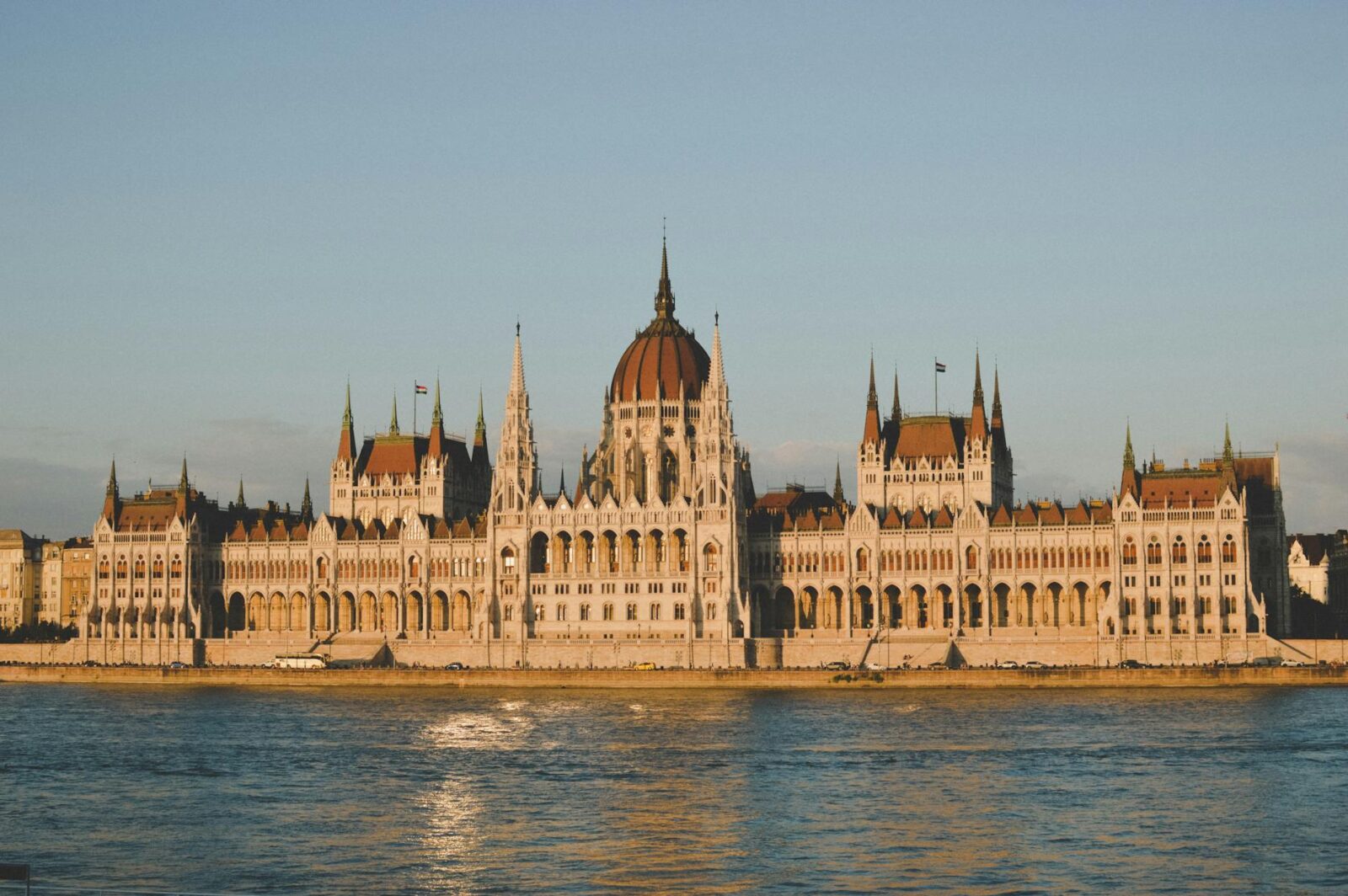
For travelers planning trips to Hungary, the political shift brings a renewed sense of optimism. Hungary’s commitment to EU norms suggests improved infrastructure, enhanced safety measures, and potentially more favorable visa policies for international visitors. Budapest, known for its stunning architecture and vibrant cultural scene, may see increased investments in tourism facilities, making it an even more attractive destination.
Looking Ahead: Expert Predictions and Trends
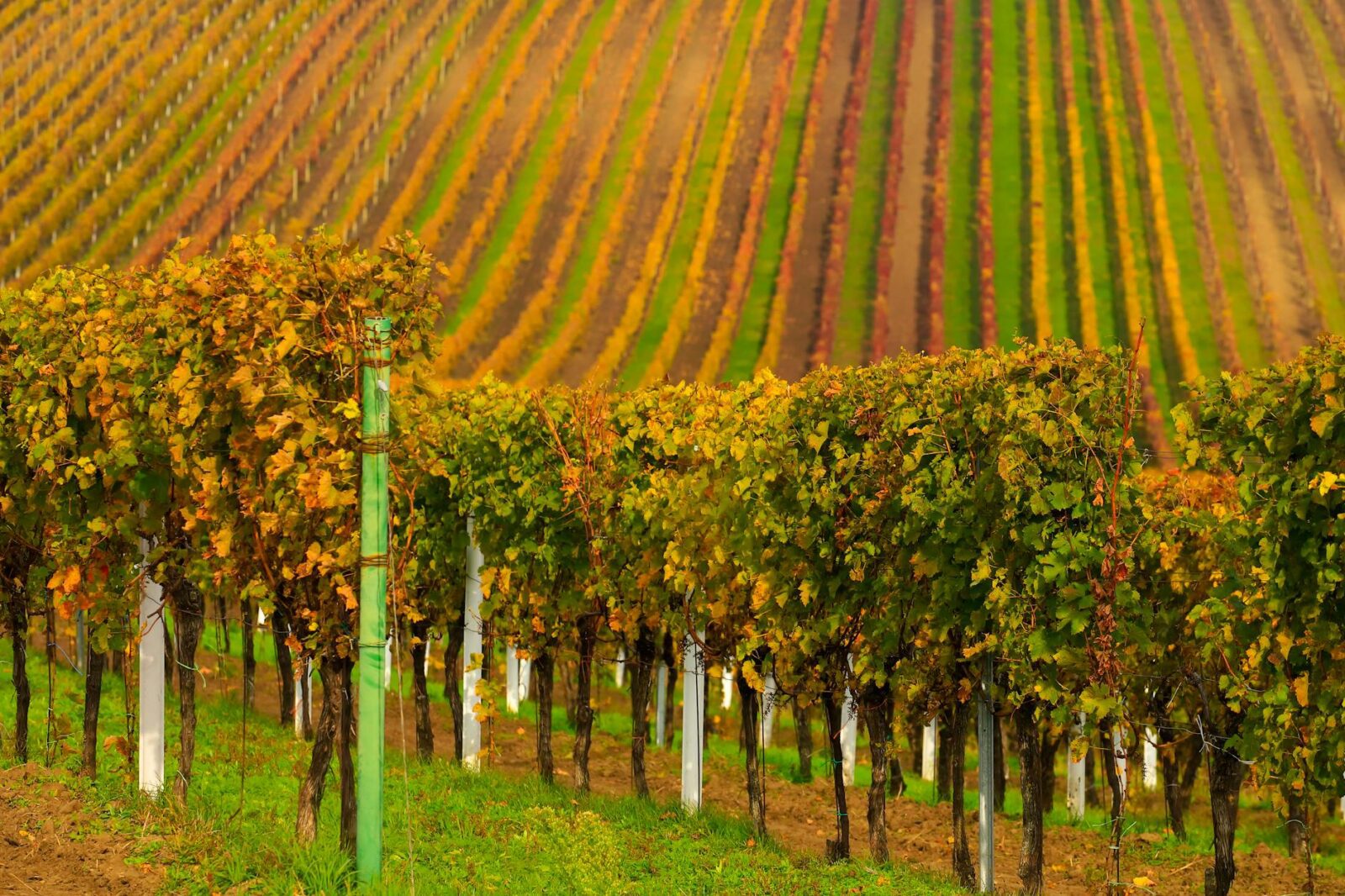
Experts predict that Hungary’s tourism industry could experience a significant boost as the country repositions itself on the global stage. With a focus on sustainability and cultural preservation, Hungary could attract eco-conscious travelers and those interested in authentic cultural experiences. This shift may also lead to the development of new tourism circuits, highlighting lesser-known regions like the wine-producing Tokaj area and the thermal baths of Hévíz.
Budget Considerations for Travelers
As Hungary embarks on this new journey, travelers should be aware of potential cost implications. While Hungary remains an affordable European destination, changes in government policies could lead to fluctuations in currency exchange rates and potential adjustments in travel-related taxes. Visitors are advised to monitor these developments and budget accordingly to ensure a seamless travel experience.
FAQs: Navigating Hungary’s New Era
What does the political change mean for tourists?
The political shift in Hungary signals a more EU-friendly government, likely resulting in improved infrastructure, safety, and potentially more favorable visa policies for travelers.
Will there be changes to visa requirements for visiting Hungary?
While specific changes have not been announced, a pro-EU government may streamline visa processes, making it easier for international tourists to visit Hungary.
How might travel costs be affected by the new government?
While Hungary remains affordable, travelers should watch for changes in exchange rates and taxes that could affect overall travel costs.
What new tourist attractions might emerge under the new leadership?
Expect new tourism circuits highlighting regions like Tokaj and Hévíz, emphasizing cultural and sustainable tourism experiences.
How can travelers prepare for a trip to Hungary now?
Stay informed about political developments, budget for potential cost changes, and explore emerging tourist destinations within Hungary.
Conclusion: Share Your Thoughts
Hungary’s political transformation marks an exciting time for both the nation and its visitors. As the country embraces a new era of openness and collaboration, travelers worldwide are encouraged to explore its rich history and vibrant culture. We invite you to share your experiences and insights on Hungary’s evolving landscape in the comments below. Your perspectives can inspire others to discover all that Hungary has to offer in this pivotal moment.
Stay informed with the latest travel news, visa updates, and destination guides. Follow HimalayanCrest.com for weekly travel intelligence delivered by our editorial team.