

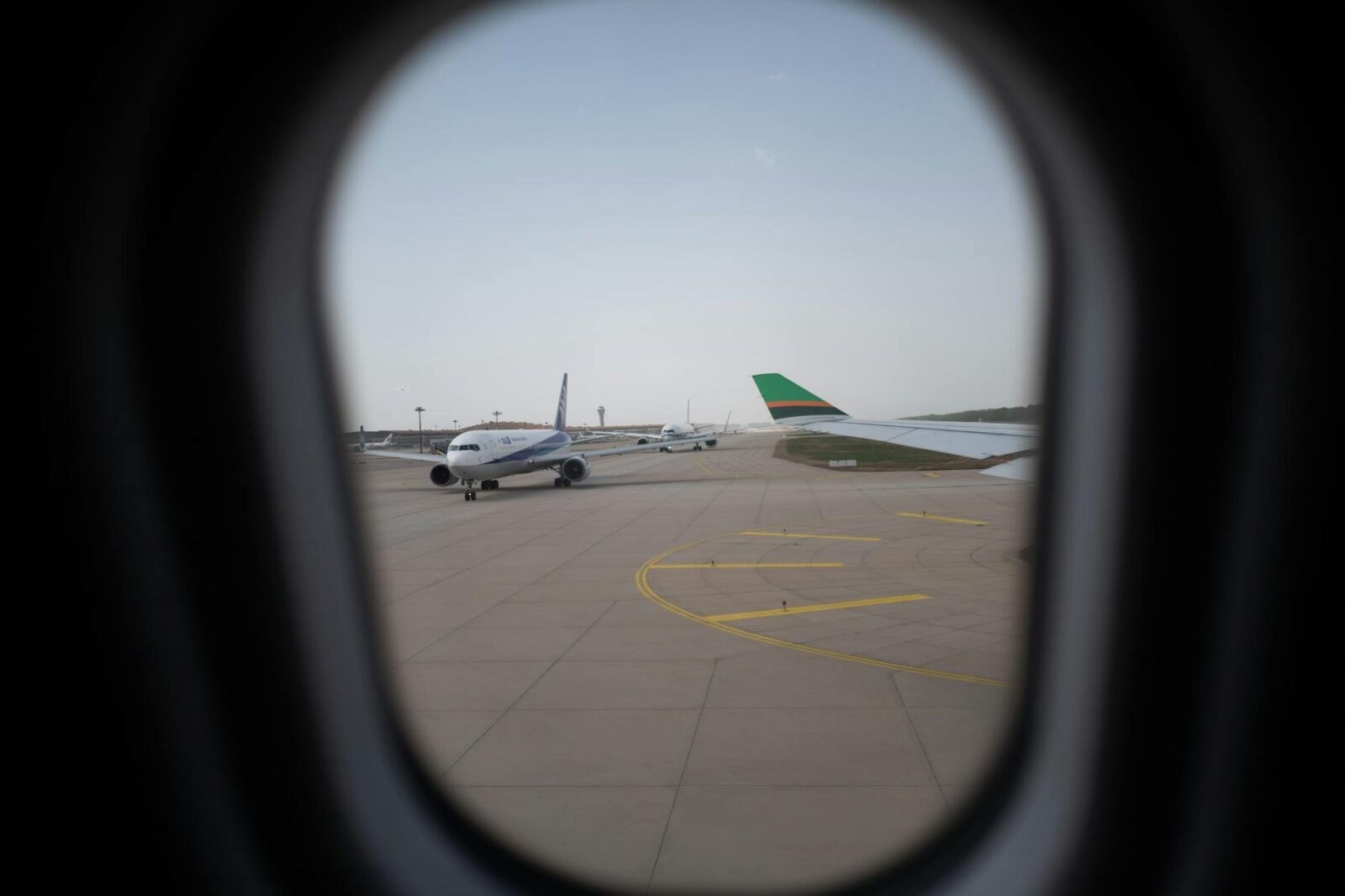
The Unexpected FAA Intervention
As summer approaches, a surprising turn of events has unfolded at Chicago’s O’Hare International Airport (ORD), one of the busiest airports in the world. The Federal Aviation Administration (FAA) has mandated significant reductions in flight schedules for the upcoming season. This move aims to mitigate anticipated delays and disruptions caused by an ongoing turf war between two major airlines—United Airlines and American Airlines. The FAA’s decision underscores the complex dynamics at play in modern air travel, where competition and congestion often collide.
Understanding the FAA’s Decision
The FAA’s directive requires airlines to slash approximately 12% of scheduled takeoffs and landings at O’Hare between May 17 and October. This decision comes in response to an aggressive increase in flight schedules by the airport’s top carriers, which had planned a 19% rise in departures compared to last year. The FAA’s intervention seeks to prevent a repeat of last summer, when only about half of the flights at ORD experienced no delays, causing significant inconvenience for travelers.
Global Travel Context
This situation at O’Hare reflects broader global trends in air travel, where airports worldwide are grappling with the challenge of balancing increasing demand with infrastructure limitations. Major hubs like Heathrow in London and JFK in New York have faced similar issues, prompting regulatory bodies to step in and manage capacity. As international travel rebounds post-pandemic, airports are struggling to accommodate the surge in passengers while ensuring safety and efficiency.
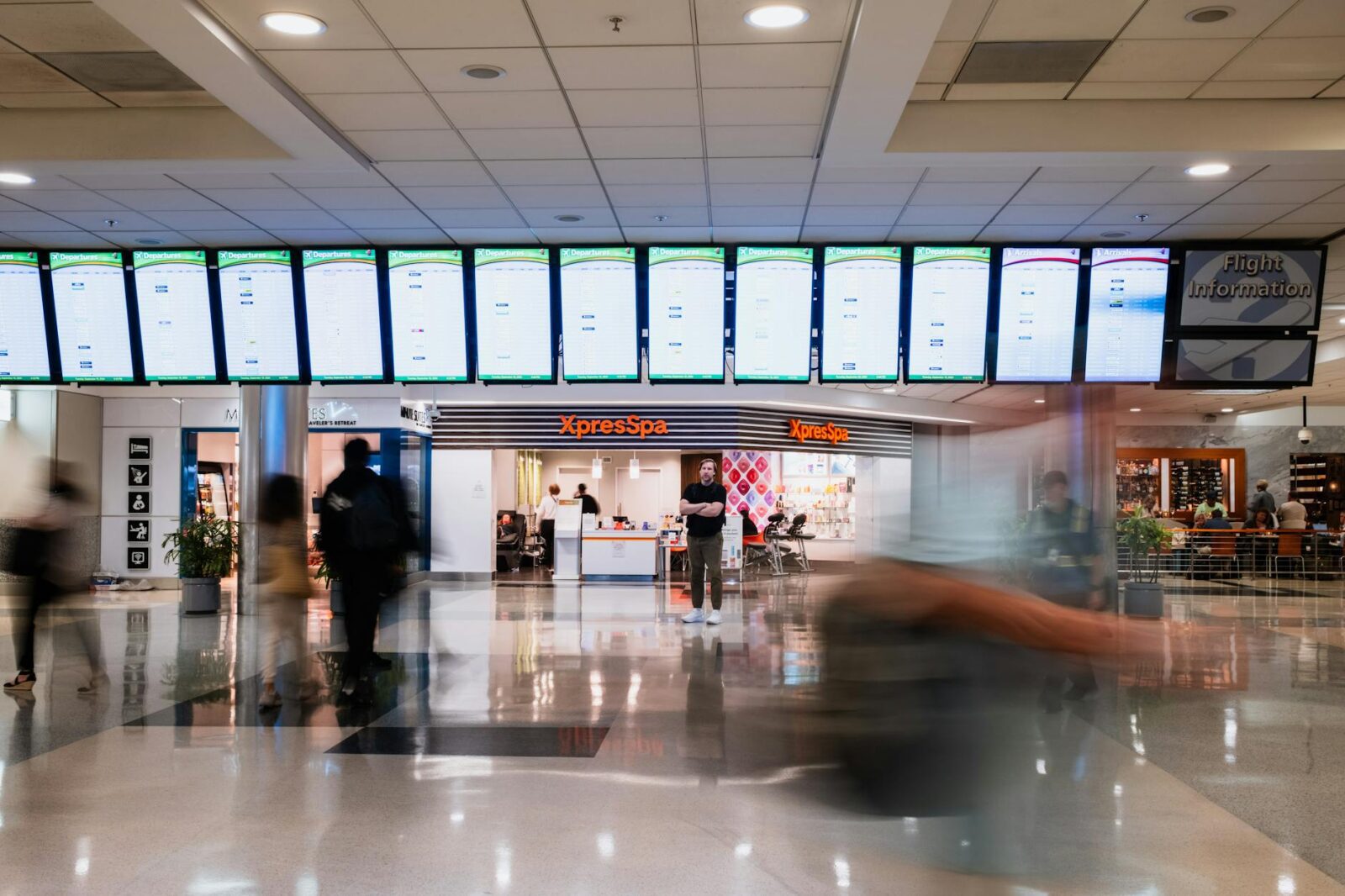
Practical Implications for Travelers
For travelers planning trips through O’Hare this summer, the FAA’s decision means adjusting expectations and itineraries. It’s crucial to stay informed about flight schedules, as airlines will be revising their operations to comply with the new limits. Travelers should consider booking flights well in advance, opting for flexible tickets, and preparing for potential changes. Checking flight status regularly and signing up for airline notifications can help manage any last-minute alterations.
What to Expect Next
Looking ahead, the FAA’s intervention may set a precedent for how similar conflicts are managed at other congested airports. The resolution of the current situation at O’Hare will depend on how effectively airlines can adapt their operations without compromising service quality. Travelers should expect more streamlined communication from airlines as they navigate these changes, with an emphasis on minimizing disruptions and enhancing customer experience.
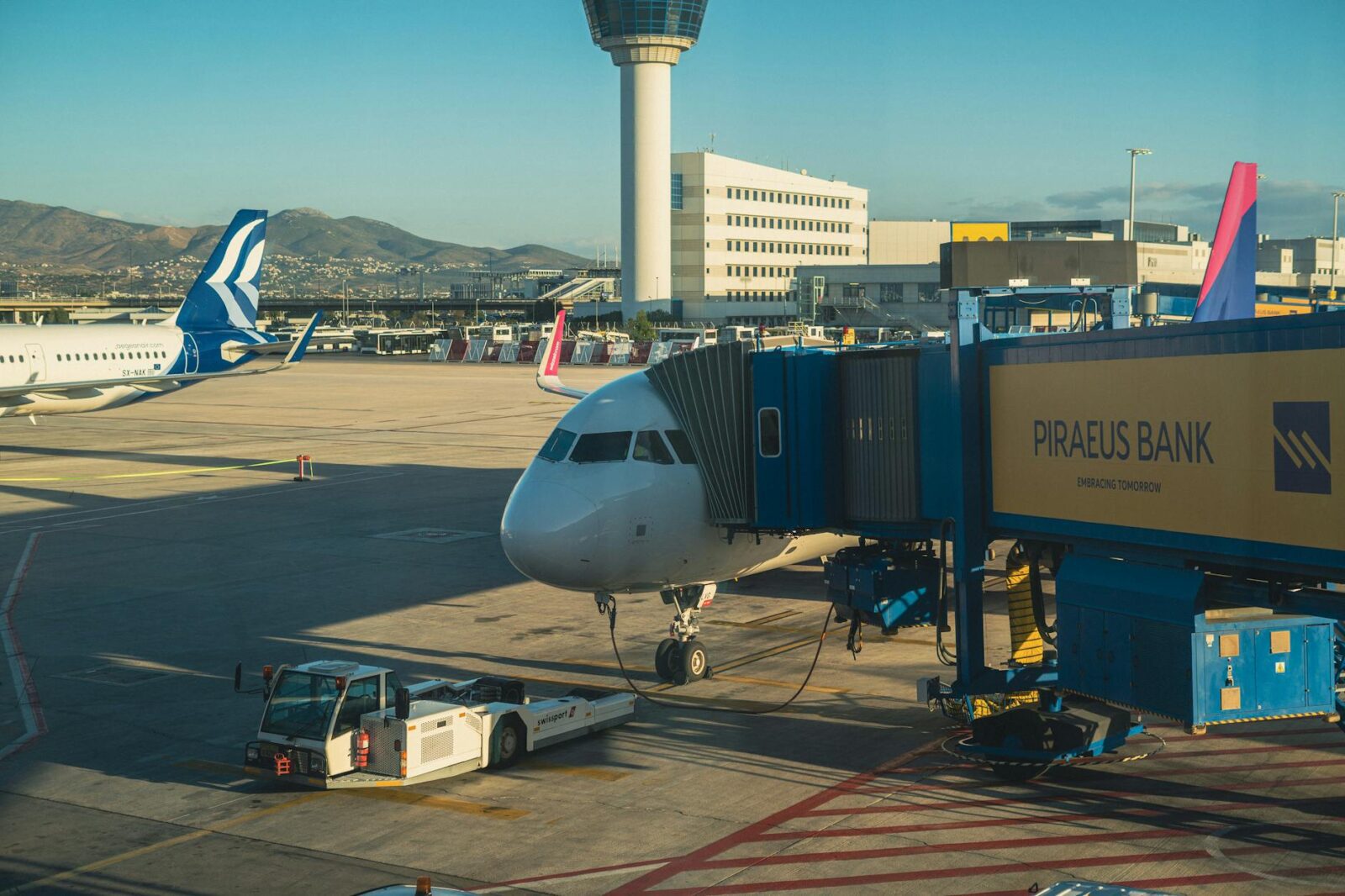
Cost Implications for Travelers
The reduction in flight availability at O’Hare may lead to increased ticket prices due to higher demand for fewer seats. Travelers should budget accordingly and consider alternative airports or routes to avoid potential price hikes. Being flexible with travel dates and times can also help secure more affordable options. It’s advisable to explore travel insurance that covers flight disruptions to mitigate unforeseen expenses.
FAQ
Why is the FAA reducing flights at O’Hare?
The FAA is reducing flights to prevent anticipated delays and disruptions during the peak summer travel season, exacerbated by an ongoing turf war between United and American Airlines.
How will this affect my travel plans?
Travelers should expect potential changes to their flight schedules. It’s important to stay updated on flight status and consider flexible booking options to accommodate any adjustments.
Will flight prices increase due to these cuts?
Yes, ticket prices may rise due to reduced flight availability. Travelers should budget for potential increases and explore alternative routes or airports if necessary.
How can I minimize travel disruptions?
Booking flights early, opting for flexible tickets, and staying informed through airline notifications can help manage any disruptions. Consider travel insurance for added protection.
What are the broader implications of this decision?
The FAA’s move highlights the need for strategic management of airport capacities worldwide, setting a potential model for handling similar issues at other busy airports.
Conclusion
The FAA’s decision to cap flights at Chicago O’Hare this summer is a testament to the complex interplay between airline competition and airport capacity. As travelers adjust to these changes, proactive planning and staying informed will be key to navigating the evolving landscape of air travel. We invite our readers to share their experiences and insights in the comments, fostering a community of informed and prepared travelers.
Stay informed with the latest travel news, visa updates, and destination guides. Follow HimalayanCrest.com for weekly travel intelligence delivered by our editorial team.