

A Groundbreaking Study Unveiled
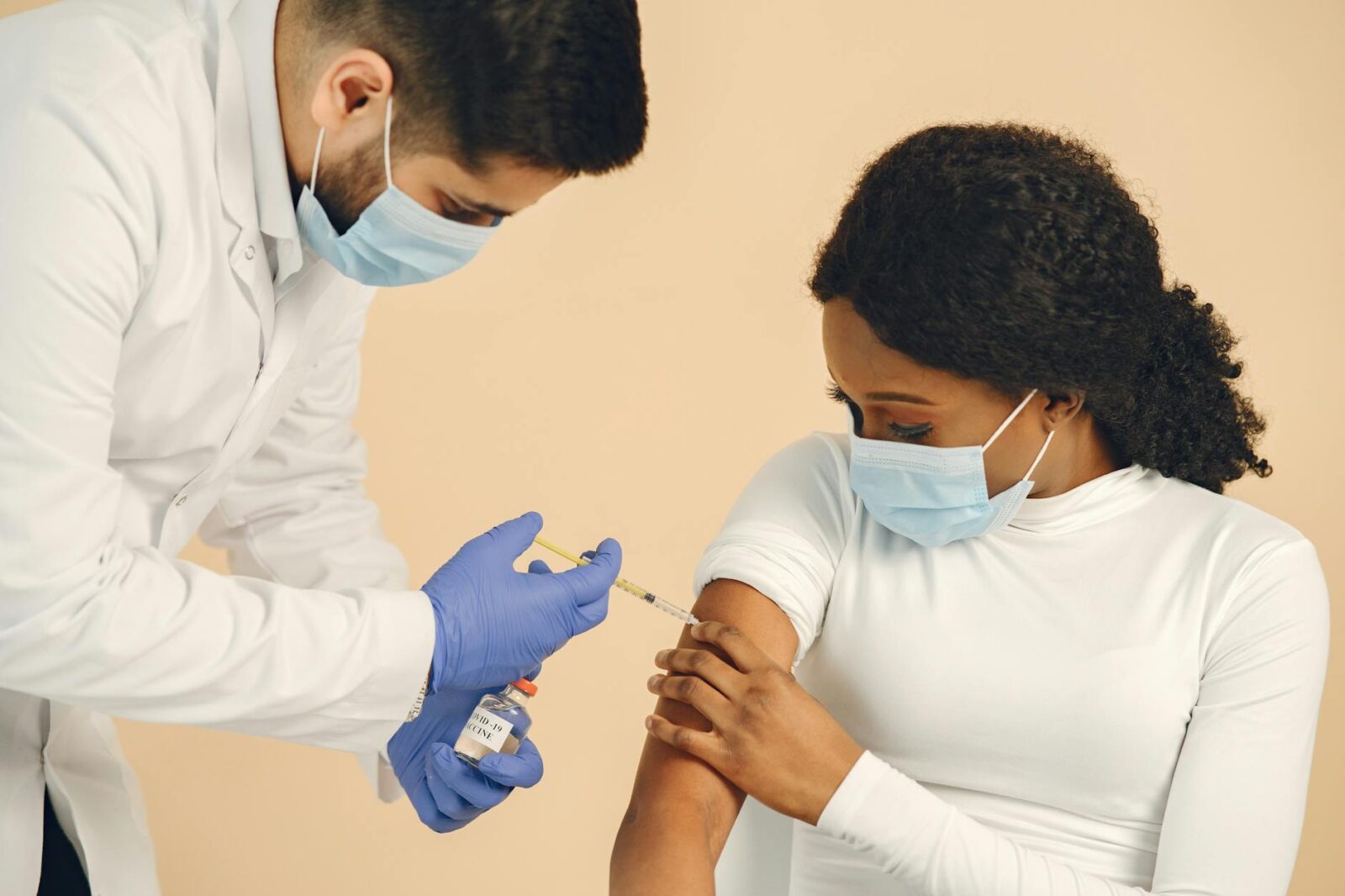
On April 17, 2026, the UK Health Security Agency (UKHSA) released the results of a groundbreaking study that marks a significant advancement in maternal healthcare. This study reveals that the maternal respiratory syncytial virus (RSV) vaccination program has reduced hospital admissions for newborns by up to 85%. This remarkable finding is based on an extensive study conducted in England, involving nearly 300,000 babies born between September 2024 and March 2025. Notably, this represents around 90% of all births in England during that period.
Understanding the RSV Threat
RSV is a pervasive virus that leads to bronchiolitis, an infection and inflammation of the small airways in the lungs. It’s a significant cause of hospital admission for infants worldwide. The virus poses a particular threat to premature infants and those with underlying health conditions. The maternal vaccination program offers a protective measure, administered from 28 weeks of pregnancy, to shield newborns from this potentially life-threatening virus.
How the Vaccine Works
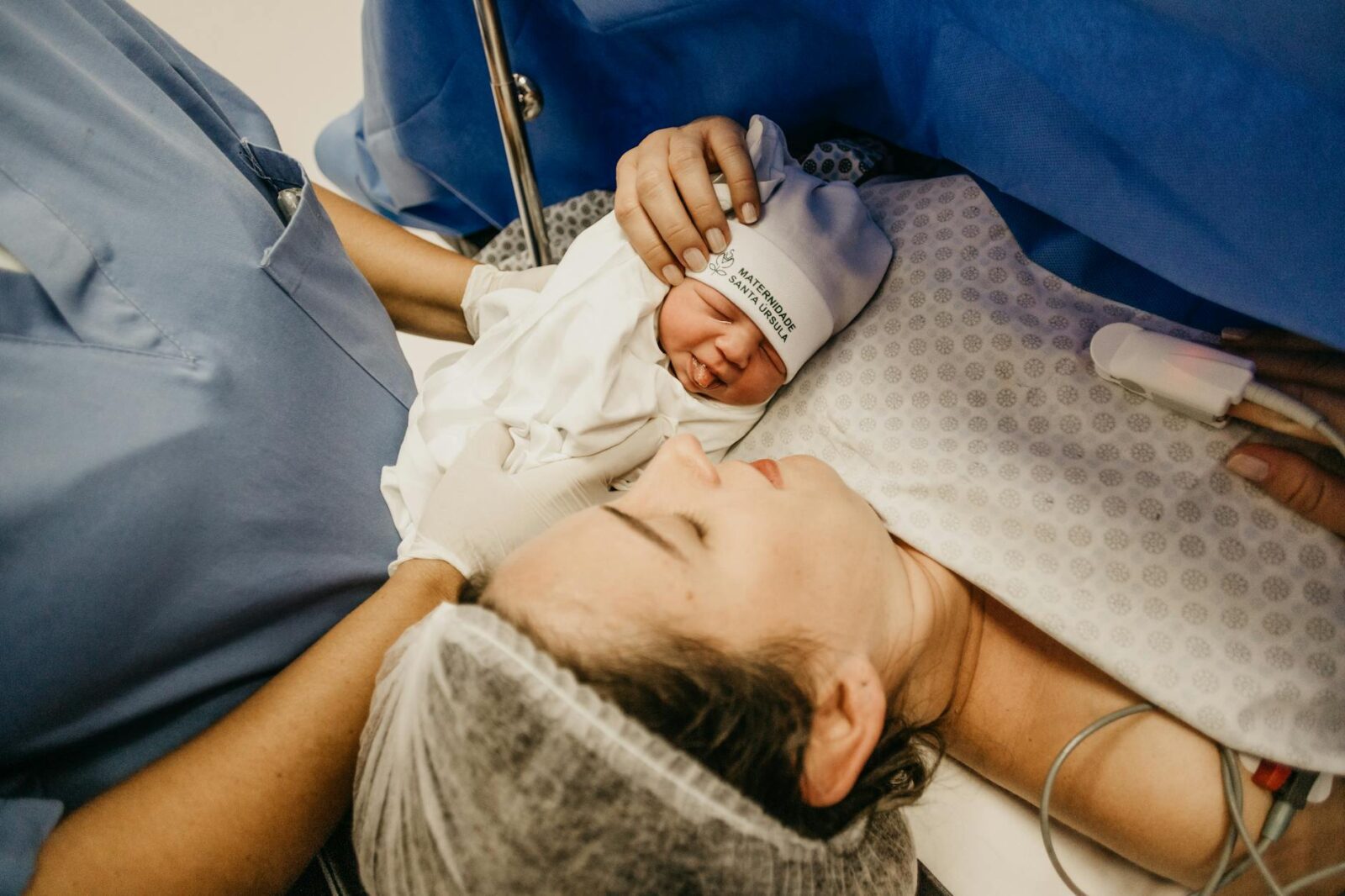
The RSV vaccine functions by transferring antibodies from the vaccinated mother to the unborn child. This process provides the infant with immune protection during the critical early months of life. According to the UKHSA study, vaccination at least two weeks before birth results in an 81% effectiveness rate, with a narrow statistical uncertainty margin. Furthermore, infants born at least four weeks after their mothers received the vaccine exhibited nearly 85% protection against RSV-related hospitalizations.

Global Implications and Comparisons
This development isn’t just a milestone for the UK; it has global implications. RSV affects infants worldwide, making this vaccination a potential game-changer in reducing infant hospitalizations globally. While the UK leads in implementing this program, other countries are observing closely. For instance, the United States has initiated similar trials, but the scale and conclusive results like those from the UK are yet to be seen.
Action Steps for Expectant Mothers
For expectant mothers, the study underscores the importance of timely vaccination. It is recommended to receive the RSV vaccine from week 28 of pregnancy, ideally before the 36th week, to ensure maximum protection for the newborn. Mothers are advised to consult their healthcare providers to integrate the RSV vaccine into their prenatal care plan.
Impact on Health Policy and Travel
This breakthrough may influence health policies related to maternal and infant healthcare, potentially becoming a standard recommendation for prenatal care worldwide. For travelers and expatriates, especially those moving to regions where RSV is prevalent, understanding and accessing this vaccine becomes crucial. It is essential to check the availability of the RSV vaccine in your region and discuss with healthcare providers about incorporating it into your prenatal care.
Frequently Asked Questions
What is the RSV maternal vaccine?
The RSV maternal vaccine is a vaccination given to pregnant women to protect their newborns from the respiratory syncytial virus, which can cause severe lung infections in infants.
How effective is the RSV vaccine for newborns?
According to the UKHSA study, the vaccine can reduce hospital admissions due to RSV by up to 85% when administered at least four weeks before birth.
When should pregnant women receive the RSV vaccine?
The optimal time for the RSV vaccination is from week 28 of pregnancy, with best results observed when administered at least two weeks before birth.
Is the RSV vaccine available worldwide?
While the UK has widely implemented the program, availability may vary by country. It is advised to consult local healthcare providers for more information.
Can the RSV vaccine be given alongside other prenatal vaccines?
Yes, the RSV vaccine can typically be administered alongside other prenatal vaccines, but always consult with a healthcare provider for personalized advice.
Stay informed with the latest travel news, visa updates, and destination guides. Follow HimalayanCrest.com for weekly travel intelligence delivered by our editorial team.