

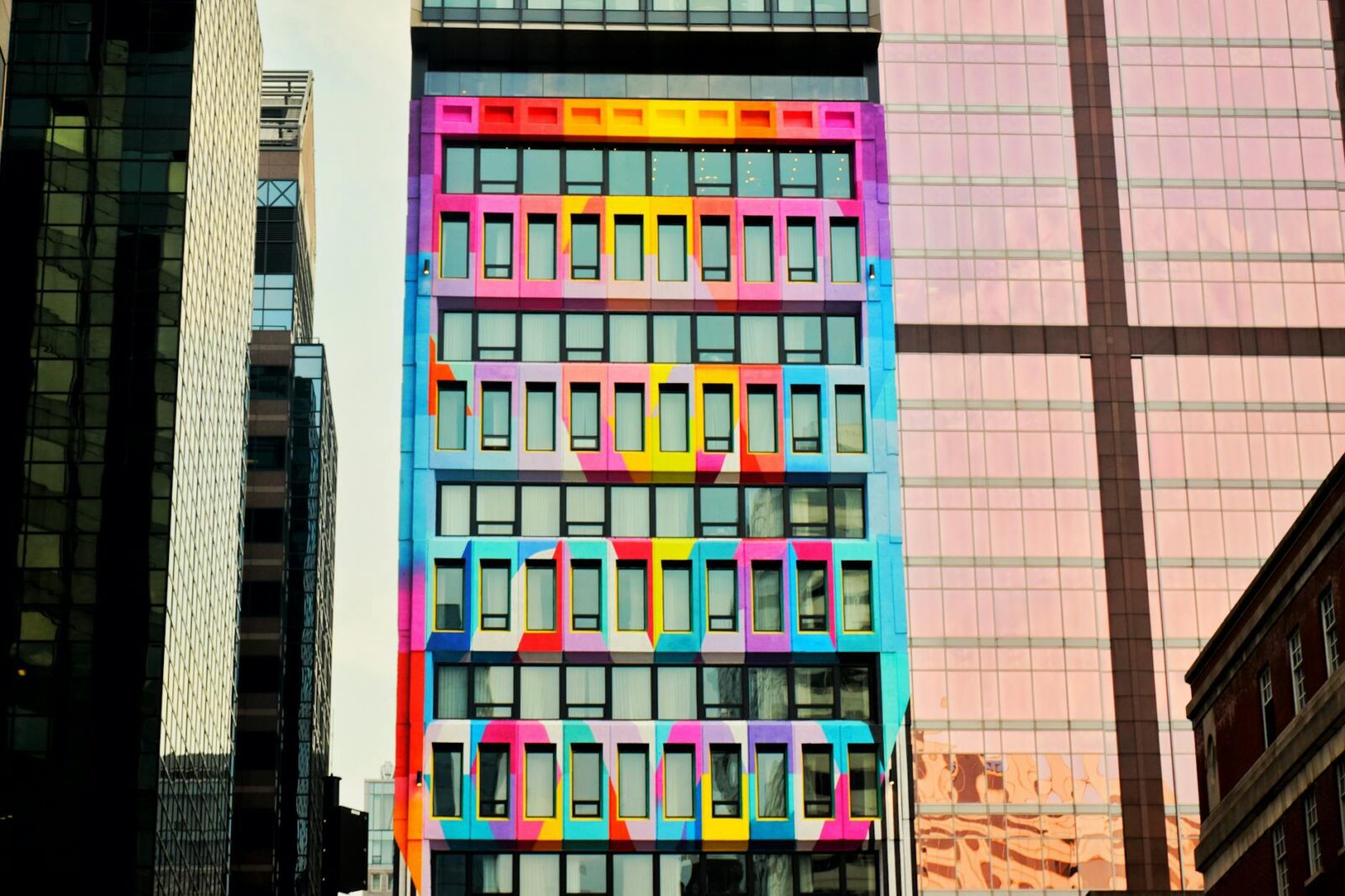
Chefchaouen: Morocco’s Mesmerizing Blue Gem
Nestled in the Rif Mountains of Morocco, Chefchaouen is a city awash in shades of blue. Every building, staircase, and even street is painted in varying hues of azure, creating a serene and enchanting atmosphere. The tradition of blue painting began in the 15th century, originally introduced by Jewish refugees who believed the color symbolized the sky and heaven. Today, travelers flock to Chefchaouen not only for its aesthetic appeal but also for its peaceful ambiance, making it a popular destination for those seeking tranquility and stunning photography opportunities.
Visitors can explore the medina’s winding lanes, where local artisans sell vibrant textiles and unique crafts. Be sure to visit the Kasbah Museum, set against the vivid blue backdrop, offering insights into the region’s history. A meal of tagine at a local café, surrounded by blue-painted walls, completes the sensory experience.
Santorini: Greece’s Iconic White and Blue Panorama
Santorini’s whitewashed buildings with blue-domed roofs are instantly recognizable, making it one of the most photographed destinations in the world. The island’s distinctive architecture is a result of practical and aesthetic choices: white reflects the intense Greek sun, while blue represents the sea and sky. This iconic color scheme is particularly striking at sunrise and sunset, when the buildings seem to glow against the Aegean Sea.
Travelers can enjoy breathtaking views from the caldera cliffs, explore the charming villages of Oia and Fira, and indulge in the island’s rich culinary offerings. A visit to Santorini is incomplete without tasting the local specialty, fava, or enjoying a glass of Vinsanto wine while watching the sunset over the caldera.
Jaipur: India’s Pink City
Jaipur, the capital of Rajasthan, is famously known as the Pink City due to its uniformly pink-colored buildings. This unique feature dates back to 1876 when the city was painted pink to welcome the Prince of Wales, as pink is the color of hospitality. The tradition has been maintained, and the city continues to exude warmth and charm.
Visitors can explore the architectural marvels of the Amber Fort, City Palace, and Hawa Mahal. Jaipur’s bustling bazaars are a feast for the senses, offering everything from vibrant textiles and jewelry to traditional handicrafts. Sampling local dishes like dal baati churma adds another layer of cultural immersion.
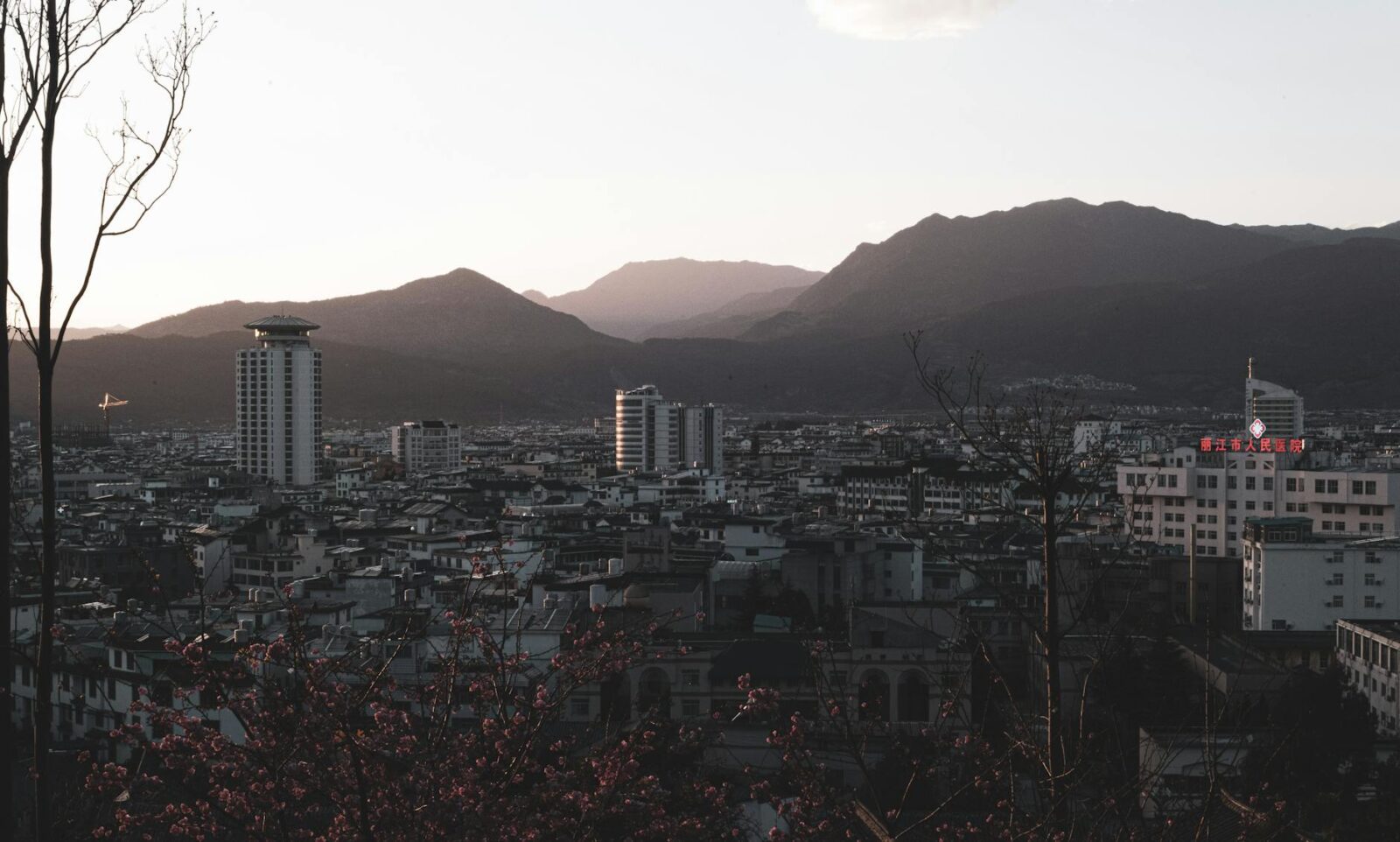
Lisbon: Portugal’s Vibrant Capital
Lisbon has been crowned the world’s most colorful city, thanks to its vibrant azulejos (ceramic tiles) that adorn many of its buildings. These tiles date back to the 15th century and feature intricate designs in a rainbow of colors. The city’s hills offer panoramic views over the Tagus River, with the iconic red Ponte 25 de Abril bridge adding to the colorful cityscape.
While in Lisbon, visitors should explore the historic neighborhoods of Alfama and Bairro Alto, where the narrow streets are lined with pastel-colored houses. The city’s culinary scene is equally colorful, with dishes like bacalhau a bras and pastel de nata offering a taste of local flavors.
La Boca: Buenos Aires’ Artistic Neighborhood
La Boca, a neighborhood in Buenos Aires, Argentina, is renowned for its vividly colored houses and artistic flair. The area was originally settled by Italian immigrants who used leftover ship paint to decorate their homes, resulting in the vibrant patchwork of colors seen today. La Boca is also famous for its tango music and dance, which can often be seen performed live on the streets.
Travelers can explore the Caminito street museum, a lively open-air market showcasing local artists and performers. The neighborhood’s rich cultural heritage is reflected in its traditional cuisine, with asado (Argentinian barbecue) and empanadas being must-try dishes.
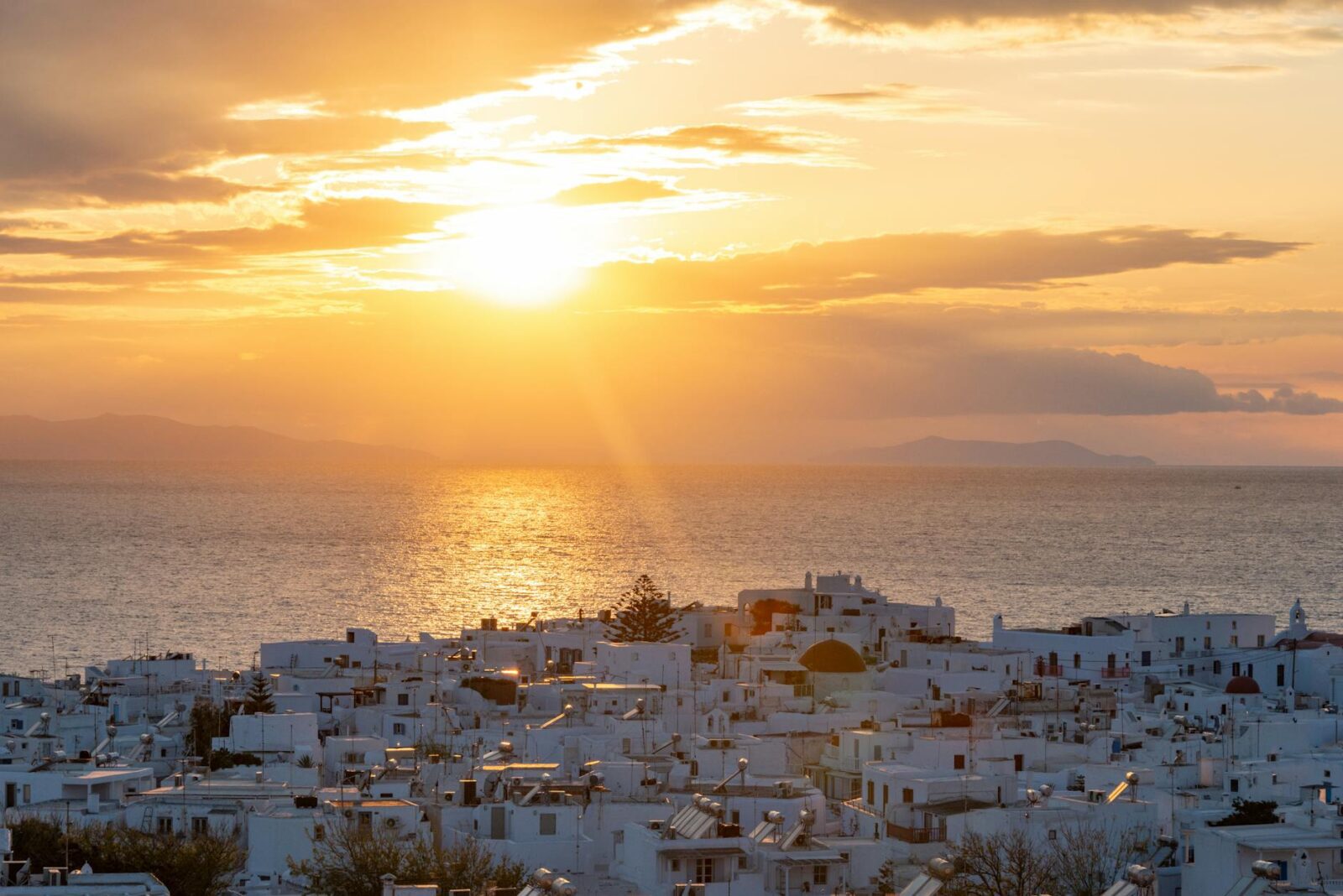
Bodrum: Turkey’s Whitewashed Paradise
Bodrum, located on Turkey’s Aegean coast, is a picturesque town known for its whitewashed buildings that stand in stark contrast to the azure waters of the surrounding bays. The town’s architecture is reminiscent of the Greek islands, creating a sense of timeless beauty. Bodrum’s vibrant nightlife and rich history add to its allure, making it a popular destination for travelers seeking both relaxation and excitement.
Visitors can explore the ancient ruins of the Mausoleum at Halicarnassus, one of the Seven Wonders of the Ancient World, or relax on the beautiful beaches. Sampling local dishes like fresh seafood and meze at a seaside taverna enhances the Bodrum experience.
Porto: Portugal’s Colorful Riverside Charm
Porto, Portugal’s second-largest city, is famous for its colorful Ribeira district, where brightly painted houses line the Douro River. The city’s architectural diversity is highlighted by its baroque churches and modern bridges, creating a unique blend of old and new. Porto’s vibrant street art scene further adds to its colorful reputation.
Travelers can enjoy a leisurely stroll along the riverfront, sampling local port wine at one of the many cellars. The city’s culinary delights, such as francesinha (a hearty sandwich) and tripas à moda do Porto, offer a taste of traditional Portuguese flavors.
Jodhpur: India’s Blue City
Jodhpur, located in the Indian state of Rajasthan, is known as the Blue City due to the indigo-colored houses that surround the majestic Mehrangarh Fort. The blue hue was originally used by Brahmins, a priestly caste, but later spread throughout the city. The color is believed to have cooling properties and offers protection against insects.
Visitors can explore the imposing Mehrangarh Fort, which offers stunning views of the city below. The bustling Sardar Market, with its vibrant textiles and spices, provides a glimpse into local life. Traditional Rajasthani dishes like mirchi vada and gatte ki sabzi add to the cultural experience.
Burano: Italy’s Rainbow Island
Burano, a small island in the Venetian Lagoon, is famous for its brightly colored houses that line the canals. The tradition of painting houses in vivid colors dates back centuries and was originally done to help fishermen identify their homes from the sea. Today, the island’s colorful charm attracts visitors from around the world.
Travelers can explore the island’s narrow streets, visiting lace-making shops and enjoying fresh seafood at local trattorias. The picturesque canals and vibrant houses make Burano a photographer’s paradise.
Practical Tips for Visiting Colorful Cities
When planning a visit to these colorful destinations, consider the best time of year for optimal weather and fewer crowds. Early mornings and late afternoons often provide the best lighting for photography. Engaging with local guides can offer deeper insights into the history and culture of each city, enhancing your travel experience.
Be sure to respect local customs and traditions, particularly when visiting religious or historical sites. Support local artisans by purchasing handmade crafts and souvenirs, contributing to the preservation of these vibrant cultures.
FAQ
What is the best time to visit Chefchaouen?
The best time to visit Chefchaouen is in the spring (March to May) or fall (September to November) when the weather is mild and pleasant.
How can I reach Santorini?
Santorini is accessible by flight from Athens or via ferry from various Greek islands. The island’s airport and port are well-connected.
Why is Jaipur known as the Pink City?
Jaipur is called the Pink City because its buildings were painted pink in 1876 to welcome the Prince of Wales, symbolizing hospitality.
Are there direct flights to Lisbon?
Yes, Lisbon is a major European hub with direct flights from many international cities, making it easily accessible for travelers.
What should I try in Buenos Aires?
In Buenos Aires, be sure to try traditional dishes like asado (barbecue) and empanadas, and experience the vibrant tango culture.
Stay informed with the latest travel news, visa updates, and destination guides. Follow HimalayanCrest.com for weekly travel intelligence delivered by our editorial team.