

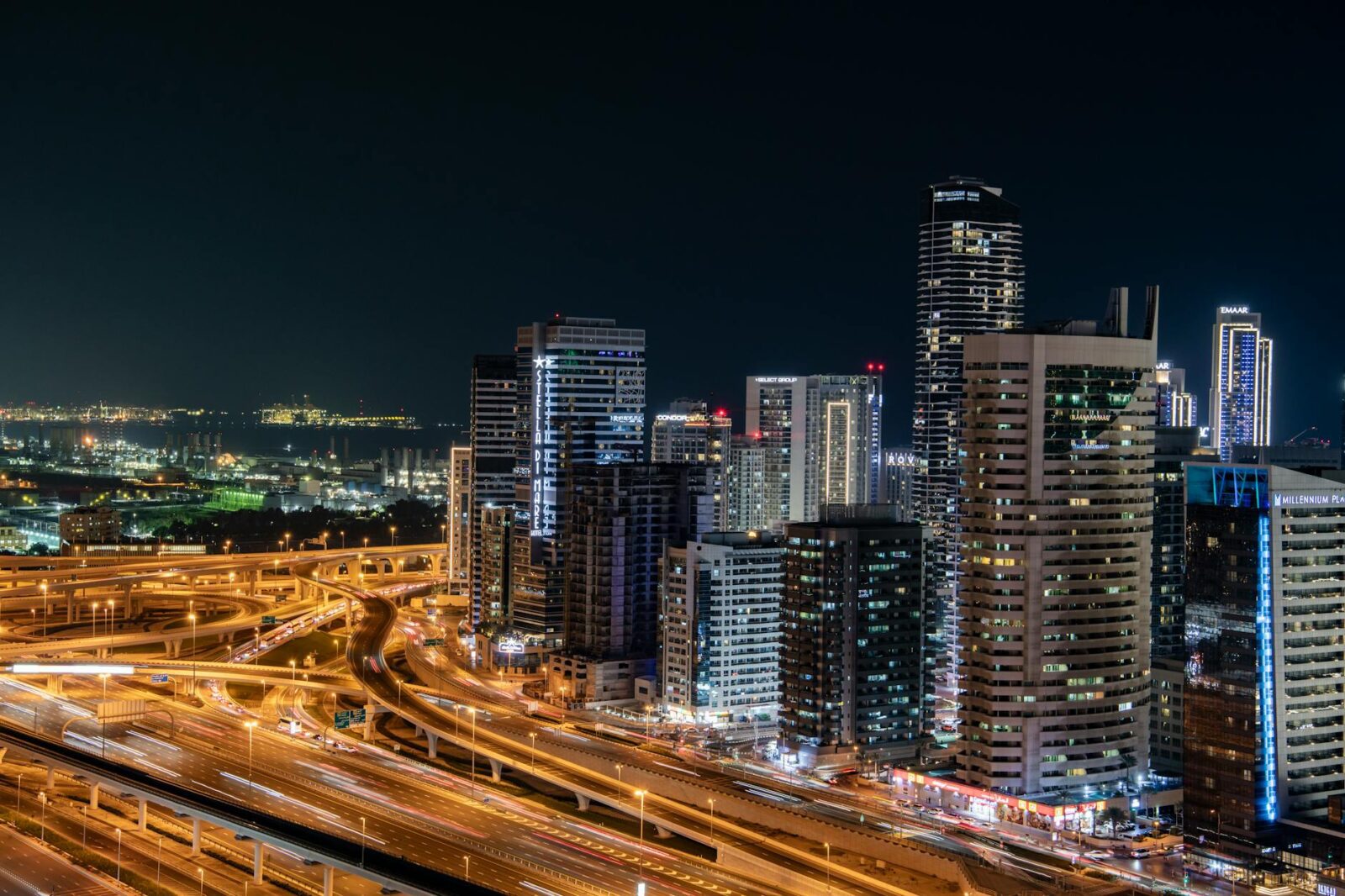
Dubai’s Bold Move Amid Middle Eastern Tensions
In an unexpected twist, Dubai, a city synonymous with resilience and opulence, has opted for a strategic pause. As the Iran war casts a shadow over the region, some of Dubai’s most iconic hotels are temporarily closing their doors, pulling nearly 2,000 rooms off the market for extensive renovations. This decision comes as occupancy rates plummet to a staggering 36.2% in March, a sharp decline from the previous year’s robust figures. This significant downturn is not just a local phenomenon; it is a reflection of broader global travel trends as geopolitical tensions ripple across borders.
From Luxury to Budget: Affected Hotels and Their Strategies
The hospitality industry in Dubai spans a diverse spectrum, from ultra-luxury to budget-friendly accommodations. Among those opting for renovations are some of the city’s most prestigious establishments, including the JW Marriott Marquis Hotel, which has closed Tower A of its 1,608-room property until 2027. The Burj Al Arab, another iconic symbol of luxury, has embarked on a phased renovation plan, pausing operations for 18 months. This strategic choice is echoed by other major players like Rove, managing multiple properties across the UAE. The decision to renovate now aims to minimize operational losses during a period of reduced demand.
Understanding the Global Context
This situation in Dubai is part of a larger narrative affecting the global travel industry. Historically, geopolitical tensions have a profound impact on tourism, as seen during past conflicts that led to similar downturns in travel. The current Iran war has heightened security concerns, leading to a visible military presence in tourist hotspots. This has not only deterred leisure travelers but has also prompted business travelers to reconsider their itineraries. The ripple effect is being felt far beyond Dubai, affecting tourism-dependent economies worldwide.
Implications for Travelers
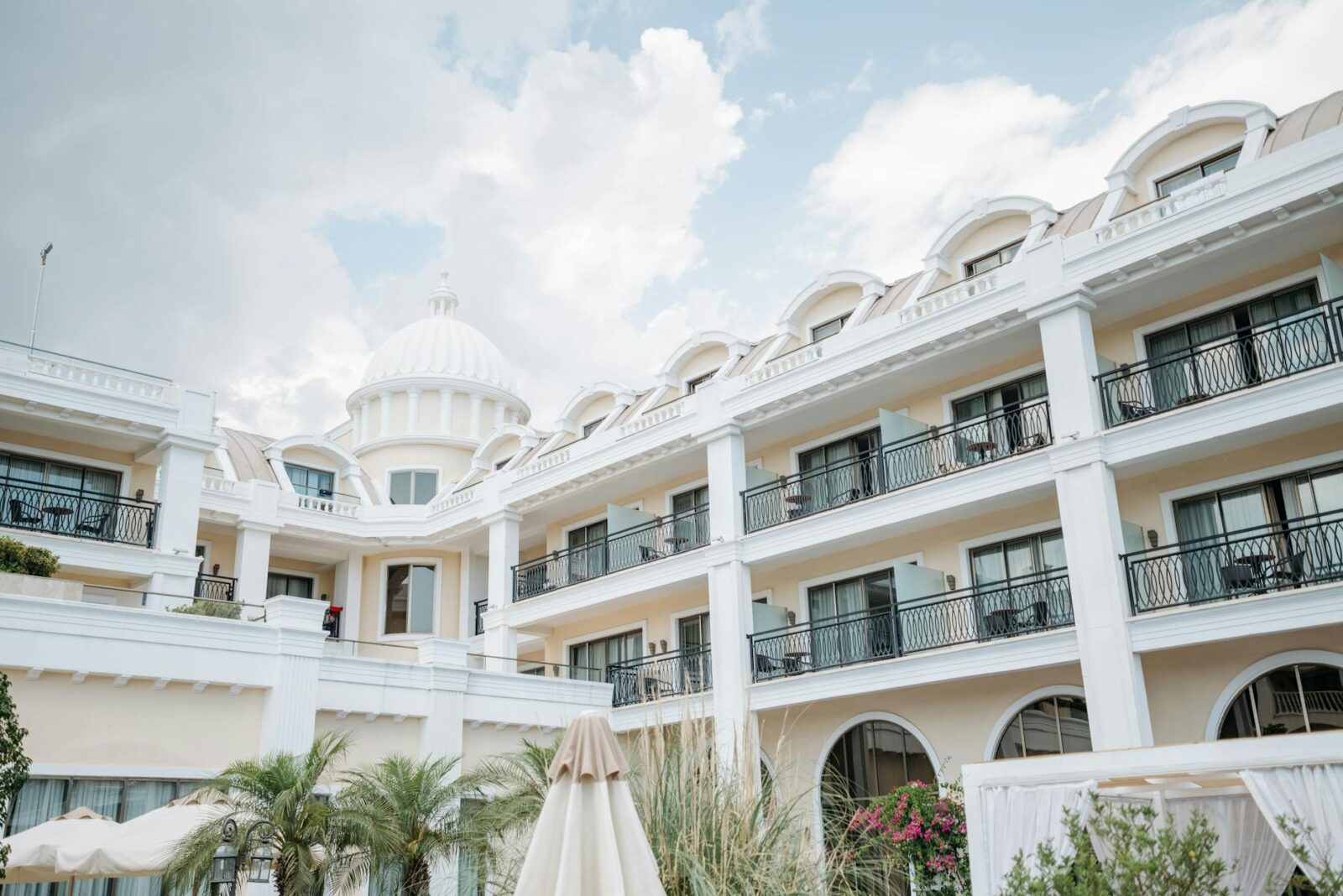
For travelers planning trips to Dubai in the coming months, these developments require careful consideration. With several luxury hotels closed for renovations, travelers may find their options limited, especially if they are seeking high-end accommodations. It is advisable to check hotel statuses well in advance and consider alternative lodging options, such as short-term rentals, which have become a flexible alternative during this period of uncertainty. Moreover, travelers should stay informed about regional security updates to ensure a safe and enjoyable visit.
What Lies Ahead for Dubai’s Hospitality Sector?
Looking forward, the renovation strategy adopted by these hotels is a calculated move to emerge stronger post-crisis. By enhancing their facilities now, these hotels are positioning themselves to capitalize on a future rebound in tourism demand. Industry experts predict that once geopolitical tensions ease, there will be a surge in travel, driven by pent-up demand. This could see occupancy rates bouncing back, possibly even exceeding pre-crisis levels as travelers flock to experience Dubai’s unique blend of luxury and culture.
Financial Considerations for Travelers
With renovations underway, travelers should anticipate potential increases in accommodation costs once these properties reopen. The investments being made in upgrading facilities are likely to be reflected in higher room rates. Budget-conscious travelers should consider booking accommodations well in advance and look for deals and promotions that might be offered by hotels seeking to attract guests during their reopening phases. Additionally, keeping an eye on currency exchange rates can help travelers make the most of their budget.
Practical Travel Tips
Here are some practical tips for travelers navigating this evolving landscape:
- Stay updated with the latest travel advisories and hotel statuses.
- Consider alternative accommodations like vacation rentals or serviced apartments.
- Monitor currency fluctuations to optimize travel budgets.
- Look for special reopening promotions or discounts offered by hotels.
- Plan itineraries flexibly to accommodate potential changes in security situations.
FAQs About Dubai Hotel Renovations
Why are so many Dubai hotels closing for renovations now?
Many hotels are seizing the opportunity presented by decreased occupancy rates due to the Iran war to conduct renovations. This strategy allows them to minimize operational losses and prepare for future demand increases.
Which hotels in Dubai are affected by the renovations?
Major hotels like the JW Marriott Marquis and the Burj Al Arab are among those closing some or all of their rooms for extensive renovations. This includes a mix of luxury and budget accommodations.
How long will these renovations last?
Renovations vary by hotel. Some, like the Burj Al Arab, have planned closures lasting up to 18 months. Others may phase renovations to minimize disruptions.
How will this affect my travel plans to Dubai?
Travelers may find limited availability at some high-end hotels. It is advisable to book accommodations early and consider alternative lodging options.
What can I expect from hotels after renovations?
Post-renovation, hotels are expected to offer enhanced amenities and services, potentially at higher rates, reflecting the investments made during the upgrade process.
Stay informed with the latest travel news, visa updates, and destination guides. Follow HimalayanCrest.com for weekly travel intelligence delivered by our editorial team.