


Surging Airfares Amidst Strong Demand: A Surprising Travel Trend
Imagine planning your dream vacation only to find that the cost of flying has jumped by 20%. Yet, surprisingly, the demand for travel remains unshaken. This is the current scenario in the global airline industry, where airfares have soared due to rising fuel costs, but travelers continue to book flights undeterred. According to industry reports, airfares in the United States alone have increased by over 21% in just four months, driven by escalating jet fuel prices and geopolitical tensions in the Middle East. Despite these hikes, airline executives are taken aback by the sustained demand.
Why Airfares Are Climbing and Who’s Affected
The surge in airfares is primarily fueled by increased jet fuel costs, a significant operational expense for airlines. As global tensions and oil market fluctuations continue, airlines have little choice but to pass these costs onto consumers. This trend is evident across North America and Europe, affecting all segments of travelers, from budget-conscious backpackers to business executives. Airline CEOs, including United’s Scott Kirby, express surprise at the resilience of travel demand despite these financial pressures.
Global Travel Trends: A Resilient Industry
The current situation highlights a broader trend in global travel: a robust rebound from the pandemic-induced slump. Despite rising costs, people are eager to explore new destinations, reconnect with loved ones, or fulfill business commitments. This trend is not limited to one region; it’s a global phenomenon. Airlines are responding by investing in premium cabins and expanding in core markets to cater to this unwavering demand.

Planning Your Next Trip: What Travelers Need to Know
For travelers planning upcoming trips, the key is to be strategic. With airfares on the rise, it’s crucial to book flights well in advance. Utilizing flight comparison tools like Aviasales and Priceline can help identify the best deals. Additionally, consider flying during off-peak seasons or opting for budget airlines to mitigate costs. Flexibility with travel dates can also yield significant savings.
Looking Ahead: Future Outlook for Air Travel
Experts predict that airfares may continue to rise if fuel prices remain volatile. However, the strong demand suggests that airlines will maintain a steady flow of passengers. This dynamic might encourage airlines to innovate and improve service offerings to retain customers. While the situation poses challenges, it also presents opportunities for savvy travelers to adapt and plan accordingly.
Cost Implications: Budget Adjustments for Travelers
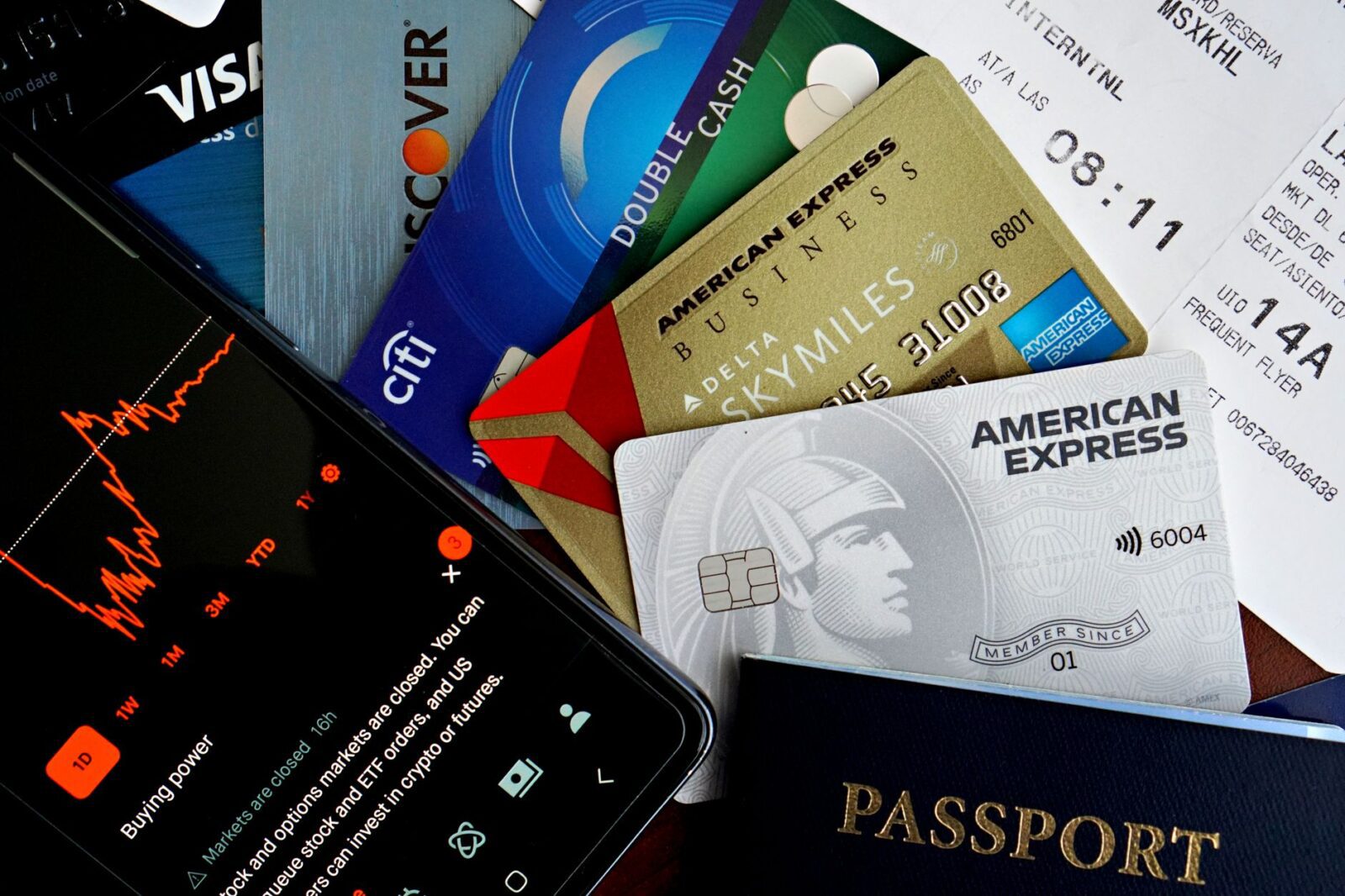
With airfares up, travelers should reassess their travel budgets. Allocating more funds to flights might mean cutting back on accommodation or leisure activities. It’s advisable to track currency exchange rates, especially for international travel, to optimize spending. Travelers should also consider travel insurance to protect against unforeseen circumstances that could affect travel plans.
Frequently Asked Questions
Why are airfares increasing?
Airfares are rising due to increased jet fuel costs, which have surged because of geopolitical tensions and market fluctuations. Airlines pass these costs onto consumers, leading to higher ticket prices.
Will airfares continue to rise?
While airfares have already risen significantly, they may continue to increase if fuel prices remain high. However, competitive market dynamics could lead airlines to offer promotions to attract travelers.
How can travelers save on airfare?
Travelers can save by booking flights in advance, using flight comparison tools, and flying during off-peak seasons. Flexibility with travel dates and opting for budget airlines can also help reduce costs.
Is travel demand expected to decrease?
Despite rising costs, travel demand remains strong. This trend is expected to continue as people prioritize travel experiences post-pandemic. Airlines are adjusting strategies to meet this demand.
What impact do rising airfares have on travel plans?
Rising airfares can affect travel budgets, requiring adjustments in spending on accommodation and activities. Travelers should plan strategically and consider all available options to manage costs effectively.
Stay informed with the latest travel news, visa updates, and destination guides. Follow HimalayanCrest.com for weekly travel intelligence delivered by our editorial team.