

Why Canada Tops Travel Lists in 2026
Canada continues to draw global travelers with its mix of wild landscapes, vibrant cities, and welcoming culture. In 2026, the country sees a surge in interest thanks to the renewed Canada Strong Pass, which offers discounted access to national parks from June 19 to September 7. This initiative, combined with favorable exchange rates for many currencies, makes a Canadian adventure more affordable than ever. Travelers from Asia, Africa, and the Middle East are increasingly adding Canada to their bucket lists for its safety, English‑French bilingualism, and diverse experiences ranging from Arctic wildlife to world‑class festivals.
Our research shows that visitors now prioritize immersive nature encounters, culinary tours, and Indigenous cultural sites. Whether you dream of kayaking among icebergs, tasting poutine in Quebec City, or riding the Rocky Mountaineer through the Rockies, Canada delivers. The following sections break down the top regions, practical costs, seasonal advice, and insider tips that go beyond the usual guidebook suggestions.
Iconic Rockies: Banff and Jasper National Parks
Banff National Park remains the crown jewel of the Canadian Rockies, attracting over four million visitors annually. The turquoise waters of Lake Louise, framed by towering peaks, are especially photogenic at sunrise. A standard adult entry fee for Parks Canada sites is CAD 10.50 (about USD 7.80) per day, while the Canada Strong Pass reduces this to CAD 69.00 (about USD 51.00) for unlimited access during the summer window. Accommodation ranges from budget hostels at USD 45 per night to luxury lodges exceeding USD 350 per night.
Jasper National Park, located north of Banff, offers a quieter alternative with expansive wilderness and the famous Columbia Icefield. Visitors can take the Ice Explorer tour onto the Athabasca Glacier for USD 85, or hike the Maligne Lake trail to Spirit Island, a photo spot that costs nothing beyond the park fee. Wildlife sightings are common; elk, moose, and even grizzly bears roam the valleys, especially in early September when the crowds thin.
According to Parks Canada, over 78 percent of summer visitors to the Rockies report seeing at least one large mammal during their stay.
Insider tip: For the best alpine views without the crowds, ride the Banff Gondola early in the morning and then hike the Sulphur Mountain summit trail. Pack layers, as temperatures can drop below freezing even in July at higher elevations.
Coastal Charms: Vancouver and Vancouver Island
Vancouver consistently ranks among the world’s most livable cities, blending urban sophistication with immediate access to ocean and mountains. Stanley Park’s seawall offers a 10‑kilometer (6.2‑mile) loop perfect for cycling or jogging, with bike rentals starting at USD 15 per day. Granville Island Public Market is a food lover’s paradise, where you can sample fresh salmon, artisan cheeses, and Asian street food for under USD 20 per person.
Just a short ferry ride away, Vancouver Island presents a slower pace and rugged beauty. The city of Victoria, the provincial capital, features the historic Fairmont Empress Hotel, where afternoon tea costs about USD 55. Surf enthusiasts flock to Tofino’s Long Beach, where wave‑riding lessons start at USD 75 for a two‑hour session. The island’s interior is dotted with ancient rainforests; the Cathedral Grove trail on Highway 4 showcases Douglas firs over 800 years old.
For travelers interested in wine, the Cowichan Valley just north of Victoria hosts boutique vineyards offering tastings for USD 15‑25. Many wineries pair local goat cheese with their whites, creating a memorable culinary stop. If you love Vancouver’s multicultural vibe, you’ll also enjoy Victoria’s thriving Chinatown, the oldest in Canada, which hosts a lively night market each summer.
Historic Heartbeat: Quebec City and Old Montreal
Quebec City feels like a slice of Europe transplanted to North America, with its fortified walls, cobblestone streets, and the iconic Château Frontenac overlooking the St. Lawrence River. Walking the Old Quebec (Vieux‑Québec) district is free, and guided walking tours typically cost USD 25 per person. The city’s summer festival season includes the Festival d’été de Québec, which in 2026 features over 500 performances across multiple genres, with day passes starting at USD 45.
Food is a highlight here; try poutine from a local cantine for USD 8, or indulge in a tourtière (meat pie) for about USD 12. For a sweet finish, sample maple‑taffy pulled on snow, a seasonal treat available at sugar shacks outside the city for USD 10. The Musée de la civilisation offers exhibits on Indigenous cultures and Quebec’s history, with admission at USD 18.
Just three hours by train or car lies Montreal, a bustling metropolis known for its arts scene and culinary diversity. The Plateau Mont‑Royal neighborhood is famous for its colorful murals and bagel shops; a fresh‑baked Montreal‑style bagel costs less than USD 1. Nightlife in the Quartier des Spectacles offers live jazz and electronic music, with cover charges usually under USD 15. If you appreciate Quebec City’s historic charm, you’ll also love Montreal’s Underground City, a network of pedestrian tunnels linking shopping centers, metro stations, and attractions—ideal for exploring during winter months.
Northern Adventures: Churchill, Yukon and the Aurora
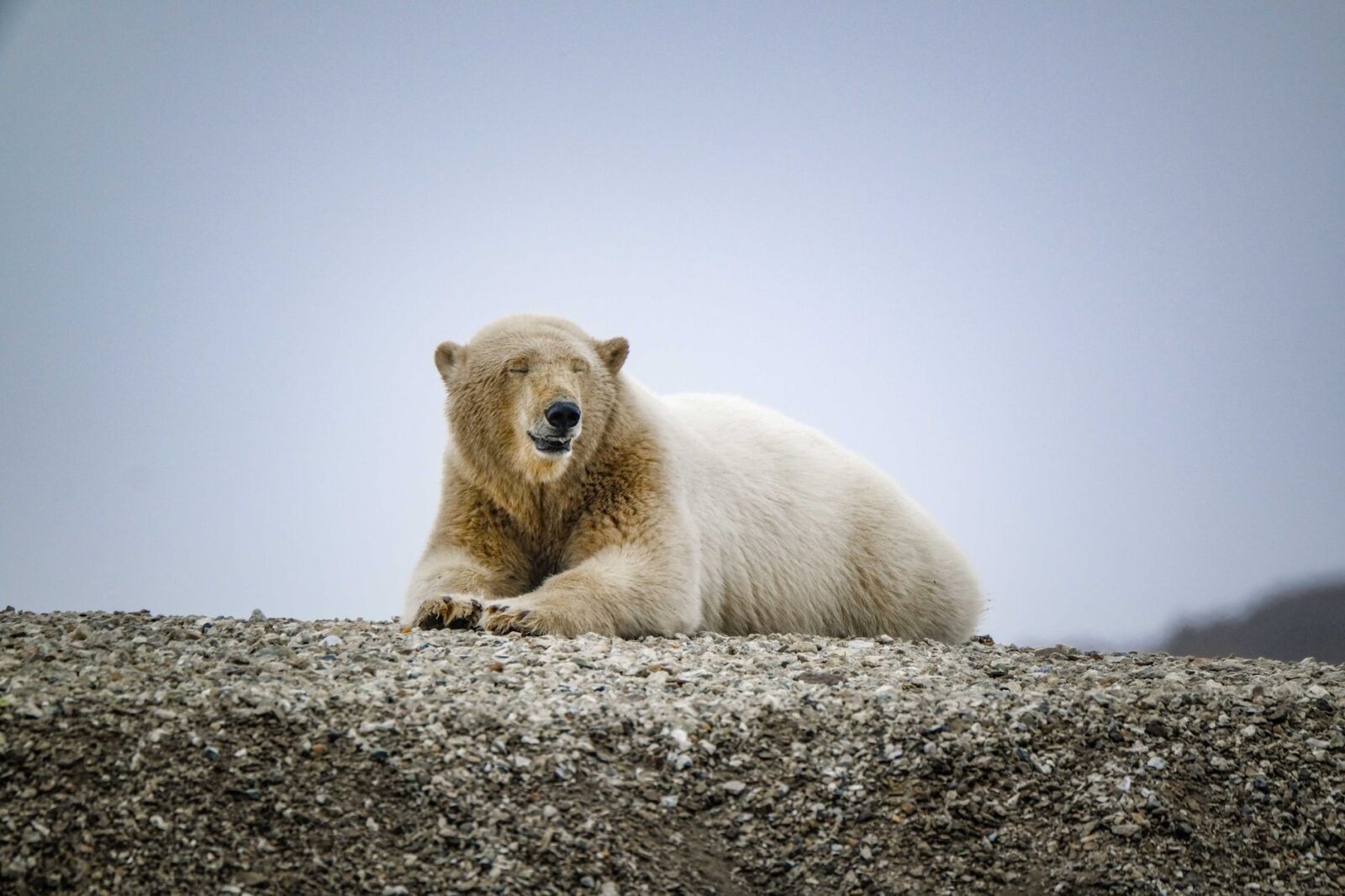
For those seeking true frontier experiences, Churchill in Manitoba is renowned as the “Polar Bear Capital of the World.” The best time to view these majestic creatures is October and November, when the bears gather along the Hudson Bay waiting for sea ice to form. Guided tundra buggy tours cost USD 450‑600 for a full day, including transportation from Churchill airport and a knowledgeable guide. The Itsanitaq Museum, which showcases Inuit art and artifacts, charges USD 10 for admission.
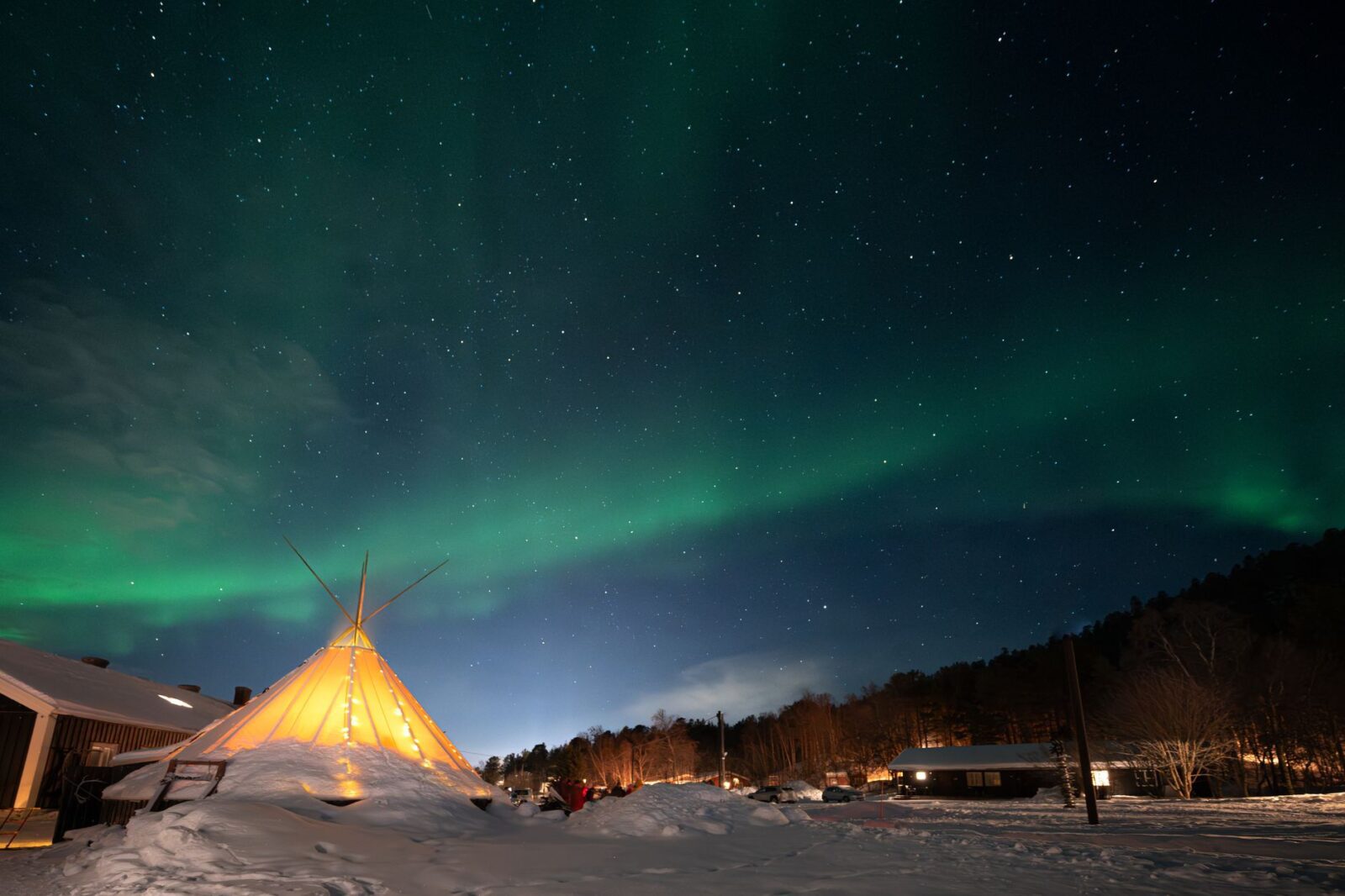
The Yukon Territory offers expansive landscapes and the chance to witness the northern lights under some of the darkest skies in North America. Whitehorse, the territorial capital, serves as a gateway to Kluane National Park, home to Canada’s highest peak, Mount Logan. A day trip to the hot springs at Takhini costs USD 30, while a multi‑day backpacking trip into the Icefield Ranges can be arranged through local outfitters for USD 250 per person per day, including gear rental and guide fees.
Insider tip: To maximize aurora viewing, stay outside Whitehorse in a wilderness lodge with minimal light pollution. Many lodges offer wake‑up calls when solar activity peaks, increasing your chances of seeing the lights. Dress in layers rated for -30°C (-22°F) and bring a sturdy tripod for night photography.
Prairie Gems and Hidden Valleys: Yoho, Cavendish and Cowichan
Yoho National Park, though smaller than its neighbors, packs a punch with dramatic waterfalls and fossil beds. The iconic Takakkaw Falls plunges 384 meters (1,260 feet), accessible via a short shuttle bus from the park entrance for USD 5. The Burgess Shale, a UNESCO World Heritage Site, offers guided hikes that reveal 508‑million‑year‑old marine fossils; these tours start at USD 90 per person.
On Prince Edward Island, the town of Cavendish is famous for its red‑sand beaches and as the setting of Lucy Maud Montgomery’s “Anne of Green Gables.” Visitors can tour the Green Gables Heritage Place for USD 12, walk the scenic Cavendish Boardwalk, and enjoy fresh lobster rolls at local shacks for about USD 18. The island’s culinary scene emphasizes potatoes, mussels, and ice cream made with local dairy.
Returning to Vancouver Island, the Cowichan Valley continues to gain recognition for its boutique wineries and farm‑to‑table restaurants. A guided wine tour that includes three tastings and a lunch pairing costs roughly USD 120. The valley’s mild climate also supports lavender farms; a visit to Purple Hill Lavender Farm includes a guided tour and a small sachet for USD 20. If you enjoy the relaxed pace of Cavendish, you’ll find a similar vibe in Cowichan’s charming towns like Duncan and Ladysmith.
Traveling by Rail: Scenic Train Journeys Across Canada
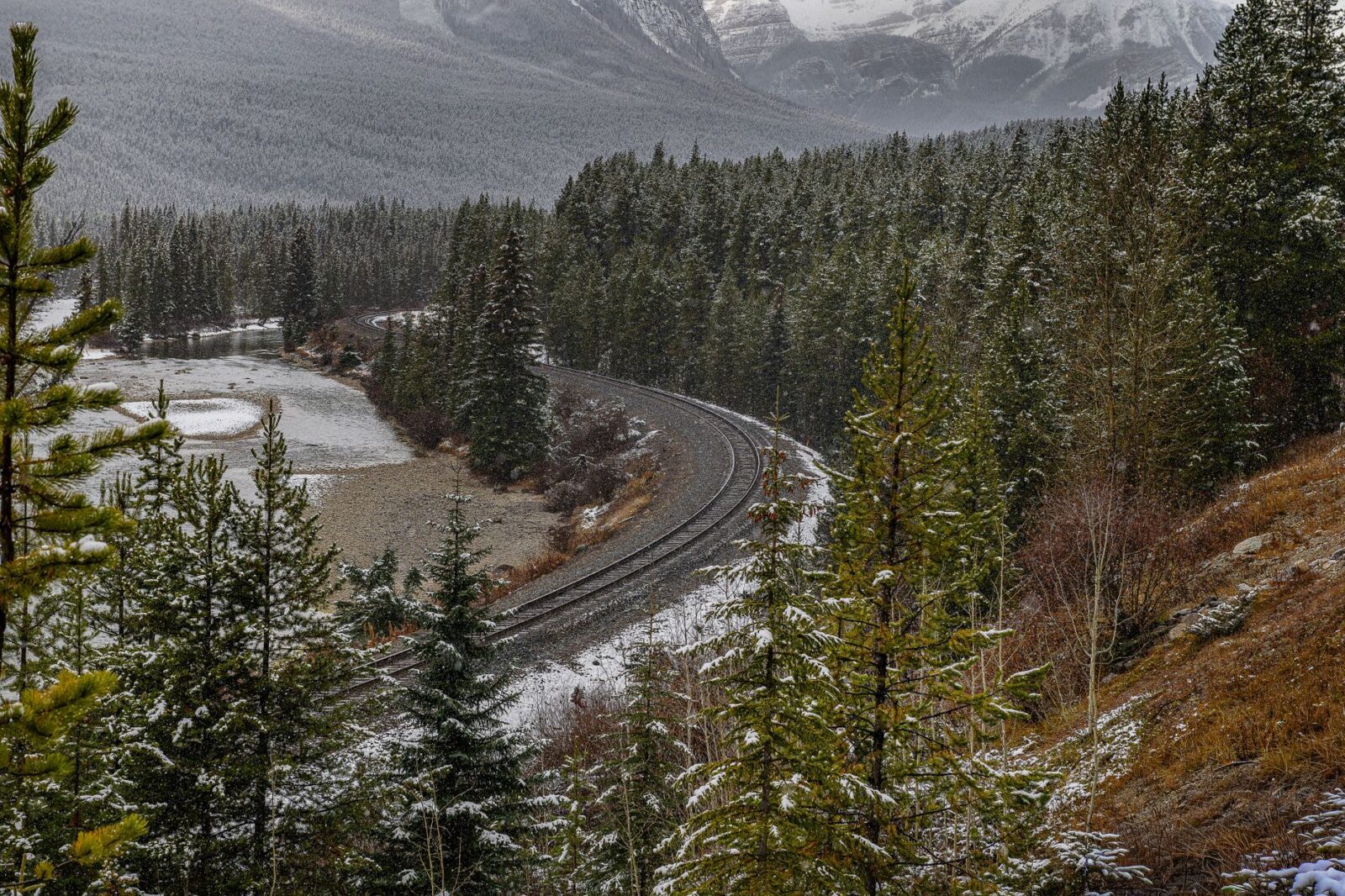
Canada’s rail network offers some of the most scenic routes on the planet, perfect for travelers who prefer to sit back and watch the landscape unfold. The Rocky Mountaineer operates two main routes: the First Passage to the West (Vancouver to Banff/Lake Louise) and the Journey Through the Clouds (Vancouver to Jasper). A SilverLeaf service ticket for the First Passage to the West starts at USD 625 per person for a two‑day daylight journey, including meals and onboard commentary.
VIA Rail’s flagship train, The Canadian, runs from Toronto to Vancouver, covering 4,466 kilometers (2,775 miles) in about four days. Economy class fares begin at USD 350, while Sleeper Plus class, which includes a private cabin and all meals, starts at USD 1,150. The train passes through the prairies, the Canadian Shield, and the Rockies, offering ever‑changing vistas.
For a more northern adventure, the Hudson Bay Line connects Winnipeg to Churchill, operating primarily in the summer and fall. This route is essential for polar bear tourists, with fares around USD 250 one‑way in coach class. Booking early is advisable, as seats fill quickly during peak wildlife season.
Insider tip: When traveling by rail, reserve a seat on the side of the train that faces the scenery you most want to see. On the Rocky Mountaineer, the left‑hand side (when heading east) offers the best views of the mountains and lakes.
Practical Planning: Visas, Budget, Canada Strong Pass and Tips
Most travelers from the United States, United Kingdom, European Union, Australia, Japan, and South Korea can enter Canada with an electronic Travel Authorization (eTA), which costs CAD 7 (about USD 5) and is valid for up to five years or until your passport expires. Citizens of many other countries, including India, China, Brazil, and the UAE, need to apply for a visitor visa through the Immigration, Refugees and Citizenship Canada (IRCC) website. Processing times vary but typically take 15‑30 days; applicants should submit their documents well in advance.
Budgeting for a two‑week trip across Canada can range widely. A moderate traveler who mixes budget hotels, occasional splurges on meals, and a mix of public transport and rental car can expect to spend USD 180‑250 per day. This includes accommodation (USD 80‑120), food (USD 40‑60), local transport (USD 20‑30), and activities (USD 40‑60). Luxury travelers should budget USD 400‑600 per day for high‑end hotels, fine dining, and private tours.
The Canada Strong Pass, available from June 19 to September 7, 2026, provides unlimited entry to over 80 Parks Canada sites for a flat fee. Families benefit greatly: a pass for two adults and up to three children costs CAD 139 (about USD 103). Remember that the pass does not cover guided tours, parking fees, or special experiences like the Ice Explorer or gondola rides; those must be purchased separately.
Final tips: Pack a reusable water bottle—tap water is safe and excellent across Canada. Download offline maps for remote areas where cellular service is spotty. Learn a few basic French phrases if you plan to visit Quebec; locals appreciate the effort. And always respect wildlife by keeping a safe distance—minimum 30 meters (100 feet) for bears and 100 meters (328 feet) for moose.
Stay informed with the latest travel news, visa updates, and destination guides. Follow HimalayanCrest.com for weekly travel intelligence delivered by our editorial team.