

Why Norway Is Trending Right Now
Norway has surged back onto travelers’ radars in 2026, driven by a combination of stunning natural phenomena and improved accessibility. The country’s tourism sector contributed 4.2% of its gross domestic product in 2018, and roughly seven out of every hundred residents work in tourism, showing how vital visitors are to local economies. Seasonality remains strong, with more than half of all tourists arriving between May and August when the fjords are ice‑free and the midnight sun bathes the landscape in golden light. This summer, social media feeds are filled with reels of Arctic surfing in Lofoten, dramatic cliffside photos from Trolltunga, and the ethereal glow of the Northern Lights over Tromsø, inspiring a new wave of wanderlust.
Beyond the scenery, Norway’s commitment to sustainable travel makes it especially appealing. Many farms now offer “rural luxury” stays where guests can help with cheese making, sample fresh rakfisk, and learn about centuries‑old fishing traditions. Art lovers flock to Oslo to see Edvard Munch’s The Scream at the National Museum, while the sculpture park at Kistefos Museum and the contemporary Kunstsilo in Kristiansand showcase cutting‑edge Nordic creativity. All of these factors combine to make Norway not just a pretty picture, but a destination where culture, adventure, and responsible tourism intersect.
Iconic Fjord Experiences: Geirangerfjord, Nærøyfjord & Lysefjord
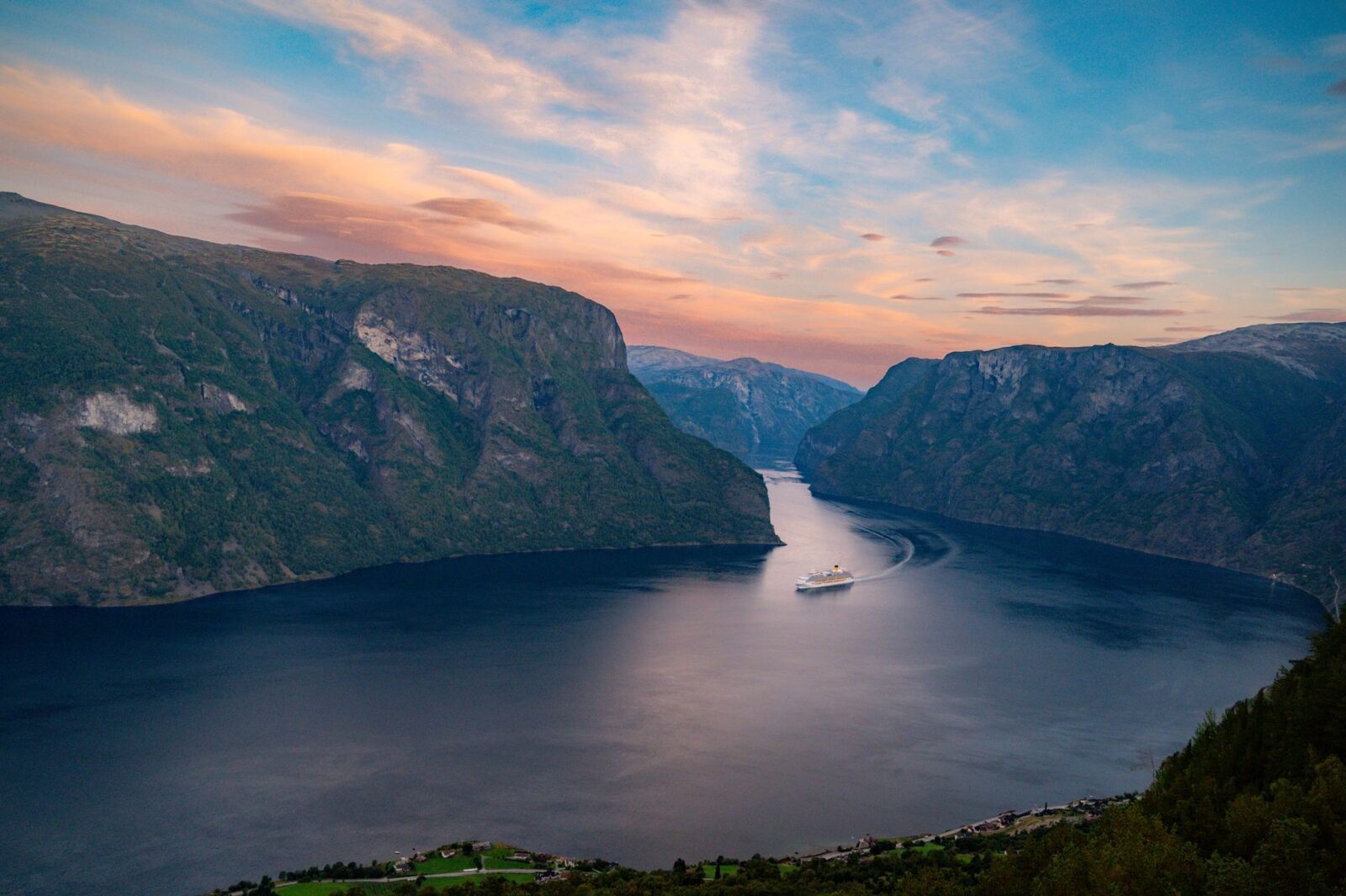
The fjords are Norway’s biggest draw, and for good reason. Geirangerfjord, a UNESCO World Heritage site, is famous for its cascading waterfalls such as the Seven Sisters and the Bridal Veil, which plunge directly into the deep blue water. Visitors can take a fjord cruise from the village of Geiranger, with tickets averaging USD 45 for a two‑hour round trip, or kayak among the falls for a more intimate perspective (USD 80 for a guided half‑day tour). The nearby town of Hellesylt offers charming wooden houses and a gateway to the famous Flydalsjuvet viewpoint.
Just a short drive south, Nærøyfjord—another UNESCO gem—narrows to a mere 250 meters at its tightest point, surrounded by towering cliffs that rise over 1,700 meters. The scenic Flåm Railway, often rated one of the world’s most beautiful train journeys, climbs from Flåm to Myrdal in about one hour, with tickets priced at USD 65 one‑way. Many travelers combine the train with a fjord cruise, creating the classic “Norway in a Nutshell” itinerary that costs roughly USD 150 per person.
Lysefjord, located only an hour’s drive from Stavanger, offers accessibility without sacrificing grandeur. Its most famous attraction is Preikestolen (Pulpit Rock), a flat cliff that juts 604 meters above the fjord. The hike to the summit takes about four hours round trip and is free, though guided tours with gear rental start at USD 50. For those seeking a vertical challenge, Kjeragbolten—a boulder wedged between two cliffs—requires a more strenuous trek and rewards hikers with spectacular photo opportunities.
Arctic Adventures: Lofoten Islands & Tromsø
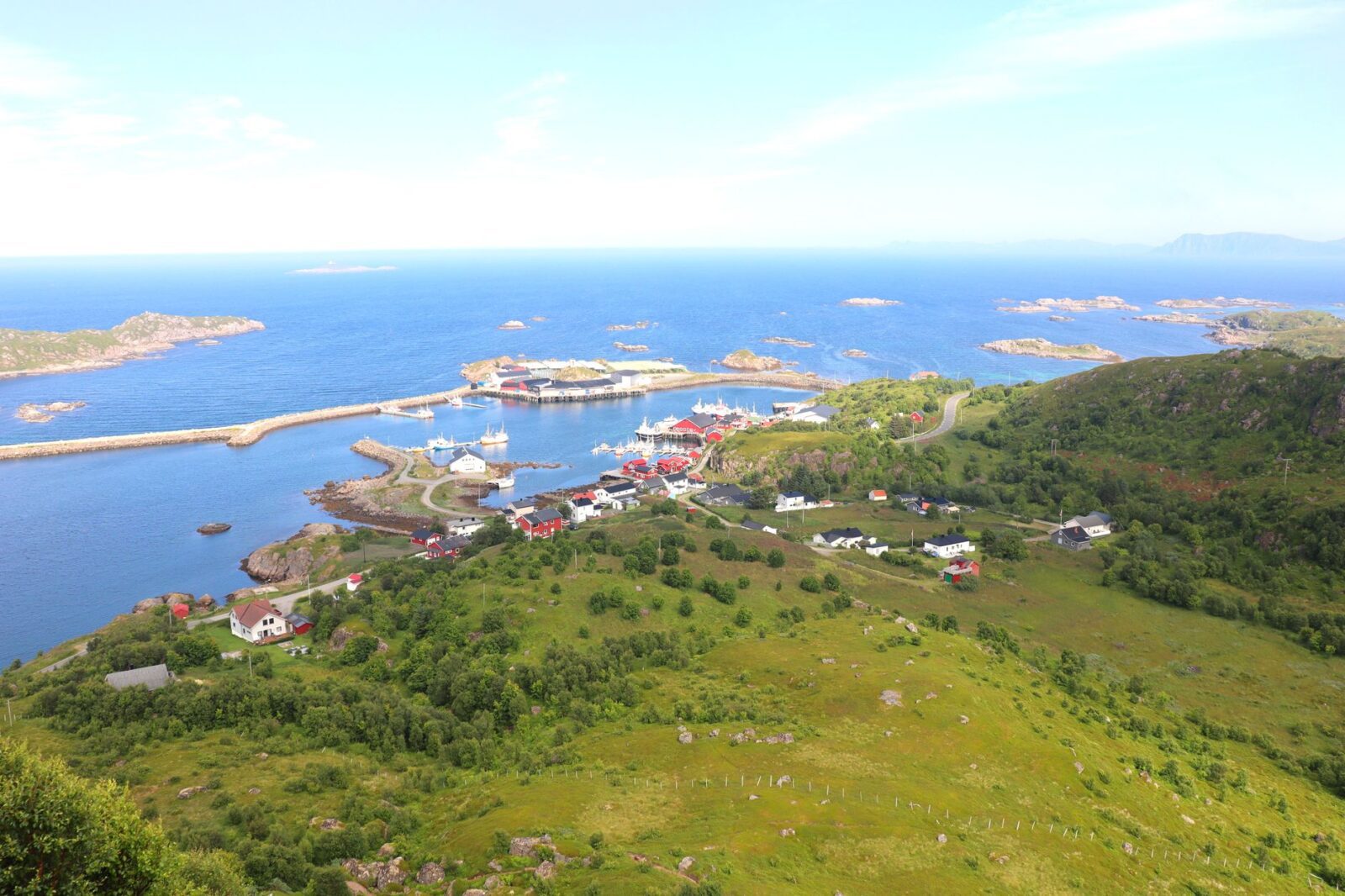
North of the Arctic Circle, the Lofoten Islands present a dramatic blend of jagged peaks, sheltered bays, and traditional fishing villages. Reine, often photographed with its red rorbuer (fishermen’s cabins) reflected in calm waters, is a base for hikers aiming for the Reinebringen summit—a steep but short climb offering panoramic views (USD 30 for a guided sunrise tour). Surfing enthusiasts flock to Unstad, where the Arctic surf school offers lessons for USD 90 per session, complete with wetsuits suited to 5‑degree Celsius waters.
Further north, Tromsø styles itself as the gateway to the Arctic. The city’s iconic Arctic Cathedral, with its striking triangular design, hosts midnight concerts during the summer months. In winter, Tromsø is one of the best places on Earth to witness the Northern Lights; guided aurora hunts start at USD 120 and include transportation, warm suits, and expert photography tips. The Polaria Arctic Experience Center and the Tromsø Museum provide insight into Sámi culture and polar exploration.
For a truly immersive Arctic experience, many travelers opt for the Norway Coastal Express (Hurtigruten) voyage. This legendary cruise sails from Bergen to Kirkenes, stopping at 34 ports along the way. A classic seven‑day northbound voyage costs approximately USD 1,200 per person in an inside cabin, with upgrades to suites reaching USD 2,500. The journey offers unparalleled views of fjords, glaciers, and wildlife, making it a favorite among solo female travelers and couples alike.
Cultural Gems: Oslo, Bergen & Beyond
Oslo, the capital, blends modern design with deep historical roots. The Vigeland Sculpture Park, featuring over 200 bronze and granite figures by Gustav Vigeland, is free to enter and attracts millions each year. The Viking Ship Museum houses three remarkably preserved 9th‑century vessels, with admission priced at USD 18. Art aficionados should not miss the newly opened Munch Museum, where The Scream and other works are displayed in a state‑of‑the‑art facility; tickets are USD 20. For a taste of contemporary Norwegian cuisine, the Mathallen food hall offers everything from reindeer sausage to brunost (brown cheese) tastings.
Bergen, known as the gateway to the fjords, charms visitors with its UNESCO‑listed Bryggen wharf—a row of colorful wooden buildings dating back to the Hanseatic League. The Fløibanen funicular climbs to Mount Fløyen for sweeping city views; a round‑trip ticket costs USD 15. The bustling Fish Market is perfect for sampling fresh salmon, king crab, and the local specialty klippfisk (dried and salted cod). Bergen also serves as a launchpad for the famous Bergen Railway, considered one of the world’s most scenic train rides to Oslo.
Beyond the big cities, smaller towns offer authentic experiences. In the inland town of Lillehammer, visitors can explore the Maihaugen open‑air museum, which showcases traditional Norwegian architecture and costs USD 16 for entry. The historic mining town of Røros, another UNESCO site, features well‑preserved wooden houses and a vibrant craft scene, with many workshops offering hands‑on silversmithing classes for USD 70.
Epic Hikes: Trolltunga, Preikestolen & Jotunheimen
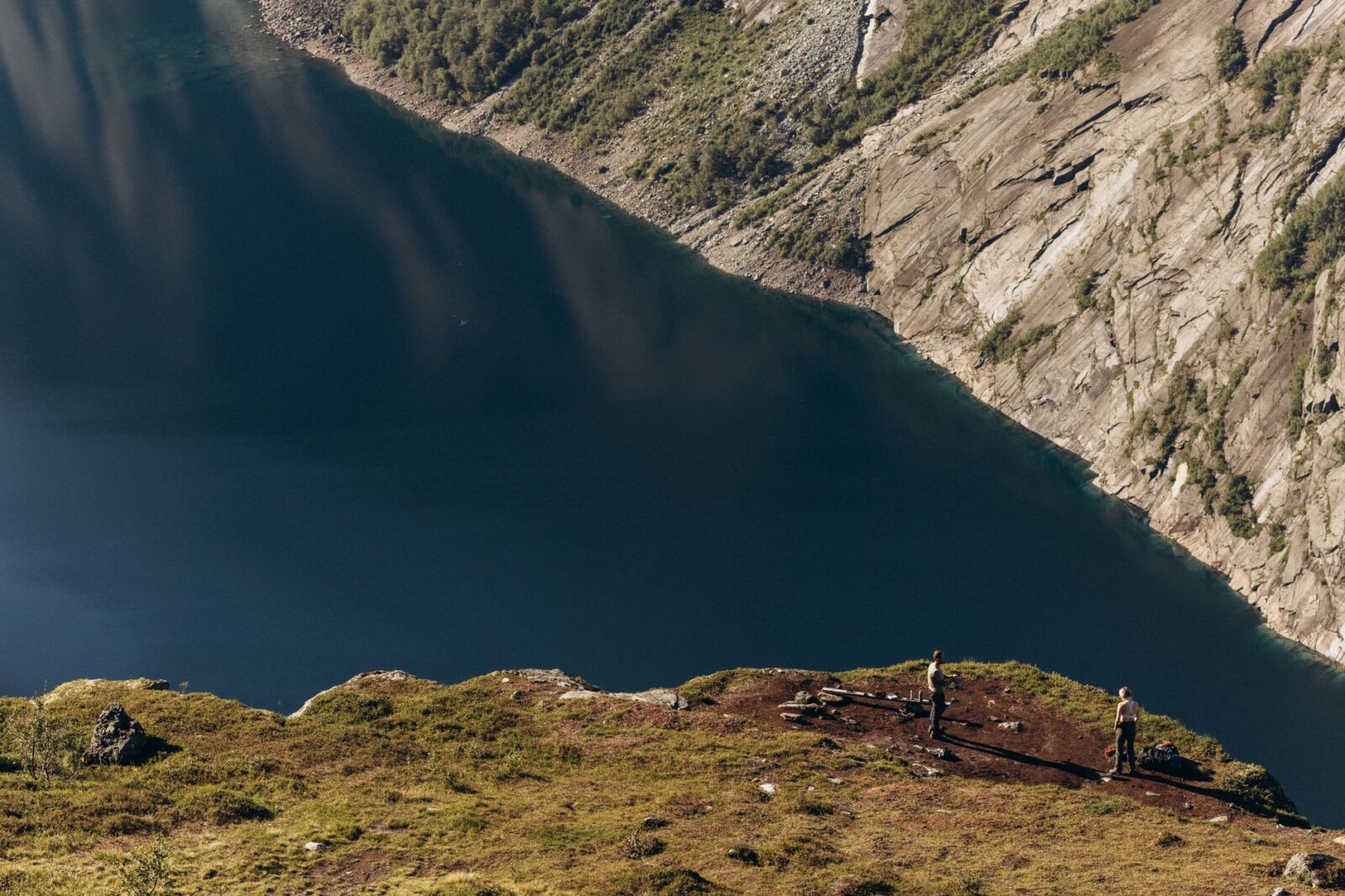
Trolltunga, or “the Troll’s Tongue,” is perhaps Norway’s most photographed cliff formation. Located near the town of Odda, the hike to the tongue and back covers roughly 28 kilometers and demands 10‑12 hours of strenuous trekking. Because of its popularity, the local authority now requires hikers to register online (free) and recommends starting early to avoid afternoon storms. Guided tours, which include gear, transportation from Odda, and a packed lunch, start at USD 130 per person.
Preikestolen, while shorter, remains a bucket‑list trek. The trailhead is accessible by car from Stavanger, with a parking fee of USD 10. The round‑trip hike takes about four hours, and many hikers choose to go at sunrise to catch the light spilling over the fjord. For those who prefer not to drive, organized day trips from Stavanger cost USD 80 and include transport, a guide, and safety briefing.
Jotunheimen National Park, home to Norway’s highest peaks, offers a range of options from gentle valley walks to multi‑day glacier treks. The classic Besseggen ridge hike traverses a narrow ledge with turquoise lakes on either side; the loop is about 14 kilometers and takes six to eight hours. Accommodation in the park ranges from USD 45 per night in a basic DNT (Norwegian Trekking Association) cabin to USD 180 for a private room in a mountain lodge. Summer is the ideal season, as snow can linger on high passes well into July.
Practical Planning: When to Go, Costs & Logistics
Timing your trip depends on what you hope to experience. For fjord cruises, hiking, and midnight sun, aim for mid‑June to early September. Daylight stretches beyond 20 hours in late June, and temperatures in the south average 15‑20°C (59‑68°F). If your goal is the Northern Lights, plan for late September to early April, with peak activity often occurring around the equinoxes in March and September. Winter months bring snow‑covered landscapes perfect for skiing, dog sledding, and ice fishing, though daylight is limited to as few as six hours in December.
Budgeting is essential, as Norway ranks among the more expensive European destinations. A budget traveler can expect to spend roughly USD 80‑100 per day by staying in hostels (USD 30‑45 for a dorm bed), cooking simple meals, and using public transport. Mid‑range travelers should budget USD 150‑200 per day, covering three‑star hotels (USD 120‑180 per night), meals at casual restaurants (USD 15‑25 per dish), and occasional guided tours. Luxury seekers often spend USD 300+ per day, opting for boutique hotels, private fjord cruises, and fine‑dining experiences featuring reindeer, Arctic char, and locally foraged ingredients.
Entry requirements are straightforward for many nationalities. Norway is part of the Schengen Area, so citizens of the United States, Canada, the United Kingdom, Australia, Japan, and most European countries can enter visa‑free for stays up to 90 days within a 180‑day period. Travelers must hold a passport valid for at least three months beyond their planned departure date. For those requiring a visa, applications are submitted through the Norwegian Directorate of Immigration (UDI) website: https://www.udi.no/en/word/. It is advisable to apply at least 15 days before departure.
Insider Tips & Local Secrets
Seasoned travelers know that the best way to stretch a Norwegian krone is to embrace the friluftsliv (open‑air living) mindset. Instead of dining out for every meal, visit local grocery chains like Rema 1000 or Kiwi and prepare picnics with fresh bread, cheese, and fruit—this can cut food costs by up to 40%. Many municipalities offer free public Wi‑Fi in libraries and town centers, useful for checking ferry schedules or uploading photos without roaming charges.
When it comes to transportation, consider purchasing a Vy (formerly NSB) rail pass if you plan multiple train journeys; a seven‑day flexible pass costs about USD 210 and allows unlimited travel on Vy trains nationwide. For ferry hopping along the fjord corridor, the Norway in a Sightseeing Pass (available in Bergen and Oslo) bundles ferry tickets, museum entry, and public transport discounts for USD 95 for three days.
Packing smart is crucial. Layering is the rule: a moisture‑wicking base layer, an insulating fleece or wool mid‑layer, and a waterproof breathable outer shell. Footwear should be sturdy, waterproof hiking boots with good ankle support—trails can be slick even in summer due to mist and glacial runoff. Don’t forget a universal travel adapter (Norway uses Type F plugs, 230V, 50Hz) and a reusable water bottle; tap water is among the cleanest in the world and safe to drink everywhere.
Finally, learn a few basic Norwegian phrases. While most Norwegians speak fluent English, a simple Takk (thank you) or Unnskyld (excuse me) goes a long way in building rapport. In rural areas, especially in the north, you might encounter Sámi speakers; showing respect for their culture by asking permission before photographing reindeer or traditional dwellings is appreciated.
Alternatives & Comparisons for Similar Experiences
If you love Norway’s fjords but crave a different cultural flavor, consider the Westfjords of Iceland. Like Norway, Iceland offers dramatic sea cliffs, puffins, and geothermal hot springs, but with a stronger Viking‑saga narrative and the chance to bathe in the Blue Lagoon (USD 70 entry). The Ring Road circuit can be completed in 10‑14 days and often feels less crowded than Norway’s southern fjord corridor during peak summer.
For hikers who admire the vertical exposure of Trolltunga but want a less‑traveled alternative, the Romsdalseggen Ridge in Åndalsnes provides comparable exposure with panoramic views of the Romsdal Alps and the Rauma River. The trek is about 15 kilometers round trip, takes six to eight hours, and sees far fewer visitors, allowing for a more solitary experience.
Travelers enchanted by the Northern Lights in Tromsø might also enjoy Finnish Lapland, particularly around Rovaniemi and Kakslauttanen. Glass‑roof igloos let you watch the aurora from the comfort of a warm bed, and prices for a two‑night stay start at USD 250. Additionally, Lapland offers unique experiences such as reindeer sledding and visits to Santa Claus Village, making it a family‑friendly alternative.
If your heart is set on Arctic surfing but you’d prefer milder water temperatures, the Lofoten‑style surf scene has begun to emerge in Northern Scotland, especially around Thurso and the Orkney Islands. Water temperatures hover around 8‑10°C in summer, and surf schools offer lessons for USD 80, providing a comparable thrill without the long flight north.
Quick Action Checklist & FAQ
Step‑by‑Step Action Guide
- Verify your passport’s validity (minimum three months beyond return date).
- Decide on travel dates based on desired activities (fjord summer vs. winter lights).
- Book flights to Oslo Gardermoen (OSL), Bergen (BGO), or Tromsø (TOS); look for fare sales on carriers like SAS, Norwegian, and low‑cost options such as Ryanair and Wizz Air.
- If required, apply for a Schengen visa via the UDI portal at least 15 days before departure.
- Purchase comprehensive travel insurance that covers medical evacuation and adventure activities.
- Reserve accommodation early—especially for popular spots like Geiranger, Lofoten, and Tromsø—using platforms such as Booking.com or Airbnb.
- Pre‑book high‑demand experiences: fjord cruises (e.g., Fjord Tours), Trolltunga guided hikes, and Northern Lights excursions.
- Purchase a Vy rail pass or Norway in a Sightseeing Pass if you plan multiple train or ferry rides.
- Pack layered clothing, waterproof boots, a universal adapter, and a reusable water bottle.
- Download offline maps (Google Maps or Maps.me) and learn a few Norwegian phrases.
Frequently Asked Questions
- When is the best time to see the Northern Lights in Norway?
- The aurora borealis is most visible from late September to early April, with peak activity often occurring around the March and September equinoxes. Clear, dark skies away from city lights improve chances, and many tours in Tromsø and the Lofoten Islands guarantee a second attempt if the lights don’t appear on the first outing.
- How expensive is Norway compared to other European countries?
- Norway is consistently ranked among the pricier destinations in Europe. A budget traveler can manage USD 80‑100 per day by staying in hostels and self‑catering, while mid‑range visitors should plan for USD 150‑200 per day. Luxury travel easily exceeds USD 300 per day. Costs are driven by high wages, strong currency, and the price of imported goods.
- Do I need a visa to visit Norway as a U.S. citizen?
- No. U.S. citizens enjoy visa‑free access to Norway and the Schengen Area for stays up to 90 days within any 180‑day period. Your passport must be valid for at least three months beyond your planned departure date. For longer stays, work, or study, you must apply for a residence permit through the Norwegian Directorate of Immigration.
- What are three must‑try foods in Norway?
- First, brunost (brown cheese), a sweet, caramel‑flavored cheese often served on toast or waffles. Second, rakfisk, fermented freshwater trout traditionally eaten with flatbread and sour cream. Third, klippfisk (dried and salted cod), which can be prepared as bacalao stew or fried alongside potatoes.
- Can I get around Norway without renting a car?
- Absolutely. Norway’s public transport network is extensive and reliable. Vy trains connect major cities such as Oslo, Bergen, Trondheim, and Stavanger. Express boats (ferries) ply the fjord corridors, and regional buses reach smaller towns. In cities, trams, buses, and metros provide easy access. For remote hiking trailheads, a combination of train, bus, and sometimes a short taxi ride is usually sufficient.
Stay informed with the latest travel news, visa updates, and destination guides. Follow HimalayanCrest.com for weekly travel intelligence delivered by our editorial team.