

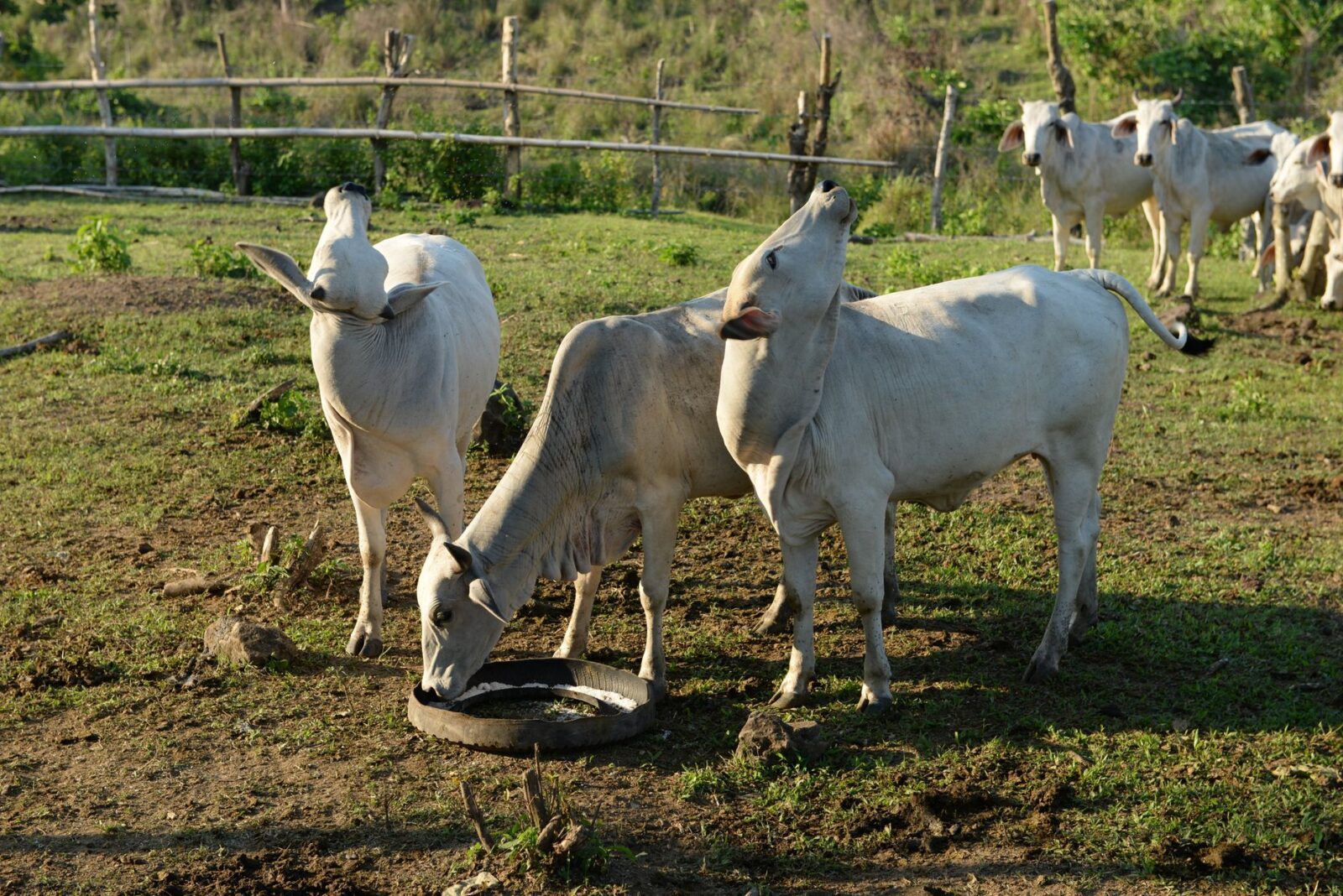
The Current Bluetongue Surge in the UK
In August 2026, the Animal and Plant Health Agency reported a sharp rise in suspected bluetongue cases across Great Britain. Farmers and veterinarians are submitting more samples for testing than in previous years, prompting the agency to outline the full process from initial report to final result. This surge is driven primarily by the BTV‑3 serotype, which has been detected in hundreds of premises since the start of the year. Understanding the reporting pathway helps livestock keepers avoid unnecessary delays and ensures that disease control measures can be applied swiftly.
Bluetongue is a notifiable disease, meaning there is a legal duty to inform the authorities as soon as clinical signs are observed. The virus does not infect humans or compromise food safety, but it can trigger movement restrictions that affect trade and farm operations. For investors involved in agribusiness, these restrictions can influence the viability of livestock‑based projects and related residency pathways that rely on agricultural activity.
Legal Obligation: Reporting Suspected Cases
The first step in the official process is a phone call to the Animal and Plant Health Agency’s disease reporting line. During this call, an APHA veterinarian asks a series of questions to determine whether the observed signs—such as fever, swelling of the head and neck, lameness, or oral lesions—are consistent with bluetongue. The veterinarian also records the premises location, the number of animals affected, and any recent movements of livestock onto or off the holding.
Because bluetongue is notifiable, failure to report a suspicion can result in penalties under the Animal Health Act. The agency emphasizes that early reporting benefits both the keeper and the wider disease surveillance network, allowing sampling teams to be dispatched while the virus is still present in the bloodstream.
Step‑by‑Step: From Call to Laboratory
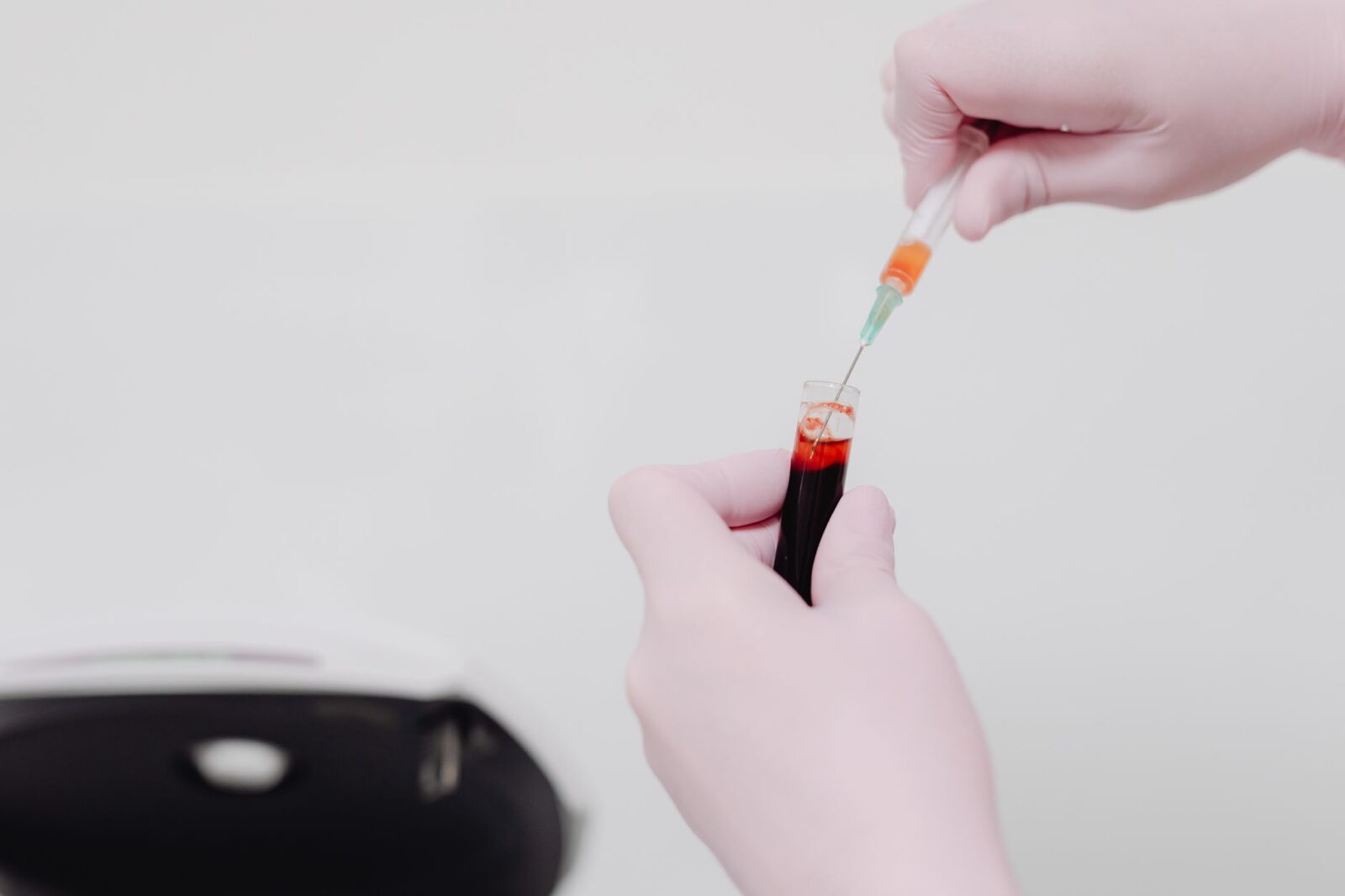
Once a report is accepted, an APHA field veterinarian arranges a visit to the premises, usually within 24 hours for high‑priority suspicions. On arrival, the veterinarian conducts a clinical examination and collects blood samples from up to three animals showing the most severe signs. These samples are placed in sterile tubes with anticoagulant and labeled with a unique barcode that links them to the holding’s CPH number.
The samples are then transported to one of the APHA‑approved diagnostic laboratories, typically the regional Veterinary Laboratories Agency facility. Each sample is logged into the laboratory information system, and a receipt is sent back to the keeper confirming that the specimens have been received for testing.
Testing Details: What the Labs Look For
At the laboratory, the blood is screened using real‑time polymerase chain reaction (PCR) assays that can detect bluetongue viral RNA and differentiate between serotypes. The current outbreak is dominated by BTV‑3, but the assay panel also checks for BTV‑1, BTV‑2, BTV‑4, BTV‑8 and other strains that could cause similar clinical pictures. A negative PCR result rules out active infection, while a positive result triggers further characterization.
If PCR is positive, the laboratory attempts virus isolation in cell culture to confirm viability and to generate material for sequencing. Sequencing identifies the exact genotype, which helps epidemiologists trace the likely source of the incursion—whether it arrived via wind‑borne midges from continental Europe or through animal movements. All results are entered into the national disease database and communicated to the keeper via email or secure portal.
Recent Statistics and Geographic Spread
As of 17 August 2026, the UK has recorded 456 confirmed BTV‑3 cases, according to the latest AHDB update. The majority of these infections are concentrated in the southwest, with Devon reporting 153 premises and Cornwall 55 premises. Somerset, Dorset and parts of Wiltshire have also seen notable increases. In contrast, no cases of the older BTV‑8 serotype have been detected in the 2026‑2027 season.
The disease has also crossed into Scotland, where a lamb and three sheep on three separate farms tested positive in early August. Experts believe an infected plume of biting midges carried the virus from outbreaks in Northern Ireland and the Republic of Ireland. Ongoing investigations involve 234 premises where samples are awaiting results, indicating that the total number of affected holdings could rise further.
“The peak of the BTV‑3 outbreak is expected in September, prompting urgent calls for vaccination where feasible,”
states the AHDB bluetongue hotline guidance.

Impact on Farmers, Agribusiness Investors and Rural Visa Pathways
For livestock farmers, movement restrictions imposed after a confirmed case can last up to 30 days per affected premises, disrupting sales, breeding programmes and grazing schedules. These restrictions translate into direct financial losses, especially for small‑scale producers who rely on regular market access. Larger agribusiness investors may see delays in expanding herd sizes or launching new dairy or sheep units, which can affect projected returns on investment.
Several UK visa routes link residency rights to agricultural activity, such as the Innovator Founder visa for agri‑tech startups, the Skilled Worker visa for farm managers, and certain rural development schemes that grant indefinite leave to remain after a period of sustained farming investment. When bluetongue triggers movement bans, holders of these visas may find it harder to meet the activity thresholds required for visa extensions or settlement, prompting a need to monitor disease status closely.
Digital nomads and retirees are less directly affected, but those who own hobby farms or smallholdings as part of a lifestyle migration may encounter similar restrictions. Investors considering citizenship‑by‑investment programmes that require a demonstrable economic contribution—such as funding a livestock improvement project—should verify that the target region is not currently under bluetongue‑related trade sanctions.
How Other Countries Manage Bluetongue (EU, US, Australia)
Within the European Union, member states follow a harmonised bluetongue control programme that includes mandatory reporting, compulsory vaccination in high‑risk zones, and compensation for culled animals. Countries such as France and Germany have maintained national vaccine banks that can be deployed rapidly when a new serotype emerges. The EU’s Animal Health Law also requires that movement restrictions be lifted only after two consecutive negative tests on the holding.
In the United States, the Animal and Plant Health Inspection Service (APHIS) classifies bluetongue as a reportable disease but does not enforce nationwide vaccination. Instead, surveillance focuses on sentinel herds in southern states where the vector Culicoides sonorensis is active. Trade restrictions are applied on a state‑by‑state basis, and affected producers can access indemnity funds through the Farm Service Agency.
Australia’s approach is strictly preventive: the country remains free of bluetongue through rigorous import controls, vector monitoring, and an emergency response plan that would trigger immediate culling and vaccination if an incursion were detected. The Australian Veterinary Emergency Plan (AUSVETPLAN) outlines clear timelines for reporting, sampling and stakeholder communication that are broadly similar to the UK’s process but with a stronger emphasis on pre‑border barriers.
Practical Actions for Affected Stakeholders Now
Livestock keepers should first ensure they know the official reporting telephone number for APHA (03000 200 301) and have their holding’s CPH number ready when they call. Keeping a daily log of animal temperatures, feed intake and any unusual behaviour can help veterinarians assess suspicion more quickly. If a case is confirmed, follow the movement licence conditions issued by APHA and maintain records of all animal movements for traceability.
Farmers considering vaccination should consult their private vet about the availability of BTV‑3‑compatible vaccines, noting that supplies may be limited during peak season. The AHDB advises that vaccinating up to three animals per holding is covered by Defra funding, but additional doses incur private costs. Investors in agribusiness should factor potential outbreak‑related delays into their financial models and maintain dialogue with their immigration advisors regarding any visa activity requirements.
For those pursuing residency or citizenship through agricultural investment, it is wise to monitor the latest bluetongue situation map published on GOV.UK (https://www.gov.uk/guidance/bluetongue-latest-situation) and to subscribe to APHA outbreak alerts. Engaging with local farming unions can provide early warnings about emerging restrictions and access to contingency planning resources.
Frequently Asked Questions
- What should I do if I notice signs that could be bluetongue?
Contact the Animal and Plant Health Agency immediately on 03000 200 301. Provide your CPH number, describe the observed clinical signs, and note the number of animals affected. An APHA veterinarian will guide you on next steps and arrange sampling if needed. - How long does it take to receive test results after a sample is taken?
Under current capacity, most PCR results are returned within 24 to 48 hours of laboratory receipt. During periods of high sample volume, this may extend to 72 hours. You will receive a secure electronic notification once the result is available. - Are there any costs associated with bluetongue testing?
No. Defra covers the cost of diagnostic testing for up to three animals per holding when a suspicion is reported. Additional samples or private testing would be at the owner’s expense. - Can bluetongue affect my ability to renew a UK work or investor visa?
Indirectly, yes. If your visa depends on maintaining a minimum level of agricultural activity, movement restrictions caused by a confirmed case could hinder you from meeting those conditions. Keep detailed records of any disruption and discuss mitigation options with your immigration adviser. - Is vaccination available for all livestock species?
Commercially licensed vaccines are primarily formulated for sheep and cattle. Goats and camelids may receive off‑label use under veterinary supervision, but efficacy varies. Always consult a qualified vet before proceeding with any vaccination programme.
Stay informed with the latest travel news, visa updates, and destination guides. Follow HimalayanCrest.com for weekly travel intelligence delivered by our editorial team.