

The Eclipse Streak That Comes Once in a Generation
For the first time since 2019, sky-watchers around the world will have not just one, but three consecutive years to witness total solar eclipses. Beginning August 12, 2026, a rare celestial alignment will cast the moon’s shadow across continents, offering eclipse chasers a prolonged opportunity to stand in darkness under midday sun. This multiyear streak—spanning 2026, 2027, and 2028—represents the longest period of accessible totality until 2114, according to astronomical forecasts. What makes this sequence extraordinary is not just its frequency, but the quality of viewing locations: the paths of totality will traverse some of Earth’s most dramatic landscapes, from volcanic islands to ancient cities, turning each eclipse into a destination event.
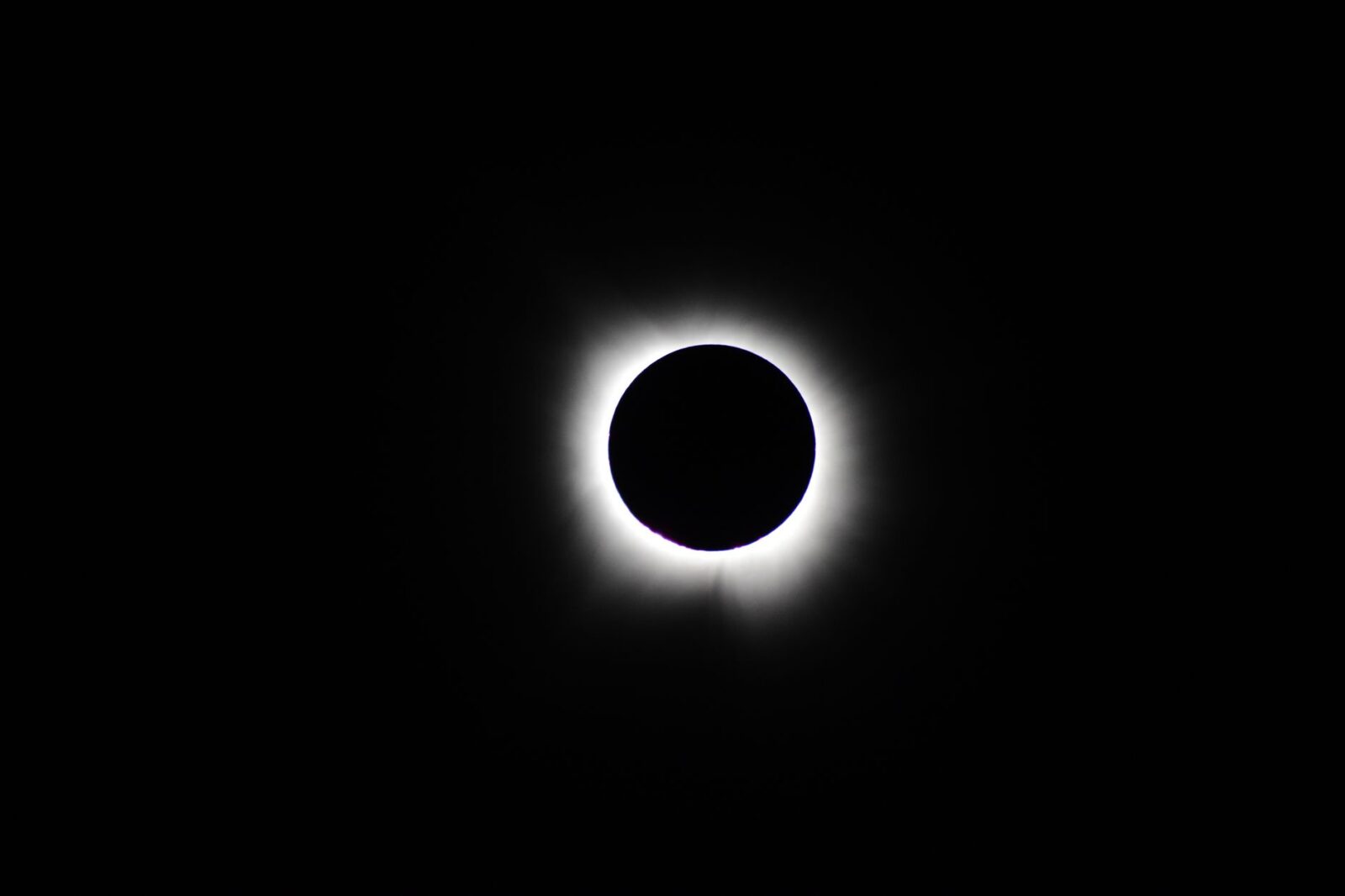
The phenomenon occurs when the moon’s orbit aligns precisely with Earth and the sun, creating a narrow path where the sun is completely obscured. Unlike partial eclipses, which are more common, total solar eclipses require being within this 100- to 200-kilometer-wide corridor to experience the full effect: temperatures drop, birds fall silent, and the sun’s corona becomes visible to the naked eye. The 2026–2028 sequence is particularly significant because it follows a seven-year gap since the last comparable cluster (2019–2021), making it a prime moment for both seasoned umbraphiles and first-time observers to plan meaningful travel around these events.
Where the Shadow Falls: Mapping the 2026 Eclipse Path
The inaugural eclipse of the streak arrives on August 12, 2026, with its path of totality beginning in Siberia and sweeping eastward across the Arctic before crossing the North Atlantic. Key landfalls include eastern Greenland, western Iceland, and northern Spain, before the shadow moves over the western Mediterranean Sea and exits near the coast of Algeria. This trajectory marks the first time a total solar eclipse has been visible from mainland Europe since August 11, 1999—a fact that has already sparked intense interest among European travelers who remember the logistical challenges and weather uncertainties of that earlier event.
In Iceland, the eclipse will occur in the late afternoon, with the capital Reykjavik experiencing 58 seconds of totality. However, the longest duration on land—just over two minutes—will be found in the remote Westfjords, particularly around the Ísafjörður region, where low cloud probability and dramatic fjord landscapes create ideal viewing conditions. Siberia offers the longest stretch of totality over land, though its extreme remoteness and limited infrastructure make it accessible primarily via specialized expedition cruises or chartered flights. Meanwhile, northern Spain—including regions like Galicia and Castilla y León—will see totality lasting approximately one minute, with cities such as A Coruña and León preparing for influxes of visitors.
Why 2027’s Eclipse Is Already Being Called the ‘Eclipse of the Century’
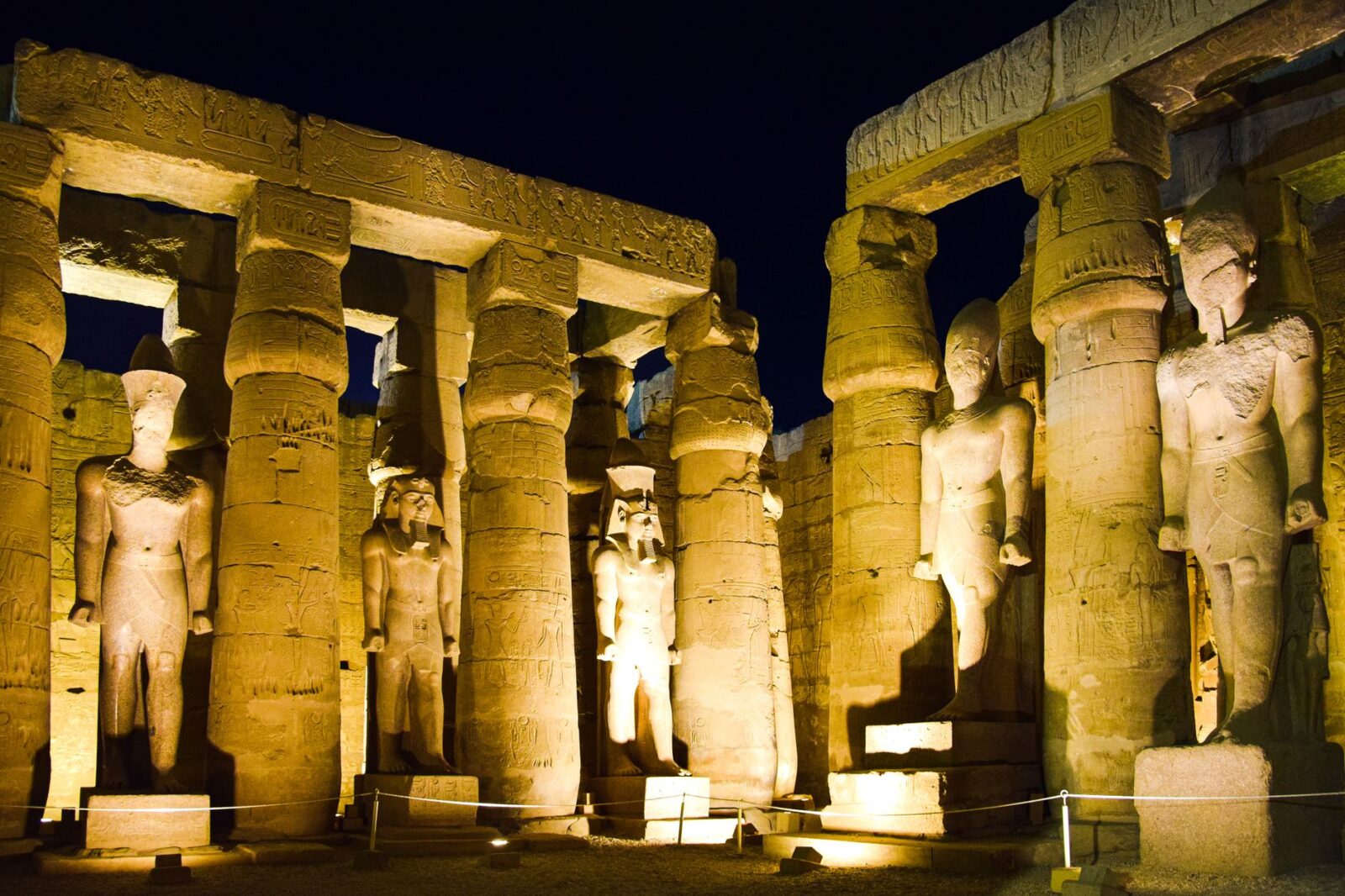
While the 2026 event opens the streak, astronomers and travel experts alike are already highlighting August 2, 2027, as the potential pinnacle. This eclipse will traverse North Africa and the Middle East, with its path of totality passing through Luxor, Egypt—home to the ancient Karnak and Luxor temples—before crossing the Red Sea into Saudi Arabia and concluding over the Indian Ocean. What sets this eclipse apart is its extraordinary duration: up to 6 minutes and 23 seconds of totality near the Sudanese border, making it the longest total solar eclipse visible from land until 2114.
Such prolonged darkness is rare; most total eclipses last between three and five minutes. The 2027 event benefits from a combination of the moon being near perigee (its closest point to Earth, making it appear larger) and Earth being near aphelion (its farthest point from the sun, making the sun appear smaller). This celestial geometry maximizes the moon’s ability to fully cover the sun’s disk. For context, the last eclipse exceeding six minutes of totality occurred in 1973 over Africa, and the next comparable event won’t happen until 2150. As a result, Luxor is positioning itself as a global hub for eclipse tourism, with plans for temporary viewing fields, guided archaeoastronomy tours, and cultural festivals coinciding with the event.
Planning Your Eclipse Chase: Timing, Logistics, and Realistic Expectations
Successfully viewing a total solar eclipse requires more than just showing up on the right date—it demands careful planning around weather, accessibility, and local infrastructure. Historical data shows that eclipse-day weather remains the single biggest factor in successful viewing, with cloud cover obscuring the sun in an estimated 30–40% of cases globally. For the 2026 eclipse, western Iceland offers relatively favorable August conditions, with average cloud coverage of around 50% in the Westfjords—better than many continental European locations. Travelers should monitor forecasts closely in the 72 hours preceding the event and be prepared to relocate within the path of totality if needed.
Logistics vary significantly by location. In Iceland, rental cars are widely available, and the Ring Road remains accessible to most vehicles, though gravel roads in the Westfjords require 4×4 vehicles. Accommodation in remote areas like Ísafjörður books up 12–18 months in advance for eclipse events, so early reservation is essential. In northern Spain, high-speed rail connects major cities like Madrid to Galicia, and cities along the path are expected to deploy temporary viewing zones in parks and plazas. Cruise lines are also positioning ships in the Atlantic and Mediterranean to offer mobile viewing platforms, a particularly useful option for those seeking flexibility against unpredictable weather.
The Rise of Eclipse Tourism: A Niche Market Going Mainstream
Eclipse chasing has evolved from a specialized hobby into a recognizable segment of experiential travel, driven by advances in prediction accuracy, global accessibility, and a growing appetite for rare natural phenomena. Companies specializing in astronomical tourism now offer comprehensive packages that include flights, accommodations, expert guides, and even specialized viewing equipment. For the 2026–2028 streak, several tour operators have already launched itineraries combining eclipse viewing with complementary experiences: glacier hikes in Iceland, Viking history tours in Greenland, or desert camel treks in Morocco ahead of the 2027 event.
This trend reflects broader shifts in travel preferences, particularly among travelers seeking meaningful, bucket-list experiences over conventional sightseeing. According to industry analyses, interest in “dark sky tourism”—which includes eclipses, meteor showers, and aurora viewing—has grown by over 60% since 2018. The economic impact can be substantial: communities in the path of totality often see short-term surges in hotel occupancy, restaurant sales, and local guide employment. For example, regions in Chile and Argentina that hosted the 2019 and 2020 eclipses reported measurable boosts in tourism revenue, prompting local governments to invest in viewing infrastructure and public education campaigns.

Budgeting for the Experience: Costs, Trade-Offs, and Value
The financial commitment for eclipse travel varies widely depending on destination, comfort level, and timing. For the 2026 eclipse in Iceland, budget-conscious travelers can expect to spend approximately $1,500–$2,500 USD for a 5–7 day trip, covering flights from North America or Europe, mid-range accommodation, car rental, and guided viewing excursions. Luxury options—including private charters to optimal viewing spots, guided tours with astronomers, or stays at premium lodges like the Ion Adventure Hotel—can exceed $5,000 USD per person. Cruise-based viewing packages, which offer mobility and expert commentary, typically range from $3,000 to $7,000 USD for 7–10 day voyages departing from ports like Reykjavik or Lisbon.
For the 2027 eclipse in Luxor, costs are generally lower due to Egypt’s favorable exchange rate and established tourism infrastructure. A mid-range package including flights from Europe or the Middle East, 4-star accommodation, guided temple tours, and eclipse viewing access ranges from $1,200 to $2,000 USD. However, travelers should budget extra for contingency plans—such as last-minute relocation due to weather—and consider purchasing travel insurance that covers trip interruption or delays. Experts recommend allocating 10–15% of the total budget for unexpected expenses, particularly when traveling to remote areas where services are limited.
What Comes Next: The 2028 Eclipse and Beyond
The streak concludes on August 12, 2028, with a total solar eclipse whose path of totality will cross the Pacific Ocean, making landfall in eastern Australia and New Zealand before fading over the South Pacific. Key viewing locations include Sydney, Australia—where totality will last approximately 3 minutes and 40 seconds—and the South Island of New Zealand, particularly around Queenstown and Fiordland, where durations may reach up to 4 minutes. This final eclipse offers a dramatic contrast to the earlier events: instead of Arctic deserts or ancient temples, viewers will witness the phenomenon amid alpine lakes, glacial valleys, and rugged coastlines.
Looking beyond 2028, the next comparable multiyear eclipse streak won’t begin until 2031–2033, though none of those events will match the duration or accessibility of the 2026–2028 sequence. After that, eclipse chasers will wait until 2114 for another period of prolonged totality comparable to what’s unfolding now. This long hiatus underscores the uniqueness of the current window—a convergence of celestial mechanics and terrestrial accessibility that may not repeat in our lifetimes. For travelers, it presents a compelling invitation: to witness not just a shadow passing over the Earth, but a rare moment when the cosmos aligns to remind us of our place within it.
Stay informed with the latest travel news, visa updates, and destination guides. Follow HimalayanCrest.com for weekly travel intelligence delivered by our editorial team.