


Why Thailand’s Visa on Arrival is Making Headlines
With its vibrant culture, stunning beaches, and tantalizing cuisine, Thailand remains one of the world’s most sought-after travel destinations. However, recent changes to Thailand’s visa policy have stirred discussions among global travelers. As of June 2026, the Thai government has introduced a revamped Visa on Arrival (VoA) system, impacting tourists from over 90 countries, including India, which previously enjoyed visa-free entry for up to 60 days.
The VoA now allows a stay of up to 15 days, primarily affecting tourists who plan longer vacations. Understanding these changes is crucial for anyone planning to experience Thailand’s enchanting landscapes and bustling cityscapes.
Understanding the New Visa on Arrival Policy
The Visa on Arrival is intended for short-term visitors who plan to explore Thailand for tourism purposes. As of May 2026, this visa permits a stay of up to 15 days and is available at major airports and land border checkpoints. The fee for this visa is approximately 2,000 THB (about $60 USD), payable upon arrival.
Eligible countries include China, India, and several others that previously had more extended visa-free options. This shift aims to enhance security and regulate the flow of tourists into the country. Travelers are advised to check their eligibility and the latest updates on the official Thai immigration website before planning their trip.
Preparing for Your Trip: Documents and Requirements
To ensure a smooth entry process, travelers should prepare the following documents:
- A valid passport with at least six months’ validity from the date of entry.
- A completed Visa on Arrival application form, which can often be downloaded online or filled out upon arrival.
- Proof of onward or return travel within 15 days.
- A passport-sized photograph.
- Proof of accommodation, such as a hotel booking confirmation.
Additionally, travelers should carry sufficient funds to support their stay, generally around 10,000 THB (approximately $300 USD) per person.
Timing Your Visit: Best Months to Experience Thailand
Thailand’s tropical climate means there’s always something to enjoy year-round. However, the most popular time to visit is between November and April, during the dry season. This period offers pleasant weather ideal for exploring everything from Bangkok’s vibrant street life to the serene beaches of Phuket and Krabi.
Those seeking a quieter, more immersive experience might consider traveling during the shoulder months of May and October. These months often provide fewer crowds and more attractive accommodation rates.
Insider Tips for a Hassle-Free Experience
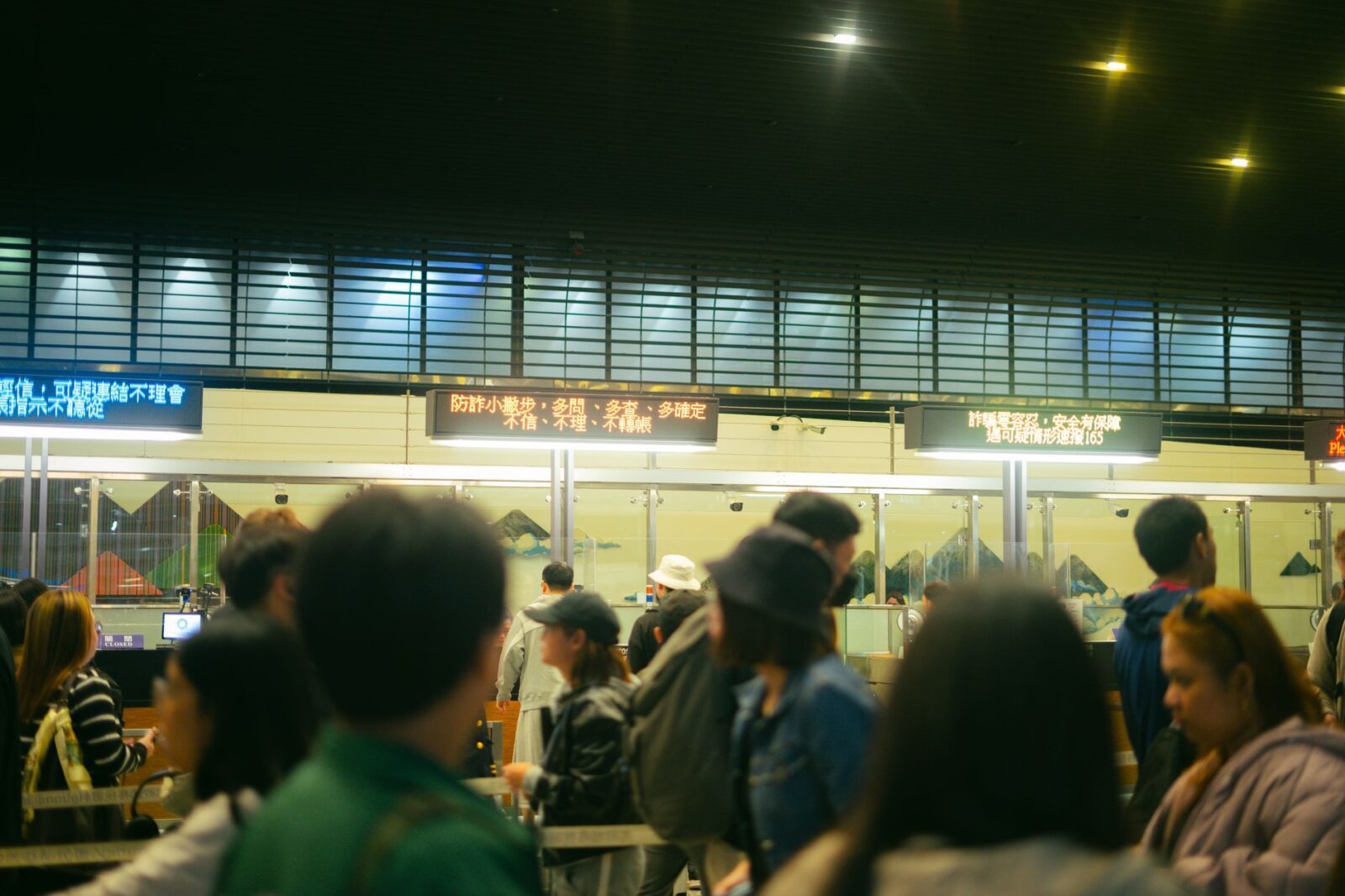
Experienced travelers suggest arriving at airports during off-peak hours to avoid long queues at immigration. Bangkok’s Suvarnabhumi and Don Mueang airports can be particularly busy during weekends and public holidays.
Consider applying for a visa online through the Thai eVisa on Arrival service to expedite the process. This service allows you to fill out the application and pay the visa fee in advance, reducing the time spent at the airport upon arrival.

Exploring Alternatives: Neighboring Destinations
If you’re planning a trip to Southeast Asia, consider pairing your visit to Thailand with neighboring countries such as Vietnam or Cambodia. Vietnam offers visa-free entry for 15 days to several nationalities, and Cambodia provides a similar visa-on-arrival service. These countries boast rich histories, diverse cultures, and stunning landscapes, providing a perfect complement to your Thai adventure.
Your Step-by-Step Thailand Travel Checklist
- Verify your eligibility for the Visa on Arrival and gather the necessary documents.
- Plan your itinerary, focusing on the regions and attractions that interest you most.
- Book flights and accommodation well in advance, especially during peak travel seasons.
- Consider purchasing travel insurance for peace of mind during your stay.
- Stay updated on any travel advisories or changes to visa policies by visiting the official Thai immigration website.
FAQs About Thailand’s Visa on Arrival
Can I extend my Visa on Arrival in Thailand?
Currently, the Visa on Arrival for Thailand cannot be extended beyond the initial 15-day period. Travelers wishing to stay longer must exit and re-enter the country or apply for a different visa type prior to arrival.
What if I overstay my Visa on Arrival?
Overstaying your visa can result in fines of 500 THB ($15 USD) per day, with a maximum fine of 20,000 THB ($600 USD). It is crucial to adhere to your visa’s validity to avoid penalties and future entry bans.
Are there any exceptions for frequent travelers?
While frequent travelers may benefit from the eVisa on Arrival service, they are still subject to the same 15-day limitation. Business travelers should consider other visa options that better suit their needs.
How can I check the latest visa updates for Thailand?
The most reliable source for visa updates is the official Thai immigration website or the Thai embassy in your country. These platforms provide timely and accurate information regarding entry requirements and policy changes.
What are the busiest times at Thailand’s airports?
Thailand’s airports tend to be busiest during weekends, public holidays, and the peak tourist season (November to April). Plan your arrival during off-peak hours to avoid long wait times at immigration.
Conclusion: Share Your Thai Adventure
With its recent visa changes, Thailand continues to welcome tourists eager to explore its treasures. Whether you’re drawn to the bustling streets of Bangkok, the tranquil temples of Chiang Mai, or the idyllic beaches of Koh Samui, understanding the updated Visa on Arrival process is key to a smooth and enjoyable journey. Share your experiences and insights with fellow travelers, and help demystify the process for others eager to embark on their own Thai adventure.
Stay informed with the latest travel news, visa updates, and destination guides. Follow HimalayanCrest.com for weekly travel intelligence delivered by our editorial team.