

How a Remote Norwegian Archipelago is Transforming Tourism Economics
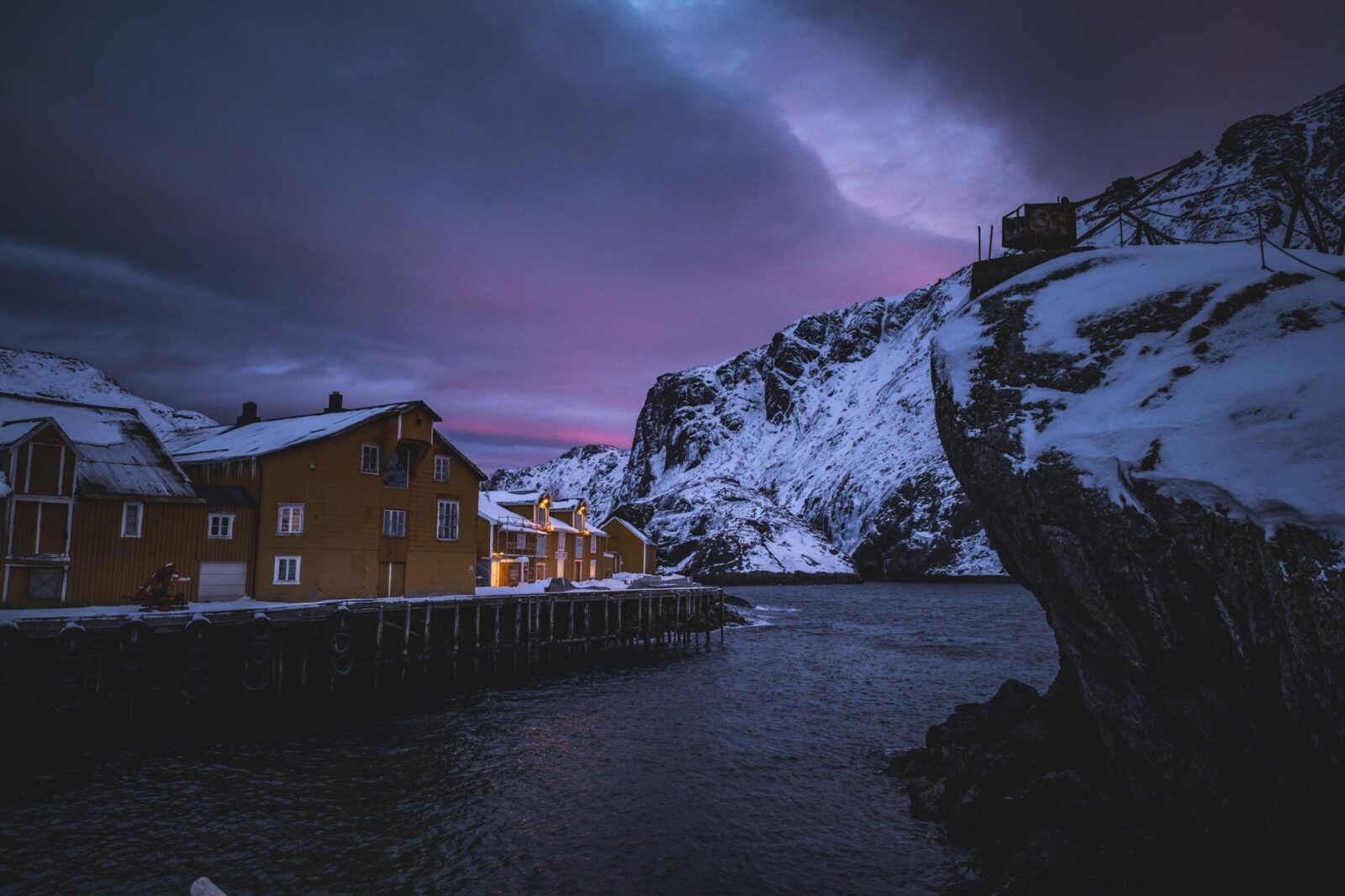
On the windswept shores of Husøya island, 112 miles by ferry from Bodø, a quiet revolution in luxury travel is unfolding. Ytri Island Retreat, which opened in April 2026, represents more than just another high-end hotel in Norway’s far north. It embodies a deliberate effort to reverse population decline through tourism that prioritizes local benefit over extraction. The Træna municipality, facing a hollowing-out of its traditional fishing industry, conceived this project as an economic lifeline. What makes this initiative remarkable is that the concept originated not from outside developers but from residents themselves who gathered to brainstorm sustainable futures for their 477-island archipelago. After six years of planning, the retreat opened with 38 rooms designed to reflect the area’s maritime heritage while providing employment opportunities that have already begun to stem outward migration.
The impact is measurable and immediate. Since opening, Træna’s population has increased by nearly two percent—a significant reversal for a community that had been steadily losing residents, particularly young people seeking work elsewhere. This demographic shift directly correlates with the retreat’s hiring practices, which prioritize local Træna residents for positions ranging from hospitality and guiding to maintenance and food preparation. Unlike many luxury resorts that import skilled labor, Ytri Island Retreat has invested in training programs that equip islanders with hospitality certifications, creating career paths that allow them to remain in their home communities. This approach addresses one of tourism’s most persistent criticisms: that wealth generated by visitors often flows outward to international hotel chains or foreign investors rather than remaining in the destination.
The Architecture of Belonging: Design Rooted in Local Tradition
Ytri Island Retreat’s physical design tells a story of cultural continuity rather than imposed luxury. The buildings cluster like traditional fishing dwellings, their exteriors painted in garnet, mint, and silver—colors drawn from the natural palette of the Træna seascape and historic boats. Inside, the aesthetic embraces monastic simplicity: high, pitched ceilings of pale wood reminiscent of old stave churches, Norwegian wool textiles in deep blues and grays that mirror the North Atlantic, and ceramic vessels holding dried local flora. Notably absent are the ostentatious chandeliers, marble bathrooms, and generic international luxury tropes that characterize many high-end hotels. Instead, Bonaparte Interiør, the Norwegian design firm behind the interiors, specified materials sourced within a 50-mile radius, including terrazzo floors made from crushed local stone and shell fragments.
This commitment to locality extends to the guest experience design. Rather than offering standardized international menus, the retreat’s kitchen features ingredients harvested or produced within the archipelago: Arctic char from nearby fjords, lamb grazed on island pastures, and foraged items like angelica and seaweed. Even the bioelectric fireplaces in suites burn pellets made from compressed forestry waste from Norwegian woodlands. Guests participate in activities that connect them directly to Træna’s living culture—guided walks identifying traditional boat-building sites, workshops on net-mending techniques still used by local fishermen, and evenings sharing stories with elders about life in the archipelago before modern transportation. These exchanges are not performances for tourists but genuine interactions where visitors learn alongside community members who value the opportunity to pass on knowledge that might otherwise fade.
Community Ownership as Tourism’s New Frontier
What distinguishes Ytri Island Retreat from most luxury developments is its ownership and governance structure. While specific financial details remain private, multiple sources confirm that the municipality of Træna and the local development company Træna 365 retain significant influence over operations. This arrangement ensures that strategic decisions—from hiring priorities to procurement policies—are weighed against community benefit metrics rather than pure profit maximization. The development company Asle Helgheim and Ellen Hestenes brought to the project (both experienced sailors with backgrounds in Swedish spa hospitality) structured their investment to include mechanisms for gradual local equity ownership, a model increasingly discussed in sustainable tourism circles but rarely implemented at this scale in remote regions.
This approach contrasts sharply with conventional tourism development patterns where external investors acquire land, build resorts with minimal local input, and repatriate earnings to headquarters in distant cities. In Træna, the retreat’s success is measured not only by occupancy rates and average daily rates but also by secondary indicators: the number of young people returning to the islands for work, the revival of traditional crafts through guest workshops, and the percentage of food and supplies sourced from island producers. Early data suggests these metrics are moving positively—local fishermen report increased demand for their catch, and several women’s cooperatives have formed to produce wool textiles and preserved foods specifically for the retreat’s gift shop and kitchen, creating new income streams that didn’t exist before the hotel’s arrival.
Practical Implications for Travelers Seeking Meaningful Connection
For travelers considering a visit to Ytri Island Retreat, understanding its community-centered model transforms the experience from a simple hotel stay into participation in a regional renewal effort. The journey itself requires commitment: a flight to Bodø (served by daily flights from Oslo), followed by a two-hour ferry crossing that operates year-round despite challenging winter conditions. This accessibility—maintaining the ferry link even during stormy seasons—is itself a community service subsidized in part by tourism revenue, ensuring that residents retain reliable access to mainland medical services and supplies. Guests should budget approximately USD 450-650 per night for standard suites during the peak summer season (mid-June to August), with rates dropping to USD 300-400 in the shoulder seasons of May and September.
Beyond accommodation costs, travelers should anticipate additional expenses that directly support the local economy. Guided cultural walks and fishing heritage tours typically cost USD 75-120 per person, with fees going primarily to Træna residents who serve as guides. Purchasing locally made goods—from hand-knit woolens to preserved seafood—represents another way to ensure tourism dollars remain in the archipelago. The retreat encourages guests to extend their economic impact by visiting other island businesses during their stay, providing maps and introductions to family-run cafes on neighboring islands and artisans who work from home studios. This approach disperses benefits more widely than if all spending remained confined to the retreat property, creating a multiplier effect that strengthens the entire community’s economic resilience.
Where Ytri Fits Within Global Sustainable Tourism Trends
Ytri Island Retreat emerges at a pivotal moment in global travel evolution. As of 2024, Norway ranked 22nd in the World Economic Forum’s Travel and Tourism Competitiveness Report, with tourism contributing 4.2% of national GDP and employing roughly 7% of the workforce. However, these national figures mask significant regional disparities—while cities like Bergen and Oslo benefit from cruise ship tourism and international conferences, remote northern communities like Træna have historically struggled to capture tourism value. Ytri’s model addresses this imbalance by demonstrating how luxury travel can be engineered to flow specifically toward areas experiencing economic decline.
The retreat aligns with several growing movements in responsible tourism. First, it exemplifies ‘community-based tourism’ where residents retain decision-making authority over how visitors interact with their culture—a concept gaining traction from Costa Rica’s village cooperatives to Indigenous-led tours in Australia’s Northern Territory. Second, its emphasis on hyperlocal sourcing reflects the ‘regional food tourism’ trend that has revitalized agricultural economies from Tuscany to Oaxaca. Third, the retreat’s measurement of success through demographic and cultural indicators (not just financial returns) mirrors the ‘well-being economics’ approach adopted by destinations like New Zealand and Bhutan. What makes Ytri particularly noteworthy is its application of these principles in an extreme environment where conventional tourism infrastructure struggles to survive, proving that community-centered models can work even in places with limited resources and harsh climatic conditions.

What Travelers Can Expect: Seasonal Realities and Planning Tips
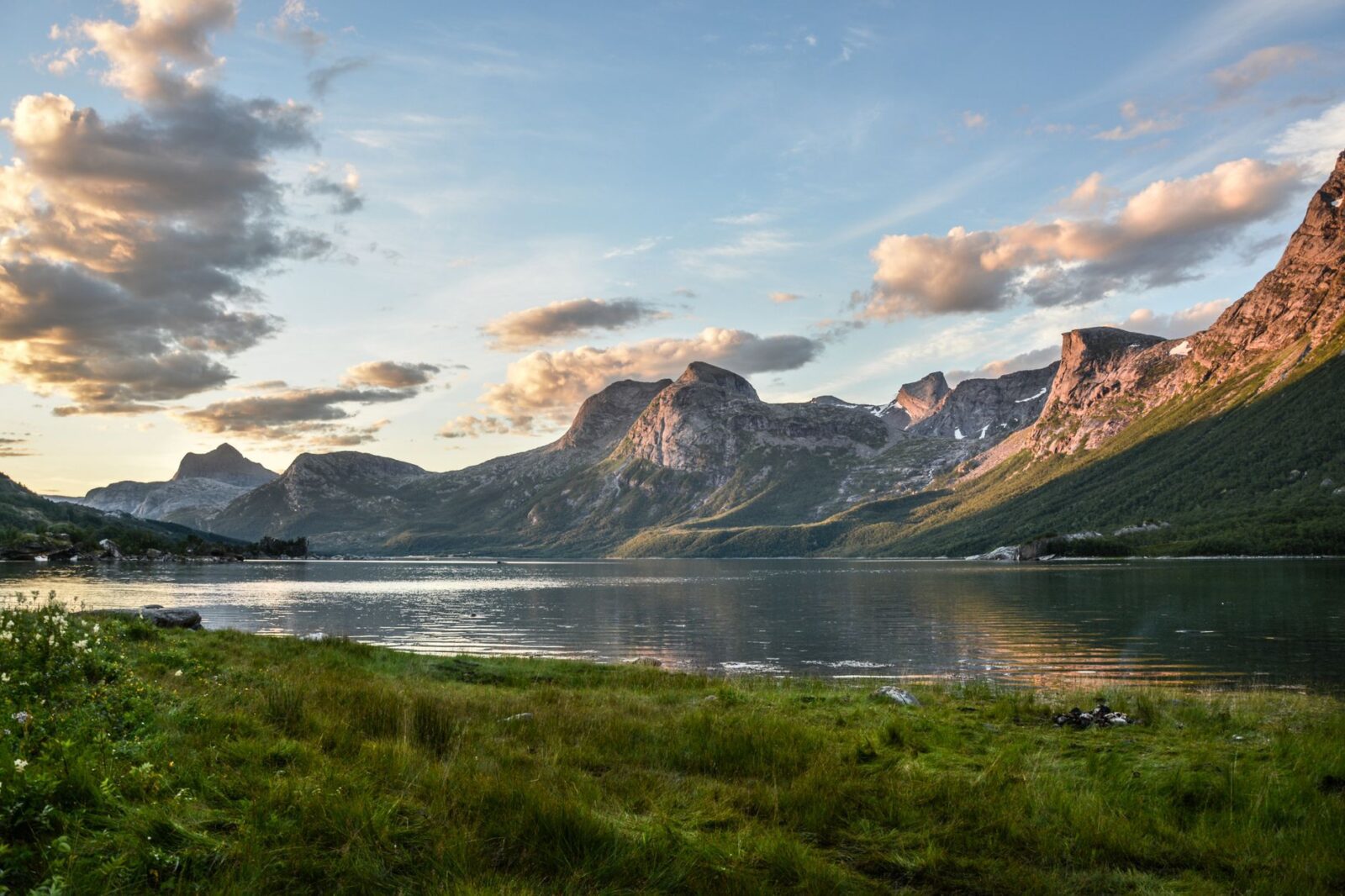
Understanding Ytri Island Retreat’s operational rhythms helps travelers align their expectations with the archipelago’s natural cycles. The property operates year-round, but guest experiences vary dramatically by season. During the summer months (May-August), visitors encounter the famous midnight sun—where the sun dips toward the horizon but never fully sets, creating extended twilight hours ideal for hiking and coastal exploration. Average temperatures range from 9-15°C (48-59°F), requiring layered clothing and waterproof outerwear despite the pleasant conditions. This period sees the highest demand, with occupancy often reaching 85-90%, necessitating bookings made 4-6 months in advance for preferred dates.
Winter visits (November-March) offer a radically different but equally compelling experience. While daylight shrinks to just 4-6 hours per day, the likelihood of witnessing the aurora borealis increases significantly, with clear, cold nights providing optimal viewing conditions. The retreat adapts to winter by offering specialized programs: ice-fishing tutorials with local fishermen, workshops on traditional wool processing using island-sourced fleece, and guided snowshoe excursions tracking Arctic fox and ptarmigan. Winter rates are approximately 30% lower than summer, though travelers must contend with more frequent ferry delays due to storms and should pack extreme cold-weather gear rated to -20°C (-4°F). The retreat maintains robust winter operations through heated storage for guest equipment, reliable backup power systems, and staff trained in Arctic safety protocols—all investments made possible by the retreat’s community-supported business model.
The Future of Island Tourism: Lessons from Træna’s Experiment
Ytri Island Retreat represents a potentially replicable framework for other remote communities facing economic transitions. Its early success—measured in population stabilization, local employment growth, and cultural revitalization—suggests that tourism designed as a community service rather than an extractive industry can yield mutual benefits. Several adjacent Norwegian archipelagos have already begun studying the Træna model, particularly its mechanisms for ensuring that tourism revenue supports essential services like ferry maintenance and broadband expansion that benefit residents year-round. The retreat’s developers have indicated plans to share their operational framework through a planned open-source toolkit for island communities, expected to launch in late 2027.
Challenges remain, however. Scaling this model requires balancing guest expectations for luxury with the realities of remote supply chains—everything from specialty foods to replacement parts must be shipped by sea or air, increasing costs and environmental impact. The retreat is actively experimenting with solutions: hydroponic greenhouses for year-round vegetable production, partnerships with mainland Nordic producers for carbon-neutral shipping, and guest education programs that frame these limitations as part of the authentic island experience rather than shortcomings. As global travelers increasingly seek destinations where their presence contributes positively to local well-being, Ytri Island Retreat offers a compelling proof point that luxury and community responsibility are not opposing forces but can be designed to reinforce each other, even in the world’s most remote corners.
Stay informed with the latest travel news, visa updates, and destination guides. Follow HimalayanCrest.com for weekly travel intelligence delivered by our editorial team.