

The World’s Most Stunning Approaches Revealed
Travelers who manage to grab a window seat on certain flights are treated to a spectacle that rivals any ground‑level sightseeing. As the aircraft begins its final descent, a panorama of mountains, oceans, cities or islands unfolds outside the fuselage, turning a routine landing into a memorable visual experience. Recent research evaluated thirty two airports worldwide for the sheer visual appeal of their approaches, using eye‑tracking technology to measure where passengers look first and how long their gaze lingers. The results have produced a ranked list of the fifteen most beautiful airport landings on the planet, offering a fresh reason to choose a window seat on your next journey.
The study focused exclusively on the visual impact of the landing scene, ignoring factors such as airport amenities or flight frequency. One hundred participants viewed images of each airport’s final approach while their eye movements were recorded. Two metrics were combined into an eye‑catching score: the speed at which the image first attracted attention and the average duration of fixation on the scene. Higher scores indicate landings that capture and hold the viewer’s interest more effectively. This methodology provides an objective basis for comparing vastly different landscapes, from tropical atolls to alpine valleys.
How the Rankings Were Determined
Researchers began with a set of thirty two airports that are already celebrated for dramatic scenery during approach. Each location was represented by a standardized image showing the runway and surrounding terrain as seen from a descending aircraft. The eye‑tracking equipment captured where participants looked first, how quickly they fixated on the image, and how long their attention remained before shifting elsewhere. These raw measurements were normalized and summed to produce a final score for each airport.
The scoring system rewards both immediate impact and sustained fascination. A landing that draws the eye instantly but fails to hold interest may receive a moderate score, while a scene that grabs attention slowly but then keeps the viewer engaged for several seconds can achieve a high ranking. By balancing these two dimensions, the list reflects landings that are not only striking at first glance but also rewarding to watch throughout the final minutes of flight.
Top Spot: Lord Howe Island Airport, Australia
Lord Howe Island Airport, located off the coast of New South Wales, claims the number one position with the highest eye‑catching score in the study. The approach unfolds over the Tasman Sea, revealing the island’s crescent shape, verdant hills and the iconic twin peaks of Mount Gower and Mount Lidgbird. As the aircraft descends, the coral‑fr lagoon shimmers in shades of turquoise and deep blue, contrasting with the dense subtropical forest that covers much of the landmass.
The landing is especially notable because the island is accessible only by air; there are no regular ferry services for tourists. This exclusivity adds to the sense of arrival, making the visual reward feel like a private unveiling of a remote paradise. Travelers often describe the moment as feeling like they are flying into a living postcard, with the island’s limited development preserving its natural beauty.

Runner‑Up: Queenstown Airport, New Zealand
Queenstown Airport secures the second place ranking, thanks to an approach that threads the aircraft between the Remarkables mountain range and the glacial waters of Lake Wakatipu. The descent offers a sweeping vista of snow‑capped peaks, deep blue lake surface and the adventure‑sport hub nestled in the valley below. During winter, the mountains are blanketed in fresh snow, creating a stark white‑on‑blue tableau that many liken to a scene from a fantasy film.
The airport’s location in the heart of the Southern Alps means that weather can change rapidly, adding an element of drama to the landing. Clear mornings provide uninterrupted views of the surrounding peaks, while occasional cloud cover can produce fleeting glimpses of sunlight breaking through the ridges. Either way, the approach consistently ranks high for visual engagement, making Queenstown a favorite among photographers and travelers seeking alpine grandeur.
Joint Third: Madeira Airport, Portugal & Pitkin County Airport, Aspen, USA
Madeira Airport, officially known as Cristiano Ronaldo International Airport, shares the third position with Pitkin County Airport in Aspen, Colorado. The Madeira approach sweeps over the Atlantic Ocean before revealing the island’s rugged coastline, terraced banana plantations and the famous cliff‑side runway that seems to perch on the edge of the sea. The contrast between the deep blue water, the green levada irrigation channels and the red‑tiled roofs of Funchal creates a vibrant palette that holds the viewer’s attention.
Pitkin County Airport’s approach is framed by the towering peaks of the Rocky Mountains, with the aircraft descending into the narrow valley that houses Aspen. In the colder months, snow covers the surrounding slopes, turning the scene into a crisp, high‑contrast image of white peaks against a dark evergreen forest. Even in summer, the rugged terrain and the occasional flash of sunlight on the granite faces provide a compelling visual experience that rivals many more famous alpine landings.
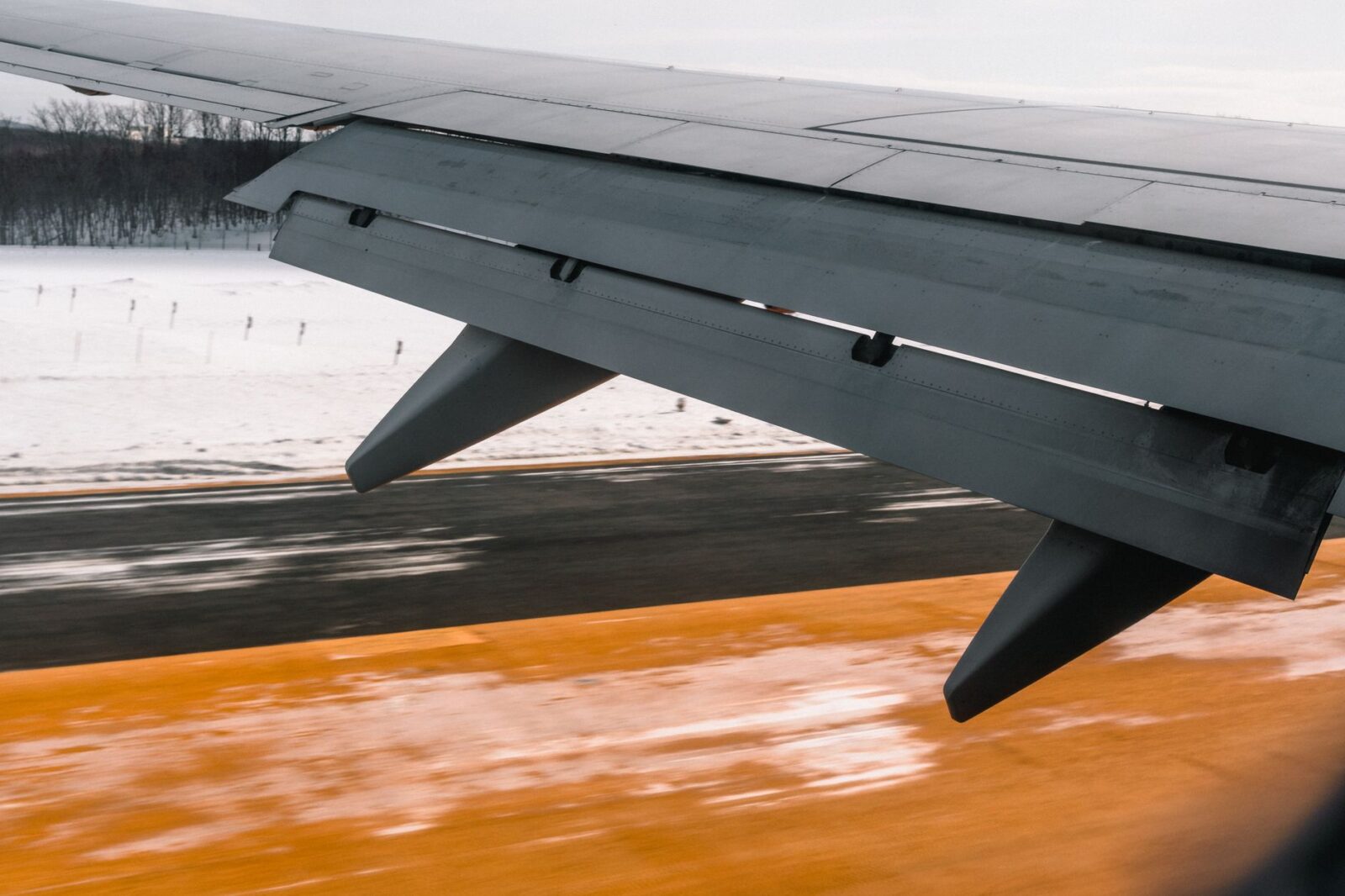
Other Noteworthy Landings in the Top 15
The remaining twelve positions feature a diverse mix of island, coastal and mountain approaches that each earned high scores for different reasons. Wellington International Airport in New Zealand and Billy Bishop Toronto City Airport in Canada tied for a score of sixty, offering striking urban waterfront views as the aircraft glides over harbors and city skylines. Daniel K. Inouye International Airport in Honolulu and Lukla Airport in Nepal shared a score of sixty eight, presenting tropical ocean vistas and dramatic Himalayan terrain respectively.
Seychelles International Airport and Telluride Regional Airport in Colorado both scored sixty five, showcasing pristine coral‑fringed islands and rugged mountain valleys. Additional high‑scoring locations included Barra Airport in Scotland, where planes land on a tidal beach, and St. Barts Gustaf III Airport, known for its short runway that ends abruptly at a sandy shore. Each of these approaches provides a unique visual signature that makes the final moments of flight feel like a prelude to the destination itself.
What These Views Mean for Travelers
Knowing which landings offer the most impressive scenery can help travelers make simple choices that enhance their journey. Selecting a window seat on the side of the aircraft that faces the terrain during descent maximizes the chance to enjoy the view. For many of the top ranked airports, the best side is predictable: for example, flights into Lord Howe Island from the west provide the clearest ocean vista, while approaches to Queenstown from the south give the fullest lake and mountain panorama.
Timing also matters. Seasonal variations can dramatically alter the visual appeal of an approach. Travelers aiming for snow‑capped peaks should target winter months for Queenstown, Pitkin County or Telluride, while those seeking lush greenery and vibrant water colors might prefer late spring or early summer for Madeira, Lord Howe Island or Seychelles. Checking historical weather patterns and sunrise/sunset times can further improve the odds of a clear, illuminated descent.
Finally, travelers who are prone to motion sickness or anxiety during landing may find that focusing on the external scenery helps reduce discomfort. By directing attention to the moving landscape outside, the brain receives a stable visual reference point that can counteract the sensation of descent. Airlines often announce the expected landing side during the pre‑descent briefing, giving passengers a chance to reposition themselves before the final approach begins.
Cost Considerations and Budget Impact
Visiting some of the world’s most scenic airports does not necessarily require a premium fare, but certain destinations do carry higher travel costs due to their remoteness or popularity. Lord Howe Island, for instance, has limited flight capacity, which can drive up ticket prices, especially during the peak Australian summer season from December to February. A round‑trip economy fare from Sydney to Lord Howe Island typically ranges from USD 450 to USD 700, depending on how far in advance the ticket is purchased.
Queenstown, while serviced by multiple airlines year‑round, sees price spikes during the southern hemisphere winter ski season (June to August) and the summer hiking peak (December to February). Mid‑week flights outside these periods can often be found for USD 200 to USD 350 from major Australian hubs such as Melbourne or Brisbane. Travelers looking to save money might consider shoulder seasons in April–May or September–October, when demand is lower and the scenery remains impressive.
For domestic U.S. travelers, Pitkin County Airport in Aspen is reachable via numerous connections from Denver, Los Angeles or Chicago. Average round‑trip fares hover between USD 180 and USD 300 when booked six to eight weeks ahead, with lower fares available on budget carriers during off‑peak months. Madeira Airport benefits from regular low‑cost carrier flights from Lisbon and other European cities, with typical round‑trip prices ranging from USD 120 to USD 220. By planning ahead and monitoring fare alerts, travelers can experience these breathtaking landings without inflating their travel budget.
Frequently Asked Questions
What is the best time of day to see a beautiful airport landing?
Morning landings often provide the clearest visibility, as atmospheric haze tends to be lower after sunrise. For west‑coast approaches, an afternoon flight can offer golden hour lighting that enhances colors and shadows on the landscape. Checking the flight schedule and choosing a departure that aligns with favorable light conditions can improve the viewing experience.
Do I need to inform the airline that I want a window seat for the view?
Most airlines allow passengers to select a seat during booking or check‑in. When making a reservation, look for a seat map and choose a window seat on the side expected to face the scenery. If the airline does not display side information, a quick search of the route’s typical approach direction (available on flight tracking websites) can guide the selection.
Are there any safety concerns with landing at visually challenging airports?
Airports with dramatic terrain, such as Lukla or Barra, have specialized procedures and pilot training to manage the approach safely. While the scenery is impressive, these airports also have strict operational limits, including wind and visibility requirements. Passengers should follow crew instructions and be aware that landings may be postponed if conditions fall outside safety margins.
Can I enjoy the view if I am seated in the aisle or middle seat?
Although a window seat offers the most direct view, passengers in aisle or middle seats can still catch glimpses of the scenery by leaning slightly toward the window or by asking a courteous neighbor to share the view. Some airlines provide overhead monitors that display external camera feeds on certain flights, though this feature is not yet widespread.
How do I find out which side of the plane will give the best view for a specific airport?
Flight tracking apps and websites often show the flight path and heading during descent. By noting the aircraft’s bearing as it approaches the runway, you can infer which side of the plane will face the terrain. Additionally, many travel forums and airline blogs publish tips for specific routes, noting the optimal side for views of mountains, oceans or cityscapes.
Conclusion
The world’s most beautiful airport landings remind us that the journey can be as rewarding as the destination itself. From the isolated turquoise lagoons of Lord Howe Island to the snow‑kissed peaks surrounding Queenstown, these approaches turn a routine phase of flight into a moment of awe. By paying attention to seat selection, timing and seasonal patterns, travelers can maximize the chance to witness these natural spectacles without incurring excessive costs.
We encourage you to share your own favorite landing experiences in the comments below and to let us know which airport view you would add to the list. If you found this guide useful, please consider sharing it with fellow travelers who appreciate a great window seat. Safe travels, and may your next descent be filled with unforgettable scenery.
Stay informed with the latest travel news, visa updates, and destination guides. Follow HimalayanCrest.com for weekly travel intelligence delivered by our editorial team.