

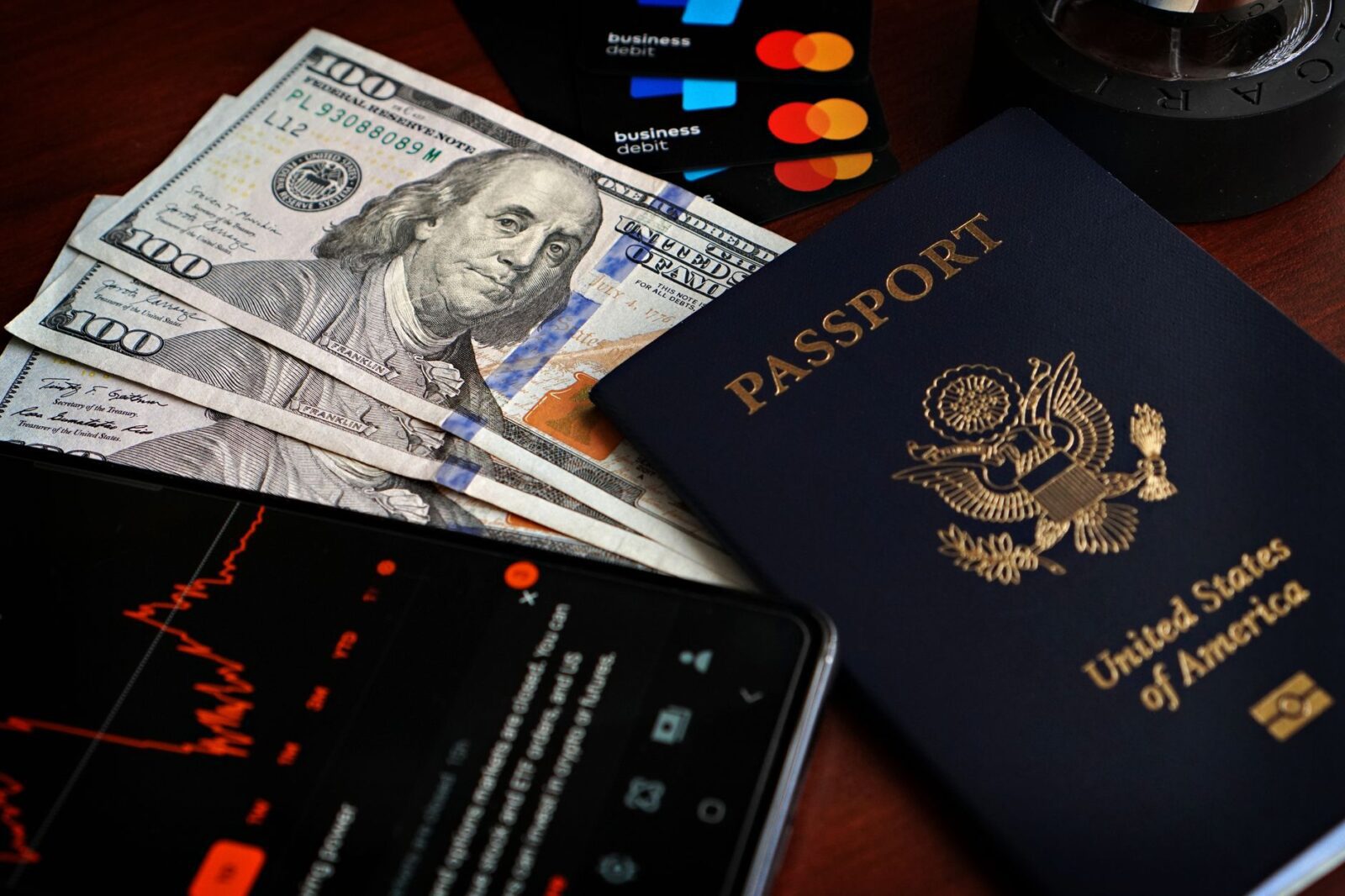
The Latest Shift in U.S. Visa Policy: What Changed on January 1, 2026
On January 1, 2026, a new presidential proclamation (10998) took effect, expanding the United States entry restriction regime to cover nationals of thirty‑nine countries plus anyone traveling on a Palestinian Authority‑issued travel document. Under this rule, both immigrant and non‑immigrant visa processing is suspended for those groups, unless a case‑by‑case waiver is granted. The proclamation builds on earlier measures but adds several nations that were previously only partially restricted, tightening the overall framework.
The proclamation was signed on December 16, 2025, and its implementation coincided with the start of the new fiscal year, giving consular posts worldwide a clear cutoff date. Travelers from the listed countries now face a blanket pause on new visa issuance for tourism, business, study, and work purposes, while existing visas remain valid until their expiration dates. The policy does not affect U.S. citizens or lawful permanent residents returning home.
For a full, up‑to‑date list of the affected nations, consult the official State Department page: U.S. Department of State – Visa Services. This resource is updated weekly and includes any temporary exemptions that may be announced.
Who Is Affected: Nationalities and Traveler Categories
The thirty‑nine countries named in Proclamation 10998 span multiple regions, reflecting a mix of security concerns, migration pressures, and diplomatic considerations. Among them are Brazil, Iran, Russia, Somalia, Syria, Yemen, and several others whose nationals now face a full suspension of both immigrant and non‑immigrant visa processing. In addition, anyone presenting a travel document issued or endorsed by the Palestinian Authority is subject to the same restrictions, regardless of nationality.
The rule distinguishes between a full suspension (no new visas of any type) and a partial suspension (certain visa categories may still be processed). For most of the thirty‑nine countries, the suspension is total, covering B‑1/B‑2 tourist visas, F‑1 student visas, H‑1B work visas, and family‑based immigrant visas. A handful of nations have carve‑outs for specific humanitarian or diplomatic visas, but those are limited and require explicit approval from the consular officer.
Travelers who hold dual citizenship must enter the United States using the passport of a country not on the restricted list; otherwise, they will be treated as nationals of the restricted state. This nuance is critical for individuals with passports from, for example, a European Union member state and one of the listed countries.
The 75‑Country Immigrant Visa Ban and the August 2026 Court Ruling
Before the January 2026 proclamation, the administration had issued a broader measure that halted immigrant visa processing for approximately seventy‑five countries. That policy, rooted in a separate executive order, aimed to curb perceived fraud and security risks in the immigrant visa pipeline. It applied to both family‑based and employment‑based green card applications, leaving many applicants in limbo for months.
On August 31, 2026, a federal judge vacated the seventy‑five‑country immigrant visa ban, ruling that the proclamation exceeded presidential authority and lacked sufficient justification under the Immigration and Nationality Act. The court’s decision reinstated the ability of consular officers to process immigrant visas for those nations, effective immediately. However, the judge’s ruling did not affect the thirty‑nine‑country travel ban under Proclamation 10998, which remains intact.
As a result, applicants from the formerly banned seventy‑five countries can now resume immigrant visa proceedings, while nationals of the thirty‑nine listed states continue to face the broader entry restrictions. This split creates a complex landscape where some visa categories are open and others remain closed, depending on the applicant’s nationality and the type of visa sought.
How the Waiver Process Works – And What It Means for You
Proclamation 10998 includes a case‑by‑case waiver mechanism that allows consular officers to override the suspension when they determine that denying entry would cause undue hardship or that the applicant poses no security risk. Waivers are not automatic; each request is evaluated on its own merits, taking into account factors such as family ties in the United States, employment offers, medical needs, and the applicant’s travel history.
To pursue a waiver, applicants must first complete the standard visa application (DS‑160 for non‑immigrant visas or DS‑260 for immigrant visas) and pay the associated fees. After the interview, if the consular officer finds the applicant ineligible due to the ban, they will issue a refusal notice that includes instructions on how to submit a waiver request. The request typically requires a written statement, supporting documents (such as invitation letters, medical records, or employment contracts), and any evidence of strong ties to the United States.
Processing times for waivers vary widely, ranging from a few weeks to several months, depending on the consulate’s workload and the complexity of the case. Applicants are advised to monitor their case status through the Consular Electronic Application Center (CEAC) and to stay in touch with the embassy or consulate handling their application.
Official guidance on waivers is available at: U.S. Visa Waiver Information.
Practical Steps for Affected Travelers Right Now
If you hold a passport from one of the thirty‑nine restricted countries or travel on a Palestinian Authority document, the first action is to verify the current status of your intended visa category. Visit the embassy or consulate website for your country of residence; most posts publish a monthly visa bulletin that indicates which visa types are being processed and which remain suspended.
Next, gather all required documentation for your visa application, even if you anticipate a refusal. Having a complete file ready will speed up any potential waiver review. This includes a valid passport, photographs that meet U.S. specifications, proof of financial support, and any letters of invitation or employment offers from U.S.-based entities.
Consider applying for a visa at a third‑country consulate if you have legal residency there and the local post processes visas for your nationality. Some applicants have found success by shifting their application to a consulate with a shorter wait time or a more lenient interpretation of the waiver criteria, though this strategy depends on your immigration status in the host country.
Finally, keep abreast of any policy changes by subscribing to alerts from the State Department’s visa office and following reputable immigration law blogs. The situation can evolve quickly, especially as courts review related executive actions.

Comparing the U.S. Approach with Other Nations’ Entry Rules
While the United States has taken a sweeping stance with Proclamation 10998, other countries employ different tools to manage security and migration concerns. The European Union’s Schengen Area, for example, relies on a uniform visa policy that allows short‑stay travel for nationals of over sixty countries without a visa, while imposing strict visa requirements on others. When restrictions are needed, individual Schengen states can temporarily reinstate border checks, but they do not impose blanket visa suspensions on entire nationalities.
Canada uses a similar waiver framework for individuals deemed inadmissible, but its temporary resident visa (TRV) suspensions are typically tied to specific security alerts rather than broad presidential proclamations. Australia’s visitor visa program includes a character test that can lead to refusals, yet it maintains a relatively open tourist stream for most passport holders.
In the Gulf region, Saudi Arabia and the United Arab Emirates have introduced tourist visa programs that are deliberately open to boost tourism, contrasting sharply with the U.S. restrictions. These nations often offer e‑visas or visa‑on‑arrival for a wide range of nationalities, demonstrating how tourism‑driven economies prioritize accessibility.
Understanding these differences helps travelers evaluate alternative destinations if U.S. travel becomes untenable. For instance, a digital nomad unable to secure a U.S. B‑1/B‑2 visa might consider the Estonian e‑Residency program or Portugal’s D7 visa, which cater to remote workers and retirees with relatively straightforward application processes.
Impact on Investors, Digital Nomads, Retirees, and Citizenship Seekers
Investors seeking to establish a business or purchase real estate in the United States face hurdles if their nationality falls under the banned list. The EB‑5 immigrant investor program, which grants green cards in exchange for substantial capital investment, is directly affected because it relies on immigrant visa issuance. While the August 2026 court ruling restored immigrant visa processing for the seventy‑five‑country ban, investors from the thirty‑nine countries still encounter the broader suspension under Proclamation 10998, limiting access to the EB‑5 route unless a waiver is secured.
Digital nomads who rely on short‑term tourist visas to explore the United States while working remotely for foreign employers may find the B‑1/B‑2 suspension particularly restrictive. Many nomads have historically used the visa waiver program (VWP) for stays up to ninety days; however, VWP eligibility is also suspended for nationals of the listed countries, pushing them toward longer‑term visas that are harder to obtain.
Retirees looking to spend part of the year in the United States, often through the B‑2 tourist visa or the parent‑of‑a‑U.S.‑citizen visa, encounter similar obstacles. Those with substantial pensions or property holdings may pursue a waiver by demonstrating strong financial ties and the intent to depart after each visit, but success is not guaranteed.
For individuals pursuing U.S. citizenship through naturalization, the immediate impact is limited because the ban primarily affects new visa issuance rather than the status of existing green card holders. However, applicants who are waiting for an immigrant visa to adjust status will experience delays if their nationality is subject to the suspension, potentially extending the timeline to citizenship by several months or years.
Looking Ahead: Possible Future Adjustments and How to Stay Informed
The current visa restrictions are subject to change through judicial review, executive action, or legislative intervention. Advocacy groups have already filed challenges arguing that Proclamation 10998 overreaches presidential authority, similar to the lawsuit that led to the August 2026 injunction on the seventy‑five‑country immigrant ban. Travelers should monitor federal court dockets, particularly in districts known for immigration cases, for any rulings that could modify or suspend the proclamation.
Administratively, the State Department periodically reviews the list of restricted countries based on security assessments and diplomatic relations. A country may be added or removed if its risk profile shifts, though such updates are typically announced in the Federal Register and reflected on the travel.state.gov website.
To stay informed, consider the following steps:
- Subscribe to the Visa Office’s email alerts via travel.state.gov/alerts.
- Follow the official Twitter account @TravelGov for real‑time notices.
- Set up Google Alerts for phrases like “U.S. visa ban 2026” or “Presidential Proclamation 10998” to capture news articles and blog posts.
- Consult an immigration attorney if your case involves significant investment, family reunification, or potential waiver complexities; legal counsel can help you navigate the evolving landscape.
By combining proactive monitoring with thorough preparation, affected travelers can make informed decisions about whether to pursue a waiver, explore alternative destinations, or adjust their long‑term plans regarding the United States.
Stay informed with the latest travel news, visa updates, and destination guides. Follow HimalayanCrest.com for weekly travel intelligence delivered by our editorial team.