

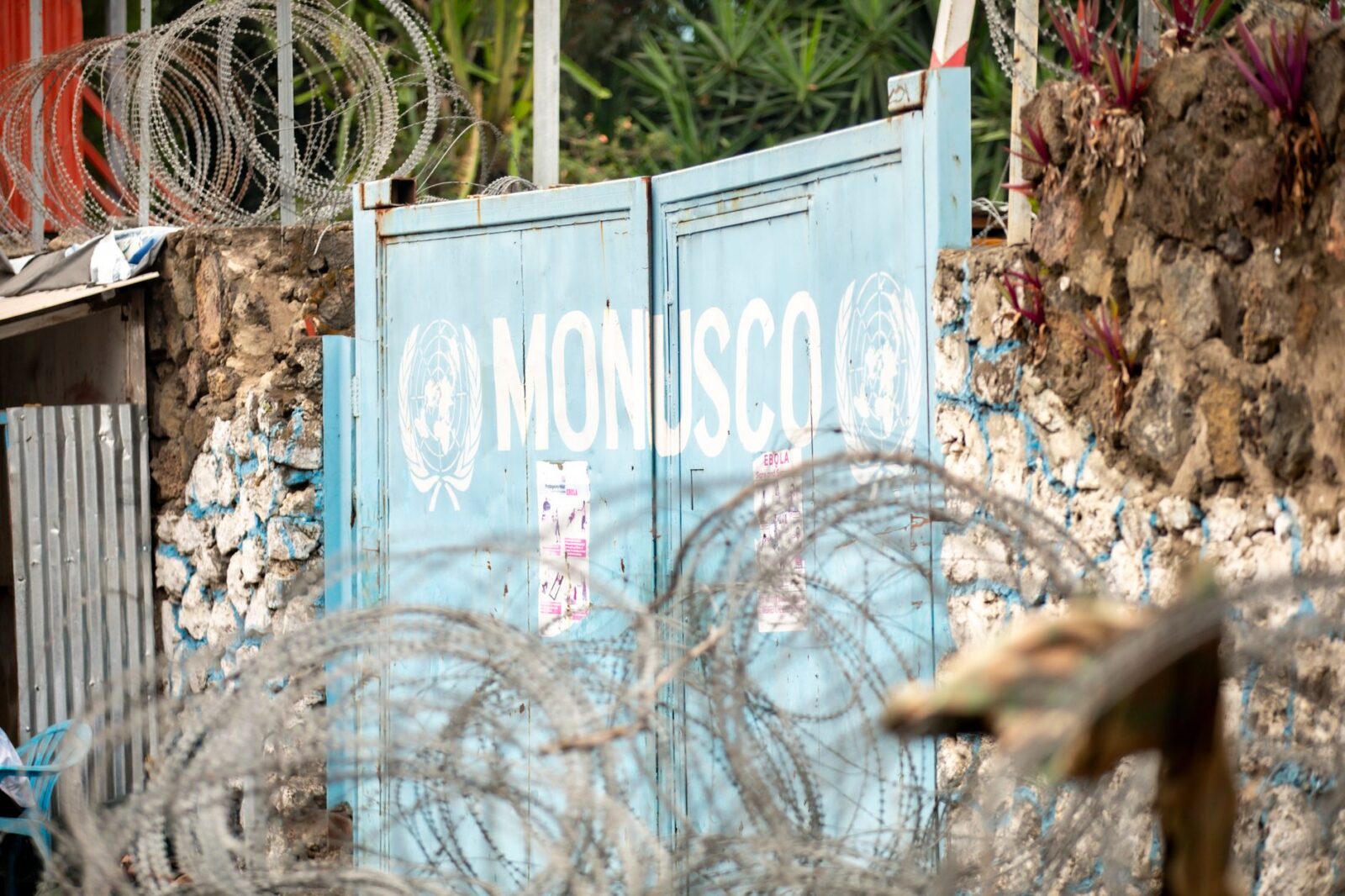
UK’s September 2026 Statement at the UN Security Council
On 18 September 2026, Ambassador Kate Foster, the UK Deputy Permanent Representative to the United Nations, delivered a statement before the UN Security Council on the future of UN peacekeeping operations. She underscored the UK’s readiness to collaborate with the UN Secretary-General, the Secretariat, and fellow Member States to keep peace operations adaptable, effective, and fit for emerging challenges. The speech highlighted the unanimous adoption of Security Council resolution 2823 earlier in the year, which strengthens accountability for attacks against peacekeepers. Ambassador Foster also welcomed the Secretary‑General’s Review of the future of all forms of UN peacekeeping operations, documented as S/2026/600. This review calls for a stronger political focus, more agile mission structures, and better‑equipped forces.
The statement was made amid a shifting security landscape where conflicts are increasingly complex, internationalised, and shaped by new technologies. By emphasizing the primacy of politics, the UK signaled that sustainable peace depends on clear political strategies rather than military presence alone. The address served both as a reaffirmation of the UK’s longstanding support for UN peacekeeping and as a call for concrete reforms that could affect how personnel move across borders. For travelers, especially those linked to UN missions, the remarks hint at possible future adjustments in visa facilitation and travel support.
Why Peacekeeping Adaptability Matters for Global Mobility
Peacekeeping operations rely on the swift deployment of troops, police, and civilian experts from dozens of countries. When missions become more adaptable, they often require faster visa processing, streamlined entry procedures, and greater flexibility for personnel to rotate in and out of theatre. The UK’s emphasis on adaptability suggests a willingness to examine bottlenecks that hinder timely movement of UN staff. This could translate into improved visa‑on‑arrival arrangements, expanded use of the UN laissez‑passer, or bilateral agreements that ease short‑term stays for peacekeepers.
For expatriates, investors, and digital nomads who frequently cross borders, any easing of visa requirements for UN personnel may serve as a bellwether for broader immigration trends. Countries that cooperate closely with the UN often extend similar facilitation measures to other categories of travelers, such as humanitarian workers or international consultants. Monitoring the UK’s follow‑up actions can therefore provide early clues about shifts in global visa policy that affect a wider audience.
How the UK’s Pledge May Influence Visa Facilitation for UN Personnel
While the September 2026 statement did not announce specific visa rule changes, it framed the UK’s intent to work with the UN on making missions “fit for the challenges ahead.” In practice, this often involves discussions about travel documentation, entry clearances, and the recognition of UN travel credentials. The UK government already offers certain concessions for UN officials, such as expedited processing of Tier 5 (Temporary Worker – Government Authorised Exchange) visas for short‑term assignments.
Future cooperation could lead to the expansion of such schemes, possibly covering longer deployments or accompanying family members. The UK’s Foreign, Commonwealth & Development Office (FCDO) routinely updates its guidance on visas for international organisation staff; any revisions stemming from the UN dialogue would be published on the GOV.UK website. Travelers should watch for updates to the “Visas for international organisation staff” page and the UK Mission to the UN’s guidance notes.

Which Nationalities and Traveler Groups Are Most Likely Affected
The immediate impact of any visa‑facilitation measures would be felt by citizens of countries that contribute troops, police, or civilian personnel to UN peacekeeping missions. As of 2026, the top contributors include Bangladesh, Nepal, India, Rwanda, Ethiopia, and Indonesia. Nationals from these states who serve as peacekeepers or support staff could benefit from streamlined UK entry procedures if bilateral arrangements are expanded.
Beyond peacekeepers, the statement may also affect UN consultants, contractors, and representatives of UN‑affiliated NGOs who travel to the UK for meetings, training, or liaison work. Additionally, family members accompanying deployed personnel often seek dependent visas; any simplification of the primary applicant’s process can indirectly ease family reunification. Travelers engaged in academic research on conflict resolution or those invited to UN‑UK joint events may also see procedural improvements.
Practical Steps for Affected Travelers Now
First, verify your current eligibility for any existing UK visa categories that apply to UN staff. The GOV.UK page “Visas for international organisation staff” outlines the Tier 5 Government Authorised Exchange route, which permits short‑term work up to 24 months for individuals sponsored by an approved international organisation. Ensure your sponsoring organisation holds a valid licence with UK Visas and Immigration.
Second, keep your UN laissez‑passer up to date and carry a copy of your official travel orders when entering the UK. While the laissez‑passer does not replace a visa, it can support your application by demonstrating the purpose of your visit. Third, subscribe to email alerts from the UK Mission to the United Nations in New York and the FCDO’s travel advice section; they announce policy changes as soon as they are agreed upon.
Finally, if you are planning a trip to the UK for UN‑related purposes in the next six months, consider applying for your visa well in advance and clearly reference any upcoming UN meetings or training sessions in your cover letter. This helps visa officers assess the legitimacy of your trip and may expedite processing.
Comparing the UK Approach with Other Nations’ Visa Policies for Peacekeepers
Several countries already maintain dedicated visa facilitation measures for UN personnel. The United States, for example, issues G‑4 visas to representatives of international organisations and their immediate family members, allowing indefinite stays while the holder remains employed by the organisation. France offers a “talent passport”‑style permit for UN officials, streamlining renewal procedures.
In contrast, the UK’s current framework relies more on ad‑hoc sponsorship under the Tier 5 route rather than a standing visa category exclusively for UN staff. If the UK moves toward a model similar to the US G‑4 or the French talent passport, it would mark a significant shift toward predictability for long‑term UN assignments. Observers note that such a change would also align the UK with broader efforts to make peacekeeping operations more resilient, as highlighted in the Secretary‑General’s Review.
Impact on Investors, Digital Nomads, Retirees, and Citizenship‑Seekers
The UK’s statement on UN peacekeeping does not directly alter investor visas, such as the Innovator Founder route, or the various pathways for retirees seeking long‑term stays. However, any broader trend toward easier movement for international officials can signal a more welcoming stance toward global talent, which may indirectly benefit investors looking to establish ventures that involve collaboration with UN agencies.
Digital nomads who work remotely for UN‑affiliated projects could see simpler short‑term stays if the UK expands visa‑on‑arrival or electronic travel authorisation options for UN laissez‑passer holders. Retirees with pensions from UN jurisdictions are unlikely to experience immediate changes, but monitoring the UK’s immigration policy updates remains advisable for anyone considering a relocation tied to international service.
For those pursuing British citizenship, the residency requirements remain unchanged. Nonetheless, periods spent in the UK under a UN‑related visa continue to count toward the qualifying period for naturalisation, provided the visa grants lawful residence. Keeping thorough records of entry and exit stamps will be essential when applying for citizenship later on.
Future Outlook: What to Watch in UN Peacekeeping Reform and Related Travel Rules
The Secretary‑General’s Review (S/2026/600) outlines three priority areas: reinforcing the political backbone of missions, building more focused and high‑performing forces, and ensuring missions have the necessary tools to succeed. The UK’s commitment to work with the UN on these fronts suggests that forthcoming diplomatic talks may address practical enablers such as transportation, logistics, and cross‑border travel permissions.
Over the next 12‑18 months, stakeholders should monitor:
- Any joint UK‑UN statements or memoranda of understanding concerning visa facilitation for peacekeeping personnel.
- Updates to the GOV.UK “Visas for international organisation staff” page, especially regarding new sponsorship categories or extended validity periods.
- Developments in the UN General Assembly’s Fifth Committee, where budgetary and administrative aspects of peacekeeping—including travel allowances—are debated.
- Feedback from troop‑contributing countries on the ease of obtaining UK visas for their nationals deployed to UN missions.
Staying informed through official channels will help travelers anticipate changes and adjust their plans accordingly.
Frequently Asked Questions
Will the UK introduce a new visa category specifically for UN peacekeepers?
As of the September 2026 statement, the UK has not announced a new visa category dedicated solely to UN peacekeepers. Existing routes, such as the Tier 5 Government Authorised Exchange visa, remain the primary means for short‑term UN‑related work. Any future changes would be published on the GOV.UK website and communicated through the UK Mission to the United Nations.
How can I verify whether my UN laissez‑passer will be accepted for entry to the UK?
The UN laissez‑passer is a travel document that facilitates official journeys but does not replace a visa. Entry to the UK still requires a valid visa or entry clearance unless you are exempt under another arrangement. You can confirm the latest requirements by checking the “Entry clearance” section on the GOV.UK website or contacting the nearest British visa application centre.
Are family members of UN staff eligible for dependent visas under the UK’s current rules?
Yes. If the principal applicant holds a valid visa that permits dependents (for example, a Tier 5 visa with sponsorship from an approved international organisation), spouses and children can apply for dependent visas. The application process follows the standard dependent visa route, and guidance is available on the GOV.UK “Family visas” page.
Does the UK’s pledge affect the processing time for visas for UN consultants?
The statement signals a willingness to improve adaptability, which could lead to faster processing times for UN consultants if bilateral arrangements are refined. However, no specific processing‑time guarantees have been made public yet. Applicants should continue to submit complete applications well in advance of their intended travel dates and monitor any updates from UK Visas and Immigration.
Where can I find official updates on any changes to UK visa policy linked to UN peacekeeping?
Official updates are posted on the GOV.UK website under the sections for UK Visas and Immigration and the Foreign, Commonwealth & Development Office. Additionally, the UK Mission to the United Nations in New York publishes guidance notes and press releases that detail any bilateral agreements reached with the UN. Subscribing to their newsletters or RSS feeds ensures you receive timely notifications.
Stay informed with the latest travel news, visa updates, and destination guides. Follow HimalayanCrest.com for weekly travel intelligence delivered by our editorial team.