

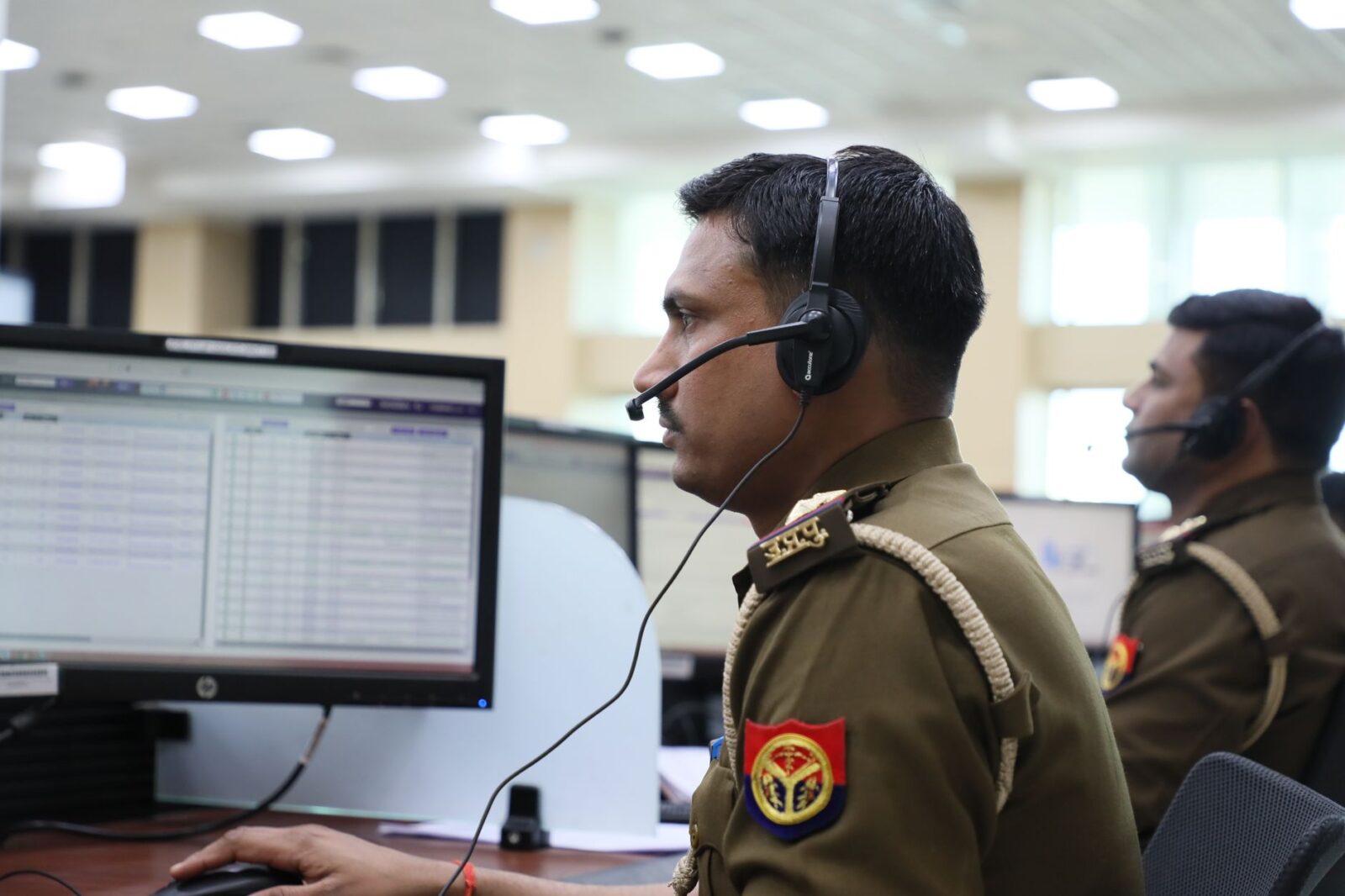
UK Police Launch AI‑Powered 101 Call‑Routing System
On August 18, 2026 the UK Home Office unveiled a new artificial intelligence system designed to streamline the non‑emergency police telephone line known as 101. The technology, developed in partnership with the National Police Chiefs’ Council and delivered by Vodafone Business, uses natural language processing to identify the purpose of each call and route it to the appropriate agency. According to the government announcement, the initiative is backed by a £4 million investment and aims to reduce the burden of misdirected and nuisance calls on police call handlers. The system went live across England and Wales on the date of the announcement, with plans for gradual rollout to Scotland and Northern Ireland later in the year.
Key fact: The police’s non‑emergency line receives about 20 million calls each year, and roughly 20 percent of those – four million – are intended for organisations such as local councils, NHS 111 or the power‑outage helpline 105. By automatically filtering these calls, the AI frees up human operators to focus on genuine crime reports, safeguarding concerns and requests for victim support.
How the AI Call‑Routing Works in Practice
When a caller dials 101, the AI listens to the spoken request and matches it against a database of common intents, such as reporting a stolen bicycle, asking about a lost passport, or requesting information about bin collection. If the intent matches a non‑police service, the system offers the caller the option to be transferred directly to the correct organisation or to access self‑service information online. For calls that clearly relate to policing – for example, reporting a suspicious vehicle or seeking advice on a domestic incident – the AI connects the caller to a trained call handler as quickly as possible.
The technology relies on machine‑learning models trained on millions of historic 101 calls, allowing it to understand regional accents, colloquial phrasing and even background noise. Early trials in several police forces showed a reduction in average wait time from roughly eight minutes to under three minutes for legitimate police inquiries, while nuisance calls were diverted in under ten seconds.
The Home Office estimates that the new system will save policing up to £8.5 million each year, money that can be reinvested in front‑line crime prevention and victim services.
Why the Change Matters to Expats, Investors and Long‑Term Visitors
For individuals living, working or investing in the United Kingdom, timely access to police assistance is a core component of personal safety and property protection. Expats who may not be familiar with the UK’s emergency‑service numbers often default to 101 when they encounter a non‑urgent issue such as a minor traffic accident, a noise complaint or a lost item. Long wait times can deter reporting, leaving incidents unrecorded and potentially affecting insurance claims or residency applications that require a clean criminal‑record certificate.
Investors purchasing residential or commercial property benefit from a more responsive police presence, as quicker reporting of anti‑social behaviour or vandalism helps maintain neighbourhood safety and protects asset values. Digital nomads who rely on short‑term lets also gain peace of mind knowing that any disturbance can be logged swiftly, reducing the risk of disputes with hosts or local authorities.
Retirees spending part of the year in the UK, particularly those with health concerns, may need to contact the police for welfare checks or to report suspicious activity near their homes. Faster routing means they spend less time on hold and more time receiving the assistance they need.
Step‑by‑Step Guidance: What to Do When You Need to Call 101 Now
If you are in the United Kingdom and require non‑emergency police assistance, follow these steps to make the most of the new AI system:
- Dial 101 from any landline or mobile phone. The call is free of charge.
- Speak clearly and concisely about the reason for your call. For example, say “I would like to report a stolen bicycle parked outside my flat” or “I need advice on how to report a noise complaint from a neighbouring property”.
- Listen for the automated prompt. The AI will either confirm that you are being connected to a police call handler or offer to transfer you to the appropriate council, NHS 111 or power‑outage line.
- If the system offers a self‑service option (such as an online reporting link sent via SMS), you may choose to use it to avoid waiting for a human operator.
- Remain on the line until you are either connected to a live operator or receive confirmation that your request has been logged.
- Should you experience difficulty being understood, you can request to speak with a human operator at any point; the AI will prioritise transferring you to a call handler.
Remember that 101 is strictly for non‑emergencies. In situations where there is an immediate threat to life, a crime in progress or a serious injury, always dial 999.
Global Perspective: How Other Countries Use AI for Public‑Service Hotlines
The United Kingdom is not alone in experimenting with artificial intelligence to ease pressure on public‑service telephone lines. In Canada, Peel Regional Police introduced an AI‑powered voice assistant on their non‑emergency line in July 2026, allowing callers to obtain information about police services, file online reports or be directed to community resources without waiting for an officer. Similarly, the La Mesa Police Department in California launched an AI assistant in July 2026 that helps residents navigate non‑emergency inquiries ranging from parking permits to lost‑pet alerts.
In the United States, Axon’s AI‑driven report‑writing tool has been adopted by more than 600 police agencies to generate first‑draft incident reports automatically. While the technology saves time on documentation, independent reviews have shown that officers sometimes need to correct factual errors introduced by the AI, highlighting the importance of human oversight.
These examples illustrate a growing trend: law‑enforcement agencies worldwide are leveraging natural‑language processing to triage calls, reduce wait times and allocate human expertise to the most complex cases. For visa applicants and expatriates, the implication is that interactions with local authorities – whether for reporting a crime, confirming address details or obtaining a police clearance – are becoming faster and more reliable in many jurisdictions.
Implications for Visa, Residency and Citizenship Processes
Many visa, residency and citizenship applications require a police clearance certificate or a statement of good conduct. In the United Kingdom, such documents are obtained through the Association of Chief Police Officers (ACPO) Criminal Records Office, which relies on accurate and timely recording of incidents reported via the 101 line. By reducing the volume of misdirected calls and cutting wait times for genuine reports, the AI system helps ensure that police databases are updated promptly, which can shorten the processing time for clearance requests.
For individuals applying for investor visas, such as the Tier 1 Investor route, or for those seeking permanent residence through the Skilled Worker scheme, a clean police record is often a prerequisite. Faster and more accurate incident logging reduces the risk of erroneous entries that could trigger unnecessary delays or additional scrutiny during the vetting process.
Digital nomads applying for the UK’s new Global Business Mobility visa or the upcoming Start‑up visa may also benefit from a more responsive police environment, as it enhances the overall perception of safety – a factor that immigration officers sometimes consider when assessing the suitability of a host country for long‑term stays.
While the AI system does not directly change visa rules or fees, its indirect effect on public safety and administrative efficiency makes the United Kingdom a slightly more attractive destination for those weighing immigration options.
Looking Ahead: Potential Expansion to Immigration and Consular Services
The success of the AI call‑routing model on the 101 line has prompted officials to explore similar technologies for other government hotlines. The Home Office has indicated that a pilot project is under consideration for the UK Visas and Immigration (UKVI) contact centre, where callers frequently experience long waits when inquiring about visa status, biometric appointments or settlement schemes. Early concepts suggest using natural‑language understanding to categorise queries – such as “I need to extend my Tier 2 visa” or “What documents are required for indefinite leave to remain?” – and either provide self‑service guidance or route the caller to the appropriate specialist team.
If implemented, such a system could mirror the benefits seen in the police context: reduced average handling time, lower operational costs and improved applicant satisfaction. For prospective immigrants, this would mean quicker access to accurate information, fewer missed calls due to disengagement and a smoother overall experience when navigating the UK’s immigration bureaucracy.
Frequently Asked Questions
- Will the AI system affect the cost of calling 101?
No. Calls to the UK police non‑emergency number remain free of charge from both landlines and mobile phones. The AI technology is funded through government investment and does not introduce any fees for callers. - How can I be sure the AI correctly understands my request?
The system is trained on a diverse dataset that includes various accents, dialects and colloquial phrases. If the AI is uncertain, it will default to transferring you to a human call handler rather than providing potentially incorrect information. You can always ask to speak with an officer if you feel the automated response does not address your concern. - Does this change apply to Scotland and Northern Ireland?
The initial rollout covers England and Wales. The Home Office has announced that discussions are underway with Police Scotland and the Police Service of Northern Ireland to adapt the technology for their respective networks, with possible deployment starting in early 2027. - What should I do if I accidentally call 101 for a non‑police matter?
If you realise after speaking that your query belongs to another organisation (for example, a question about bin collection), the AI will recognise the intent and offer to transfer you directly to the correct service or provide a self‑service link. You can also simply stay on the line and the system will route you appropriately without any penalty. - Are there any privacy concerns with the AI listening to my call?
The AI processes calls in real time and does not store audio recordings beyond what is necessary for immediate call routing. Any data used to improve the model is anonymised and aggregated in accordance with the UK’s data‑protection regulations. Callers retain the same privacy rights as before the system’s introduction.
Stay informed with the latest travel news, visa updates, and destination guides. Follow HimalayanCrest.com for weekly travel intelligence delivered by our editorial team.