


Gulf Travel Warnings Lifted: A New Dawn for Tourism
In a significant move reshaping travel dynamics, the UK and Australia have lifted their travel warnings for the Gulf region. This decision follows a diplomatic agreement between the U.S. and Iran, signaling a hopeful return to stability in the Middle East. For travelers, this development means restored access to travel insurance and the reopening of routes that were previously deemed risky due to conflict. The immediate beneficiaries are the UAE, Qatar, and parts of Saudi Arabia, regions eager to revive their tourism sectors.
Understanding the Impact: Who’s Affected and How
The lifting of travel warnings by the UK and Australia affects not only individual travelers but also the broader airline and tourism industries. With these advisories relaxed, travelers can now secure travel insurance more easily, a critical component for international travel peace of mind. However, while Gulf-based airlines are ramping up operations, European airlines remain on standby. The European Union Aviation Safety Agency has yet to lift its restrictions, keeping European carriers grounded despite the easing of government advisories.
Global Travel Trends and the Middle East’s Role
The Middle East has long been a pivotal hub in global travel, connecting East and West through strategic air routes. The recent conflict and subsequent travel warnings had dampened this role, leading to a significant drop in tourist numbers and disrupted airline schedules. The easing of these warnings is a crucial step towards restoring the region’s status as a central travel hub. As countries like the UAE and Qatar reopen to tourists, we may see a resurgence in long-haul travel, with the Middle East serving as a critical layover point.
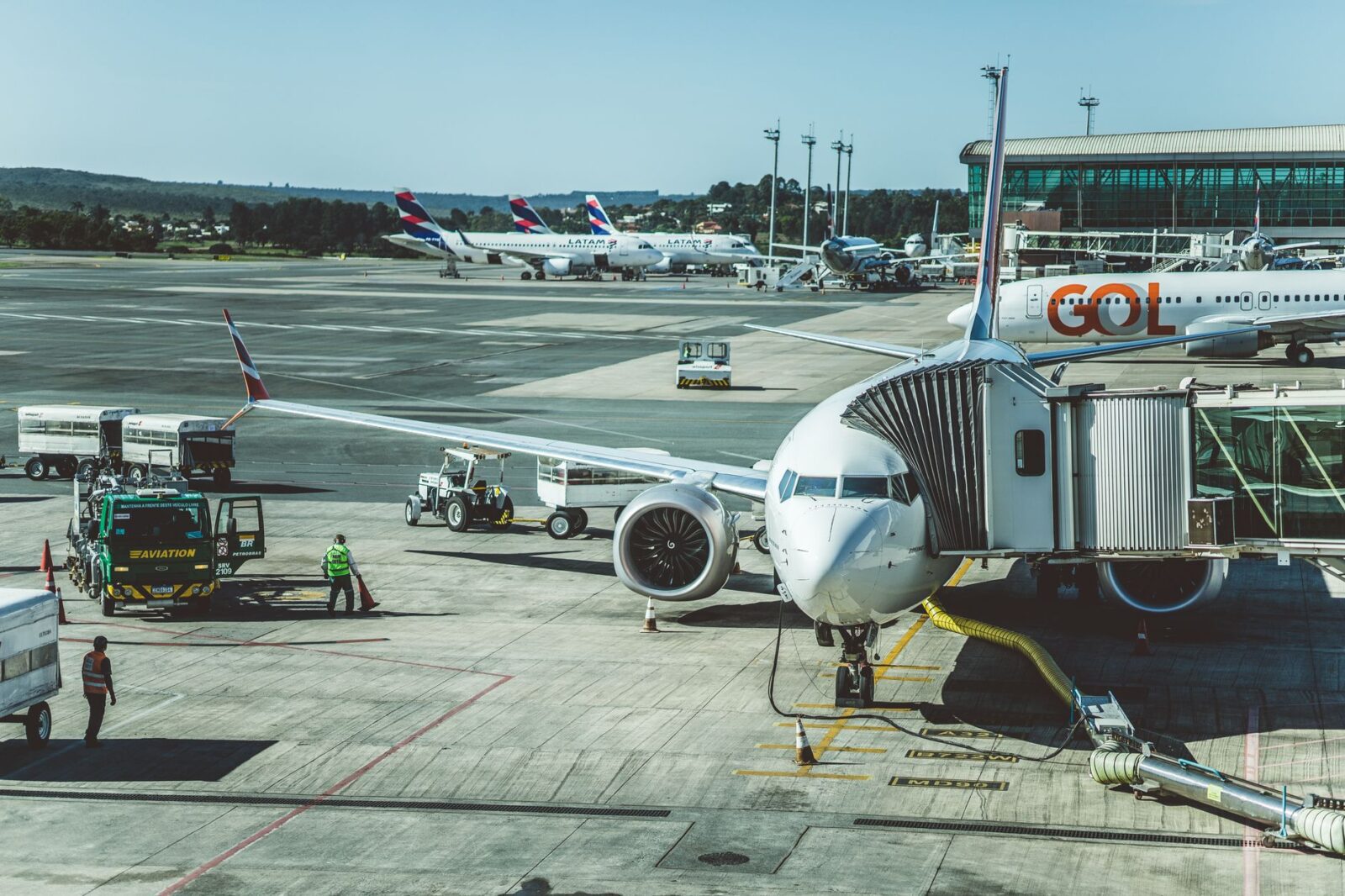
Practical Tips for Travelers Planning Gulf Trips
For travelers considering a trip to the Gulf, there are several practical considerations to keep in mind:
- Check Insurance Options: With travel advisories lifted, insurance companies are now more likely to offer comprehensive coverage for the region.
- Monitor Airline Announcements: While Gulf airlines are operational, European carriers might resume services later, potentially affecting flight availability and prices.
- Consider Alternative Routes: For those still cautious, consider routes via Asia or North America, although these may involve longer travel times and higher costs.
These steps will help ensure a smooth and safe travel experience as the Gulf region reopens.
What to Expect Next: Expert Analysis
Experts predict a gradual return to normalcy in Gulf travel, contingent upon further diplomatic stability and insurance developments. Nathan Gee from BofA Global Research suggests that while Gulf airlines will likely regain their market share, Asian carriers like Singapore Airlines remain well-positioned to capture travelers seeking certainty. The key will be how quickly the European Union responds to the changing geopolitical landscape and lifts its own restrictions, potentially by October.
Financial Considerations: Budgeting for Travel Changes
With the travel landscape in flux, travelers should anticipate potential cost fluctuations. While insurance coverage becomes more accessible, airfare prices may vary depending on demand and available routes. Travelers should budget for:
- Potentially higher fares on non-European airlines if European carriers remain grounded.
- Costs associated with longer routes if opting for alternative pathways.
- Insurance premiums, which may adjust as travel advisories continue to evolve.
Planning for these financial variables will be crucial for maintaining a balanced travel budget.
FAQs: Navigating the New Travel Landscape
Is it safe to travel to the Gulf region now?
Yes, the lifting of travel advisories by the UK and Australia indicates improved safety conditions. However, travelers should remain informed about current events and consult their governments’ travel advisories.
How does the lifting of travel warnings affect flight availability?
While Gulf airlines are expanding operations, European airlines are waiting for EU regulatory clearance. This may limit direct flight options from Europe until restrictions are lifted.
Will travel insurance cover my trip to the Gulf?
With advisories relaxed, travel insurance is more accessible. Check with providers to ensure coverage details align with your travel plans.
Are alternative routes to the Gulf still advisable?
For cautious travelers, routes through Asia or North America remain options, though they may incur higher costs and longer travel times.
What should I budget for when planning a trip to the Gulf?
Consider potential fluctuations in airfare, insurance premiums, and costs associated with alternative travel routes. Staying informed on the latest developments can help manage these expenses.
Conclusion: A Time for Cautious Optimism
The easing of travel warnings marks a positive turn for Gulf tourism and offers new opportunities for travelers. As the situation continues to evolve, staying informed and flexible will be key. Whether you’re planning a business trip or a holiday, these changes herald a renewed sense of adventure. Share your thoughts and plans for traveling to the Gulf in the comments below!
Stay informed with the latest travel news, visa updates, and destination guides. Follow HimalayanCrest.com for weekly travel intelligence delivered by our editorial team.