

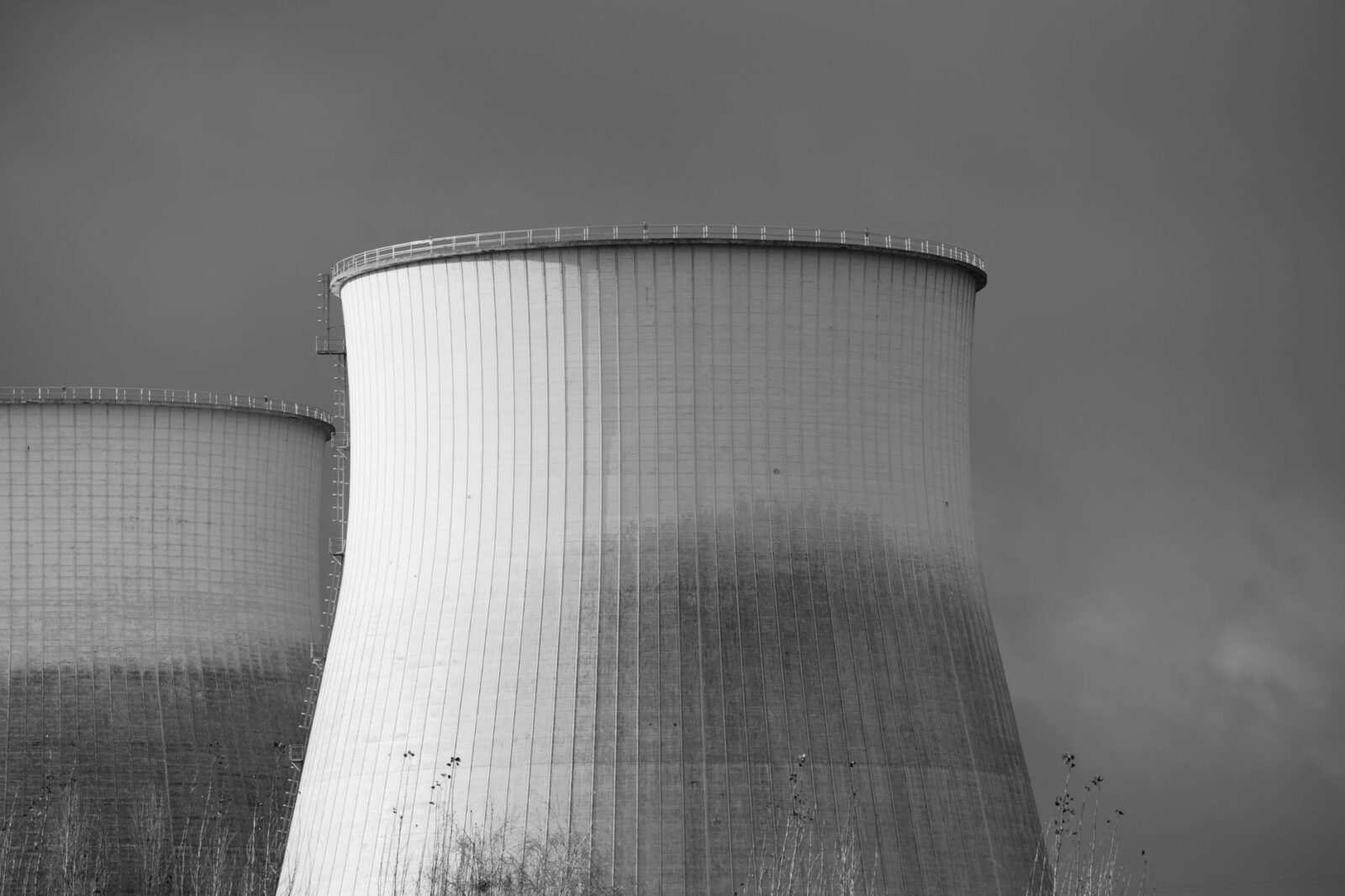
UK Environment Agency Approves Carbon Capture Permit for Drax Power Station
On 14 August 2026, the Environment Agency announced that it had granted an environmental permit variation to Drax Power Limited, allowing the company to integrate carbon capture technology at its bioenergy plant near Selby in North Yorkshire. This decision follows a public consultation held earlier in the summer and comes after Drax first submitted the variation request in May 2023. The permit variation is a key step in the UK’s strategy to achieve net‑zero emissions by 2050, as it enables one of the country’s largest power stations to capture and store carbon dioxide that would otherwise be released into the atmosphere.
The Environment Agency only issues permits when it is satisfied that the operator can comply with all conditions and has appropriate systems to protect the environment, human health, and wildlife. In its statement, the Agency noted that Drax had demonstrated it would meet the mandatory conditions outlined in the permit and would continue to do so. This approval marks the first time a large‑scale biomass facility in the UK has received explicit permission to add carbon capture infrastructure.
For investors, expats, and individuals exploring residency or citizenship options, the permit signals a growing market for green‑technology projects in the United Kingdom. It also highlights the UK’s willingness to regulate emerging climate solutions through established environmental‑permitting pathways, offering a predictable framework for future investments.
What the Permit Variation Actually Changes
The variation specifically authorizes Drax to install and operate carbon capture equipment at its existing biomass‑fired power station. Previously, the plant’s environmental permit covered only the combustion of sustainably sourced biomass pellets for electricity generation. With the new variation, Drax can now capture up to 90 % of the carbon dioxide produced during biomass combustion, compress it, and transport it for offshore storage under the North Sea.
Key technical conditions included in the permit are:
- Monitoring of capture efficiency and leakage rates.
- Requirement to maintain a minimum capture rate of 85 % on an annual average basis.
- Obligation to submit quarterly emissions reports to the Environment Agency.
- Provision for emergency shutdown procedures in case of system failure.
The Agency emphasized that the permit does not alter the plant’s fuel source or its overall electricity output capacity of 2.6 GW from biomass. Instead, it adds a parallel process stream designed to reduce the plant’s net carbon intensity.
By attaching carbon capture to a biomass facility, Drax aims to achieve what is often termed “negative emissions” because the biomass absorbs CO₂ while growing, and the capture step prevents that carbon from returning to the atmosphere when the biomass is burned.
Timeline: From Initial Application to Approval
Drax first applied for the permit variation in May 2023, seeking to amend its existing environmental authorization to include carbon capture. During the initial review, the Environment Agency requested additional information, specifically a more detailed air‑emissions risk assessment that identified potential substances that could be released during capture operations.
In response, Drax submitted a revised assessment in late 2023, which included modeling of amine‑based capture solvents, potential degradation products, and mitigation measures. The Agency then opened a public consultation in early summer 2026, allowing local residents, environmental groups, and industry stakeholders to comment on the draft decision.
After reviewing the consultation feedback, the Agency concluded that the project met all necessary legal and technical requirements. The final decision document, published alongside the press release on 14 August 2026, outlines how concerns about solvent emissions and transport safety were addressed through stricter monitoring protocols and secondary containment requirements.
This timeline illustrates the UK’s precautionary approach: even for projects that align with national climate goals, regulators demand thorough evidence before granting permissions that could affect air quality or local ecosystems.
Why This Matters for Green Investors and Residency Seekers
The permit variation creates a tangible investment opportunity in the UK’s emerging carbon‑capture sector. Drax has indicated that the Selby project will require approximately £300 million in capital expenditure, with funding expected from a mix of equity, green bonds, and government‑backed contracts for difference.
For investors looking to gain exposure to climate‑positive infrastructure, the project offers a rare combination of:
- Revenue stability from existing biomass electricity contracts.
- Potential eligibility for the UK’s Green Gas Support Scheme and future carbon‑credit markets.
- Access to the UK’s Innovator Founder visa route, which fast‑tracks residency for founders of innovative, high‑growth businesses.
Moreover, the UK government has signaled that successful carbon‑capture projects may qualify for accelerated processing under the Global Talent visa scheme, particularly for individuals with expertise in chemical engineering, geosequestration, or environmental monitoring.
Expats and digital nomads who specialize in sustainability consulting, project finance, or renewable‑energy law may find increased demand for their skills in the Yorkshire region as Drax ramps up construction and operation phases.
How the UK’s Approach Compares to Other Nations
While the Drax permit is a national first for biomass‑linked carbon capture, other countries have developed comparable frameworks that investors and migrants often examine.
In the United States, the Section 45Q tax credit provides up to $85 per tonne of CO₂ stored securely and $60 per tonne used for enhanced oil recovery. Projects must register with the Internal Revenue Service and meet specific storage durability standards. Unlike the UK’s permit‑based system, the US relies heavily on tax incentives rather than direct environmental permitting for capture equipment.
Norway’s Northern Lights project, a joint venture between Equinor, Shell, and TotalEnergies, received a storage license from the Norwegian Ministry of Petroleum and Energy in 2021. The license process emphasizes long‑term liability and monitoring, similar to the UK’s emphasis on quarterly reporting and leakage checks.
Canada’s Alberta Carbon Trunk Line operates under provincial regulatory approvals that require detailed risk assessments and public consultation, mirroring the UK’s two‑stage approach of initial application followed by public feedback.
These international examples show that while the mechanisms differ—tax credits, storage licenses, or environmental permits—the core elements of rigorous technical review, public engagement, and ongoing oversight are common. For investors, understanding these parallels helps assess jurisdictional risk and potential policy shifts.
Practical Steps for Investors and Expats Interested in the UK’s Green Energy Sector
If you are considering investment, relocation, or a visa application linked to the UK’s carbon‑capture growth, the following actions can be taken today:
- Review the official decision document and permit variation notice on the GOV.UK website: Environmental permit variation granted to Drax Power Limited.
- Explore eligibility for the Innovator Founder visa, which requires an endorsed business idea that is innovative, viable, and scalable. Endorsing bodies include Tech Nation and specific industry‑competent organizations. Details are available at Innovator Founder visa.
- Check the Global Talent visa criteria for leaders or potential leaders in academia, research, arts and culture, or digital technology. The scheme fast‑tracks settlement for those who can demonstrate exceptional promise or talent. See Global Talent visa.
- Monitor UK green‑finance initiatives such as the Green Gilt programme and the UK Infrastructure Bank, which often fund carbon‑capture and storage projects. The Infrastructure Bank’s portal is at UK Infrastructure Bank.
- Connect with local business clusters in Yorkshire, notably the Humber Local Enterprise Partnership, which supports low‑carbon industrial projects and offers networking events for investors and skilled professionals.
Taking these steps now positions you to benefit from the project’s development phase, which is expected to run from late 2026 through 2029, with capture operations slated to begin in 2030.
Future Outlook: Carbon Capture, Immigration Policy, and the UK’s Climate Goals
The Drax permit variation is likely to be a precursor to additional carbon‑capture authorizations as the UK seeks to meet its legally binding target of net‑zero greenhouse‑gas emissions by 2050. The Climate Change Committee has estimated that the UK will need to capture and store between 75 and 175 million tonnes of CO₂ per year by mid‑century to offset residual emissions from sectors such as aviation, agriculture, and heavy industry.
From an immigration perspective, the UK’s points‑based system already awards extra points for applicants with qualifications in shortage occupations, which currently include roles such as “environmental scientist” and “chemical engineer.” As carbon‑capture projects scale, demand for these professions is expected to rise, potentially leading to updates in the shortage‑occupation list.
Furthermore, the government’s upcoming “Green Jobs Taskforce” report, anticipated in early 2027, may recommend specific visa pathways for workers involved in climate‑mitigation technologies, similar to existing provisions for tech and health‑care professionals.
For investors, the combination of a stable regulatory environment, access to green financing, and potential visa advantages makes the UK an attractive jurisdiction for early‑stage carbon‑capture ventures. The Drax project serves as a concrete proof‑of‑concept that could encourage similar applications at other biomass or waste‑to‑energy facilities across the country.
FAQ: Common Questions About the Drax Permit and Related Visa Paths
1. What exactly does the environmental permit variation allow Drax to do?
The variation permits Drax to install and operate carbon capture equipment at its biomass‑fired power station near Selby. It authorizes the capture of up to 90 % of the carbon dioxide produced during biomass combustion, with mandatory monitoring, minimum capture rates, and quarterly reporting to the Environment Agency.
2. How does this permit affect my eligibility for a UK investor or founder visa?
While the permit itself does not change visa rules, it signals growth in the UK’s green‑technology sector, which may strengthen an application under the Innovator Founder or Global Talent visas. Applicants should demonstrate how their business or expertise aligns with emerging low‑carbon industries such as carbon capture, utilization, and storage.
3. Are there any fees associated with the permit variation that investors need to know about?
The Environment Agency does not charge a fee for processing permit variations; however, applicants may incur costs for preparing technical assessments, public consultation materials, and potential legal advice. Drax has not disclosed any application‑related fees in the public announcement.
4. How does the UK’s permitting process for carbon capture compare to the United States’ tax‑credit approach?
The UK relies on an environmental‑permit framework that evaluates technical compliance, environmental protection, and public consultation before granting authorization. The United States uses the Section 45Q tax credit, which provides financial incentives after CO₂ is captured and stored, subject to IRS registration and storage‑durability standards. Both systems require rigorous monitoring but differ in whether approval is permission‑based or incentive‑based.
5. Where can I find official updates on Drax’s carbon‑capture project and related UK climate policies?
Official updates are published on the GOV.UK website under the Environment Agency news section: Environment Agency. The specific decision document for the Drax permit variation is available at Environmental permit variation granted to Drax Power Limited. For broader climate‑strategy information, see the Department for Energy Security and Net Zero portal at DESNZ.
Stay informed with the latest travel news, visa updates, and destination guides. Follow HimalayanCrest.com for weekly travel intelligence delivered by our editorial team.