

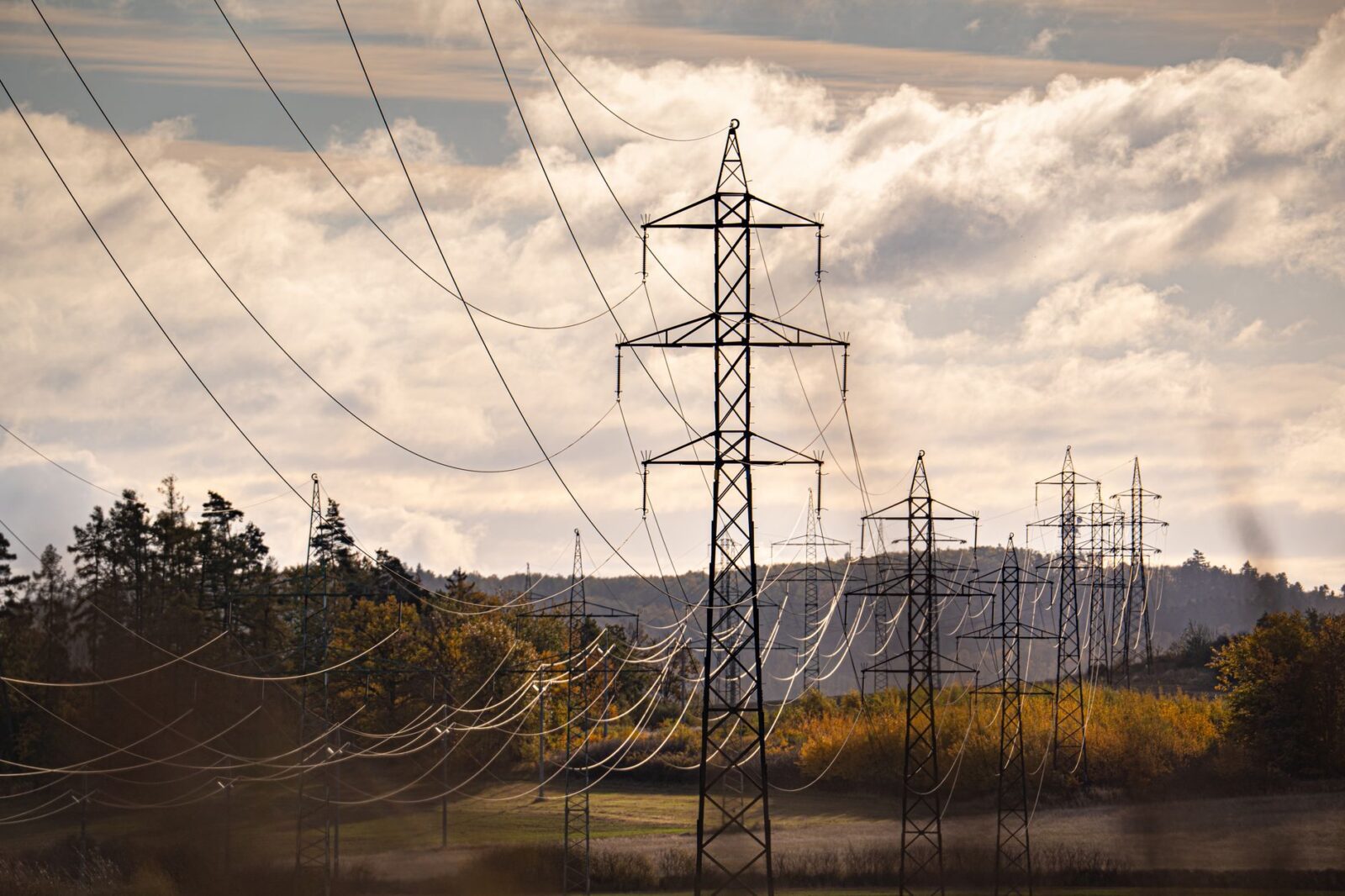
UK Government Announces Electricity Bill Discounts for Households Near New Grid Infrastructure
On August 12, 2026, the UK Department for Energy Security and Net Zero unveiled a new initiative offering direct financial relief to households living near newly constructed or upgraded electricity pylons. Under the scheme, eligible residents within 500 metres of qualifying grid projects will receive £250 per year off their electricity bills for a period of 10 years, amounting to potential savings of £2,500 over the decade. The announcement coincides with the publication of the first list of over 40 locations across England, Scotland, and Wales where the discount will apply, marking the initial phase of a broader effort to modernize Britain’s aging energy transmission network.
This policy forms part of the government’s wider Plan for Change, which aims to deliver clean power by 2030 while addressing public acceptance of essential infrastructure upgrades. Much of the UK’s current electricity grid dates back to the 1960s and requires significant expansion to connect renewable energy sources such as offshore wind farms and solar parks. By offering bill discounts, officials aim to acknowledge the visual and local impact of pylons while ensuring host communities benefit directly from national energy security improvements.
Who Qualifies for the Pylon Discount Scheme and How to Verify Eligibility
To receive the annual £250 discount, households must be located within a 500-metre radius of a newly built or upgraded electricity pylon that is part of a government-designated grid reinforcement project. The scheme applies to both homeowners and renters, with payments typically administered through energy suppliers as a direct reduction on the annual electricity bill. Eligibility is determined by the Department for Energy Security and Net Zero based on official project maps, and qualifying postcodes are published on the GOV.UK website.
Residents can verify their eligibility by visiting the official government announcement page and checking the list of approved locations, which includes areas in the Scottish Highlands, Lincolnshire, Somerset, and Kent, among others. Those who believe they qualify but do not see their area listed can contact their local council or energy provider for clarification. It is important to note that the discount applies only to electricity bills and does not extend to gas or other utility charges.
Step-by-Step Guidance for Affected Households to Access the Discount
For households confirmed to be within the 500-metre zone of a qualifying pylon project, accessing the discount requires minimal action. In most cases, the reduction is applied automatically by the energy supplier once the household’s address is matched against the official eligibility database. Customers should check their next electricity bill after the scheme’s launch date to confirm the £250 annual credit has been applied.
If the discount does not appear, residents are advised to contact their energy provider’s customer service team and reference the UK government’s pylon discount scheme, providing their address and account details for verification. Keeping a copy of the official GOV.UK announcement or the list of qualifying postcodes can help support the claim. Payments are scheduled to begin in 2027, with the first full year of savings appearing on bills issued from that point onward.

Why the UK Is Upgrading Its Electricity Grid and How It Relates to Energy Security
The current upgrade drive is necessary because much of Britain’s high-voltage transmission infrastructure was constructed over 60 years ago and was not designed to handle the volume and variability of modern renewable energy generation. As the UK phases out coal and expands offshore wind capacity — aiming for 50 gigawatts by 2030 — the grid must be strengthened to transport electricity efficiently from remote generation sites to urban centres where demand is highest.
Without these upgrades, bottlenecks could limit the amount of clean power reaching consumers, potentially increasing reliance on fossil fuel backups and driving up costs. By investing in new pylons, underground cables, and substations, the government seeks to improve grid resilience, reduce curtailment of wind energy, and support the transition to a low-carbon economy. The pylon discount scheme is framed as a mechanism to ensure fairness, recognizing that while the benefits of a modern grid are national, the infrastructure is often concentrated in specific rural or semi-rural areas.
How the UK Approach Compares to Similar Policies in Other Countries
While direct bill discounts for proximity to power infrastructure are uncommon, several nations offer forms of community benefit agreements for hosting energy projects. In Germany, municipalities that host wind farms often receive a portion of the project’s revenue through local trade taxes, which can be reinvested in public services or used to lower local fees. In Denmark, some wind farm cooperatives allow nearby residents to buy shares and receive dividends, creating a direct financial stake in renewable energy production.
In contrast, the UK’s pylon discount is notable for being a direct, government-funded reduction on household energy bills rather than a revenue-sharing model tied to project profits. This approach ensures broad accessibility regardless of ownership status or local tax structures. Similar infrastructure-related compensation exists in parts of the United States, where certain states offer property tax abatements for hosting transmission lines, though these tend to benefit landowners rather than all nearby households uniformly.

Impact on Expats, Digital Nomads, and Long-Term Residents in the UK
For expatriates and long-term residents living in the UK, the pylon discount offers a tangible reduction in household energy costs, which can be particularly valuable amid ongoing cost-of-living pressures. Since the scheme applies to both homeowners and renters, it benefits a wide range of international residents, including those on work visas, student visas, or family permits who maintain a UK household.
Digital nomads who maintain a UK base for tax or banking purposes may also qualify if they spend sufficient time at a property within the eligible zone, though the discount is tied to the electricity account rather than immigration status. Retirees on fixed incomes, many of whom rely heavily on heating during colder months, stand to gain meaningful relief from the annual £250 saving. However, the scheme does not confer any immigration advantages or affect visa eligibility, residency requirements, or pathways to citizenship.
What This Means for Investors and Those Pursuing UK Residency or Citizenship
While the pylon discount reduces household electricity costs, it does not influence investment immigration routes such as the Innovator Founder visa or the Global Talent scheme. The benefit is strictly an energy cost relief measure and is not considered in financial assessments for visa applications, settlement (indefinite leave to remain), or naturalization. Applicants for UK residency or citizenship must still meet all standard financial, language, and residency requirements regardless of whether they receive the pylon-related bill discount.
That said, for individuals considering property investment in the UK, the scheme may add modest appeal to homes located near qualifying grid upgrades, particularly in areas where renewable energy expansion is active. The potential for £2,500 in savings over a decade could slightly improve the net rental yield or reduce ongoing costs for buy-to-let investors. However, property decisions should still be based on broader factors such as location, transport links, and local amenities rather than this single utility incentive.
Future Outlook: Expansion of the Scheme and Long-Term Grid Modernization
Government officials have indicated that the list of qualifying locations may expand as additional grid reinforcement projects are approved and completed. The current rollout is tied to specific phases of the Grid Expansion Programme, which aims to reinforce over 1,000 kilometres of transmission lines by 2030. As new sections of the network are upgraded, more households could become eligible for the discount in subsequent years.
Looking ahead, the success of this initiative may influence how other countries approach community engagement for essential but visually impactful infrastructure. By linking national energy goals with localized financial benefits, the UK is testing a model that seeks to balance the need for modernization with principles of fairness and public support. Whether the scheme will be extended beyond 10 years or adjusted for inflation remains to be seen, but for now, it offers a concrete way for thousands of households to share in the benefits of a cleaner, more resilient energy system.
Stay informed with the latest travel news, visa updates, and destination guides. Follow HimalayanCrest.com for weekly travel intelligence delivered by our editorial team.