

England and Wales Braces for Nationwide Emergency Alert as Wildfire Threat Surges
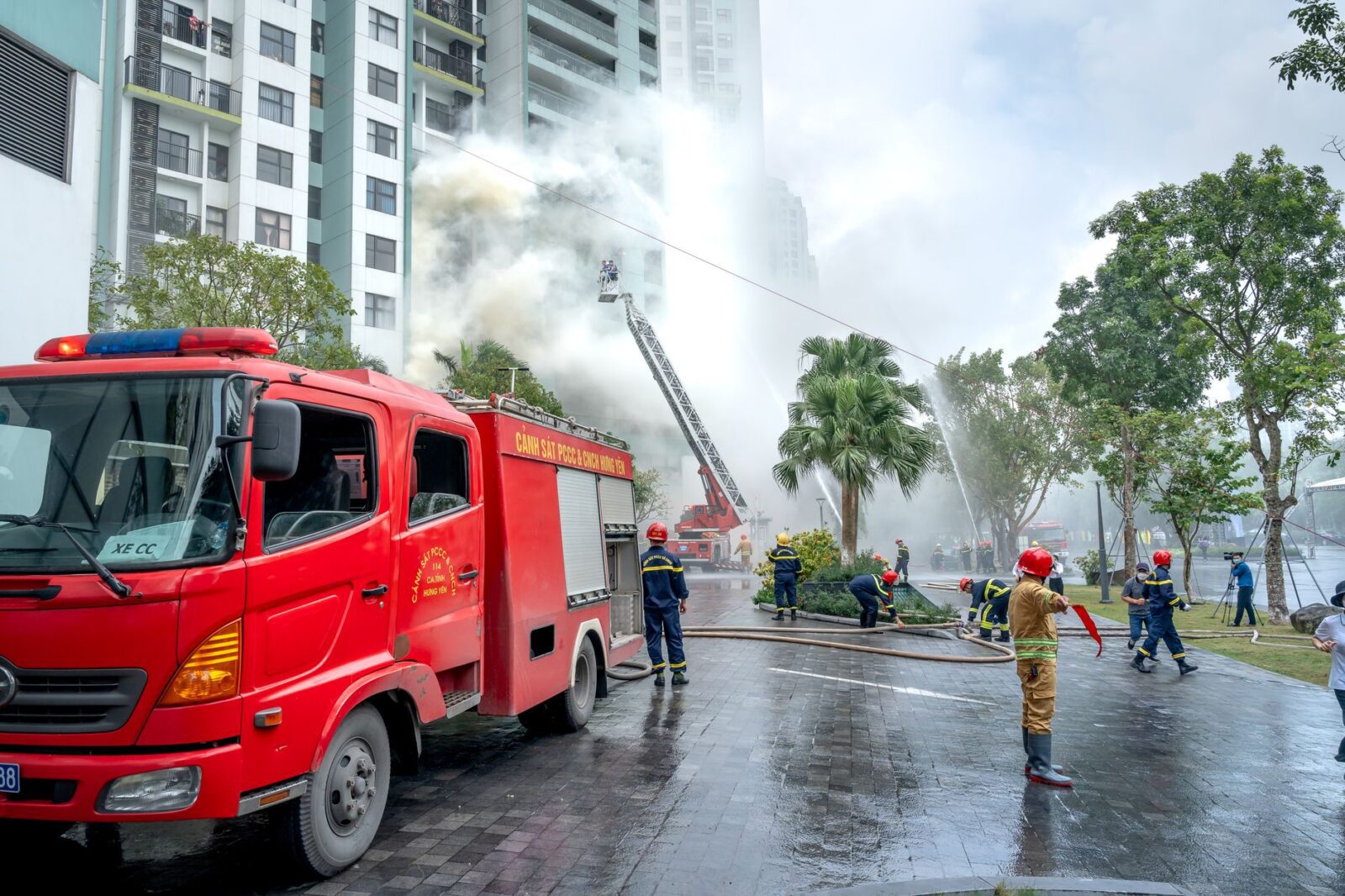
On the evening of 14 August 2026, mobile phones across England and Wales sounded with a government‑issued Emergency Alert warning of an extreme wildfire risk. The message, sent in a rolling broadcast from approximately 19:00, urged residents and visitors not to light any open flames, including barbecues, campfires or fireworks, and to report any sight of smoke or fire by calling 999 immediately. Authorities described the current conditions as some of the most challenging fire seasons seen in recent years, with crews battling multiple incidents stretching from the West Midlands to the Welsh valleys. The alert marks the most extensive use of the UK’s national emergency alert system to date for a wildfire scenario.
What the Emergency Alert Contains and When It Arrives
The alert text, as released by the Cabinet Office, reads: “People across England and Wales will receive an Emergency Alert on their phones today as the Government steps up action to protect communities from the growing threat posed by wildfires. The alert will warn people not to light anything that could spark a fire, including barbecues, campfires, and fireworks. Recipients will also be urged to report any fire immediately by calling 999.” The message is designed to reach every compatible mobile device, regardless of carrier, and repeats at intervals to ensure those who miss the first broadcast are still informed. Officials emphasized that the alert is not a warning of an imminent fire in every location, but a precautionary measure given the heightened risk across the country.
People across England and Wales will receive an Emergency Alert on their phones today as the Government steps up action to protect communities from the growing threat posed by wildfires.
Immediate BBQ Ban and Its Scope for Residents and Visitors
Alongside the alert, the government introduced an immediate nationwide ban on the sale and use of disposable barbecues in England and Wales. The prohibition applies to all retail outlets, online marketplaces and public spaces, and remains in force until the wildfire risk subsides. Travelers staying in self‑catering accommodation, campsites or holiday parks are advised to check with site managers about alternative cooking options, such as portable gas stoves that are permitted under the current rules. Violating the ban can result in a fixed penalty notice and, in cases where a fire is started, potential prosecution under arson legislation.
Government Funding, Military Support and Resources Deployed to Fire Services
Prime Minister Keir Starmer visited the fire‑affected town of Stourbridge earlier on 14 August to thank frontline crews and announce a package of emergency support. This includes additional funding for fire and rescue services facing the greatest operational pressure, though the exact amount was not disclosed in the press release. The Ministry of Defence has agreed to deploy military personnel and equipment to assist with logistics, water transport and firebreak creation in the most affected regions. Local resilience partnerships are receiving extra resources to boost community preparedness and to support evacuation planning where needed.
Impact on Travelers, Expats and Visa Holders: Safety Guidance
For individuals holding UK visas, residence permits or planning short‑term visits, the emergency measures do not alter immigration status or entry requirements. However, the alert and associated restrictions can affect daily life, especially for those relying on outdoor cooking or planning countryside excursions. Travelers are advised to:
- Monitor official updates via the GOV.UK emergency alerts page and local fire service social media channels.
- Avoid lighting any open flames in public parks, beaches or rural areas until the ban is lifted.
- Keep a charged mobile phone with location services enabled to receive future alerts.
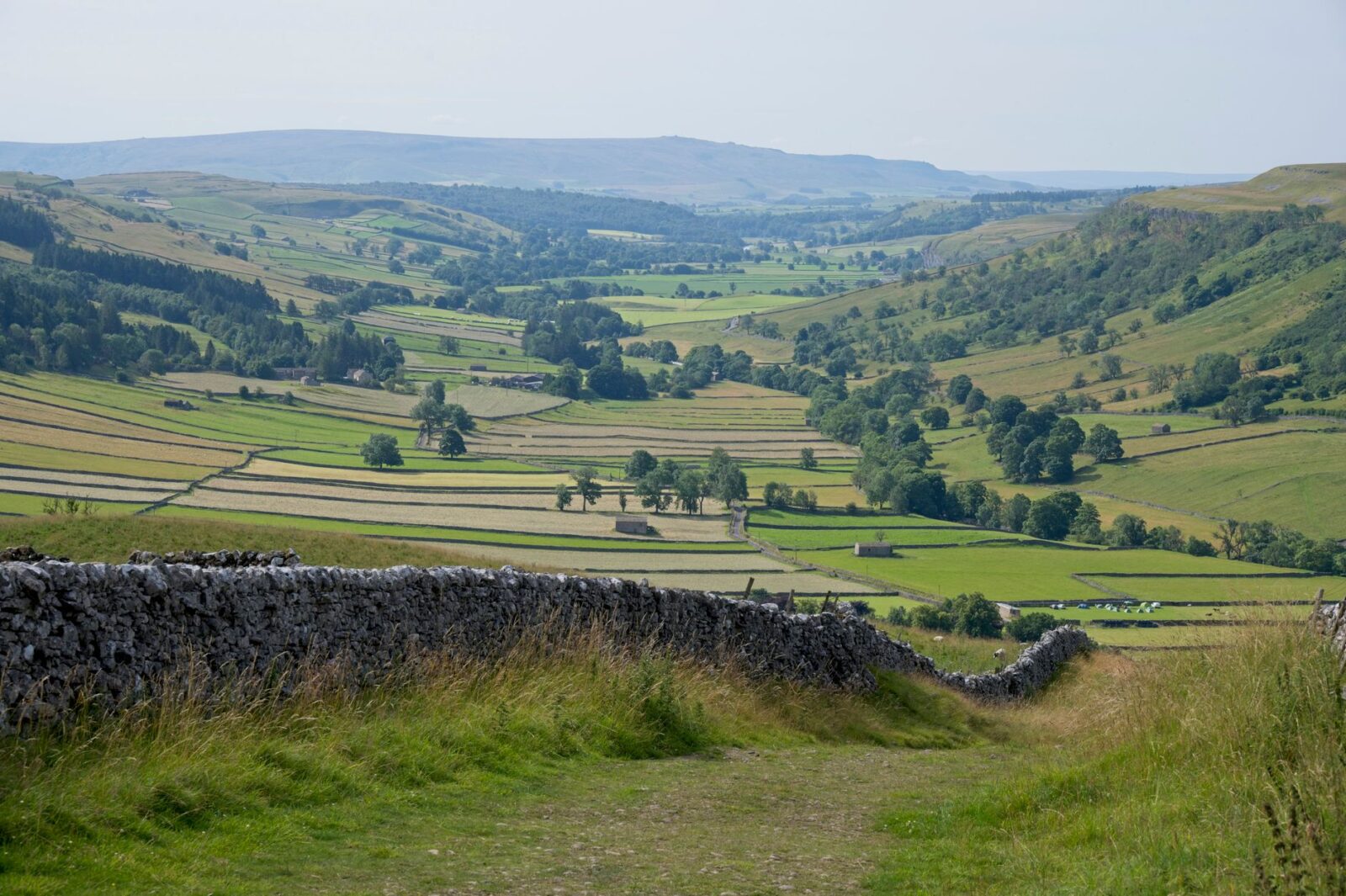
- Know the nearest evacuation routes and assembly points if staying in high‑risk zones such as the Peak District, South Wales Valleys or the New Forest.
- Contact their accommodation provider to confirm any site‑specific fire safety procedures.
Expats on long‑term visas, such as Skilled Worker or Family routes, should ensure their employer or sponsor is aware of any workplace closures caused by fire damage and follow any guidance issued by the Home Office regarding travel disruption.
How the UK’s Response Compares to Wildfire Policies Abroad
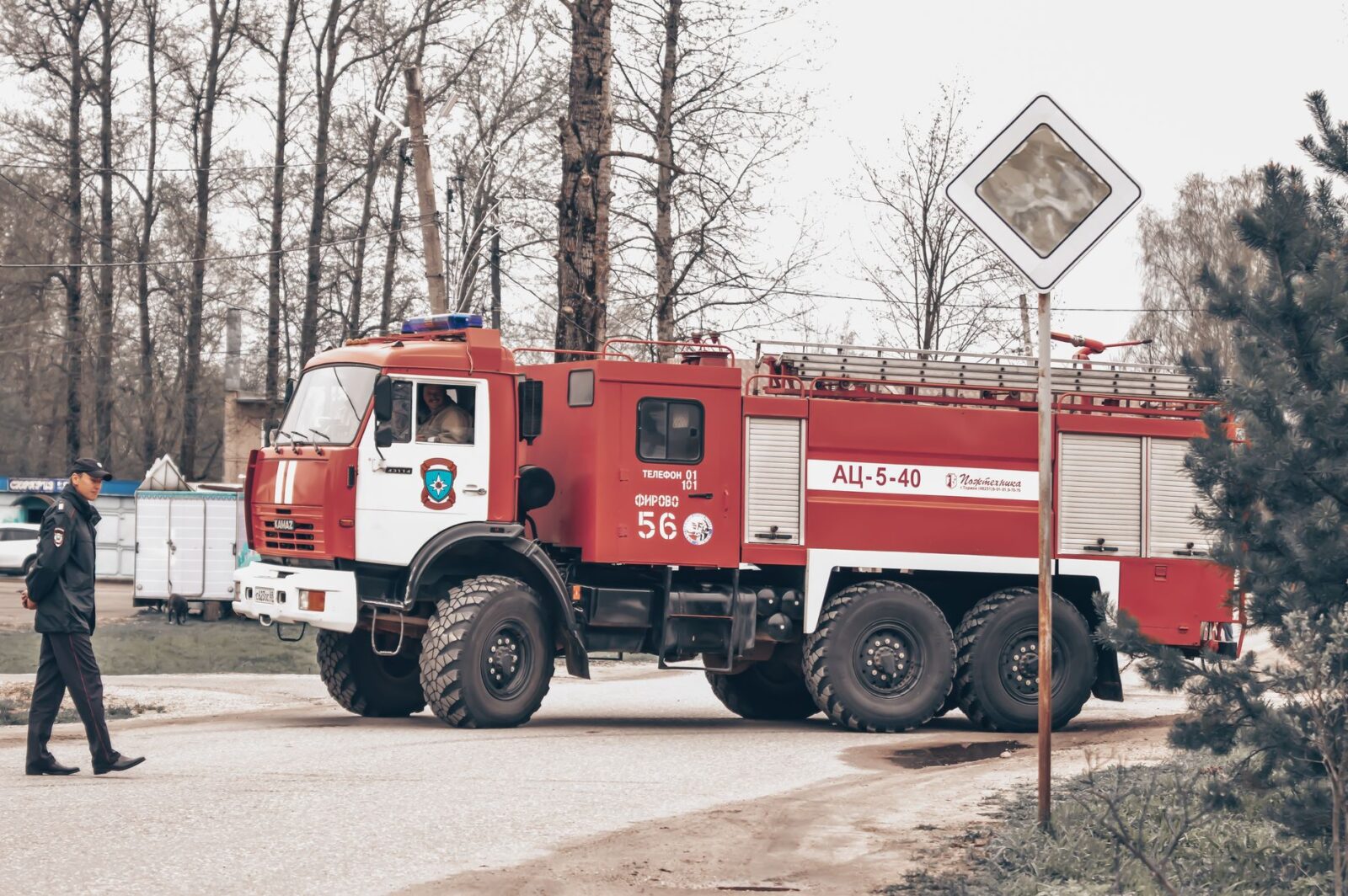
Other nations facing recurrent wildfire threats have adopted similar public alert systems, though the UK’s use of a nationwide mobile broadcast remains relatively novel. In Australia, the Emergency Alert system delivers location‑based warnings via SMS and voice calls, often accompanied by detailed maps showing fire fronts. California’s Wireless Emergency Alerts (WEA) push notifications to phones in affected counties, but the state relies heavily on local sirens and social media for real‑time updates. Portugal, after a devastating 2017 fire season, introduced a mandatory ban on open flames in forested areas during high‑risk periods and increased fines for non‑compliance. The UK’s temporary disposable barbecue ban mirrors Portugal’s approach, while the military logistical support echoes practices seen in Spain’s firefighting reinforcements.
Advice for Investors, Digital Nomads and Retirees Considering UK Residency
Investors evaluating the UK’s Innovator Founder or Global Talent visas should note that the current wildfire situation does not impact the processing times of these routes, as UK Visas and Immigration continues to operate normally. Digital nomads planning to stay under the upcoming Short‑Term Study or Visitor routes should verify that their chosen accommodation has adequate fire safety measures and is not situated in an active fire zone. Retirees applying for a UK Ancestry visa or planning to rely on pension income are encouraged to factor in potential increases in home insurance premiums that may follow a severe fire season, and to consult with local brokers about coverage options that include wildfire protection.
FAQ: Quick Answers to Pressing Questions About the Alert and Travel
Will the emergency alert affect my ability to enter or leave the UK?
No. The alert is a public safety message and does not impose travel restrictions, border closures or changes to visa validity. Flights, trains and ferry services continue to operate unless individual operators announce cancellations due to specific fire‑related incidents.
How can I verify that the alert I received is genuine and not a scam?
Authentic government alerts appear as a distinct notification with the GOV.UK logo, a loud siren sound and a vibration pattern that cannot be dismissed without acknowledging the message. They are not delivered via SMS from unknown numbers or through third‑party apps. You can confirm the latest alerts by visiting the official GOV.UK emergency alerts page (https://www.gov.uk/alerts).
Are there any exceptions to the disposable barbecue ban for religious or cultural events?
The ban applies uniformly to all disposable barbecues regardless of the purpose of use. Authorities have stated that exemptions will not be granted, as the risk of ignition outweighs any specific event considerations. Organizers are encouraged to use alternative cooking methods such as pre‑prepared food or portable gas appliances that are permitted under current guidance.
What should I do if I see smoke or a fire while hiking in a national park?
Move to a safe distance, note the location (using a smartphone map app if possible) and call 999 immediately, providing as much detail as you can about the size, direction and any visible hazards. Do not attempt to extinguish the fire yourself unless you have been trained and equipped to do so.
Where can I find up‑to‑date information on fire risks and road closures?
The National Fire Chiefs Council maintains a live incident map at https://www.nfcc.org.uk/incidents. Local fire and rescue services post updates on their Twitter accounts (e.g., @WestMidsFire, @SouthWalesFire). The Highways Agency provides real‑time road closure information via https://trafficengland.com for England and https://traffic.wales for Wales.
Staying Informed and Sharing Knowledge
As the wildfire situation evolves, staying tuned to official channels remains the best way to protect yourself and your community. Readers are encouraged to bookmark the GOV.UK alerts page, follow their local fire service on social media, and share this guide with friends, family or colleagues who may be traveling to or residing in England and Wales. Your awareness helps reduce risk and supports the ongoing efforts of firefighters, military personnel and emergency responders working around the clock.
Stay informed with the latest travel news, visa updates, and destination guides. Follow HimalayanCrest.com for weekly travel intelligence delivered by our editorial team.