

Why Budget Cruising Still Works in 2026
Despite rising costs across the travel industry, a well‑chosen cruise can still deliver a vacation that feels all‑inclusive without breaking the bank. The key is knowing which lines keep base fares low while limiting surprise charges on board. In 2026, the biggest value comes from a handful of mainstream operators that have refined their pricing models to attract price‑sensitive travelers. Understanding where the savings really lie helps you avoid the frustration of a final bill that doubles the advertised price.
Our research shows that the cheapest advertised fares are often just the starting point. Gratuities, specialty dining, beverage packages, and shore excursions can add hundreds of dollars per person if you are not careful. Yet, many budget lines now offer transparent package options that bundle these extras at a discount. By comparing what is truly included versus what costs extra, you can pick a cruise that matches your spending habits and travel style.
For first‑time cruisers, the biggest myth is that a low fare means a low‑quality ship. In reality, several budget‑focused lines operate modern vessels with comfortable cabins, varied dining venues, and lively entertainment. The trick is to look beyond the headline price and examine the overall value proposition. This guide breaks down the top contenders, highlights what you actually get for your money, and gives practical tips to keep your cruise budget under control.
Top Budget Cruise Lines Ranked for 2026
Based on fare data, passenger reviews, and value assessments, four lines consistently rise to the top for travelers watching their wallets. Carnival Cruise Line remains the most affordable major brand, with seven‑night Caribbean itineraries often advertised at $534 per person. Norwegian Cruise Line follows closely, offering comparable base prices but with a different pricing philosophy that includes more flexible dining times. MSC Cruises has aggressively positioned itself as a value leader in the Mediterranean and Caribbean, frequently undercutting rivals on similar routes. Finally, Royal Caribbean, while not the cheapest, provides strong value for families thanks to its extensive activity offerings and frequent promotions that bring net costs down.
Each of these lines has strengths that suit different priorities. Carnival excels at lively atmospheres and abundant casual dining options, making it a favorite for groups and younger travelers. Norwegian’s “Freestyle Cruising” concept eliminates set dinner times, appealing to those who prefer flexibility. MSC ships often feature modern European design and include certain beverages in the fare, reducing the need for costly drink packages. Royal Caribbean’s larger ships boast water slides, surf simulators, and Broadway‑style shows that can keep kids and teens entertained without extra fees.
It is worth noting that the lowest advertised fare rarely reflects the final amount you will pay. All major lines now charge automatic gratuities, typically ranging from $14 to $20 per person per day, depending on the cabin class. Beverage packages, specialty restaurants, Wi‑Fi, and shore excursions are additional line items that can quickly inflate the total. The sections that follow break down these costs so you can build a realistic budget before you book.
Comparing Ship Quality and Onboard Experience
When evaluating budget cruise lines, ship age and refurbishment status matter as much as the base fare. Carnival’s fleet includes several vessels that have undergone recent upgrades, such as the Carnival Jubilee and Carnival Celebration, which feature updated cabins, expanded water parks, and newer dining venues. Norwegian’s newest ships, like the Norwegian Prima and Norwegian Viva, offer spacious public areas, a variety of specialty restaurants, and innovative entertainment venues such as the Ocean Boulevard promenade.
MSC’s newer builds, including MSC Seascape and MSC Seashore, emphasize sleek European styling, large outdoor promenades, and a strong focus on family amenities. Royal Caribbean’s latest additions, such as Icon of the Seas, push the boundaries of onboard activities with the first-ever floating waterfall, a massive aqua park, and numerous dining concepts that range from casual to upscale. While these flagship ships may command higher base prices, older vessels in each fleet often provide excellent value after refurbishment.
Passenger feedback consistently points to cleanliness, friendly staff, and varied entertainment as the highlights across these lines. However, common complaints about budget cruises include crowded public areas during peak times, long lines at popular buffets, and occasional maintenance issues on older ships. Choosing a vessel that has undergone a recent dry‑dock refurbishment can mitigate many of these concerns and improve the overall experience.
Cabin Choices and Realistic Price Ranges
Inside cabins remain the most economical option, typically ranging from $400 to $650 per person for a seven‑night Caribbean cruise on Carnival or Norwegian. These windowless rooms offer comfortable beds, ample storage, and access to all public areas. For travelers who want natural light without the premium of a balcony, oceanview cabins usually add $100 to $150 to the base price, providing a porthole or window with limited visibility.
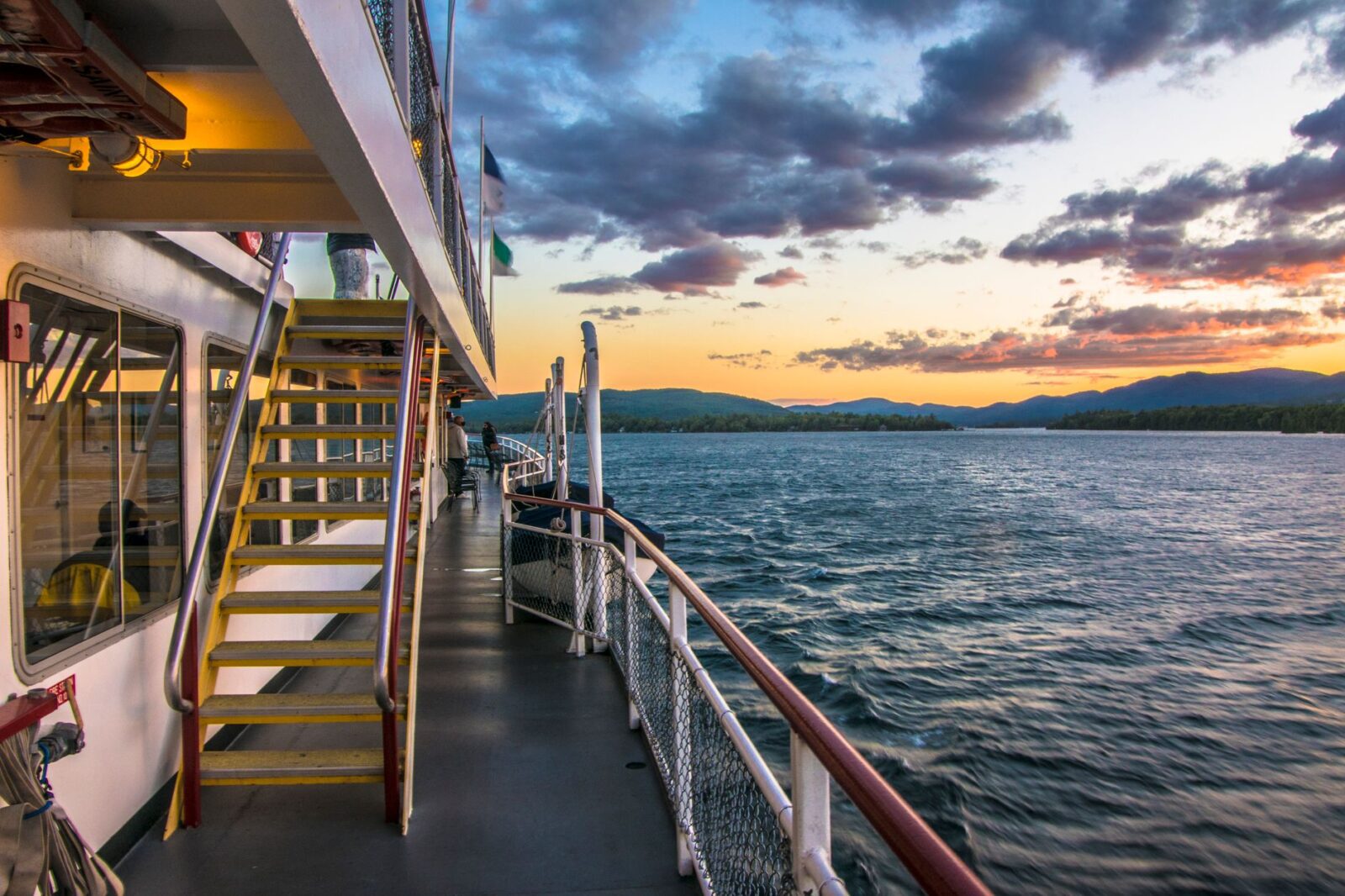
Balcony cabins are the sweet spot for many cruisers, offering private outdoor space for morning coffee or evening sunset views. On budget lines, a standard balcony cabin generally costs between $750 and $1,100 per person for a week‑long itinerary, depending on the ship, departure port, and sailing date. Suite categories, which include separate living areas and enhanced amenities, start around $1,500 per person and can climb well above $2,500 for premium locations.
It is important to note that cabin prices fluctuate dramatically based on demand. Sailings during school holidays, major festivals, or winter escape periods can see prices jump 30‑50 percent above the low‑season baseline. Conversely, late‑summer and early‑fall departures often feature the deepest discounts, especially if you book six to nine months in advance. Monitoring price trends and being flexible with your travel window can yield substantial savings.
Food, Drinks, Entertainment: What Is Included vs. Extra Cost
Main dining rooms and buffet venues are included in the cruise fare on all four lines discussed. Breakfast, lunch, and dinner in these venues offer a wide variety of options, from international buffet stations to plated three‑course meals. Specialty restaurants, which range from steakhouses and sushi bars to Italian trattorias and chef’s tables, typically carry a cover charge of $25 to $50 per person, although some lines offer discounted packages if you plan to visit multiple venues.
Beverage policies vary significantly. Carnival and Norwegian charge for most alcoholic drinks and sodas by the drink, with prices averaging $8‑$12 for a cocktail and $3‑$4 for a soda. MSC often includes a selection of non‑alcoholic beverages and limited beer or wine with meals on certain fare types, reducing the need for a separate package. Royal Caribbean’s Deluxe Beverage Package, which covers cocktails, wine, beer, and sodas, runs about $63 per person per day when purchased onboard, but pre‑cruise discounts can bring it closer to $55.
Entertainment is largely complimentary across the fleet. Broadway‑style productions, comedy clubs, live music venues, and deck parties are included in the fare. However, certain activities such as spa treatments, casino gambling, arcade games, and exclusive shore‑excursion‑only experiences (like private cabanas or guided tours) incur additional fees. Knowing which experiences matter most to you helps you decide where to splurge and where to save.
Hidden Fees and Budget Breakdown
Gratuities are automatic on most mainstream cruise lines and are added to your onboard account daily. As of 2026, the suggested amount is $16 per person per day for standard cabins and $18‑$20 for suite guests on Carnival and Norwegian. MSC and Royal Caribbean follow similar scales, with slight variations based on ship and itinerary. For a seven‑night cruise, expect to pay roughly $112‑$140 per person in gratuities alone.
Drink packages can be a smart investment if you plan to enjoy several alcoholic beverages each day. A typical package covering unlimited beer, wine by the glass, and cocktails costs about $55‑$65 per person per day when booked in advance. If you prefer non‑alcoholic options, a soda package runs around $8‑$10 per day. Many travelers find that purchasing a drink package simplifies budgeting and often saves money compared to paying à la carte.
Shore excursions represent another variable cost. Organized tours offered directly by the cruise line range from $50 for a simple beach break to $200+ for guided cultural tours or adventure activities. Independent operators at the port frequently offer comparable experiences at 10‑30 percent lower rates, though you must ensure they return you to the ship on time. Wi‑Fi access is sold by the minute or by the day; a typical unlimited plan costs $20‑$25 per day, with discounts available for multi‑day packages.
Putting it all together, a realistic budget for a seven‑night Caribbean cruise on a budget line looks like this: base fare $534, gratuities $120, drink package $385 (7 days at $55), Wi‑Fi $150 (7 days at $21‑$22), and two moderate shore excursions $120. This totals approximately $1,309 per person before flights, hotel nights before/after the cruise, and personal spending. Adjusting any of these components—such as skipping the drink package or opting for free‑port exploration—can bring the total closer to $900‑$1,000.
Smart Booking Strategies: When to Sail, Where to Find Deals, Loyalty Programs
Timing is everything when it comes to securing the lowest cruise fare. Wave season, which runs from January through March, traditionally brings the best promotions, including reduced deposits, onboard credit, and discounted beverage packages. However, last‑minute deals can also appear six to eight weeks before departure, especially for ships that have not filled to capacity. Monitoring price‑tracking websites and setting alerts for your preferred itineraries can help you catch these drops.
Repositioning cruises—voyages that move a ship from one region to another, such as from Europe to the Caribbean—often offer exceptionally low per‑night rates because they are not marketed as traditional vacation itineraries. These sailings may involve more sea days and fewer port stops, but they provide a relaxed pace and significant savings. Similarly, cruises departing during shoulder seasons (late April‑early June and September‑early November) tend to have lower demand and better value.
Loyalty programs can further reduce costs for repeat cruisers. Carnival’s VIFP Club, Norwegian’s Latitudes Rewards, MSC’s Voyagers Club, and Royal Caribbean’s Crown & Anchor Society all offer tiered benefits such as priority boarding, complimentary laundry, discounts on specialty dining, and eventually free cruises after accumulating enough points. Even if you are a first‑time cruiser, signing up for the program at booking ensures you start earning points toward future rewards.
Finally, consider using a travel agent who specializes in cruises. Agents often have access to unpublished rates, group discounts, and added perks like onboard credit or complimentary upgrades. They can also help navigate the fine print of cancellation policies and insurance options, giving you peace of mind before you set sail.
FAQ: First‑Time Cruiser Questions
Do I need a passport for a Caribbean cruise? If your cruise departs from and returns to a U.S. port and visits only Caribbean islands that are part of the Western Hemisphere Travel Initiative, a government‑issued photo ID and proof of citizenship (such as a birth certificate) may be sufficient. However, carrying a passport is strongly recommended because it simplifies re‑entry and is required if you need to fly back to the United States from a foreign port due to an emergency.
Are gratuities really mandatory? Most major cruise lines automatically add gratuities to your onboard account, and while you can adjust the amount at the guest services desk, removing them entirely is generally discouraged as it affects the income of hard‑working crew members. Pre‑paying gratuities as part of your fare can simplify budgeting and ensure the crew is compensated.
Can I bring my own alcohol on board? Policies vary by line. Carnival and Norwegian typically allow guests to bring a limited amount of wine or champagne (usually two bottles per cabin) at embarkation, but spirits and beer are prohibited. MSC and Royal Caribbean have similar restrictions, often permitting only wine or champagne. Checking the specific policy before packing avoids confiscation and potential fines.
What happens if I miss the ship at a port? If you miss the ship’s all‑aboard time, you are responsible for getting to the next port of call at your own expense. This can involve costly flights, hotels, and local transportation. To avoid this scenario, set multiple alarms, allow plenty of time for excursions, and consider booking ship‑sponsored tours that guarantee a timely return.
Is travel insurance worth it for a cruise? Given the potential for trip interruptions, medical emergencies, or missed connections, a comprehensive travel insurance policy that includes cruise‑specific coverage (such as trip cancellation, medical evacuation, and reimbursement for missed ports) is highly advisable. Look for plans that cover pre‑existing conditions if relevant, and read the fine print regarding coverage limits and exclusions.
Stay informed with the latest travel news, visa updates, and destination guides. Follow HimalayanCrest.com for weekly travel intelligence delivered by our editorial team.