


Why Level 3 Travel Advisories Matter Now
As global travelers increasingly seek to explore lesser-known destinations, understanding the intricacies of travel advisories becomes more crucial than ever. A Level 3 travel advisory, which urges travelers to ‘reconsider travel,’ has been making headlines due to recent updates affecting popular tourist destinations. For instance, on April 28, 2026, the U.S. State Department updated its advisory for Jordan, citing concerns over terrorism and armed conflict. Similarly, regions in Mexico, like Tijuana and Mexicali Valley, have been affected by cartel-related activities, prompting similar warnings. Understanding what a Level 3 advisory entails can mean the difference between a safe journey and a perilous one.
The Nuances of a Level 3 Travel Advisory
A Level 3 travel advisory is a government-issued notice that suggests travelers reconsider their plans due to potential risks. These advisories are based on a variety of factors, including political instability, natural disasters, health risks, and crime rates. For example, the Centers for Disease Control and Prevention (CDC) recently issued a Level 3 health notice for the Democratic Republic of the Congo due to an Ebola outbreak, highlighting the severity of the situation. Such advisories are not just recommendations but serve as crucial guidance for making informed travel decisions.
Practical Steps for Traveling Under a Level 3 Advisory
If you’re considering traveling to a destination under a Level 3 advisory, thorough preparation is key. First, check your travel insurance policy, as many standard policies may not cover destinations under higher-level advisories. Additionally, research local health and safety measures, and consider the availability of medical facilities. Travel experts suggest carrying a comprehensive first aid kit and knowing the location of the nearest embassy or consulate.
- Consult official government websites for the latest updates.
- Ensure your travel insurance covers advisory-level destinations.
- Plan for emergencies, including evacuation plans.
- Stay informed about local laws and customs.

Alternatives and Comparisons
If a Level 3 destination was on your bucket list, consider alternative locations with similar attractions but lower risk levels. For instance, if you were planning to visit the Democratic Republic of the Congo, consider Uganda, which is currently under a Level 1 advisory, indicating a lower risk level. Similarly, if Jordan was your target, neighboring Israel offers a rich cultural experience with a more stable security situation.
Preparing for the Unexpected
Traveling to a Level 3 destination requires flexibility and readiness for unexpected changes. Keep a close eye on news updates and be prepared to alter your itinerary if the situation worsens. Seasoned travelers recommend staying in contact with your country’s embassy and registering your travel plans online, which can be invaluable in emergencies.
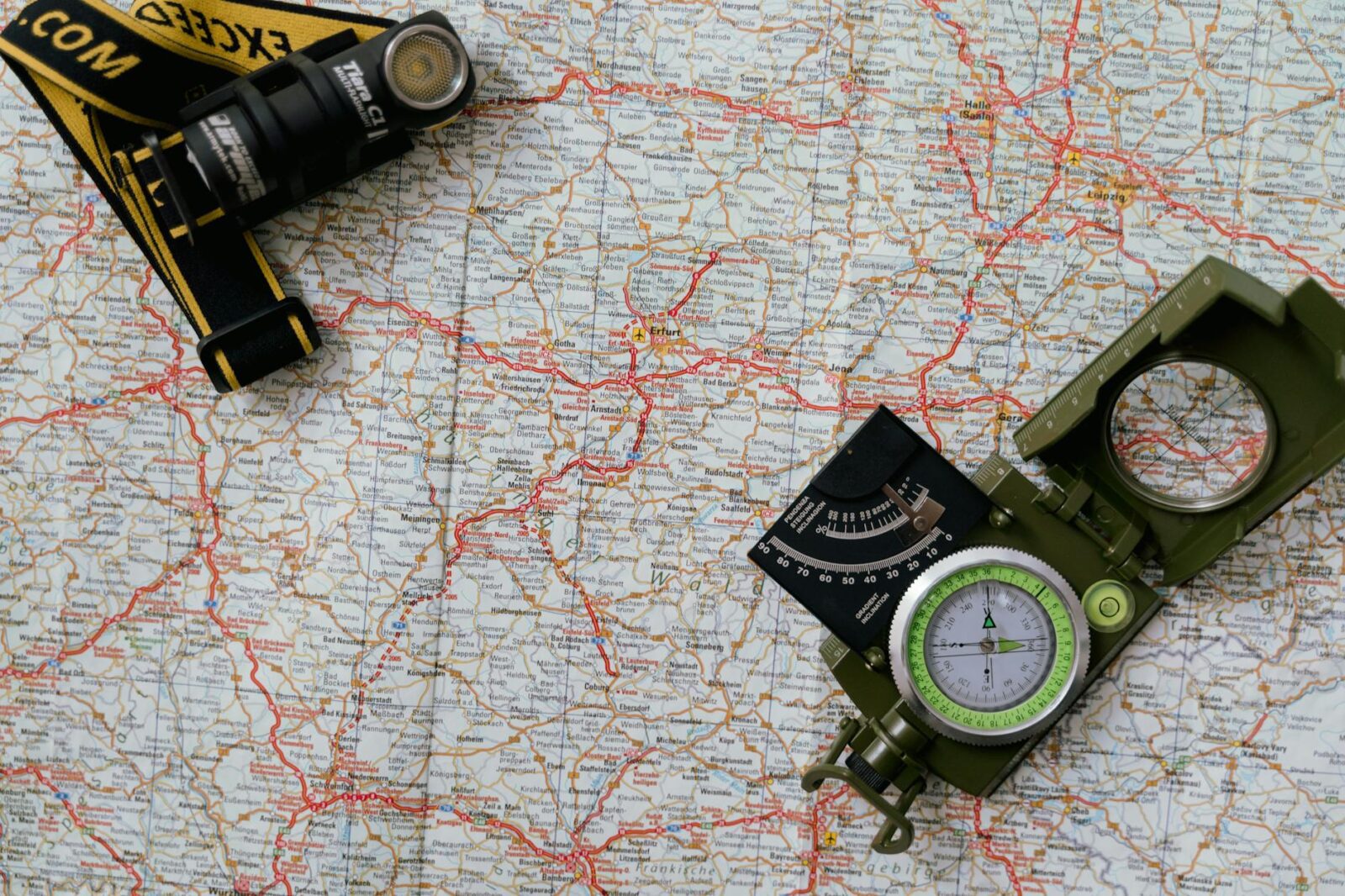
Travel Planning Checklist
Before heading to a Level 3 destination, use this checklist to ensure you’re well-prepared:
- Verify travel advisories on official government websites.
- Secure travel insurance that covers high-risk areas.
- Register with your embassy or consulate.
- Plan for health risks, including vaccinations and medications.
- Research and comply with local laws and customs.
- Stay informed with real-time news updates.
FAQs About Level 3 Travel Advisories
What is a Level 3 travel advisory?
A Level 3 travel advisory indicates that travelers should reconsider travel plans due to safety risks such as political instability, health concerns, or high crime rates.
Are travel insurance policies valid for Level 3 destinations?
Most standard travel insurance policies do not cover destinations under Level 3 advisories. It’s crucial to verify coverage specifics before traveling.
How often are travel advisories updated?
Travel advisories can be updated frequently, depending on changing conditions in a country. It’s important to check for updates regularly before and during your trip.
Can I travel to a Level 3 country?
While it’s not prohibited, traveling to a Level 3 country is discouraged. Travelers should weigh the risks and take necessary precautions if they decide to proceed.
What should I do if I’m already in a Level 3 country?
If you’re already in a Level 3 country, stay informed about local developments, follow safety protocols, and maintain contact with your embassy for support.
Conclusion: Share Your Thoughts
Understanding travel advisories is vital for safe international travel. Have you traveled to a destination under a Level 3 advisory? Share your experiences and tips in the comments. Let’s keep the conversation going to help fellow travelers make informed decisions.
Stay informed with the latest travel news, visa updates, and destination guides. Follow HimalayanCrest.com for weekly travel intelligence delivered by our editorial team.