

Why Canada is Trending in 2026
Canada is capturing global attention in 2026 as the country co-hosts the FIFA World Cup alongside the United States and Mexico, with matches hosted in Vancouver, Toronto and Montreal. This sporting surge brings a wave of travelers eager to explore beyond the stadiums, discovering Canada’s vast wilderness, vibrant cities and unique cultural festivals. The combination of world‑class events, favorable exchange rates for many currencies and a strong focus on sustainable tourism makes now an ideal time to plan a Canadian adventure. Travelers from Asia, Europe and the Americas are searching for itineraries that blend city excitement with remote natural wonders, and Canada delivers both in abundance.
Beyond the World Cup, 2026 marks the continuation of Canada’s post‑pandemic tourism rebound, with international visitor numbers approaching pre‑2020 levels. Destination Canada reports that nature‑based experiences, Indigenous cultural tours and culinary routes are growing fastest, especially in western provinces and the Atlantic provinces. The country’s extensive rail network, scenic highway routes and expanding eco‑lodges provide accessible ways to reach remote spots without sacrificing comfort. Whether you are a first‑time visitor or a returning explorer, the current travel landscape offers fresh opportunities to see Canada’s iconic sights and hidden gems.
Rocky Mountain Majesty: Banff, Jasper and Yoho
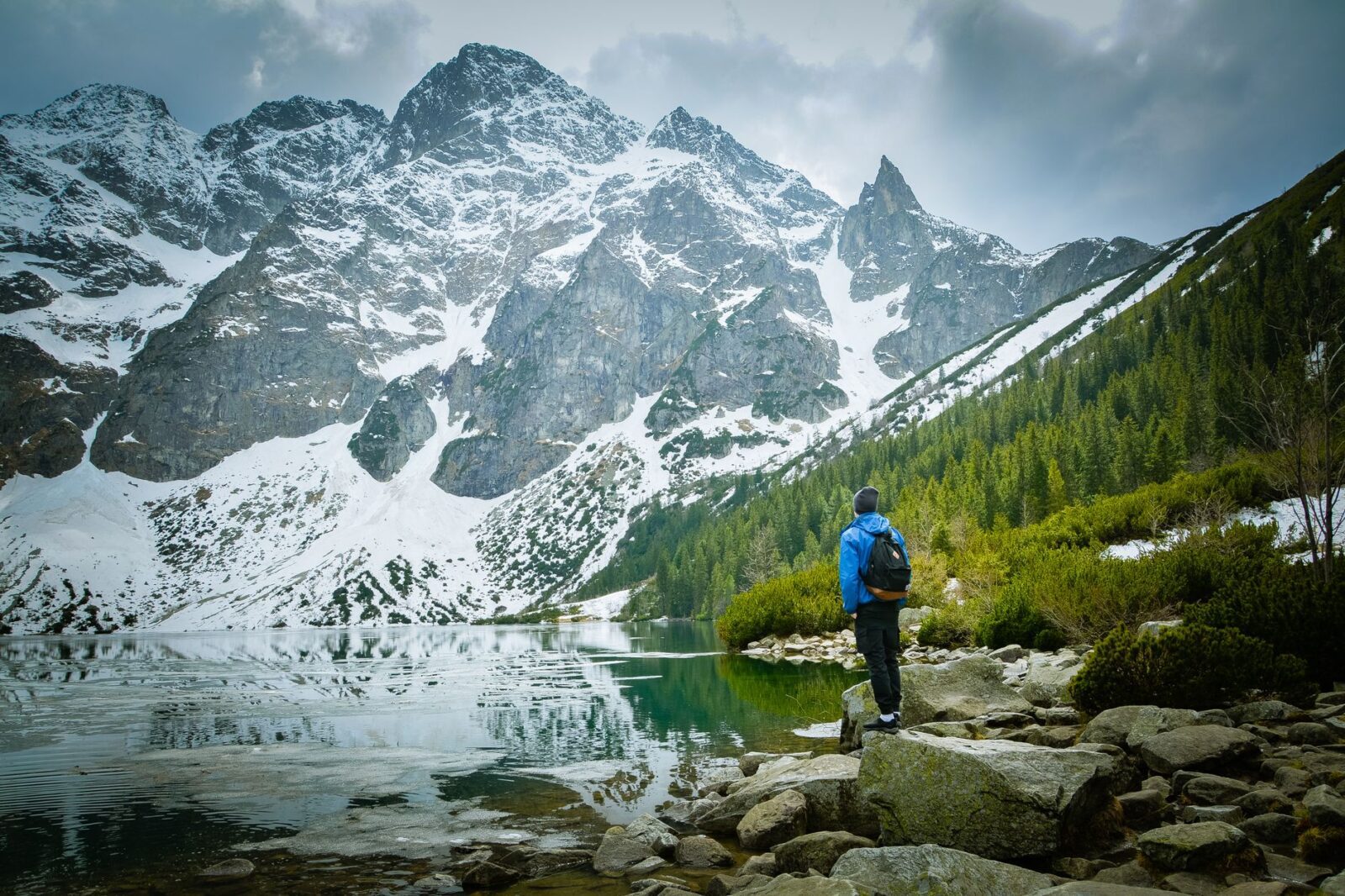
The Canadian Rockies remain the crown jewel of any Canada itinerary, and 2026 sees continued investment in trail infrastructure and wildlife protection across Banff, Jasper and Yoho national parks. Banff National Park, Canada’s first national park established in 1885, offers iconic vistas of turquoise lakes such as Lake Louise and Moraine Lake, both accessible via paved shoreline trails. A standard adult park entry fee is CAD 10.00 (approximately USD 7.50) per day, with a family pass available for CAD 20.00 (USD 15.00). Summer daytime temperatures average 20‑25 °C (68‑77 °F), while winter brings reliable snow for skiing at resorts like Sunshine Village and Lake Louise Ski Area, where lift tickets start around CAD 120 (USD 90) per day.
Jasper National Park, located north of Banff, is larger and less crowded, providing expansive backcountry opportunities. The Icefields Parkway, a 230‑kilometre stretch connecting the two parks, is frequently rated among the world’s most scenic drives; travelers should budget roughly CAD 0.20 (USD 0.15) per kilometre for fuel if driving a rental car, and expect to spend CAD 80‑120 (USD 60‑90) per night for a mid‑range lodge or cabin. Yoho National Park, though smaller, features the spectacular Takakkaw Falls and the Burgess Shale fossil beds, a UNESCO World Heritage site. Guided hikes to the fossil beds cost about CAD 80 (USD 60) per person and require advance booking through Parks Canada.
Insider tip: For a quieter experience, visit the Rockies in late September or early October when summer crowds have thinned, fall colors are at their peak, and accommodation rates drop 15‑25 %. Wildlife enthusiasts should schedule early morning drives along the Bow Valley Parkway to increase chances of spotting elk, moose and even black bears. Remember to carry bear spray, store food in wildlife‑proof lockers and respect seasonal trail closures designed to protect mating grizzlies.
Urban Vibrancy: Vancouver, Toronto and Montreal
Canada’s three largest cities each offer a distinct flavor, making them essential stops for culture, food and nightlife. Vancouver, situated on the Pacific coast, blends mountain views with a bustling waterfront. The city’s public transit system, TransLink, offers a day pass for CAD 10.50 (USD 8.00) providing unlimited access to buses, SkyTrain and SeaBus. A typical mid‑range hotel in downtown Vancouver averages CAD 180‑220 (USD 135‑165) per night in summer, while budget hostels start at CAD 45‑55 (USD 34‑41). Food lovers should explore the Granville Island Public Market, where a fresh seafood lunch costs roughly CAD 25‑35 (USD 19‑26).
Toronto, the financial capital, boasts a multicultural culinary scene reflected in neighborhoods like Chinatown, Little Italy and Greektown. The CN Tower’s EdgeWalk experience, where participants walk hands‑free along the tower’s outer rim, is priced at CAD 195 (USD 146) per person. Accommodation in the downtown core ranges from CAD 160‑210 (USD 120‑158) for a three‑star hotel, with luxury options exceeding CAD 350 (USD 262). The city’s public transit (TTC) offers a day pass for CAD 13.50 (USD 10.10). For sports fans, catching a Toronto Blue Jays game at Rogers Centre in summer 2026 will cost approximately CAD 70‑120 (USD 52‑90) depending on seat level.
Montreal, renowned for its European charm and festival calendar, hosts over 500 performances during its summer Jazz Festival, which runs from late June to early July. Festival passes start at CAD 120 (USD 90) for a three‑day package, while individual concert tickets range from CAD 30‑80 (USD 22‑60). A night in a boutique hotel in Old Montreal averages CAD 170‑210 (USD 128‑158). The city’s STM metro and bus system offers a 24‑hour pass for CAD 10.75 (USD 8.05). Food enthusiasts should not miss a poutine tour in the Plateau-Mont‑Royal district, where a classic serving costs about CAD 12‑15 (USD 9‑11).
Historic Charm: Quebec City and Cavendish (Prince Edward Island)
Quebec City’s fortified Old Town, a UNESCO World Heritage site, transports visitors to 17th‑century New France with its cobblestone streets, stone walls and the iconic Château Frontenac. Guided walking tours of the historic district typically cost CAD 35‑45 (USD 26‑34) per person and last two hours. Accommodation within the walls ranges from CAD 150‑200 (USD 112‑150) for a comfortable inn, while luxury stays at the Château Frontenac start at CAD 450 (USD 337) per night. The city’s seasonal events, such as the Winter Carnival in February and the Summer Festival in July, offer unique experiences; a Carnival ice palace entry ticket is about CAD 20 (USD 15).
On the opposite coast, Cavendish in Prince Edward Island provides a gentle maritime escape famous for its red‑sand beaches and the literary legacy of Lucy Maud Montgomery’s Anne of Green Gables. The Cavendish Beach access is free, but parking in the national park lot costs CAD 7 (USD 5) per vehicle per day. A stay in a seaside cottage or bed‑and‑breakfast averages CAD 130‑170 (USD 98‑128) nightly. Visitors can tour the Green Gables Heritage Place for CAD 12 (USD 9) adults, with discounted rates for seniors and students. Fresh lobster rolls, a local specialty, are priced around CAD 18‑22 (USD 13‑16) at waterfront shacks.
Insider tip: Combine a visit to Quebec City with a scenic train ride on VIA Rail’s “The Ocean” service to Halifax, which offers panoramic views of the St. Lawrence River and the Gaspé Peninsula. The economy fare for the Quebec City‑Halifax leg is approximately CAD 150‑180 (USD 112‑135) one‑way, and the journey takes about 16 hours, allowing travelers to break the trip with an overnight stop in Moncton or Miramichi. For Cavendish, consider renting a bicycle to explore the Confederation Trail, a 445‑kilometre converted rail line that crosses the island and provides easy access to lighthouses, farms and coastal villages.
Northern Adventures: Churchill, Yukon and the Arctic
For travelers seeking wildlife encounters and pristine tundra, Churchill, Manitoba remains a premier destination. Known as the “Polar Bear Capital of the World,” Churchill offers guided tundra vehicle tours during the peak bear season of October and November. A full‑day polar bear viewing excursion costs approximately CAD 350‑420 (USD 262‑315) per person, including transportation from the town, expert guides and a heated lunch. The town’s Itsanitaq Museum, showcasing Inuit art and artifacts, charges a modest admission of CAD 8 (USD 6). Accommodation in Churchill ranges from CAD 150‑200 (USD 112‑150) for a basic lodge to CAD 280‑350 (USD 210‑262) for a hotel with private facilities.
The Yukon Territory, famed for its gold‑rush history and expansive wilderness, draws adventurers to destinations like Whitehorse, Kluane National Park and the Dempster Highway. Whitehorse’s downtown hotels average CAD 140‑180 (USD 105‑135) per night, while wilderness lodges near Kluane start at CAD 250 (USD 188) per night, often including meals and guided hikes. A flight from Vancouver to Whitehorse typically costs CAD 250‑340 (USD 188‑255) round‑trip when booked two to three months in advance. The Dempster Highway, a gravel road stretching 740 km to Inuvik, Northwest Territories, is open from mid‑May to mid‑October; travelers should budget for extra fuel, a spare tire and provisions, as services are sparse.
Insider tip: For a unique Arctic experience, consider a northern lights viewing tour from Yellowknife, Northwest Territories, where aurora activity is high from late August to April. A three‑night package that includes accommodation, guided excursions and cold‑weather gear starts at around CAD 650 (USD 488) per person. Remember to dress in layers, wear insulated boots and protect camera batteries from the cold by keeping them close to your body.
Coastal Wonders: Vancouver Island, Whistler and the Pacific Coast Road Trip
Vancouver Island offers a diverse landscape ranging from rugged west‑coast surf beaches to lush inland forests and vibrant urban centers. Tofino, located on the island’s western edge, is celebrated for its consistent surf breaks and storm‑watching opportunities. A beginner surf lesson in Tofino averages CAD 80‑100 (USD 60‑75) per person, including board rental and instruction. Accommodation in Tofino ranges from CAD 150‑250 (USD 112‑188) for a mid‑range inn to over CAD 400 (USD 300) for oceanfront resorts. The island’s interior features the Cathedral Grove ancient forest, accessible via Highway 4 with no entry fee.
Whistler, situated north of Vancouver along the Sea‑to‑Sky Highway, remains a top destination for mountain sports year‑round. In summer, the Whistler Mountain Bike Park offers lift‑accessed trails with a day pass priced at CAD 115 (USD 86). Winter ski and snowboard lift tickets start at CAD 155 (USD 116) for adults, with discounted rates for youth and seniors. The village provides a range of lodging; a standard hotel room averages CAD 220‑280 (USD 165‑210) nightly in peak season, while budget hostels begin at CAD 55‑70 (USD 41‑52). The Peak 2 Peak Gondola, connecting Whistler and Blackcomb mountains, offers scenic rides for CAD 55 (USD 41) per adult.
The Pacific Coast Road Trip, often undertaken via Highway 101 from Victoria up to Prince Rupert, showcases dramatic coastal cliffs, fjords and Indigenous cultural sites. Travelers should budget approximately CAD 0.18 (USD 0.14) per kilometre for fuel in a midsize SUV, and expect to spend CAD 120‑180 (USD 90‑135) per night for coastal cabins or campgrounds with facilities. Ferry connections, such as the BC Ferries route from Vancouver to Victoria, cost CAD 17‑22 (USD 13‑16) for a passenger vehicle and driver, with passenger‑only fares starting at CAD 9‑12 (USD 7‑9).
Insider tip: For a quieter alternative to Tofino’s surf crowds, explore the nearby town of Ucluelet, which offers similar beach access, storm‑watching vistas and a burgeoning food scene centered on fresh seafood and farm‑to‑table fare. A night in a Ucluelet guesthouse averages CAD 130‑170 (USD 98‑128). Additionally, consider timing your Whistler visit for early June or late September when lift lines are shorter, accommodation rates dip 10‑20 % and the valley’s wildflower displays are at their peak.
Planning Your Trip: Visas, Budget, Timing and Checklist
Most international visitors to Canada require either an Electronic Travel Authorization (eTA) or a visitor visa, depending on passport nationality. Citizens of the United States, United Kingdom, European Union member states, Australia, Japan and South Korea are eligible for an eTA, which costs CAD 7 (USD 5) and is approved within minutes when applied online through the official Government of Canada website. Travelers from countries that require a visa must submit an application to the nearest Canadian visa office, with processing times averaging 15‑30 days; the visa fee is CAD 100 (USD 75) for a single‑entry permit. All travelers should ensure their passport is valid for at least six months beyond the intended date of departure.
Budgeting a Canadian trip depends heavily on travel style and season. A moderate‑budget traveler aiming for a two‑week itinerary that includes one major city, a national park stay and a coastal or northern experience can expect to spend approximately USD 2,200‑2,800. This estimate includes mid‑range accommodation (USD 130‑180 per night), meals (USD 40‑60 per day), local transport (USD 15‑25 per day) and activity fees (USD 80‑150 per major excursion). Luxury travelers should add 40‑60 % for upscale hotels, private guided tours and fine dining, while backpackers can reduce costs to USD 1,200‑1,600 by opting for hostels, self‑catering and public transit.
The best time to visit varies by region. For the Rocky Mountains and Vancouver, late June to early September offers warm weather and full access to hiking trails and ski resorts (though summer glacier skiing is limited). For fall colors and polar bear viewing in Churchill, target mid‑October to mid‑November. Eastern Canada’s cities and Quebec City are pleasant from May to October, with July and August being the warmest but also the busiest. Winter sports enthusiasts should plan visits to Whistler, Banff or Mont‑Tremblant from December to March, when reliable snowpack ensures excellent ski conditions.
Practical checklist: 1) Verify entry requirements (eTA or visa) and apply at least one week before departure. 2) Purchase travel insurance that covers medical evacuation, especially if planning remote or adventure activities. 3) Reserve accommodation and major tours (e.g., polar bear tours, train journeys) two to three months in advance for peak seasons. 4) Pack layered clothing, waterproof outerwear and sturdy footwear suitable for changing mountain and coastal weather. 5) Download offline maps and the Parks Canada app for trail information and wildlife alerts. 6) Notify your bank of international travel to avoid card blocks, and consider carrying a small amount of Canadian dollars for rural vendors that may not accept cards.
Frequently Asked Questions
Do I need a visa to visit Canada if I hold a US passport?
No. United States citizens are exempt from both the eTA and visitor visa requirements for short stays (up to six months) for tourism, business or family visits. You only need a valid US passport that remains valid for the duration of your stay. However, if you plan to work, study or stay longer than six months, you must apply for the appropriate permit through Immigration, Refugees and Citizenship Canada (IRCC).
What is the most affordable way to travel between Vancouver and Toronto?
The most cost‑effective option is usually a domestic flight with a budget carrier such as Flair Airlines or Swoop, where one‑way fares can be as low as USD 70‑90 when booked six to eight weeks ahead. Alternatively, VIA Rail’s “The Canadian” train offers a scenic journey lasting approximately 86 hours; economy class seats start around USD 220‑260 one‑way, providing a unique experience albeit at a higher price and longer travel time. For the truly budget‑conscious, a combination of a discounted flight to Calgary followed by a rental car or bus to Toronto can sometimes undercut direct flights, but requires careful timing.
When is the best time to see the northern lights in Canada?
The aurora borealis is visible across northern Canada from late August through April, with peak activity typically occurring around the equinoxes in September‑October and March‑April. Locations such as Yellowknife (Northwest Territories), Whitehorse (Yukon) and Churchill (Manitoba) offer high probabilities of clear, dark skies. To maximize your chances, aim for a stay of at least three nights during a new moon period, check local aurora forecasts, and choose accommodations away from town lights.
Are there any travel restrictions or health requirements for entering Canada in 2026?
As of August 2026, Canada has lifted all COVID‑19‑related entry restrictions. Travelers are no longer required to show proof of vaccination, a negative test result or to quarantine upon arrival. Standard health recommendations remain: ensure routine vaccinations are up to date, consider travel insurance that covers medical care, and bring any personal prescription medication in its original packaging with a copy of the prescription. There are no mandatory vaccinations for entry, though Hepatitis A and B are recommended for travelers planning extended stays or rural travel.
Stay informed with the latest travel news, visa updates, and destination guides. Follow HimalayanCrest.com for weekly travel intelligence delivered by our editorial team.