

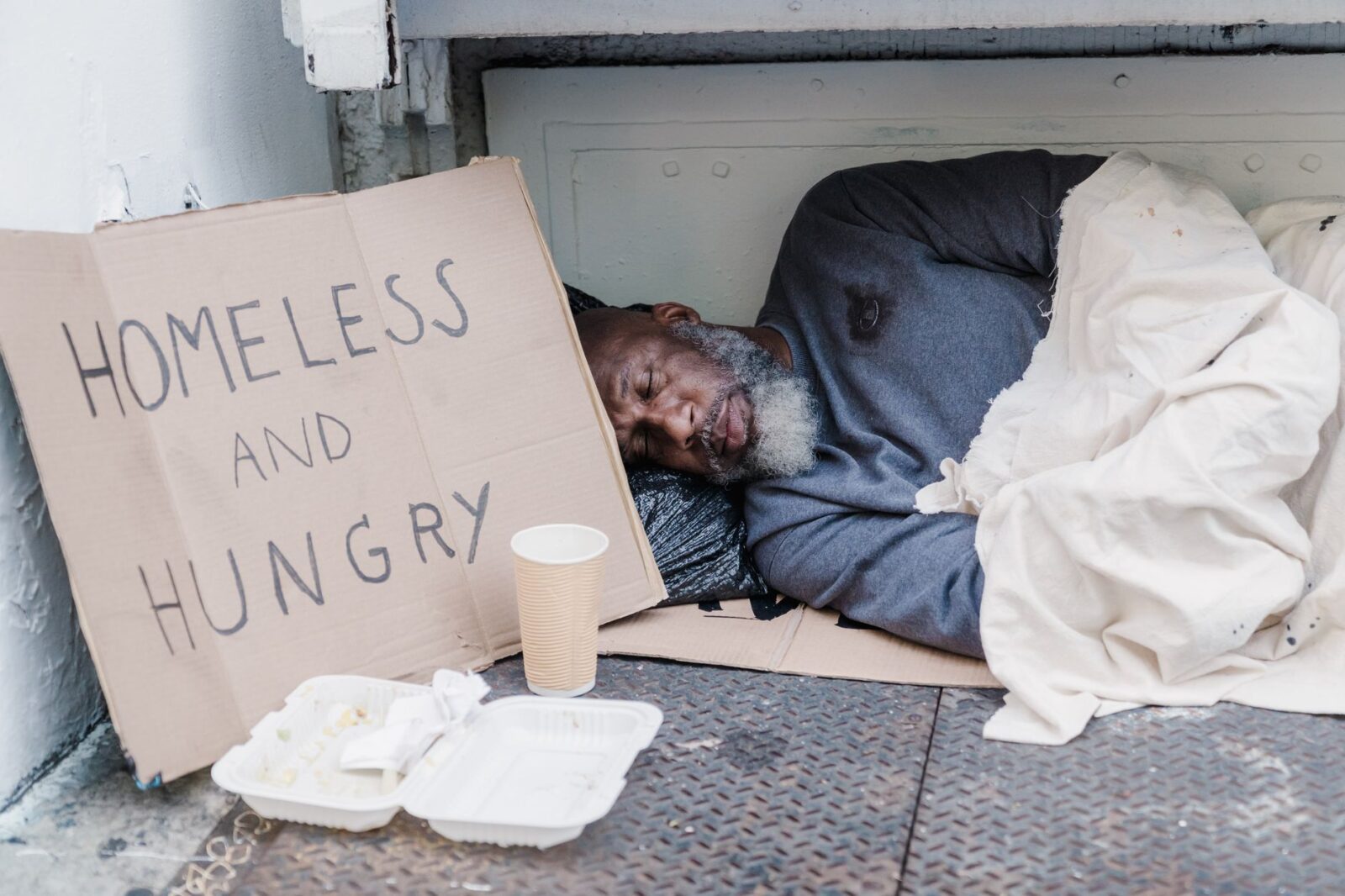
UK Prime Minister Launches National Drive to Get Everyone Off the Streets by Christmas
On 19 August 2026, Prime Minister Andy Burnham announced a new national drive aimed at offering everyone who sleeps rough a route off the streets by Christmas. The initiative is backed by an immediate injection of £442 million from the Ministry of Housing, Communities and Local Government (MHCLG) budget. This marks the first major milestone in Burnham’s pledge to end rough sleeping, which he set out shortly after taking office. The announcement was made outside 10 Downing Street and quickly picked up by national media outlets.
The drive focuses on providing emergency accommodation and longer‑term housing solutions, coupled with support for health, employment and other basic needs. By learning from approaches used during the pandemic, the government hopes to transition people from temporary shelters into settled homes. Local authorities with the greatest need will receive the largest share of the funding. The programme is described as fully funded within existing MHCLG budgets, meaning no new taxation is required.
What the £442 Million Package Includes
The £442 million package will fund new accommodation units, refurbish existing shelters and expand outreach teams across England. Specific allocations include money for rapid‑build housing, mental health services and substance‑misuse support. Areas with the highest concentrations of rough sleepers, such as London, Manchester and Birmingham, are slated to receive the largest portions. The funding also covers training for council staff and voluntary sector workers who will deliver the on‑the‑ground assistance.
In addition to bricks and mortar, the package emphasizes a “housing first” model, whereby individuals are offered a stable home before being asked to address other challenges such as unemployment or addiction. This approach has shown success in reducing repeat homelessness in pilot schemes. The government says the winter timing is critical, as cold weather dramatically increases health risks for people living on the streets.
Who Is Affected by the Initiative
The primary target group consists of anyone currently sleeping rough in England, regardless of nationality or immigration status. This includes UK nationals, EU citizens, refugees, asylum seekers and undocumented migrants who find themselves without shelter. Local authorities are instructed to offer assistance to anyone who presents as homeless, without first checking their right to reside in the country.
Because the drive does not impose immigration checks before offering shelter, it may provide a safety net for some visa holders who have fallen into homelessness due to job loss, relationship breakdown or other crises. However, receiving emergency accommodation does not automatically grant or extend any immigration rights.

Implications for Visa Holders, Expats and International Residents
For individuals on work, student or family visas, the scheme does not change the conditions of their leave to remain. Access to the emergency housing and support services is based on homelessness status, not on visa category. Nevertheless, visa holders who become homeless may still be subject to the “no recourse to public funds” (NRPF) condition that applies to many visa types.
If a visa holder with NRPF receives accommodation funded by the UK government, this could be considered receipt of public funds, potentially breaching visa conditions. The government has clarified that the emergency shelter offered under this drive is classified as a humanitarian intervention and does not count as public funds for immigration purposes. Still, individuals should seek advice from an immigration solicitor if they are unsure.
Expats and long‑term residents who hold indefinite leave to remain or settled status are fully eligible for all aspects of the programme without immigration concerns.
Step‑by‑Step Guidance for Those at Risk of Homelessness
If you or someone you know is sleeping rough or facing imminent loss of housing, the first step is to contact the local council’s homelessness department. Most councils operate a 24‑hour hotline that can be found on the council’s website. You can also call the national homelessness helpline at 0808 800 4444 for immediate advice.
When you reach out, be prepared to provide basic personal details, information about your current sleeping arrangements and any health or safety concerns. The council will assess your situation and, if eligible, offer a place in emergency accommodation or direct you to a nearby shelter.
For visa holders worried about NRPF, it is advisable to consult an immigration adviser before accepting any longer‑term housing offer that might be classified as public funds. Many law centres and charities offer free consultations; a list can be accessed via the UK Visas and Immigration website.

Global Context – How the UK Approach Compares
The United Kingdom’s winter homelessness drive echoes similar seasonal initiatives in other wealthy nations. In Germany, the “Winterhilfe” programme provides temporary shelters and hot meals during the coldest months, funded by municipal budgets and charitable donations. Canada’s “Reaching Home” strategy funds community‑based projects that aim to prevent homelessness year‑round, with extra resources allocated for winter outreach.
In the United States, many cities operate “Code Blue” alerts when temperatures drop below freezing, triggering the opening of additional shelter beds and transportation services. Unlike the UK’s centrally funded £442 million package, these US efforts often rely on a patchwork of federal, state and local funding, which can lead to uneven coverage.
What distinguishes the UK’s current drive is the explicit link between emergency accommodation and a longer‑term housing first pathway, backed by a substantial, centrally allocated budget that is announced well ahead of the winter season.
What This Means for Investors, Digital Nomads and Citizenship Seekers
From an investment perspective, the government’s commitment to reducing rough sleeping may enhance the UK’s reputation as a socially responsible destination, potentially influencing decisions about where to establish businesses or purchase property. A visible effort to tackle homelessness can improve urban livability, which is a factor cited by many multinational firms when choosing European headquarters.
Digital nomads and remote workers who consider the UK as a base may find the increased availability of short‑term housing and support services reassuring, especially if they encounter unexpected personal difficulties while abroad. However, the scheme does not create any new visa pathways or relax existing immigration rules for remote workers.
For individuals pursuing citizenship through naturalisation, the drive does not alter the residency or good character requirements. Demonstrating integration and contributing to society remains the core of the citizenship assessment, and participation in community volunteer programmes related to the homelessness initiative could be viewed positively, though it is not a formal criterion.
Frequently Asked Questions
Does the Christmas rough sleeping drive change any visa rules?
No. The initiative is purely a housing and social support programme. It does not amend the Immigration Rules, introduce new visa categories or alter existing conditions such as the no recourse to public funds restriction.
Can asylum seekers access the emergency accommodation offered under this drive?
Yes. Asylum seekers who are sleeping rough are eligible for the same emergency shelter and support services as anyone else, regardless of the status of their asylum claim.
Will receiving emergency shelter affect my ability to extend or switch my visa?
Receiving emergency accommodation under this drive is not counted as recourse to public funds for immigration purposes, so it should not negatively impact a visa extension or switch. However, individual circumstances vary, and seeking professional immigration advice is recommended if you have concerns.
How can I find out if my local council is participating in the programme?
All councils in England are expected to participate, but the level of provision may differ. You can check your council’s website for announcements about winter homelessness provision or contact the housing department directly. The MHCLG also publishes a list of funded projects on its official site.
Is there any cost to the individual for using the emergency accommodation?
No. The accommodation and associated support services are provided free of charge to the user, funded entirely by the £442 million government package.
Stay informed with the latest travel news, visa updates, and destination guides. Follow HimalayanCrest.com for weekly travel intelligence delivered by our editorial team.