

Discovering a Hidden Piece of Trans History
In the rolling hills of the Catskills, a secret resort once thrived, providing a safe haven for transfeminine cross-dressers and trans women. Casa Susanna, as it came to be known, was a pioneering establishment that offered a unique experience for its guests, allowing them to express themselves freely in a supportive and inclusive environment. The resort’s history is a fascinating tale of community, resilience, and the power of human connection. As we delve into the story of Casa Susanna, we’ll explore its significance, the impact it had on the lives of its guests, and what it means for travelers today.
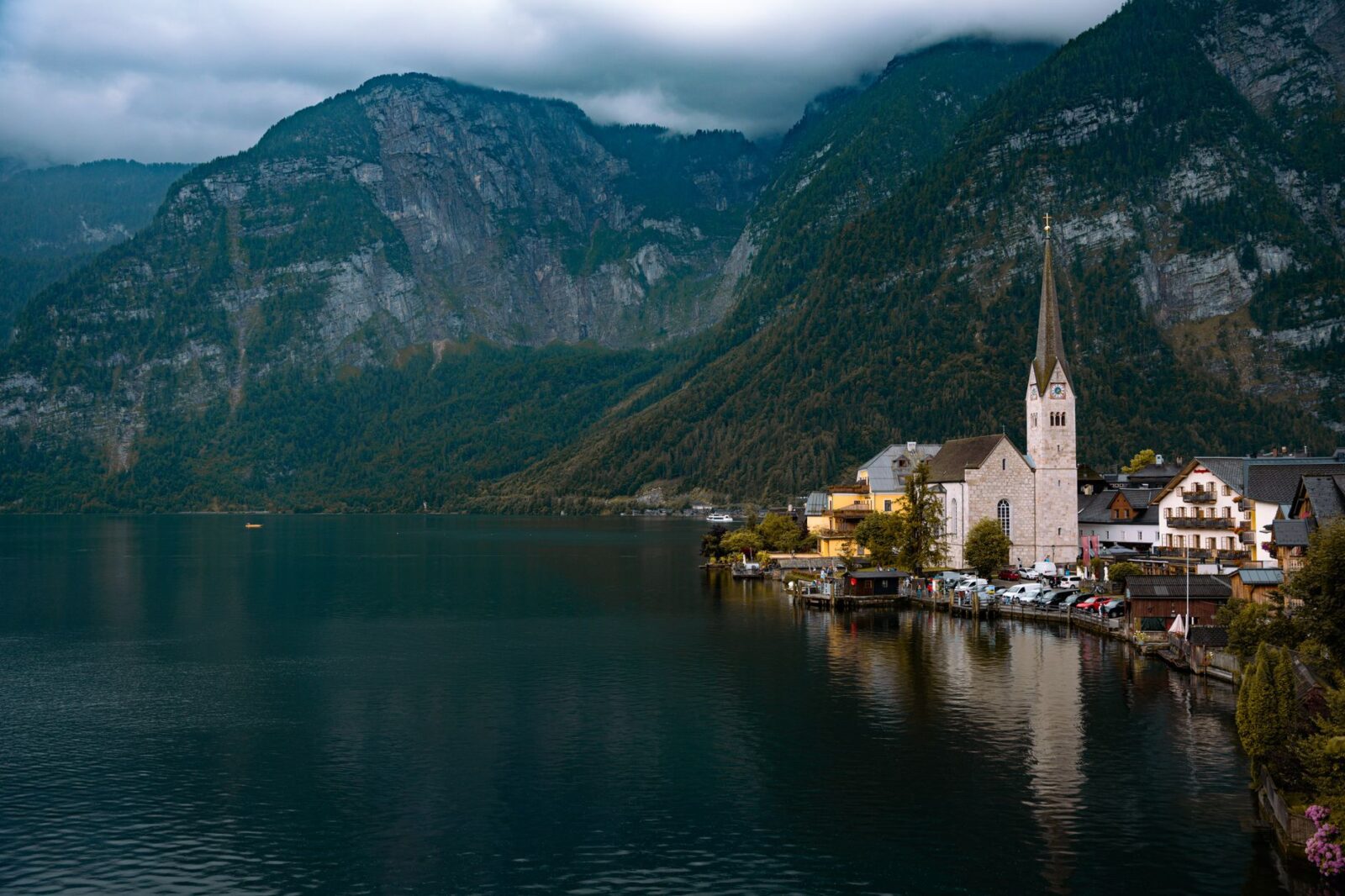
For those who may not be familiar with the Catskills, this scenic region in upstate New York has long been a popular destination for outdoor enthusiasts and city dwellers looking to escape the hustle and bustle of urban life. The area is home to numerous resorts, hotels, and bed-and-breakfasts, each offering a unique experience for visitors. However, Casa Susanna was different from the rest, as it catered specifically to a community that was often marginalized and excluded from mainstream society.
The History of Casa Susanna
Casa Susanna was founded in the late 1950s by Susanna Valenti, a visionary entrepreneur who recognized the need for a safe space where cross-dressers and trans women could gather, socialize, and express themselves without fear of persecution or judgment. The resort was initially called Chevalier D’Éon, named after a historic French spy who was known for his cross-dressing exploits. Over time, the establishment evolved, and its name was changed to Casa Susanna, which became a beacon of hope and acceptance for the trans community.
During its heyday, Casa Susanna was a thriving community, with guests coming from all over the country to experience the resort’s unique atmosphere. For just $25 (approximately $260 in today’s currency), visitors could enjoy a weekend of festivities, including parties, dances, and other social events. The resort’s popularity was largely due to its discreet and welcoming nature, which allowed guests to feel comfortable and confident in their own skin.
Global Travel Trends and the Significance of Casa Susanna
In recent years, the travel industry has witnessed a significant shift towards inclusivity and diversity, with many destinations and establishments catering to the needs of LGBTQ+ travelers. The story of Casa Susanna is a testament to the power of community and the importance of creating safe spaces for marginalized groups. As the world becomes increasingly interconnected, it’s essential to recognize the value of diversity and promote understanding, acceptance, and empathy towards all individuals, regardless of their background or identity.
The Catskills region, in particular, has a rich history of welcoming outsiders and providing a haven for those seeking refuge from the stresses of urban life. The area’s natural beauty, combined with its vibrant cultural scene, makes it an attractive destination for travelers from all over the world. As the travel industry continues to evolve, it’s crucial to acknowledge the significance of establishments like Casa Susanna, which paved the way for future generations of LGBTQ+ travelers.

Practical Implications for Travelers
For travelers planning to visit the Catskills, it’s essential to be aware of the region’s history and the significance of Casa Susanna. While the resort itself is no longer in operation, its legacy lives on, and visitors can still experience the area’s unique charm and hospitality. The Catskills offer a wide range of activities, from hiking and skiing to exploring local art galleries and enjoying the region’s renowned cuisine.
Travelers can also visit the nearby town of Phoenicia, which has a thriving LGBTQ+ community and hosts various events and festivals throughout the year. The area is also home to numerous bed-and-breakfasts and hotels that cater to LGBTQ+ travelers, providing a safe and welcoming environment for all guests.
Expert Analysis and Future Outlook
As the travel industry continues to grow and evolve, it’s likely that we’ll see more destinations and establishments catering to the needs of LGBTQ+ travelers. The story of Casa Susanna serves as a reminder of the importance of creating safe spaces and promoting inclusivity, and its legacy will undoubtedly inspire future generations of travelers and entrepreneurs.
According to travel experts, the demand for LGBTQ+-friendly destinations is on the rise, with many travelers seeking out experiences that cater to their specific needs and preferences. As a result, we can expect to see more establishments and destinations emerging that prioritize inclusivity and diversity, providing a welcoming environment for all travelers, regardless of their background or identity.
Cost Implications and Budget Adjustments
For travelers planning to visit the Catskills, it’s essential to be aware of the costs associated with visiting the region. The area offers a wide range of accommodations, from budget-friendly bed-and-breakfasts to luxury resorts, so travelers can choose the option that best suits their budget.
The cost of visiting the Catskills can vary depending on the time of year and the activities you plan to enjoy. During peak season, prices for accommodations and activities may be higher, so it’s essential to plan ahead and book in advance to avoid any unnecessary expenses. Travelers can expect to pay around $100-200 per night for a mid-range hotel or bed-and-breakfast, while luxury resorts may cost upwards of $500-1000 per night.
Conclusion and Future Directions
In conclusion, the story of Casa Susanna is a powerful reminder of the importance of creating safe spaces and promoting inclusivity. As the travel industry continues to evolve, it’s essential to recognize the value of diversity and cater to the needs of all travelers, regardless of their background or identity. By promoting understanding, acceptance, and empathy, we can create a more welcoming and inclusive environment for all, and ensure that the legacy of Casa Susanna lives on for generations to come.
Frequently Asked Questions
Q: What was Casa Susanna, and why is it significant? Casa Susanna was a pioneering resort in the Catskills that catered specifically to transfeminine cross-dressers and trans women. Its significance lies in its role as a safe space for marginalized individuals and its contribution to the LGBTQ+ community.
Q: Where is the Catskills region, and what does it offer to travelers? The Catskills region is located in upstate New York and offers a wide range of activities, from outdoor pursuits to cultural events and festivals. The area is known for its natural beauty, vibrant community, and welcoming atmosphere.
Q: What can travelers expect to pay when visiting the Catskills? The cost of visiting the Catskills can vary depending on the time of year and the activities you plan to enjoy. Travelers can expect to pay around $100-200 per night for a mid-range hotel or bed-and-breakfast, while luxury resorts may cost upwards of $500-1000 per night.
Q: Are there any LGBTQ+-friendly destinations in the Catskills? Yes, the Catskills region has a thriving LGBTQ+ community, with numerous bed-and-breakfasts and hotels that cater to LGBTQ+ travelers. The area also hosts various events and festivals throughout the year, making it an attractive destination for LGBTQ+ travelers.
Q: What is the future outlook for LGBTQ+ travel, and how will it impact the travel industry? The demand for LGBTQ+-friendly destinations is on the rise, with many travelers seeking out experiences that cater to their specific needs and preferences. As a result, we can expect to see more establishments and destinations emerging that prioritize inclusivity and diversity, providing a welcoming environment for all travelers, regardless of their background or identity.
Stay informed with the latest travel news, visa updates, and destination guides. Follow HimalayanCrest.com for weekly travel intelligence delivered by our editorial team.