

A Revolutionary Step in Crime Prevention
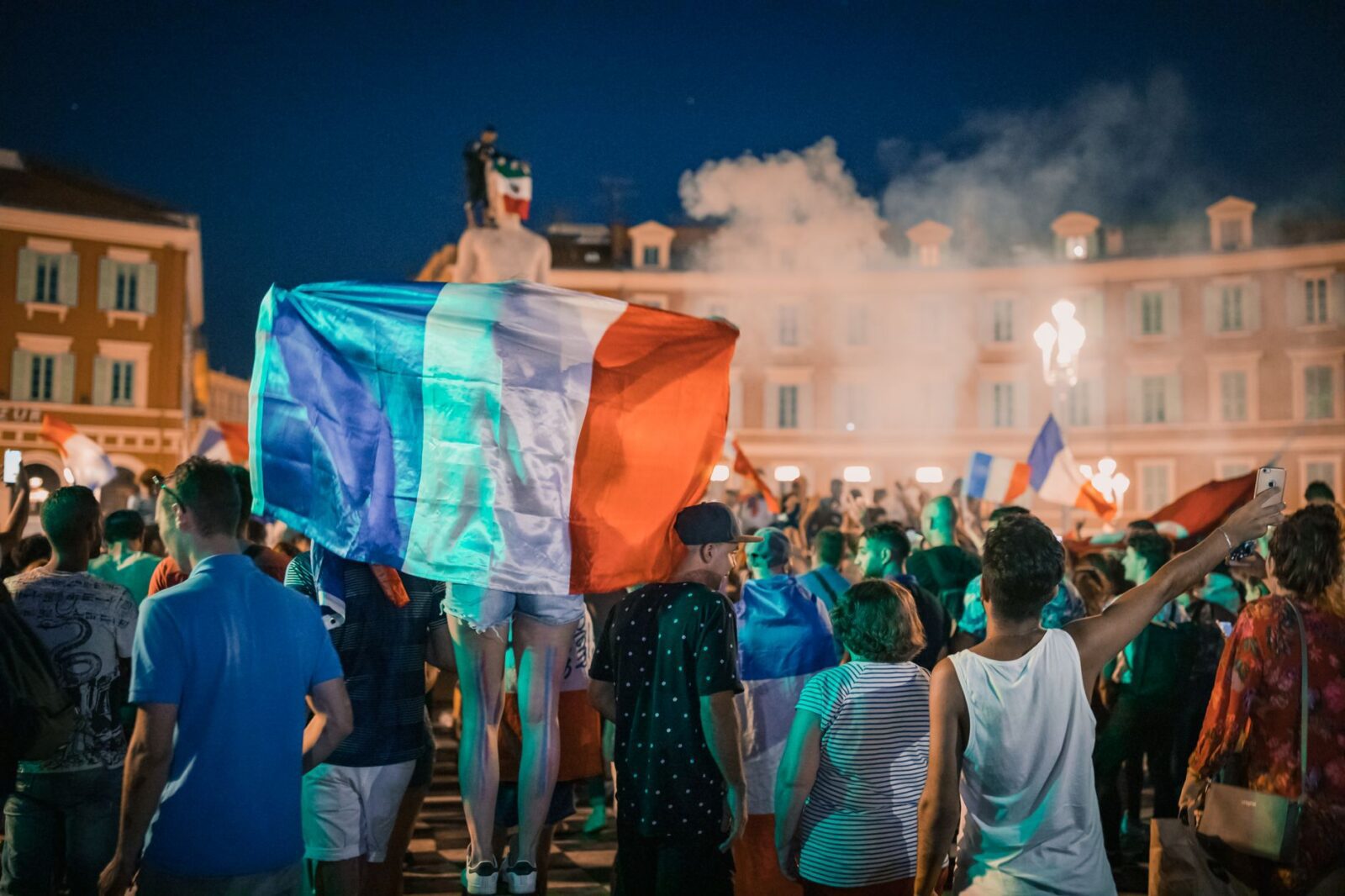
The sight of fans celebrating in the streets, pubs, and stadiums is synonymous with the World Cup. Yet, this year, 7,300 offenders in the UK will experience a different kind of celebration — one that involves sobriety. In a bid to tackle alcohol-fueled crime, the UK government has introduced a groundbreaking measure during the 2026 World Cup: alcohol-monitoring tags for offenders.
Understanding the Alcohol Tag Technology
The alcohol tags are a marvel of modern technology, operating around the clock to analyze the sweat of the wearer for alcohol content. This innovative approach ensures that offenders remain sober, significantly reducing the risk of alcohol-related crimes during the high-energy World Cup period. If an offender consumes alcohol, the device sends an alert to their probation officer, prompting swift action such as a court order or imprisonment.
Who Is Affected by This Policy?
This policy primarily affects individuals who have been released from prison or are serving community sentences. These offenders have been identified as at risk of reoffending when under the influence of alcohol. The tags aim to prevent potential disruptions, ensuring the safety and enjoyment of all during the tournament.
Steps for Affected Offenders
Offenders required to wear these tags should adhere to the following steps:
- Ensure the tag is worn at all times during the World Cup.
- Avoid alcohol consumption to prevent legal repercussions.
- Regularly check in with their probation officer as required.
These steps are crucial in maintaining compliance with the terms of their release or community sentence.
A Global Perspective on Alcohol Control
While the UK is pioneering this alcohol-monitoring technology, other countries have adopted different strategies to manage alcohol consumption during major events. For instance, Qatar, during the 2022 World Cup, implemented strict regulations on alcohol sales. Similarly, countries like Brazil and South Africa have introduced temporary alcohol bans during major sporting events to curb violence and disorder.
Implications for Investors and Digital Nomads
For investors and digital nomads considering the UK as a destination, this policy highlights the country’s proactive approach to public safety. It reflects a commitment to maintaining order, potentially making the UK an attractive option for those seeking a stable environment. The use of technology to address societal issues may also inspire confidence among potential investors.
Future Outlook and Considerations
The success of this initiative could pave the way for broader adoption of alcohol-monitoring technology across various sectors. If proven effective, it may lead to policy adaptations in other countries facing similar challenges. Additionally, this approach could extend beyond sporting events to everyday scenarios, providing a tool for managing alcohol-related issues globally.
Frequently Asked Questions
What are alcohol tags, and how do they work?
Alcohol tags are wearable devices that monitor alcohol consumption by analyzing the sweat of the wearer 24/7. They alert probation officers if alcohol is detected.
Why has the UK implemented this policy during the World Cup?
The policy aims to reduce alcohol-fueled crime, which costs the UK economy approximately £21 billion annually. The World Cup’s high spirits and gatherings often lead to increased alcohol consumption, making it an ideal time to implement such measures.
What should offenders do if they are required to wear an alcohol tag?
Offenders should comply by wearing the tag at all times, avoiding alcohol, and maintaining communication with their probation officers to avoid penalties.
Could this policy be adopted in other countries?
While the UK is currently leading this initiative, other countries may consider similar measures if proven successful, especially those facing significant alcohol-related crime issues.
How does this affect the general public during the World Cup?
The policy aims to enhance public safety, ensuring that everyone can enjoy the World Cup festivities without the threat of alcohol-related disturbances.
As the world watches the UK tackle alcohol-fueled crime during the World Cup, it sets a precedent for innovative crime prevention. We invite readers to share their thoughts on this approach and its potential global implications in the comments below.
Stay informed with the latest travel news, visa updates, and destination guides. Follow HimalayanCrest.com for weekly travel intelligence delivered by our editorial team.