

A Journey Under the Arctic Sky
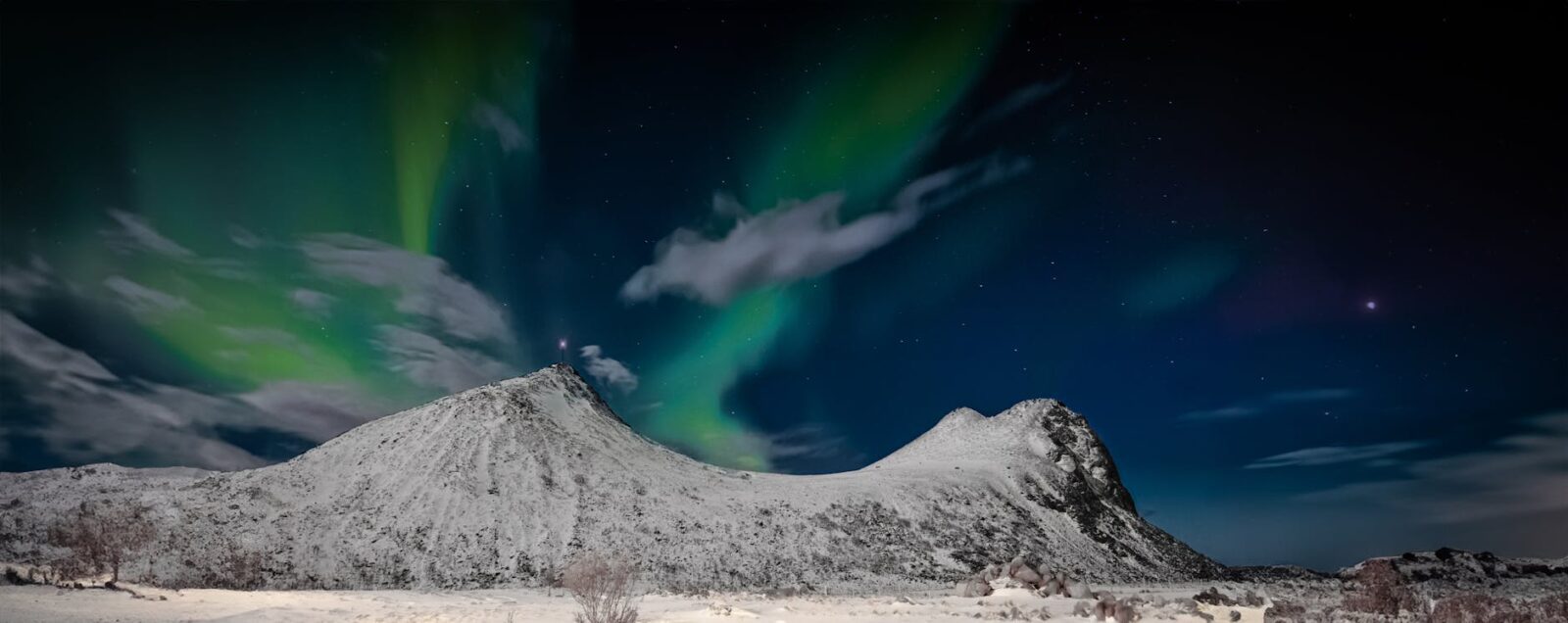
Picture this: the crisp, cold air of Iceland in winter as you step out of your cozy cabin, snow crunching beneath your boots. Above, the night sky dances with the ethereal glow of the northern lights, painting streaks of green and purple across the horizon. This is Iceland, a land of fire and ice, where winter transforms the landscape into a surreal wonderland.
Why Iceland is a Winter Wonderland
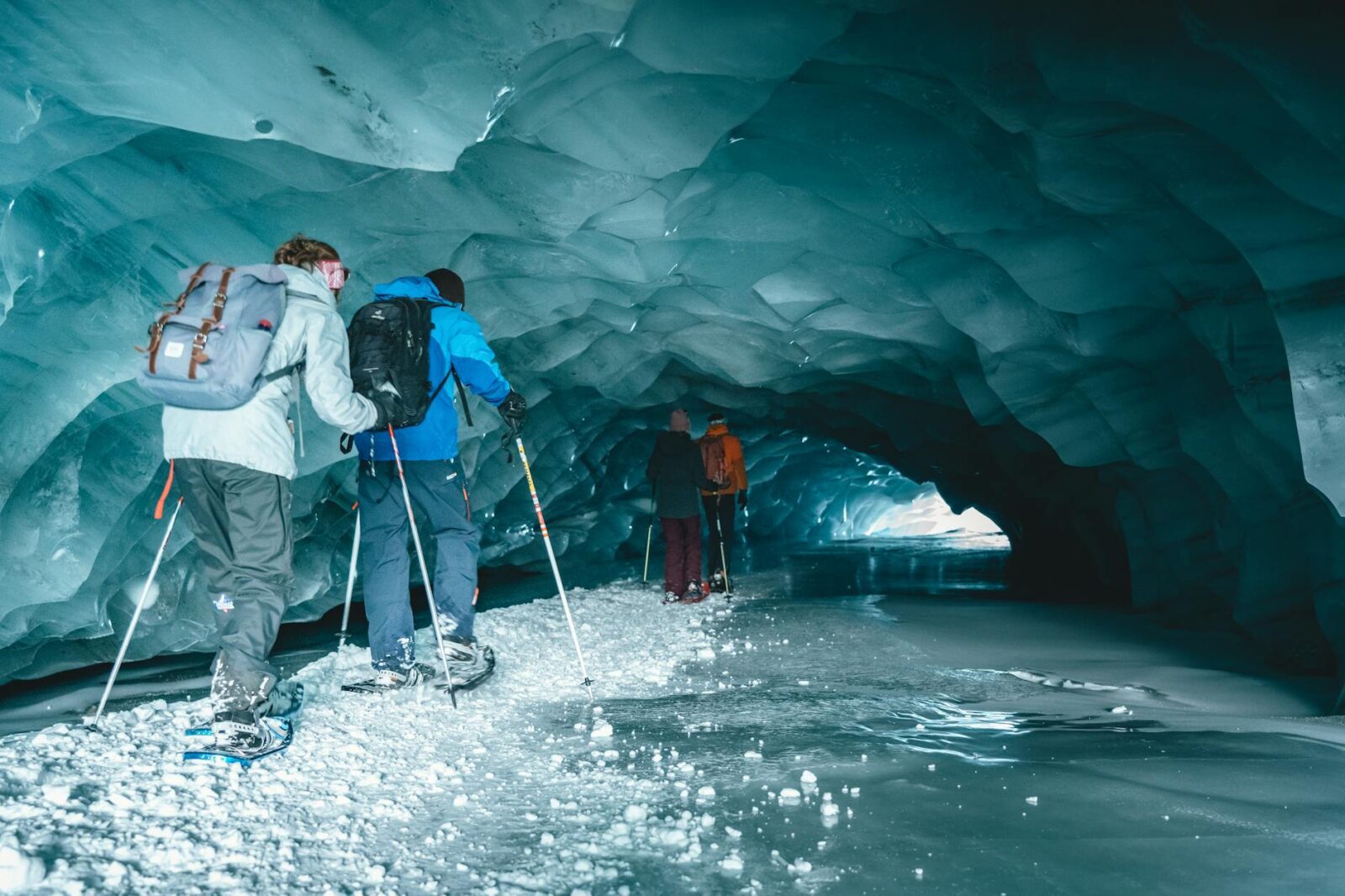
While summer attracts its fair share of tourists, Iceland in winter is an entirely different experience. The country’s geothermal activity means that while snow blankets the ground, hot springs and geysers bubble with warmth. The northern lights, visible from September to April, are a mesmerizing spectacle that draws visitors from around the globe. Winter is also the perfect time for glacier hiking and exploring ice caves, which are inaccessible during warmer months.
When to Visit for the Best Experience
Iceland’s winter season runs from November to March, with the best chances to see the northern lights occurring between December and February. During these months, daylight is limited to just four to six hours, adding an element of magic to the long, dark nights. Be prepared for temperatures ranging from 28°F to 38°F (-2°C to 3°C), often accompanied by strong winds and snowfall.
Where to Stay: From Cozy Cabins to Luxury Retreats
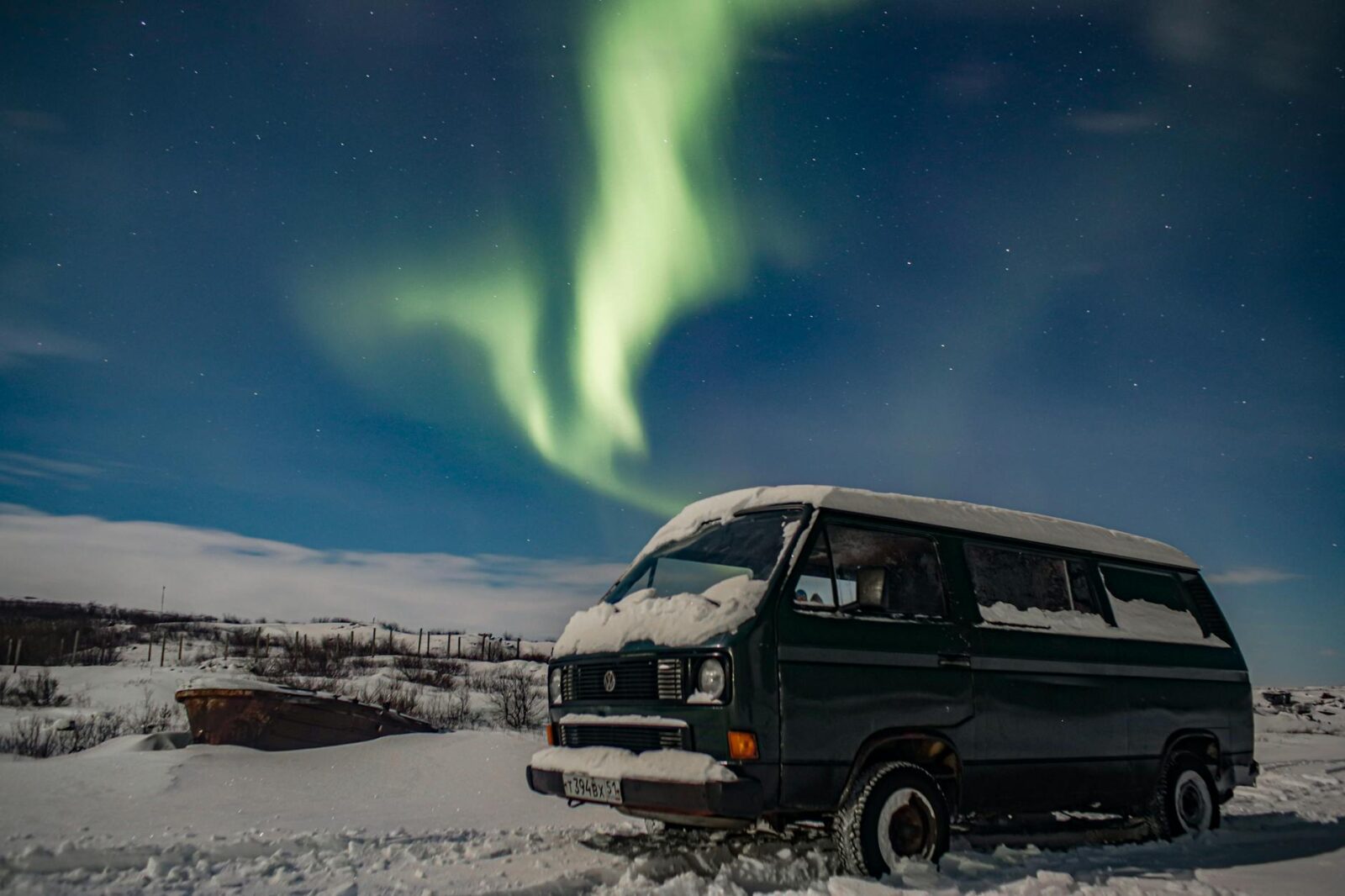
For budget travelers, Reykjavik offers hostels and guesthouses starting at $30-$50 per night. Mid-range options in the city, such as boutique hotels, cost around $80-$150. For those seeking luxury, the Retreat at Blue Lagoon offers an exclusive experience for $200+ per night, complete with access to the iconic geothermal spa.
Unmissable Experiences in Iceland
Start your journey along the Ring Road, Iceland’s main highway that encircles the island. Key stops include the black sand beaches of Vik, the majestic Gullfoss waterfall, and the geothermal wonderland of Geysir. Don’t miss the chance to explore Vatnajökull National Park, home to Europe’s largest glacier and stunning ice caves.
Culinary Delights: Icelandic Cuisine
Icelandic cuisine is a feast for the senses. Try ‘hákarl’ (fermented shark) if you’re feeling adventurous, or savor a hearty lamb stew. Reykjavik’s food scene is vibrant, with numerous eateries offering traditional dishes and modern twists. Expect to pay around $15-$25 for a meal at a mid-range restaurant.
Travel Logistics: Getting There and Around
Most international flights arrive at Keflavik International Airport, about 50 km from Reykjavik. Renting a car is the best way to explore, but be prepared for challenging winter driving conditions. As of 2026, citizens from many countries can visit Iceland visa-free for up to 90 days. Always check the latest visa requirements on official government websites.
Cultural Insights and Common Pitfalls
Icelanders are known for their hospitality and love for nature. Respecting the environment is crucial, as is familiarizing yourself with local customs such as removing shoes when entering homes. Avoid driving off-road, which is illegal and can cause significant environmental damage.
Frequently Asked Questions
When is the best time to see the northern lights in Iceland?
The northern lights are best seen from late September to early April, with peak viewing from December to February.
Do I need a special driver’s license to rent a car in Iceland?
A standard international driving license is sufficient for renting a car in Iceland, but ensure you are comfortable driving in winter conditions.
What is the currency in Iceland, and can I use USD?
Iceland uses the Icelandic króna (ISK). While some places may accept USD, it is advisable to use local currency for transactions.
Are hot springs open in winter?
Yes, many hot springs remain open in winter. Popular spots include the Blue Lagoon and the Secret Lagoon, offering a unique experience of soaking in warm waters surrounded by snow.
What should I pack for a winter trip to Iceland?
Pack warm, layered clothing, waterproof outerwear, sturdy boots, and thermal accessories like gloves and hats to stay comfortable in Iceland’s cold climate.
Stay informed with the latest travel news, visa updates, and destination guides. Follow HimalayanCrest.com for weekly travel intelligence delivered by our editorial team.