

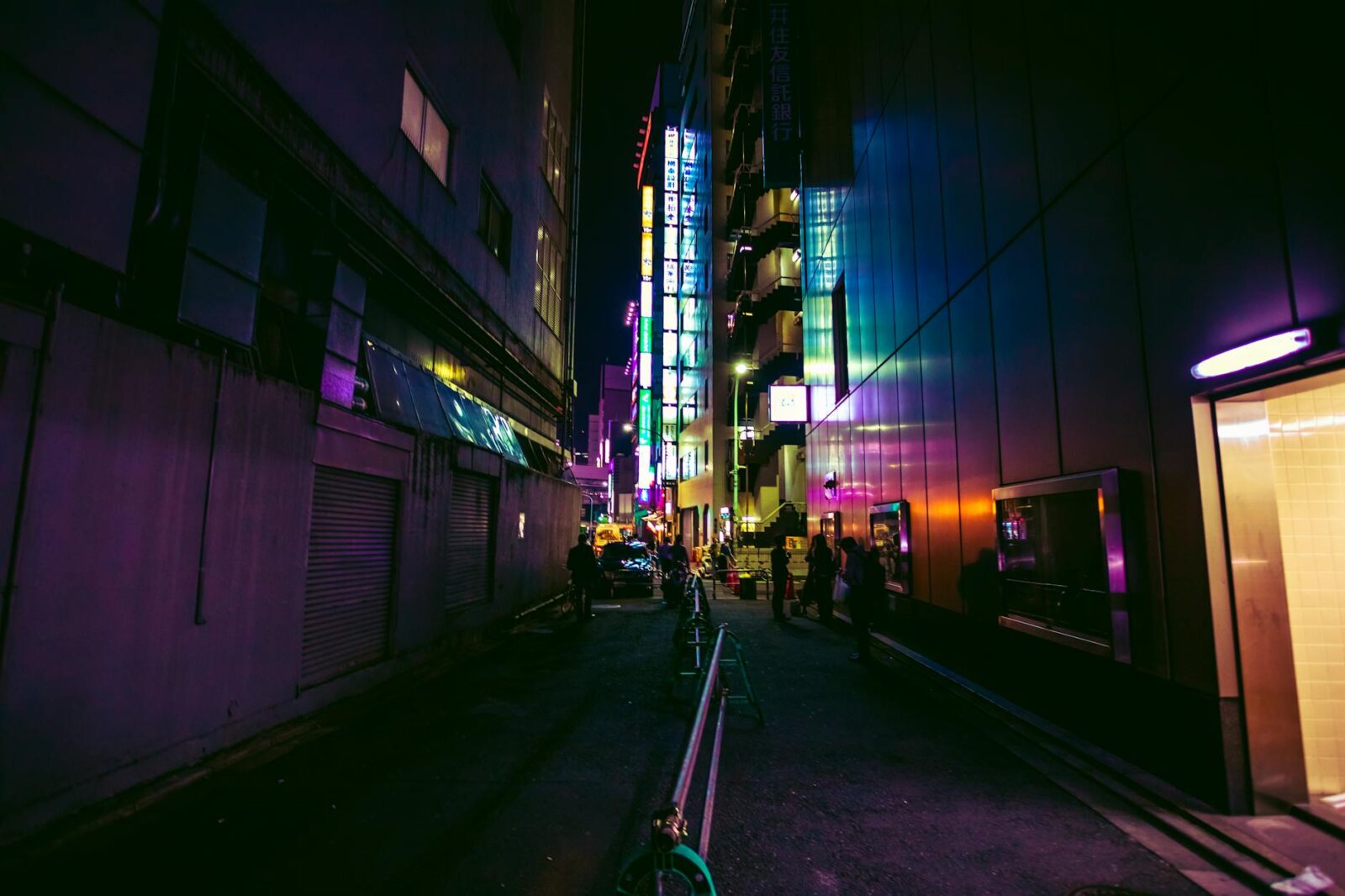
Enthralling Streets of Seoul
Imagine strolling through a labyrinth of neon-drenched streets where the aroma of sizzling street food mingles with the crisp night air. In Seoul, the capital of South Korea, this vivid scene is a nightly occurrence. The city offers a mesmerizing juxtaposition of ancient palaces and futuristic skyscrapers, making it a must-visit destination for travelers seeking both tradition and modernity.
Why South Korea is a Must-Visit Now
South Korea’s allure has only increased in recent years, owing to its vibrant cultural exports, from K-pop to Korean cinema. The country is a pioneer in technology while maintaining deep-rooted traditions that attract millions annually. As travel restrictions have eased in 2026, it’s the perfect time to explore the country’s dynamic blend of the old and new.
Best Time to Visit South Korea
Timing your visit is crucial for an unforgettable experience. Spring (April to June) offers cherry blossoms and mild weather, making it ideal for outdoor activities. Summer (July to August) is hot and humid, perfect for beachgoers in Busan. Autumn (September to November) brings vibrant foliage and cooler temperatures, while winter (December to February) is best for snow enthusiasts and those wanting to experience Korea’s cozy winter festivals.
Where to Stay in Seoul and Busan
In Seoul, consider staying in Myeongdong for its shopping and dining options, with budget accommodations starting at $30-50 per night. For a mid-range option ($80-150), try Hongdae, known for its youthful vibe and nightlife. In Busan, Haeundae Beach offers luxury accommodations ($200+) with stunning ocean views, while Seomyeon provides affordable ($30-50) and mid-range options near bustling markets.
Top Experiences in South Korea
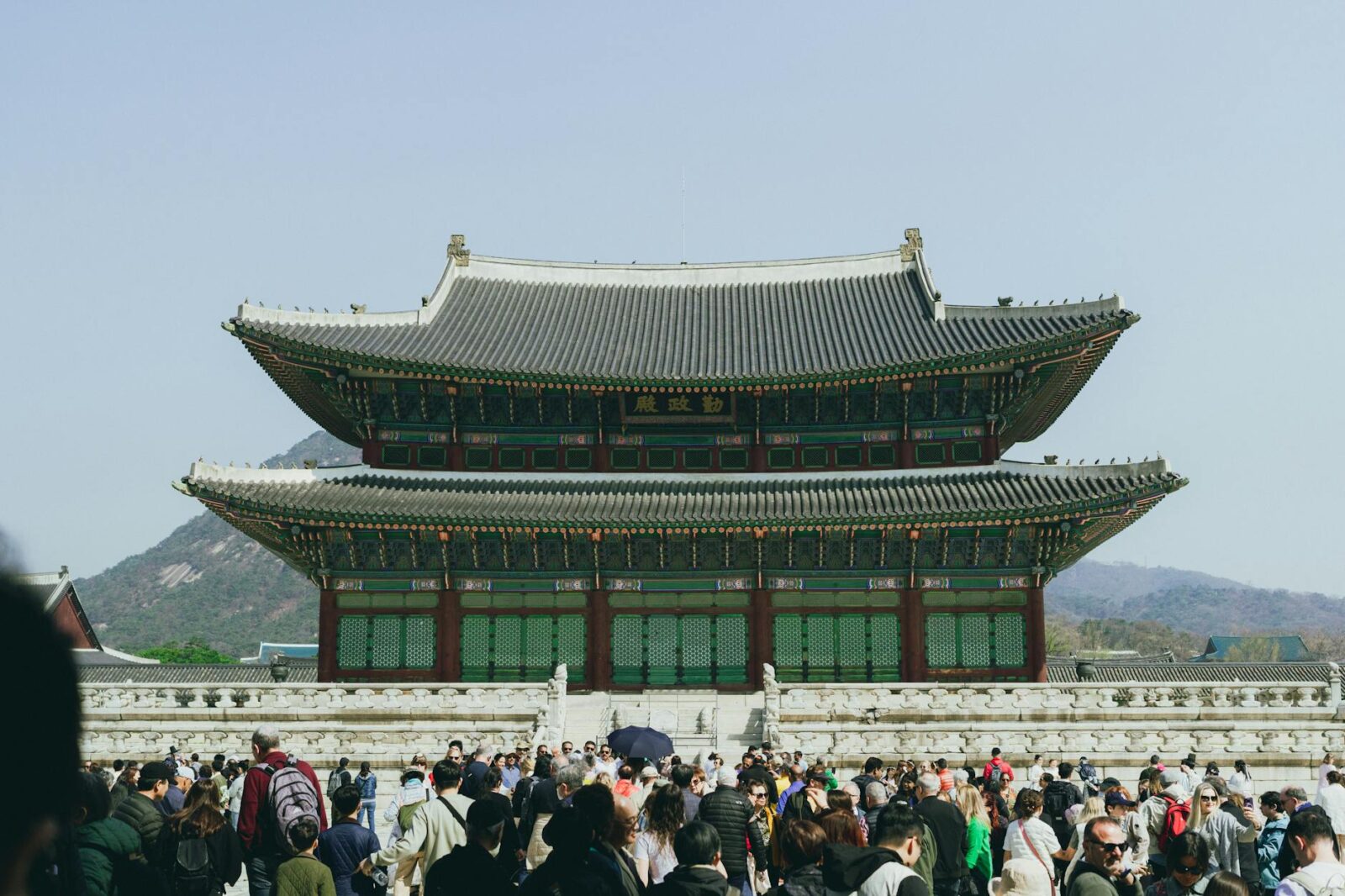
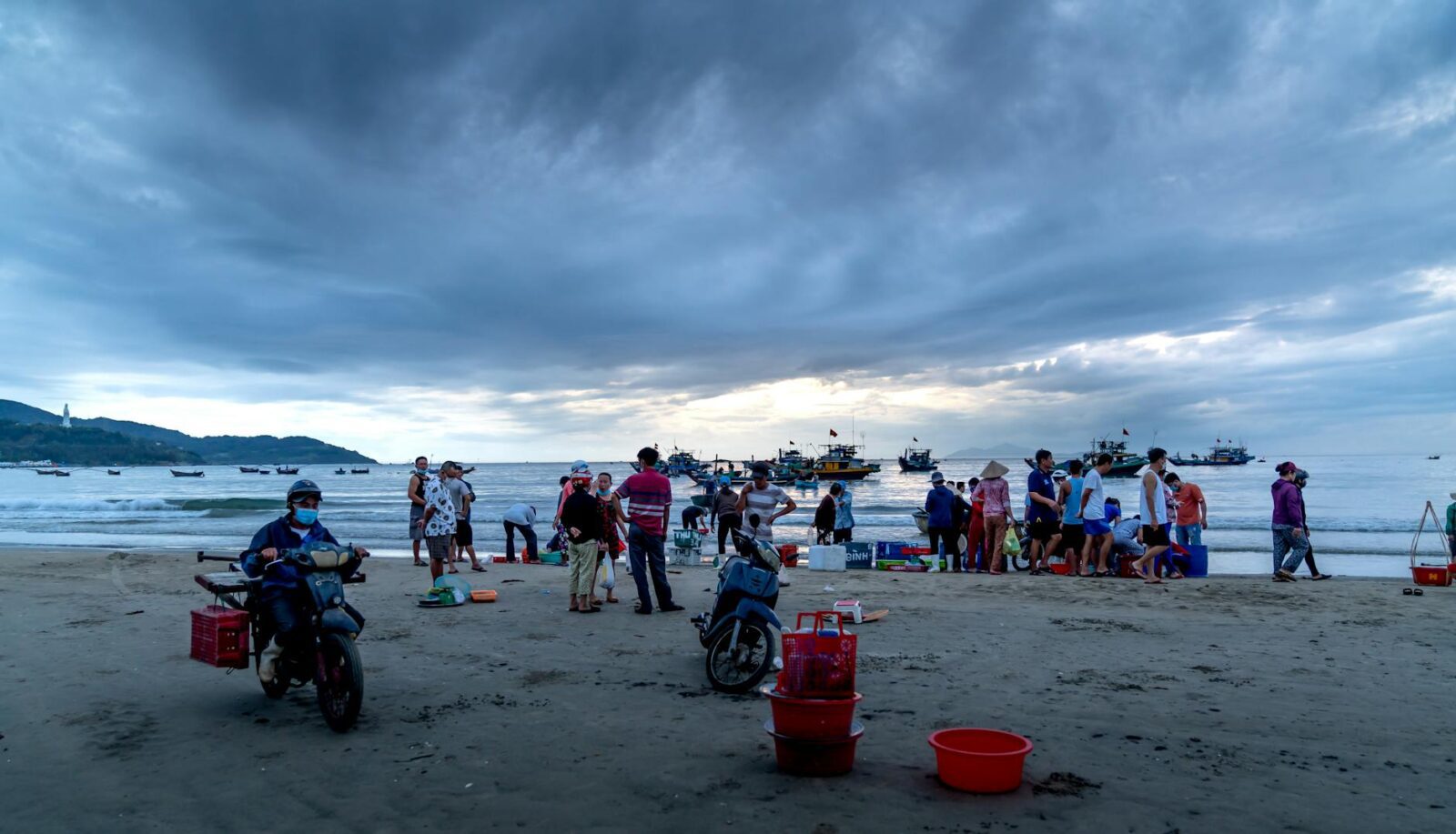
No visit to Seoul is complete without exploring Gyeongbokgung Palace, where you can witness the changing of the guard. For a taste of modern Seoul, head to the Dongdaemun Design Plaza. In Busan, Haedong Yonggungsa Temple offers a serene escape with ocean views, while Jagalchi Fish Market is a seafood lover’s paradise. Beyond these cities, Jeju Island’s volcanic landscapes provide a natural retreat.
Culinary Delights to Savor
South Korean cuisine is a feast for the senses. In Seoul, try bibimbap, a harmonious blend of rice, vegetables, and chili paste, or indulge in Korean barbecue in Itaewon. Busan is famous for its seafood; don’t miss the eomuk (fish cake) and hotteok (sweet pancakes) in Nampo-dong. Expect to spend $5-15 for street food and $20-50 for a sit-down meal.
Travel Logistics: Getting There and Around
South Korea is well-connected by Incheon International Airport, a major hub for international flights. Once in the country, the KTX high-speed train efficiently links Seoul to Busan in under three hours. For local transit, both cities boast extensive subway systems. Visitors from most countries can enter visa-free for up to 90 days, but always check the latest requirements on official government sites.
Cultural Insights and Tips
Understanding local customs enhances any trip. Bowing is a common greeting, and removing shoes before entering homes is standard. Avoid sticking chopsticks upright in rice, as it resembles funeral rites. Be mindful of public etiquette, like speaking softly on public transport. Respect for elders is deeply ingrained, so observe local interactions to navigate social nuances.
FAQs for South Korea Travelers
What is the currency in South Korea?
The currency is the South Korean Won (KRW). As of 2026, 1 USD is approximately 1,200 KRW.
Is South Korea safe for solo travelers?
Yes, South Korea is considered very safe for solo travelers, with low crime rates and a high standard of living.
What language is spoken in South Korea?
Korean is the official language. While English is taught in schools, proficiency varies, so learning a few basic Korean phrases can be helpful.
How do I stay connected while traveling?
Consider renting a portable Wi-Fi device or purchasing a local SIM card at the airport for reliable internet access throughout your stay.
What should I pack for a trip to South Korea?
Pack according to the season. Layered clothing is recommended for spring and autumn, lightweight clothes for summer, and warm attire for winter. Comfortable shoes are a must for exploring the cities.
Conclusion
South Korea offers a rich tapestry of experiences that cater to every traveler. From its bustling cities to its tranquil temples, the nation is a testament to resilience and innovation. We invite you to share your own adventures and insights as you journey through this captivating land. Don’t forget to comment and share your experiences with fellow travelers!
Stay informed with the latest travel news, visa updates, and destination guides. Follow HimalayanCrest.com for weekly travel intelligence delivered by our editorial team.