

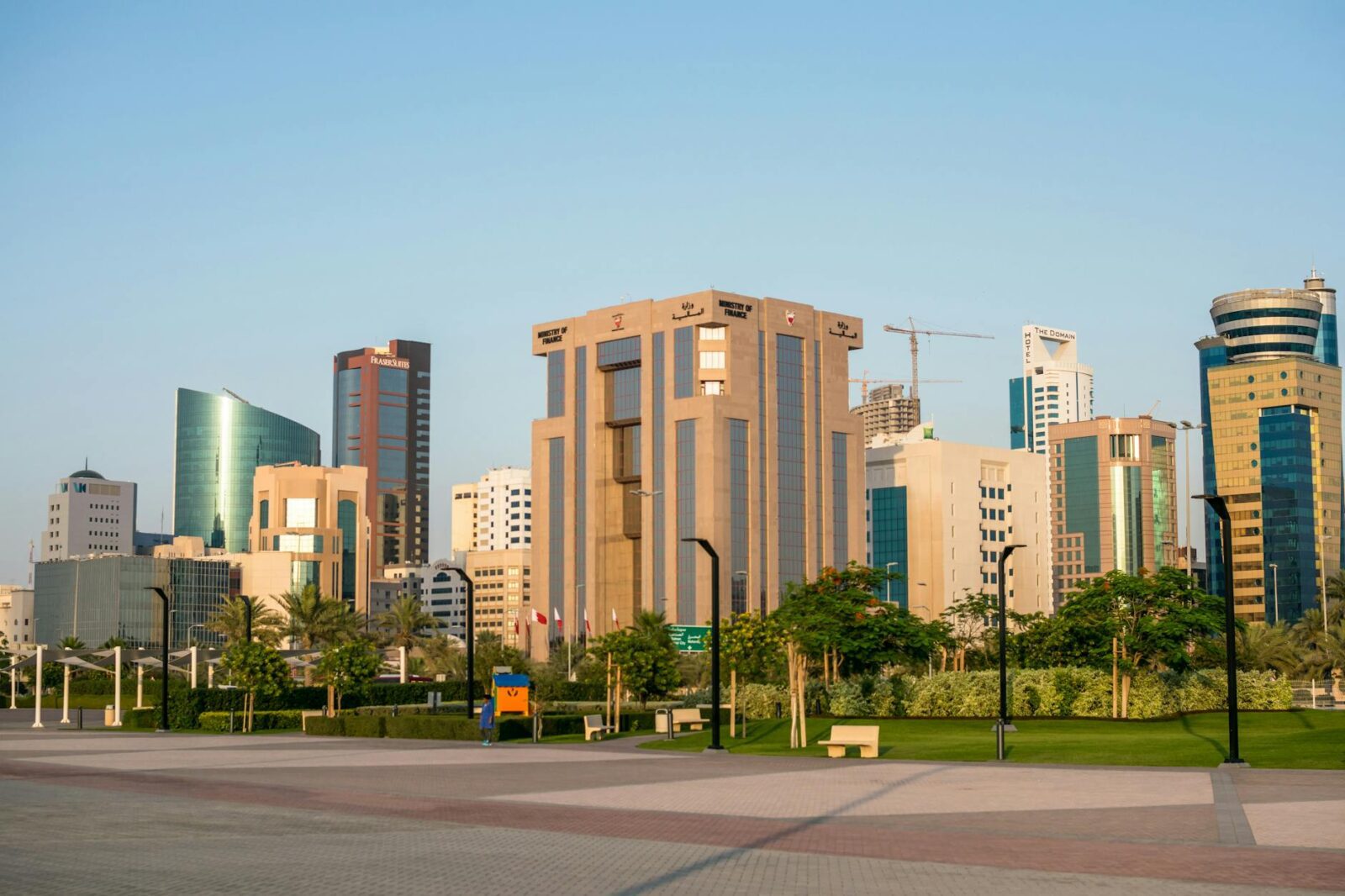
Bahrain’s Strategic Move to Support Tourism
In a region gripped by geopolitical tensions, Bahrain’s recent decision to defer tourism fees offers a vital lifeline to its struggling hospitality sector. With the backdrop of the Iran war causing a significant dip in tourist numbers, this move underscores the kingdom’s commitment to sustaining its tourism industry despite challenging circumstances.
Bahrain has announced a deferral of the first quarter fees for tourism businesses until July 31, 2026. This measure, implemented by the Bahrain Tourism and Exhibitions Authority (BTEA), aims to provide financial relief to hotels, serviced apartments, and restaurants, which are crucial to the nation’s tourism infrastructure.
The Impact of Regional Conflict on Bahrain
The ongoing Iran war has severely impacted Bahrain’s tourism, evident from the closure of its airspace from February 28 to April 8, 2026, and the temporary suspension of Gulf Air. The damage from Iranian missiles in Manama, Bahrain’s capital, further exacerbated the situation, deterring potential tourists and causing a marked decrease in hotel occupancy rates.
Before these developments, Bahrain had ambitious tourism goals, targeting 14.1 million visitors by 2026 and aiming to boost tourism’s contribution to the GDP to 11%. However, the conflict has put these objectives in jeopardy, making the fee deferral an essential step towards recovery.
Global Travel Trends and Regional Comparisons
Bahrain’s move aligns with a broader regional trend where neighboring Emirates like Ajman and Dubai have introduced similar relief measures to bolster their tourism sectors. This collective approach reflects a regional understanding of the tourism industry’s vulnerability to geopolitical events.
Globally, countries are increasingly adopting flexible policies to attract travelers amidst uncertainties. For instance, Southeast Asian countries have been reducing entry fees and offering extended visas to encourage tourism, highlighting a shift towards more traveler-friendly policies worldwide.

Practical Implications for Travelers
For travelers planning a trip to Bahrain, this policy change suggests a potentially more affordable stay as hotels and restaurants might pass on some of the financial relief to customers through discounted rates or offers. Additionally, the deferment may lead to improved services as businesses reinvest savings into enhancing guest experiences.
However, travelers should remain informed about the security situation and monitor travel advisories closely. While the deferral provides economic relief, the geopolitical climate remains a critical factor in planning a safe and enjoyable visit.
Expert Analysis: What Lies Ahead?
Experts predict that Bahrain’s tourism sector will gradually stabilize if geopolitical tensions ease. The strategic fee deferral is a temporary measure, but it sets the stage for longer-term recovery initiatives that could include marketing campaigns to rebuild Bahrain’s image as a safe and attractive destination.
Furthermore, Bahrain’s investment in expanding its hotel inventory, with 22,000 rooms under construction, indicates a long-term vision for tourism growth. This expansion could be a game-changer, aligning with Bahrain’s broader economic diversification goals.
Cost Implications for Travelers
While the deferral of fees directly benefits tourism businesses, travelers might indirectly experience cost savings through reduced accommodation and dining expenses. However, it’s crucial to budget for potential fluctuations in travel costs due to ongoing regional instability, which could affect airfare and travel insurance premiums.
Travelers should consider booking flexible tickets and accommodations that offer cancellation or rescheduling options without penalties, allowing for adjustments in response to changing travel advisories or personal circumstances.
FAQs
What fees are being deferred in Bahrain’s tourism sector?
Bahrain has deferred the first quarter fees for tourism businesses, including a 5% tourism levy on hotels and restaurants, and a BHD 3 ($8) per night accommodation fee, until July 31, 2026.
How has the Iran war affected Bahrain’s tourism?
The Iran war has led to reduced tourist arrivals, hotel occupancy rates, and the temporary closure of Bahrain’s airspace, significantly impacting the tourism industry.
Are there any safety concerns for travelers visiting Bahrain?
Travelers should stay updated on the security situation and adhere to travel advisories. While Bahrain remains committed to ensuring tourist safety, the regional conflict presents potential risks.
Will hotels in Bahrain offer discounts due to the fee deferral?
While not guaranteed, hotels and restaurants might offer discounts or promotions as a result of financial relief, aiming to attract more tourists and improve occupancy rates.
What are Bahrain’s long-term tourism goals?
Bahrain aims to attract 14.1 million visitors by 2026 and increase tourism’s GDP contribution to 11%, supported by strategic investments in hotel infrastructure and marketing initiatives.
Stay informed with the latest travel news, visa updates, and destination guides. Follow HimalayanCrest.com for weekly travel intelligence delivered by our editorial team.