

Choosing Between Two Legends: Annapurna Circuit and Everest Base Camp
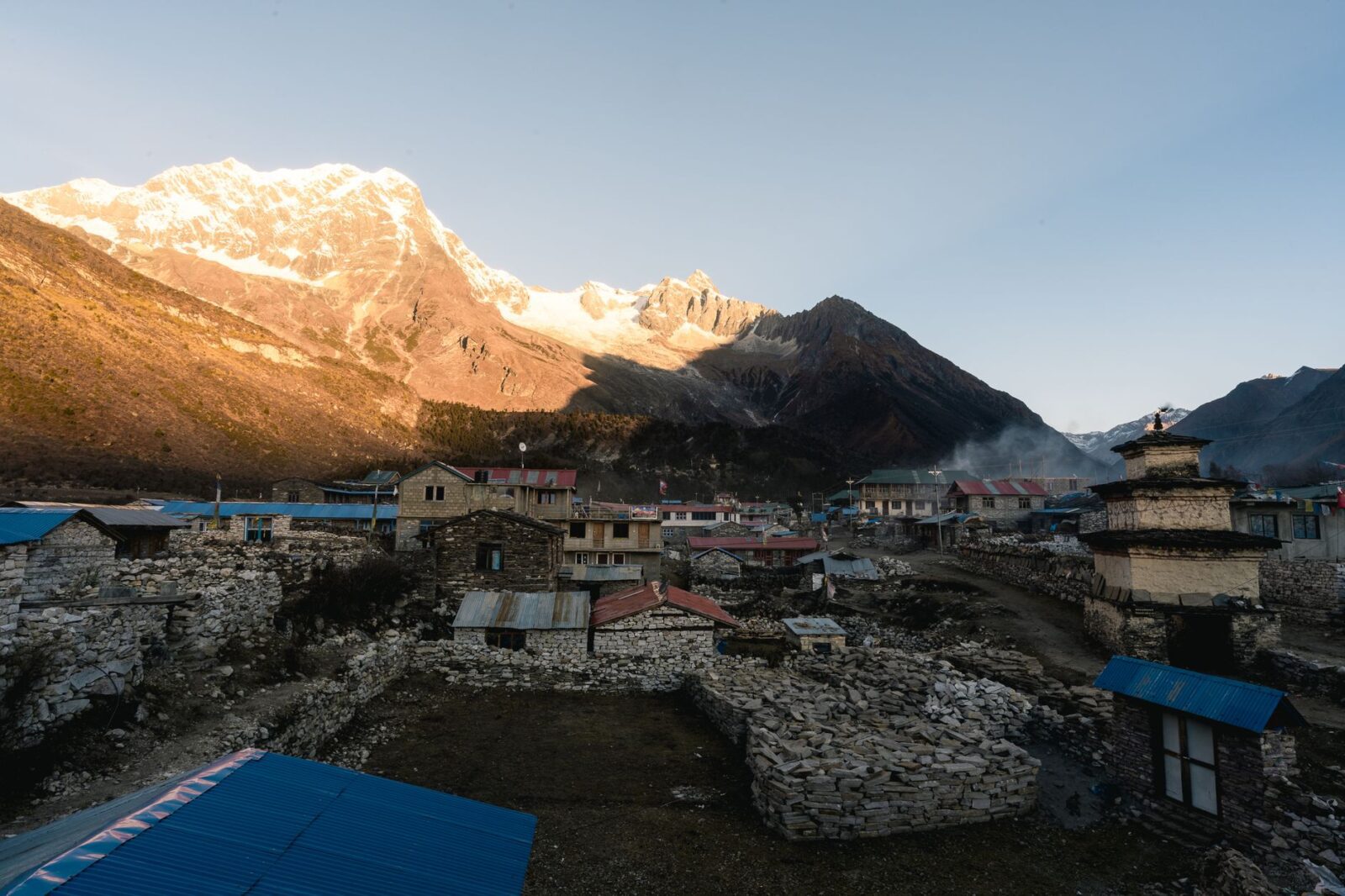
Imagine the crisp morning air biting gently at your cheeks as you stand amidst the towering Himalayas, the golden hue of sunrise spilling over snow-capped peaks. The distant echo of a monastery bell resonates through the valleys, marking the start of a journey that many only dream of. This is Nepal, a land where the Annapurna Circuit and Everest Base Camp treks beckon adventurers from around the world.
The Annapurna Circuit: A Journey Through Diversity
The Annapurna Circuit is often hailed as a trekker’s paradise, offering a stunning variety of landscapes and cultures. Spanning approximately 160-230 km depending on the starting point, this trek is a loop through the Annapurna Massif, crossing the formidable Thorong La Pass at 5,416 meters (17,769 feet). It requires moderate to high fitness levels and typically takes 15-20 days to complete.
Day-by-Day Itinerary: Annapurna’s Allure
The trek begins in the lush subtropical valleys of Besisahar and gradually ascends to the alpine meadows and high desert landscapes of Manang. Each day presents new challenges and rewards, with distances ranging from 10 to 20 km and altitude changes that test your endurance and spirit.
Everest Base Camp: The Ultimate Mountain Dream
The Everest Base Camp trek is a pilgrimage to the foot of the world’s tallest mountain. Covering about 130 km round trip, this trek is shorter but equally demanding, reaching a maximum altitude of 5,364 meters (17,598 feet) at the base camp. It requires a strong physical condition and a 12-14 day commitment.
Itinerary: Steps to the Top of the World
Starting with a thrilling flight into Lukla, trekkers embark on a journey through the picturesque Khumbu Valley, past Sherpa villages and Buddhist monasteries. The path is steep and challenging, with daily hikes of 10-15 km and significant altitude gains.
Best Seasons to Trek: Weather and Crowd Considerations
Both treks are best undertaken in the pre-monsoon (March to May) and post-monsoon (late September to November) seasons. During these periods, the weather is stable, with clear skies offering spectacular mountain views. However, these are also the busiest times, with trails bustling with fellow adventurers.
Permits and Costs: Navigating the Essentials
For the Annapurna Circuit, you’ll need an Annapurna Conservation Area Permit (ACAP) and a TIMS card, totaling about $40 USD. The Everest Base Camp trek requires a Sagarmatha National Park Permit and a TIMS card, costing around $50 USD combined. These permits are crucial for ensuring your safety and supporting local conservation efforts.
Gear Up: What to Pack for Success
Essential gear includes a sturdy pair of trekking boots, a warm down jacket, layers of thermal clothing, and a reliable backpack. Don’t forget a sleeping bag rated for cold temperatures, a water purification system, and a first-aid kit. Renting gear in Kathmandu is possible, with costs varying from $1 to $5 USD per item per day.
Teahouses and Guides: Comfort and Companionship on the Trail
Teahouses provide basic accommodation and meals, costing around $20 to $30 USD per day, depending on your dining preferences. Hiring a guide or porter is highly recommended, especially for novice trekkers, at an average cost of $25 to $30 USD per day. Remember to tip your guide and porter generously, as this is a significant part of their income.
Health and Safety: Altitude Sickness and Precautions
Acclimatization is key to avoiding altitude sickness. Plan extra days for rest and ascent to allow your body to adjust. Stay hydrated, avoid alcohol, and consider taking altitude sickness medication as a precaution. Travel insurance covering high-altitude trekking and evacuation is essential.
Respecting Culture: Etiquette and Sustainable Practices
Respect local customs by removing shoes before entering temples, asking for permission before taking photos of locals, and dressing modestly. Sustainable trekking practices include minimizing waste, using refillable water bottles, and supporting local businesses.
FAQ: Your Questions Answered
How physically fit do I need to be for these treks?
A good level of fitness is required. Regular cardiovascular exercise, strength training, and hiking practice are recommended before embarking on either trek.
What are the accommodation options on these treks?
Teahouses along both routes offer basic amenities, including a bed, meals, and sometimes hot showers for an extra fee.
Can I trek solo?
While solo trekking is possible, hiring a guide is advisable for safety, cultural insight, and logistical support.
What is the best way to deal with altitude sickness?
Ascend gradually, stay hydrated, and rest often. Consider carrying altitude sickness medication and consult with a guide if symptoms occur.
Is Wi-Fi available on the trails?
Wi-Fi is available in some teahouses, but connections can be unreliable. It’s best to prepare for limited connectivity.
Conclusion: Your Himalayan Adventure Awaits
Whether you choose the cultural tapestry of the Annapurna Circuit or the iconic allure of Everest Base Camp, each trek offers a unique glimpse into the heart of the Himalayas. Share your experiences and insights in the comments below, and inspire others to embark on their own journey to these majestic peaks.
Stay informed with the latest travel news, visa updates, and destination guides. Follow HimalayanCrest.com for weekly travel intelligence delivered by our editorial team.