


Hidden Gems Shine as Budget Travel Rebounds in 2026
Recent travel reports highlight a growing list of destinations where visitors can enjoy rich culture, stunning scenery, and comfortable stays without draining their wallets. Our research shows that places ranging from the Caucasus mountains to Southeast Asian islands are consistently priced well below traditional hotspots. This trend arrives as global inflation eases slightly but travelers remain cost-conscious, seeking value without sacrificing experience. The shift reflects a broader move toward exploring lesser-known locales that offer authenticity and lower price tags.
Among the standout mentions, Georgia’s capital Tbilisi attracts visitors with its historic old town, sulfur baths, and wine culture, where a mid-range hotel averages $45 per night and a hearty meal of khinkali costs under $5. Bali continues to draw budget travelers with vibrant markets, beachside cafes, and accommodation options as low as $30 per night for guesthouses. Egypt’s ancient sites, from the Pyramids of Giza to Luxor’s temples, remain accessible with hostel beds starting at $12 and felucca rides on the Nile for about $20.
Europe’s Quiet Corners Offer Big Savings
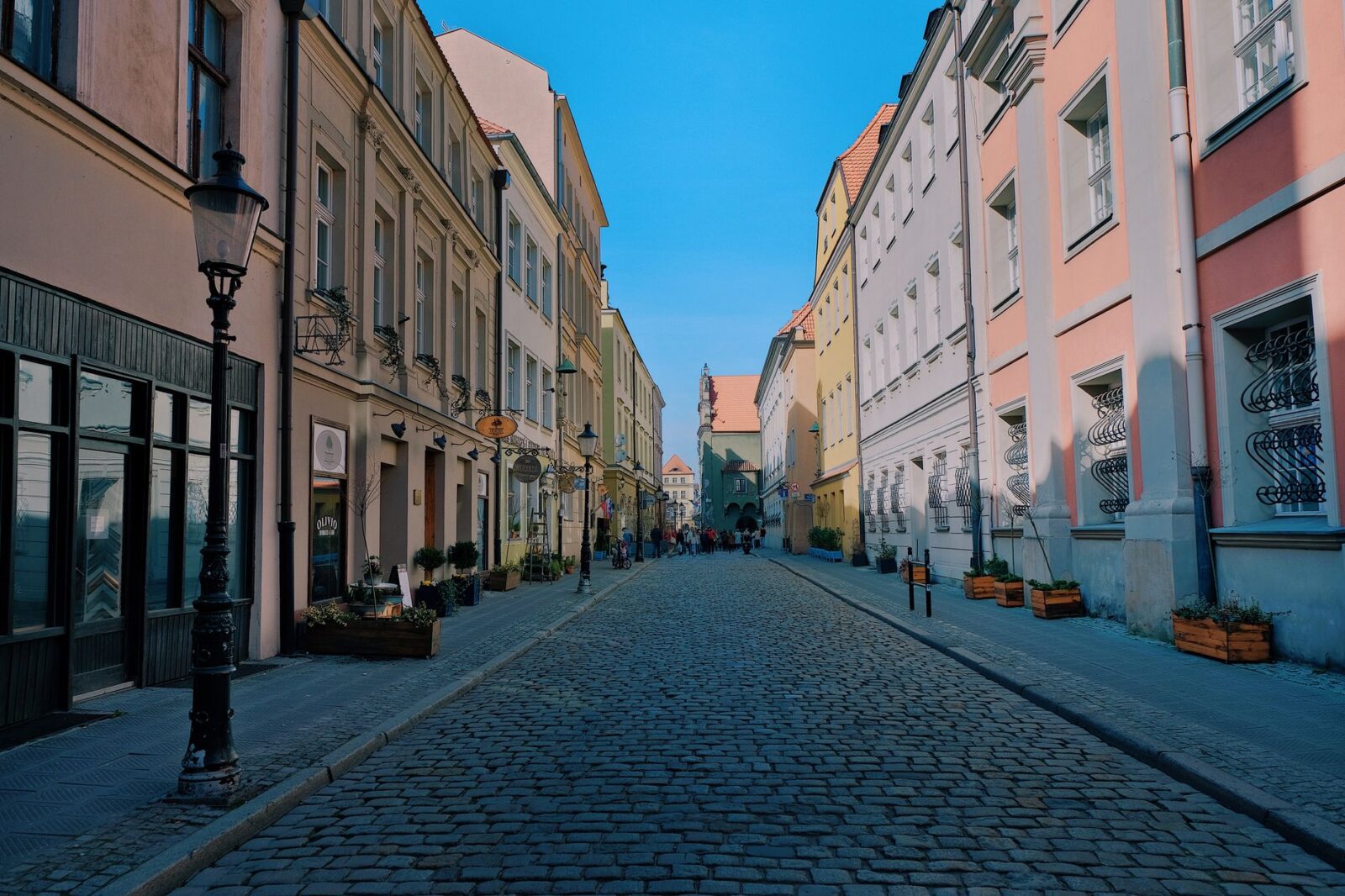
European travelers are discovering that alternatives to crowded capitals can deliver similar charm at a fraction of the cost. Ljubljana, Slovenia’s car‑free old town, features baroque architecture, riverside cafes, and free walking tours; a three‑star hotel averages $55 per night and a bowl of traditional jota soup costs around $4. The Greek island of Naxos provides sandy beaches, ancient ruins, and mountain villages where a seaside taverna meal is about $10 and budget studios rent for $40 per night.
In northern Spain, Girona’s medieval lanes and colorful houses sit just a short train ride from Barcelona, yet lodging remains roughly 30 % cheaper, with guesthouses near $50 per night and tapas plates averaging $3. Porto, Portugal, famous for its port wine cellars and Ribeira district, offers double rooms in boutique inns for about $60 and a glass of vinho verde for $2. Meanwhile, Montenegro’s coastal town of Kotor mirrors Dubrovnik’s fortified walls but sees far fewer cruise ships, with accommodation averaging $45 per night and a fresh seafood platter priced at $12.
Asian Adventures That Won’t Break the Bank
Southeast Asia continues to be a bastion of affordable travel, with Vietnam and Nicaragua emerging as top picks for 2026. In Vietnam, cities like Hanoi and Ho Chi Minh City provide street‑food feasts for under $2, while boutique hotels in the Old Quarter start at $35 per night. The country’s extensive rail network lets travelers move between Hanoi, Hue, and Ho Chi Minh City for $10‑$20 per leg.
Nicaragua, often overlooked for its Central American neighbors, offers colonial architecture in Granada, volcanic landscapes, and Pacific surf spots. A night in a family‑run hostel costs roughly $25, and a typical gallo pinto meal is under $3. The country’s low tourist density means attractions like Ometepe Island remain peaceful and inexpensive.
Off‑the‑Beaten‑Path Gems in the Americas
Beyond the usual Caribbean resorts, travelers are finding value in the southern United States and Central Asia. In the southern U.S., towns along the Chattahoochee River in Georgia provide tubing, hiking trails to waterfalls, and downtown walkability, with motel rates averaging $70 per night—considerably less than the $120‑plus charged in nearby Gatlinburg, Tennessee.
Kazakhstan’s “Little Switzerland” region near Almaty showcases alpine meadows, crystal‑clear lakes, and hiking routes that rival European counterparts. Guesthouses in the area charge about $30 per night, and a traditional beshbarmak meal costs around $6. These prices are a fraction of what similar scenery would demand in Switzerland or Austria.
Polynesian Paradise on a Budget
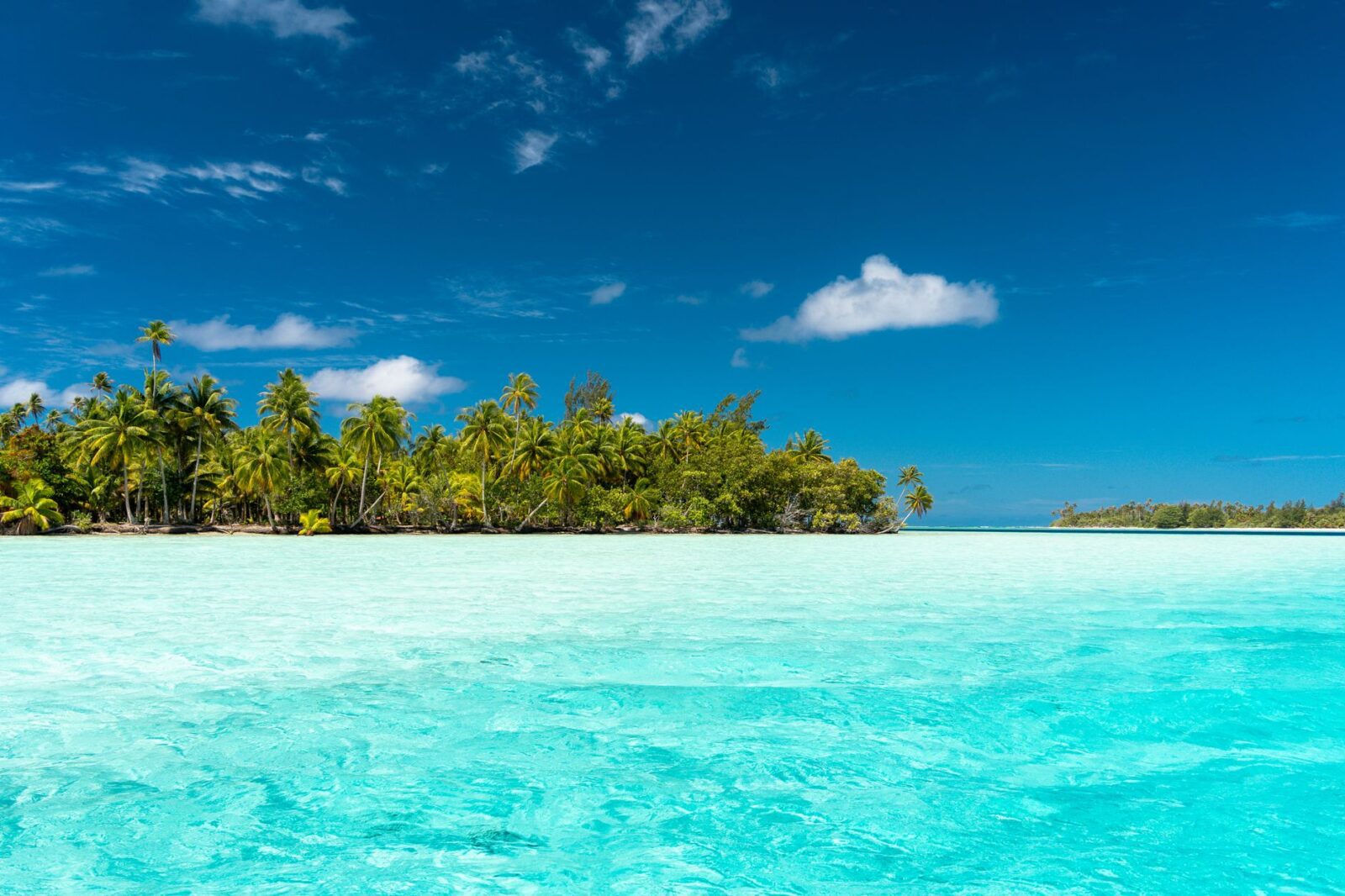
Even the famed islands of French Polynesia are revealing affordable options. Moorea, often overshadowed by Tahiti and Bora Bora, offers lagoon snorkeling, hiking to Belvedere Lookout, and cultural shows at a fraction of the price. Budget bungalows start at $80 per night, and a plate of poisson cru (marinated raw fish) costs about $9. Travelers can reach Moorea via a short ferry from Tahiti, keeping inter‑island transport under $20.
What This Means for Your 2026 Trip Planning
The emergence of these hidden gems signals that travelers can stretch their budgets further by choosing destinations that have not yet felt the full pressure of mass tourism. Experts recommend booking accommodations two to three months in advance to lock in current rates, especially for popular shoulder‑season windows in spring and autumn. Using local transport—such as buses, shared taxis, or ferries—often cuts costs by 50 % compared with private tours or rental cars.
Travelers should also consider traveling light to avoid baggage fees on low‑cost carriers that serve many of these regions. Eating where locals eat, visiting free attractions like public parks, museums with donation‑based entry, and taking advantage of city tourism cards can reduce daily expenses to $30‑$40 in many of the listed locations. For those seeking a bit of luxury, upgrading to a boutique hotel or a guided tour typically adds only $20‑$30 per day.
Future Outlook: Will Prices Stay Low?
Industry analysts warn that as word spreads, demand for these budget‑friendly spots may rise, leading to gradual price increases—particularly in high‑season months. However, the sheer number of alternatives available means that savvy travelers can continually shift to the next emerging hotspot. Monitoring travel forums, setting price alerts on accommodation platforms, and traveling during the shoulder seasons (April‑June and September‑November) are effective strategies to stay ahead of any cost creep.
Additionally, government tourism boards in several of these countries are promoting sustainable tourism initiatives that aim to balance visitor numbers with local capacity. Such policies may keep accommodation growth measured, preserving affordability for the foreseeable future. Keeping an eye on official tourism websites for updates on visa requirements, local festivals, and new infrastructure projects will help travelers plan smartly.
Practical Cost Comparison: Where Your Money Goes Further
To illustrate the savings, consider a seven‑day itinerary for a solo traveler. In Paris, France, mid‑range hotel, meals, and local transport average about $180 per day, totaling roughly $1,260 for the week. By contrast, a similar week in Tbilisi, Georgia, averages $70 per day ($490 total), while a week in Naxos, Greece, runs about $85 per day ($595 total). Even a more upscale stay in Moorea, French Polynesia, can be kept near $130 per day ($910 total) when choosing budget bungalows and eating at local snack bars.
These figures demonstrate that travelers can experience comparable—or even richer—cultural immersion for less than half the cost of traditional European capitals. Adjusting expectations, embracing local cuisine, and prioritizing experiences over luxury brands are the keys to unlocking these savings.
Stay informed with the latest travel news, visa updates, and destination guides. Follow HimalayanCrest.com for weekly travel intelligence delivered by our editorial team.