


Beyond Souvenirs: How Travelers Are Reconnecting with Making Things
In an age where algorithms curate our experiences and digital interactions dominate daily life, a quiet revolution is unfolding in global travel. More travelers are seeking not just to see the world, but to shape it with their own hands. This shift represents a profound change in how we engage with destinations—moving from passive observation to active participation in living traditions that have sustained communities for centuries.
The appeal lies in the tangible connection forged when travelers sit beside a master weaver in Oaxaca, learn the precise angle for chiseling wood in Bali, or feel the resistance of clay under their fingertips in a Marrakech pottery workshop. These moments create memories that no photograph can replicate, while simultaneously supporting artisans whose skills might otherwise fade in our mass-produced world.
Recent data from the World Tourism Organization shows that cultural experiences involving hands-on participation grew by 34% between 2022 and 2025, outpacing traditional sightseeing tours. This trend reflects a deeper yearning for authenticity and meaningful exchange in an increasingly homogenized travel landscape.
The Living Legacy: From Mughal Embroidery to London Guilds
Craft traditions around the world reveal remarkable resilience and adaptation. Take chikankari embroidery from Lucknow, India—a technique dating back to the 17th century when Mughal empress Nur Jahan introduced Persian floral motifs to local artisans. What began as courtly adornment evolved into a village-based industry where entire neighborhoods specialize in specific stitches, passing knowledge through generations of women who work from home while managing family responsibilities.
Similarly, London’s craft heritage demonstrates how urban guilds have preserved skills since the 12th century. The Worshipful Company of Goldsmiths, established in 1327, still maintains rigorous standards for silversmithing while embracing contemporary designs. Today’s London craftspeople blend ancient techniques with modern aesthetics—silversmiths using laser etching alongside hand-chasing, bookbinders incorporating recycled materials into traditional leatherwork.
These examples illustrate a universal pattern: craft traditions survive not by resisting change, but by adapting to new materials, markets, and meanings while maintaining core techniques. The artisan’s workshop becomes a living archive where history is not displayed behind glass but actively practiced and evolved.
Why Now? The Antidote to Digital Overload
The growing appeal of craft-focused travel coincides with widespread digital fatigue. As artificial intelligence generates images, writes text, and even composes music, travelers are seeking experiences that emphasize human presence and tactile engagement. Making something with your hands provides a counterbalance to screen-based life—a way to reclaim agency and presence in a world where so much feels automated.
Neuroscience supports this instinct: studies show that engaging in manual crafts reduces cortisol levels and increases mindfulness, similar to meditation. When travelers learn to throw pottery on a wheel or weave on a loom, they’re not just acquiring a skill—theire engaging in a form of active relaxation that counters the constant stimulation of modern travel.
This psychological benefit explains why craft experiences often become the highlight of a trip, even when travelers initially signed up for cultural sightseeing. The act of creation fosters a deeper appreciation for the objects we bring home, transforming souvenirs from generic mementos into meaningful artifacts carrying stories of specific people, places, and moments of connection.
Global Hotspots for Hands-On Craft Travel
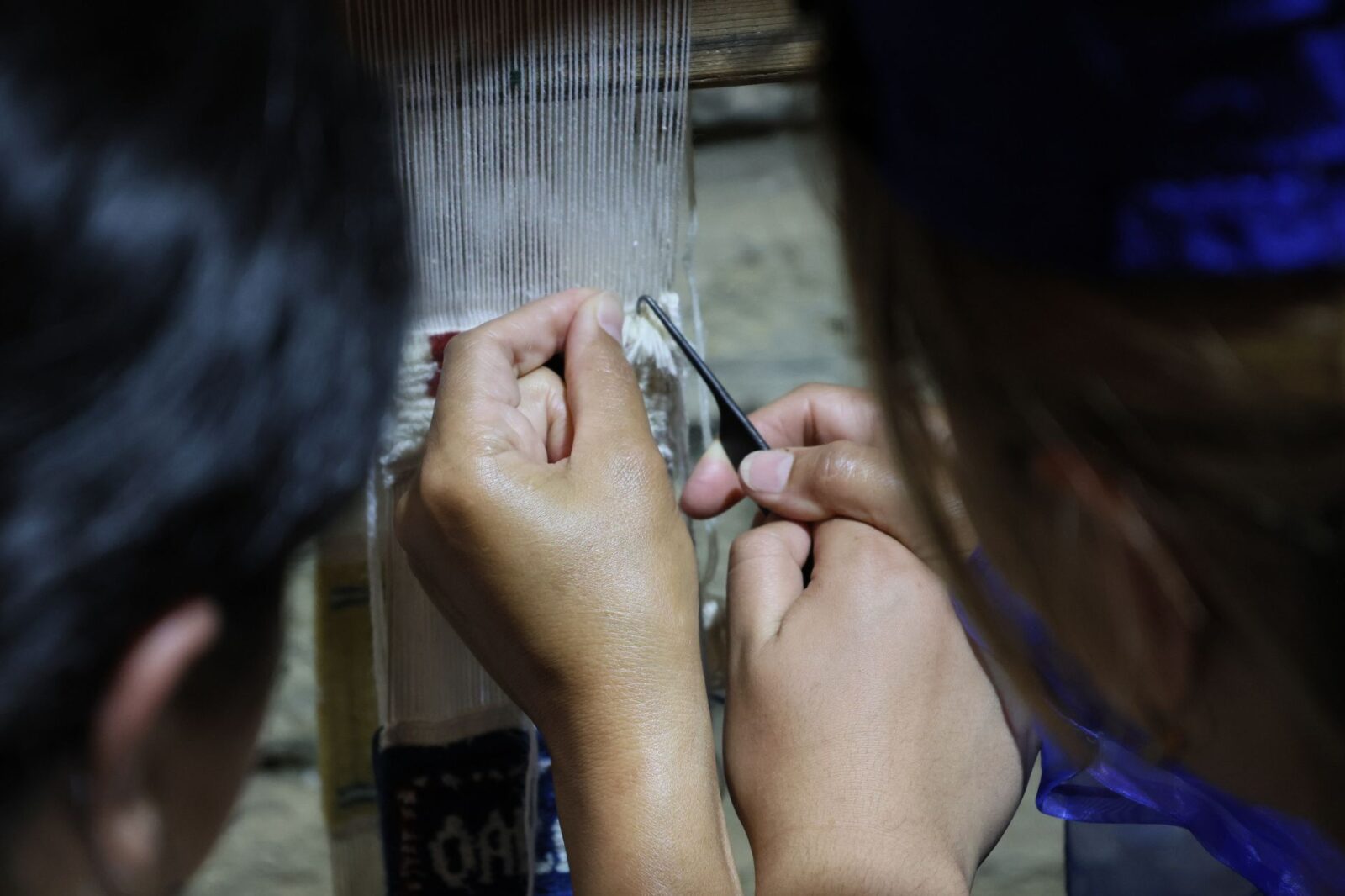
Certain destinations have become renowned for accessible, high-quality craft immersion. In Kyoto, Japan, travelers can join morning workshops to learn indigo dyeing (aizome) using techniques unchanged since the Edo period, or try their hand at kintsugi—the art of repairing broken pottery with gold lacquer, embracing imperfection as part of an object’s history.
Oaxaca, Mexico stands out for its extraordinary concentration of living traditions: black clay pottery from San Bartolo Coyotepec, intricate alebrijes (fantastical creature carvings) from San Martín Tilcajete, and wool rugs dyed with cochineal insects and pomegranate skins in Teotitlán del Valle. Many workshops welcome visitors for half-day sessions where they create their own pieces under artisan guidance.
In West Africa, Senegal’s Thiès region offers workshops in bogolanfini (mud cloth) making, where fermented mud creates distinctive patterns on handwoven cotton. Morocco’s Fez medina hosts centuries-old tanneries and zellige tile workshops where travelers can try geometric plaster carving under master craftsmen’s supervision.
Practical Planning: How to Find Authentic Craft Experiences
Not all craft encounters are created equal. Travelers seeking genuine participation should look for experiences led by practicing artisans in their working workshops, rather than demonstration-only performances for tourists. The best opportunities often come through local cooperatives, cultural centers, or carefully vetted tour operators who prioritize fair compensation and cultural respect.
Costs vary widely but remain accessible: a half-hour pottery session in Jaipur might cost $15-25 USD, while a full-day weaving intensive in Guatemala’s Lake Atitlán region ranges from $60-90 USD including materials. Multi-day craft retreats—like textile tours in Uzbekistan’s Silk Road cities or ceramic workshops in Tunisia—typically start at $300-500 USD for three days, excluding accommodation.
Timing matters: many artisans follow seasonal rhythms. In India, block-printing workshops in Rajasthan operate year-round but see peak activity after monsoon season when cotton is freshly harvested. In Scandinavia, traditional woodworking courses often align with longer daylight hours in late spring and summer.
The Economic Impact: How Your Participation Sustains Traditions
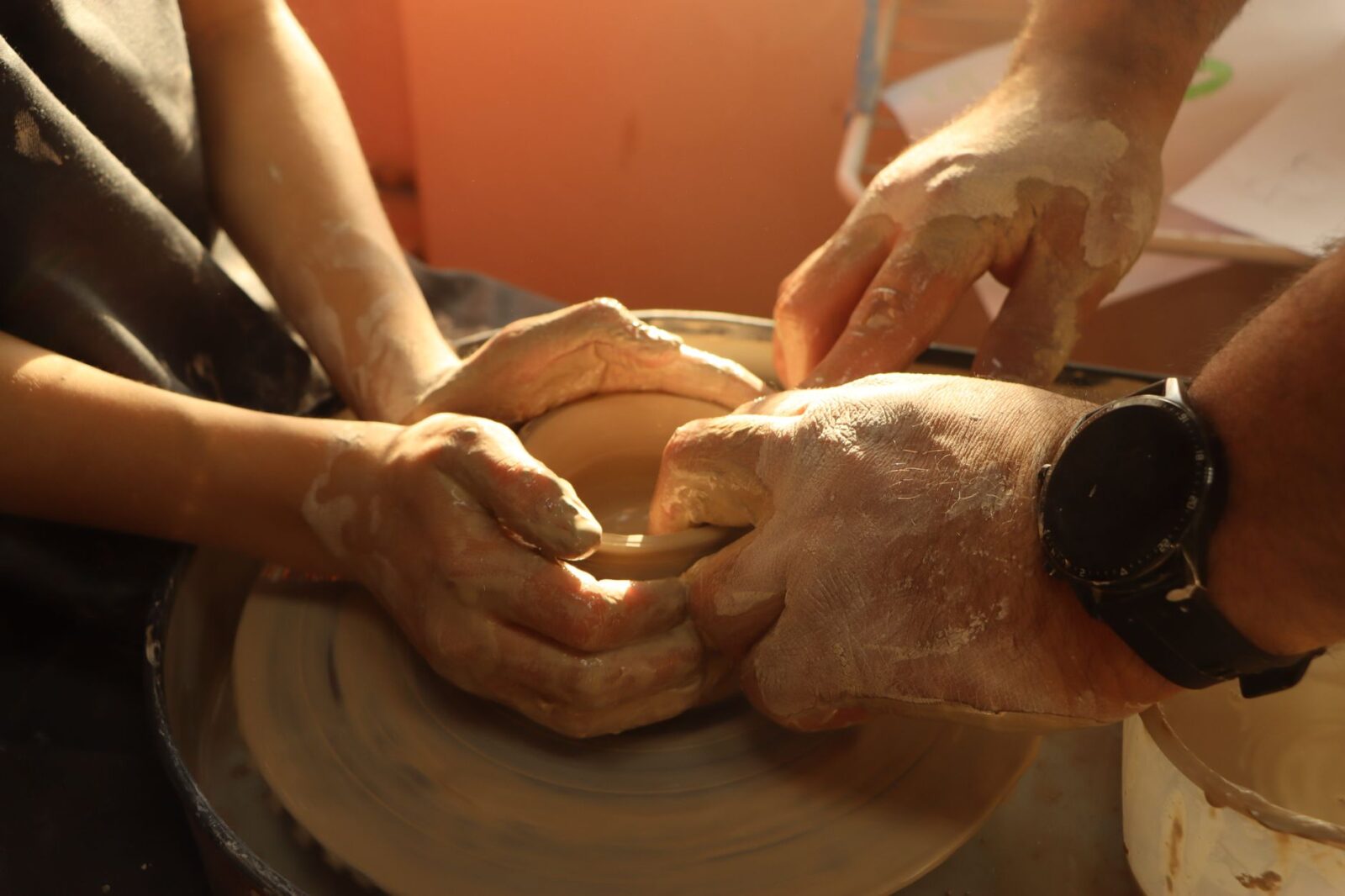
When travelers pay directly for craft instruction, they contribute to a sustainable economic model that benefits artisans more fairly than souvenir sales alone. In many communities, tourism income from craft experiences has helped revive endangered techniques. For example, in Peru’s Chinchero region, weaving cooperatives report that traveler participation now accounts for 40% of their income, allowing younger generations to see craft as a viable livelihood rather than abandoning it for urban work.
This model creates a virtuous cycle: travelers gain skills and understanding, artisans receive fair compensation and recognition for their expertise, and traditions remain economically sustainable. Some destinations have formalized this relationship—Bhutan’s government requires tourists to use licensed guides who often facilitate craft visits, ensuring revenue flows directly to communities.
Critically, these interactions foster cultural exchange that goes beyond economics. Artisans frequently report that teaching travelers deepens their own appreciation for their craft, as explaining techniques to outsiders often reveals new perspectives on familiar processes.
What’s Next: The Future of Craft in Travel
The trajectory suggests craft-focused travel will continue growing, driven by both traveler demand and destination development strategies. More countries are integrating craft experiences into their tourism offerings—Japan promotes regional craft trails, while Mexico’s Pueblos Mágicos program highlights towns where specific traditions thrive.
Technology is playing an unexpected role: apps now connect travelers with verifying artisan workshops, and augmented reality tools help explain complex techniques in real time during workshops. Yet the core appeal remains resolutely low-tech—the irreplaceable value of human hands shaping material into meaning.
Looking ahead, the most successful craft tourism initiatives will balance accessibility with authenticity, ensuring that increased visitor interest doesn’t compromise the intimate, intergenerational nature of knowledge transfer. The goal isn’t to turn every workshop into a spectacle, but to create respectful pathways for curious travelers to join, however briefly, in the enduring human practice of making things with skill and care.
Stay informed with the latest travel news, visa updates, and destination guides. Follow HimalayanCrest.com for weekly travel intelligence delivered by our editorial team.